Scottish Highland Sword Dance: History & Symbolism
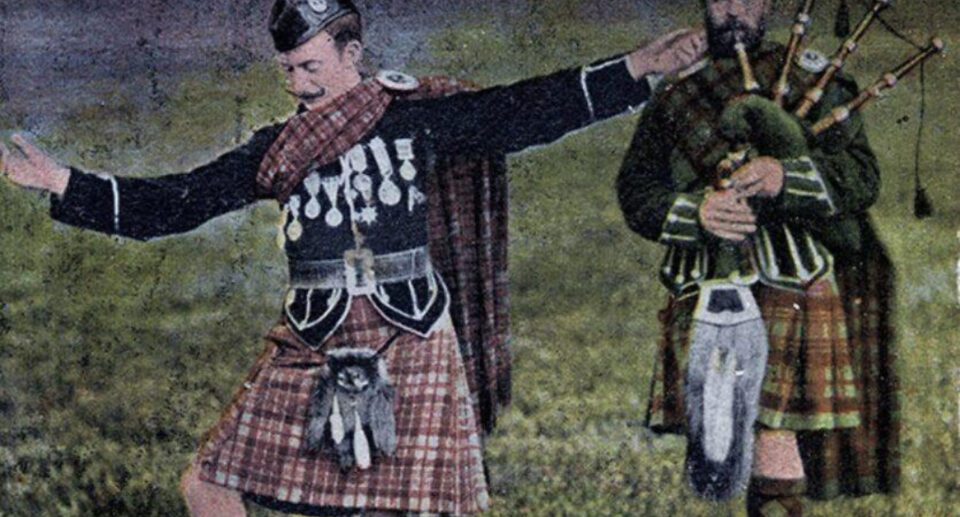
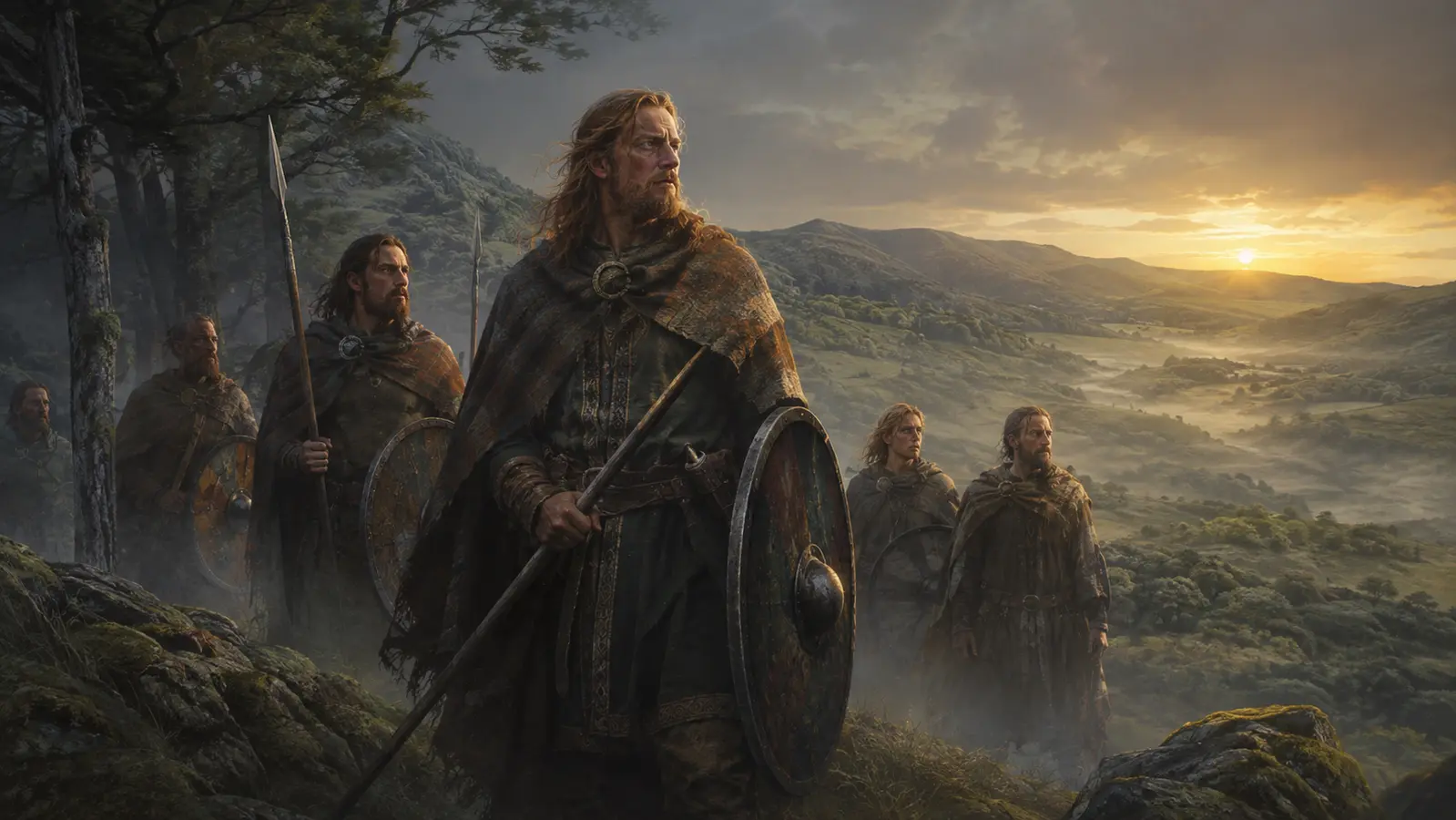
Highland sword-dancing stands as one of Scotland’s most refined cultural expressions. It blends discipline, rhythm, and ancestral memory into a single performance. More than a spectacle, this dance reflects the martial ethos of Highland clans. Each precise movement carries echoes of battle preparation, victory rites, and communal identity.
To understand this tradition, one must place it within the broader fabric of clan life. If you are exploring clan structures, you may enjoy this guide on Scottish clans:
https://celtguide.com/how-many-scottish-clans/
Origins of Highland Sword Dancing
The origins of sword dancing trace back to early Highland warriors. Before battle, a clansman would place two swords on the ground in the shape of a cross. He then danced around and between them. This act served both as ritual and omen. A flawless performance foretold victory. A misstep suggested danger ahead.
This ancient practice evolved into what we now call the Ghillie Callum, the most recognized form of Scottish sword dance. Over time, the ritual shed its battlefield function but retained its symbolic core.

Sword dancing also shares thematic resonance with other Celtic traditions where ritual and art intertwine. For instance, storytelling traditions explored here reflect similar cultural depth:
https://celtguide.com/why-are-irish-people-natural-storytellers/
Symbolism and Cultural Meaning
Sword dancing is not merely technical. It is deeply symbolic.
- Crossed swords represent conflict and fate
- Footwork precision reflects discipline and control
- Balance and rhythm symbolize harmony between body and spirit
The dance mirrors the Highland warrior’s ideal: controlled strength guided by awareness. In this sense, it aligns with other symbolic Celtic elements, such as those found in sacred objects and carvings:
https://celtguide.com/celtic-stone-carvings/
The Role of Clans in Preserving the Tradition
Highland clans played a vital role in preserving sword dancing. Each clan valued martial readiness and cultural continuity. Dance became a way to pass both on.
Gatherings and seasonal events often featured these performances. They strengthened identity and reinforced shared heritage. Even after the decline of clan warfare, these dances endured as cultural markers.

Modern Highland Games continue this legacy. If you are curious about such events, explore:
https://celtguide.com/events-to-watch-in-highland-games-2025/
Costume and Presentation
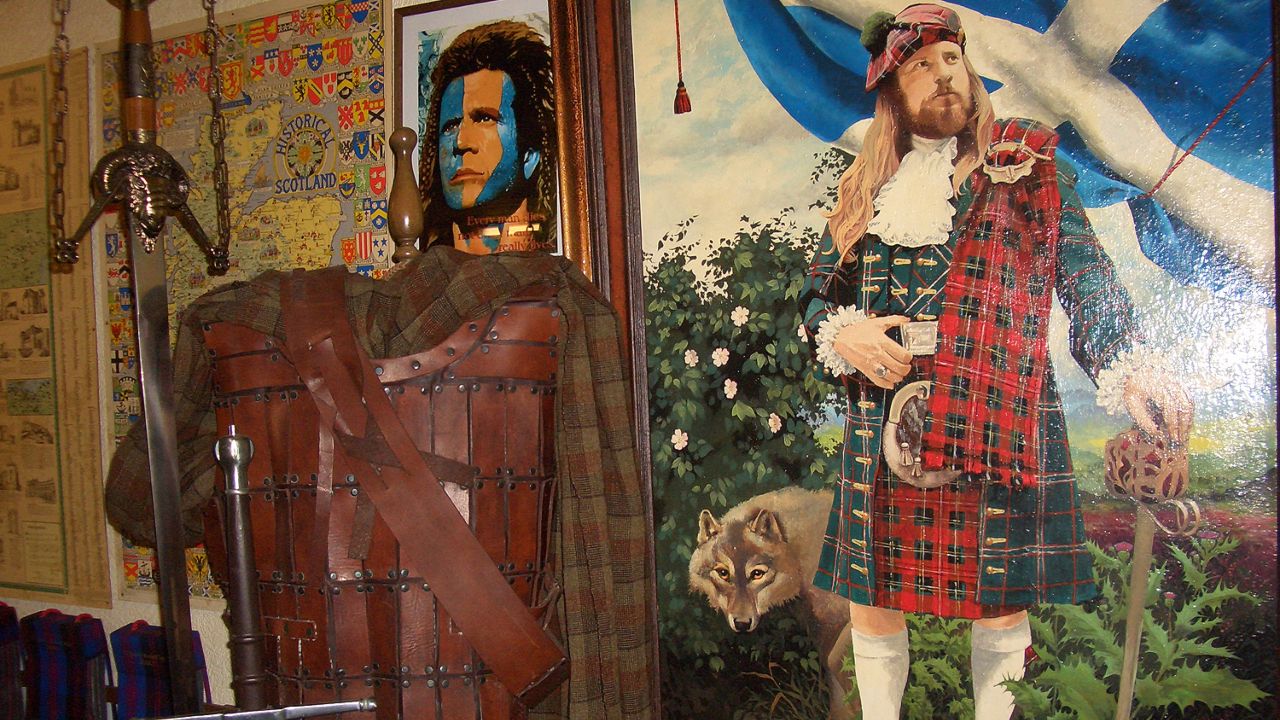
The visual aspect of sword dancing is striking. Performers typically wear traditional Highland dress:
- Kilt in clan tartan
- Ghillie brogues for agility
- Sporran and jacket for formal presentation
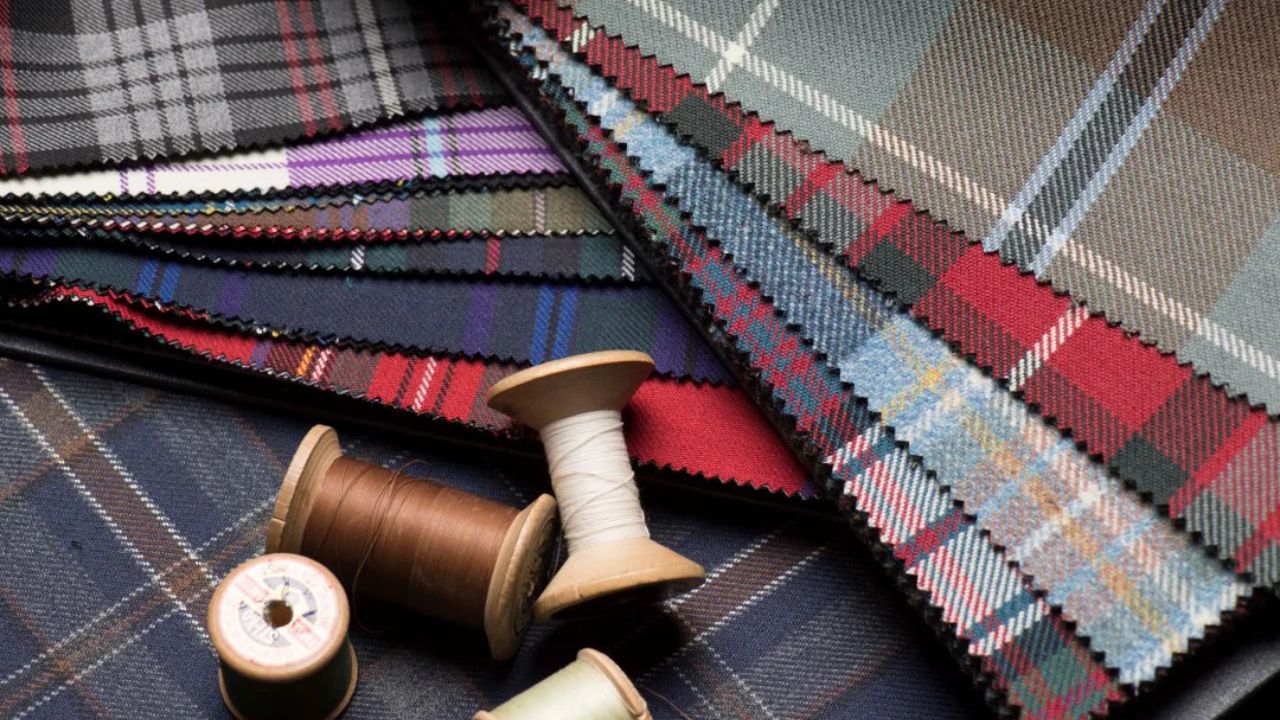
Tartan itself carries deep historical meaning tied to clan identity. Learn more here:
https://celtguide.com/what-is-tartan/
You can also explore its evolution:
https://celtguide.com/how-long-has-the-tartan-prints-been-around/
The attire is not decorative alone. It reinforces continuity between past and present.
Technique and Performance Structure

Sword dancing demands exceptional precision. The dancer must:
- Move in a circular pattern around the swords
- Step between blades without contact
- Maintain rhythm with accompanying music
Even a slight miscalculation disrupts the performance. Traditionally, such an error carried symbolic weight. Today, it affects scoring in competitions.
Music often accompanies the dance, typically played on bagpipes or fiddle. To understand the musical backdrop, see:
https://celtguide.com/fiddle-music/
Sword Dancing in Modern Scotland
Today, sword dancing thrives in both competitive and ceremonial contexts. It features prominently in:
- Highland Games
- Cultural festivals
- Formal Scottish events
Dance schools now teach standardized versions of the tradition. Judges evaluate posture, timing, and accuracy. Yet, despite this formalization, the spirit of the dance remains intact.
It continues to express identity, resilience, and historical memory.
Conclusion: A Living Tradition
Highland clan sword dancing is not a relic. It is a living tradition. It connects modern Scotland to its warrior past while adapting to contemporary cultural spaces.
Each performance tells a story. Not through words, but through movement, rhythm, and steel. In that silent dialogue, history endures.
FAQs
1. What is the Highland sword dance called?
It is commonly known as the Ghillie Callum, the most traditional form of Scottish sword dancing.
2. Why do dancers use crossed swords?
The crossed swords symbolize battle and fate. Historically, the dance predicted success in combat.
3. Is sword dancing still practiced today?
Yes, it remains popular in Highland Games and cultural festivals across Scotland.
4. What do dancers wear during performances?
They wear traditional Highland attire, including kilts made from clan tartan.
5. Is Highland sword dancing difficult to learn?
Yes, it requires precision, balance, and rhythm. Even small mistakes can disrupt the performance.