Clan Lamont History: Origins, Feuds & Legacy

Clan Lamont’s history unfolds along the rugged shores of Argyll, where land, kinship, and memory intertwine. Their story is not just a timeline of events. It reflects resilience, identity, and cultural continuity shaped over centuries.
To understand Clan Lamont, one must enter a world where Norse and Gaelic traditions merge. Their legacy stands as a powerful example of how Scottish clans evolved through conflict, adaptation, and survival.
For a broader understanding of clan structures, visit:
https://celtguide.com/how-many-scottish-clans/
Origins: Norse-Gaelic Foundations
The Lamonts descend from Lauman, a Norse name meaning “lawman.” This origin highlights the Scandinavian influence along Scotland’s western coast. During the early medieval period, Norse settlers blended with Gaelic communities.
This fusion shaped Clan Lamont’s identity. Unlike purely Gaelic clans, they carried maritime awareness and legal traditions rooted in Norse culture. Their chiefs established authority in Cowal, creating a strong regional presence.
Territory and Power in Cowal
The Cowal peninsula defined Clan Lamont’s power. Surrounded by sea lochs, it offered both protection and exposure. Geography shaped their political strategy and daily life.

The clan relied on kinship bonds and loyalty. Like other Highland clans, they valued relationships over centralized governance. Their strength came from unity and shared identity.
To explore cultural identity through clothing, visit:
https://celtguide.com/what-is-tartan/
The Campbell Conflict: A Defining Moment
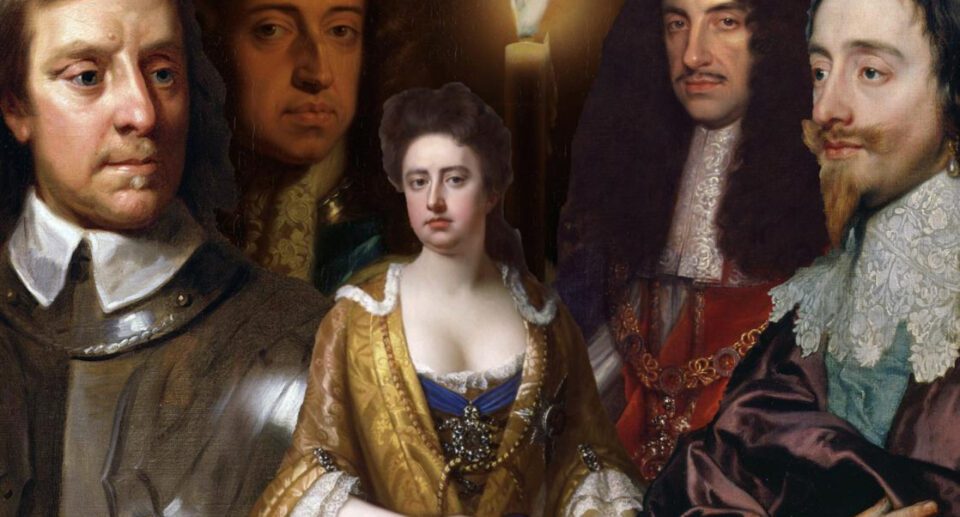
Clan Lamont’s history reached a tragic turning point during its feud with Clan Campbell. In 1646, amid the Wars of the Three Kingdoms, Lamont forces attacked Campbell lands.
The Campbells responded with overwhelming force. They captured Lamont strongholds and executed many clan members. This brutal retaliation, often called the Dunoon Massacre, reshaped the clan’s future.

This conflict reveals the volatile nature of Highland politics. Alliances shifted quickly, and survival depended on strength, strategy, and timing.
Cultural Life and Gaelic Identity
Despite hardship, Clan Lamont preserved a vibrant cultural life. Gaelic language remained central to their identity. Oral traditions carried stories, genealogies, and wisdom across generations.
Explore storytelling traditions here:
https://celtguide.com/why-are-irish-people-natural-storytellers/
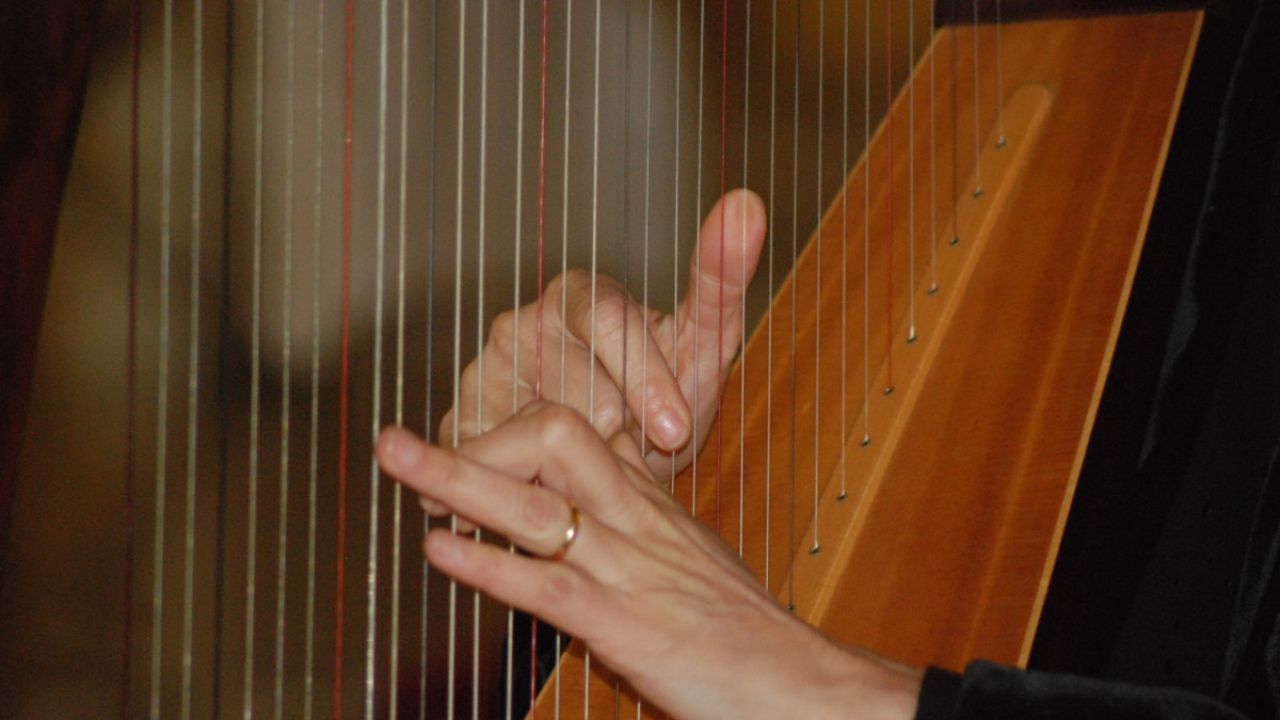
Music also played a key role in preserving memory. Traditional instruments connected communities across Celtic regions:
https://celtguide.com/the-bodhran-drum/
https://celtguide.com/what-is-a-clarsach-a-comprehensive-guide-to-the-celtic-harp/
These traditions acted as living archives of history and identity.
Decline and Diaspora
After their defeat, Clan Lamont faced decline. Many lost land and influence. Some relocated within Scotland, while others joined the global Scottish diaspora.
This movement reflects a broader Highland experience. Clans adapted to changing political and economic realities by dispersing. Yet they retained their cultural identity and heritage.
Clan Lamont Today: Revival and Identity

Today, Clan Lamont exists as a cultural community rather than a political force. Clan societies promote genealogy, heritage, and education.
Modern gatherings, especially Highland Games, allow descendants to reconnect with their roots:
https://celtguide.com/events-to-watch-in-highland-games-2025/
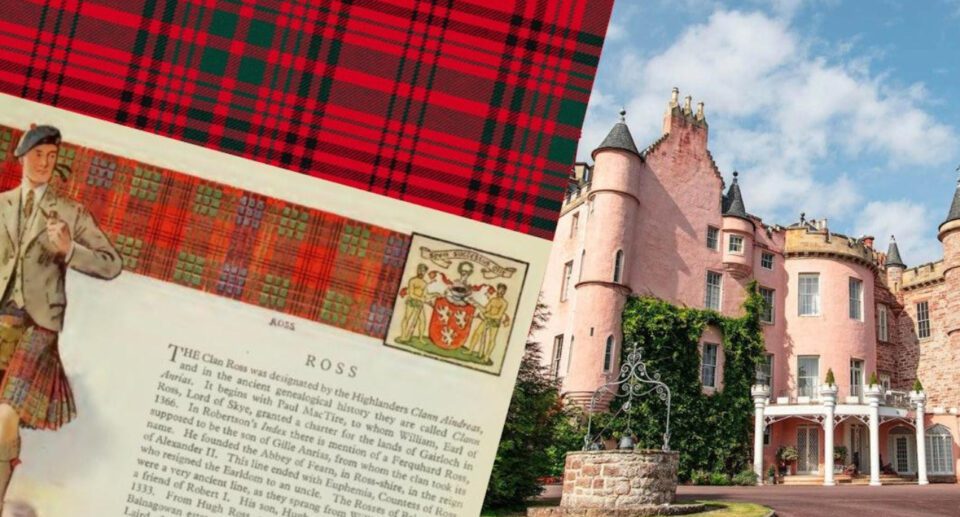
Symbols such as tartan, crest, and motto continue to represent identity. They connect the present generation with their ancestral past.
Conclusion: A Story of Endurance
Clan Lamont’s history tells a story of endurance. From Norse-Gaelic origins to modern revival, the clan adapted while preserving its identity.
Their journey shows that history is not static. It lives through people, traditions, and shared memory. Clan Lamont remains a powerful symbol of resilience within Scotland’s rich cultural heritage.
FAQs
1. Who were Clan Lamont?
Clan Lamont was a Scottish Highland clan from the Cowal peninsula in Argyll. They had Norse-Gaelic origins and played an important role in regional clan politics.
2. Where did Clan Lamont originate?
Clan Lamont originated in Cowal, a coastal region in western Scotland. Their ancestry traces back to a Norse figure named Lauman, meaning “lawman.”
3. What happened during the Lamont and Campbell conflict?
In 1646, Clan Lamont attacked Campbell lands. The Campbells retaliated harshly, leading to the Dunoon Massacre, where many Lamont members were executed.
4. What is the significance of Clan Lamont today?
Today, Clan Lamont exists as a cultural and historical community. Clan societies help preserve genealogy, traditions, and heritage through events and gatherings.
5. Did Clan Lamont have a tartan?
Yes, Clan Lamont has its own tartan pattern. Like other Scottish clans, the tartan represents identity, heritage, and connection to ancestral roots.