

Celtic Stone Carvings: A Journey Through Ancient Artistry
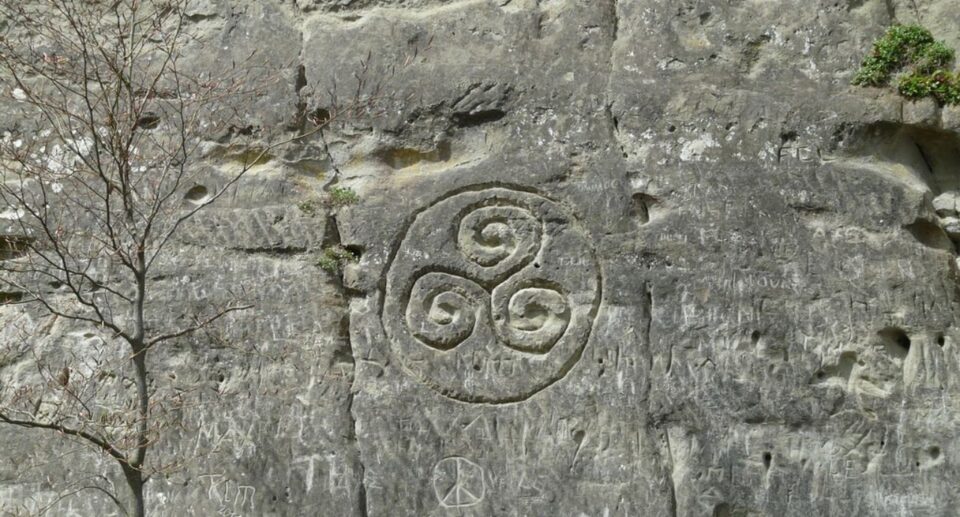
Celtic stone carvings are among the most captivating remnants of an ancient culture, showcasing a blend of artistic skill and profound symbolism. These carvings, ranging from intricate designs to monumental inscriptions, provide a window into the beliefs, traditions, and daily life of the Celtic people. This article delves deep into the history, craftsmanship, and significance of Celtic stone carvings, with a special focus on inscribed stones and their enduring legacy.
The Origins of Celtic Stone Carvings
Early Beginnings
Celtic stone carving began during the Iron Age, with early examples showcasing abstract patterns, spirals, and motifs inspired by nature. The Celts, deeply connected to their environment, used art to express spiritual beliefs and societal values.

Transition to Inscribed Stones (400-1000 AD)
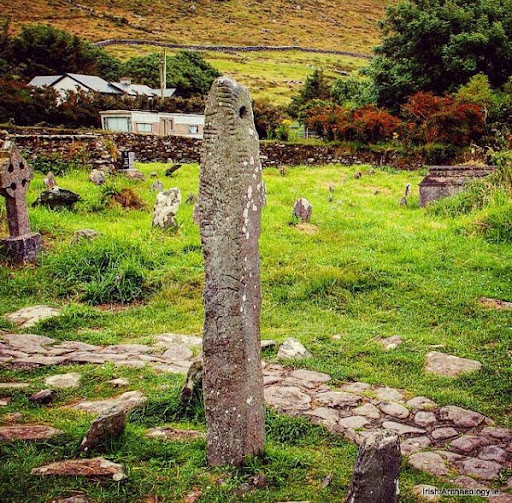
By the early medieval period, Celtic stone carvings evolved to include inscriptions. These inscribed stones, found across Ireland, Scotland, Wales, Brittany, and parts of England, often served as grave markers or memorials. Written in Ogham or Roman letters, they offer a glimpse into a transitional period influenced by both pagan and Christian traditions.

Significance of Celtic Inscribed Stones
A Marker of Identity
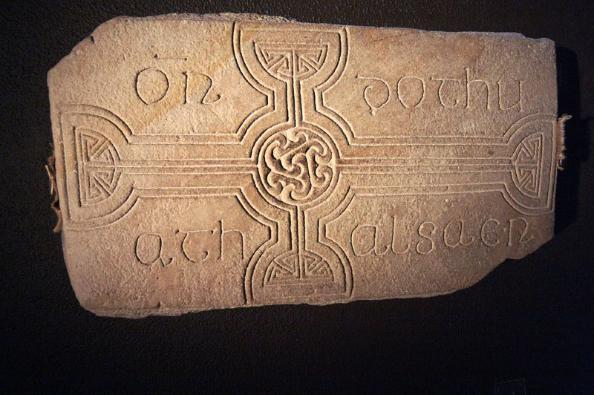
Inscribed stones were more than memorials; they were declarations of identity. The inscriptions, often bilingual (Ogham and Latin), reflect a society navigating between ancient traditions and Romanized influences.
Geographical Distribution
Celtic inscribed stones are predominantly found in:
- Ireland and Scotland: Rich in both ogham inscriptions and Pictish symbols.
- Wales and Cornwall: Home to numerous Latin-inscribed stones.
- Brittany and the Isle of Man: Displaying unique regional styles.
The Celtic Inscribed Stones Project (CISP)
Over 1,200 inscriptions have been documented, providing invaluable insights into Celtic linguistics, genealogy, and artistry. The CISP maintains an extensive online database cataloging these historical artifacts.
Famous Celtic Inscribed Stones
Ireland and Scotland
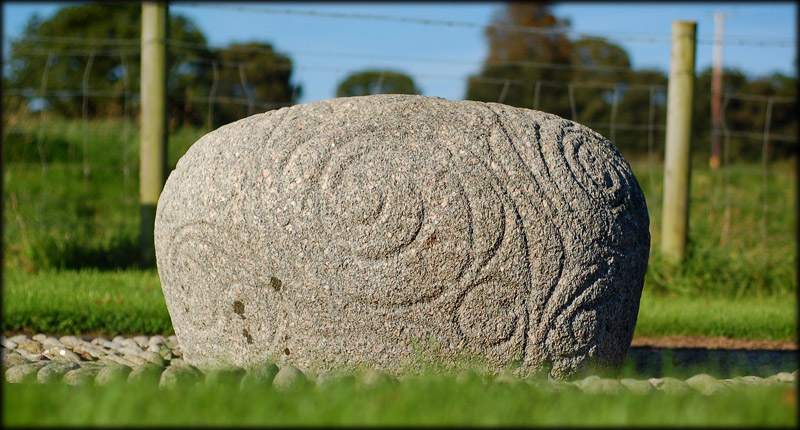
- Turoe and Castlestrange Stones: These iconic carved stones predate many inscribed stones, showcasing earlier abstract decoration.
- Pictish Stones: Featuring a mix of symbolic imagery and inscriptions, these stones are unique to Scotland and represent a distinct cultural identity.
Cornwall’s Notable Stones
- The Tristan Stone (550 AD): Found near Fowey, this stone features a Tau cross and a Latin inscription:
Drustanus hic iacit Cunomori filius (“Drustanus lies here, son of Cunomorus”). - The Mên Scryfa: An ancient megalith later inscribed with Latin text, possibly linked to Saint Selevan.
- The Ignioc Stone: Located in St Clement, this stone combines a cross with inscriptions in both Latin and ogham.
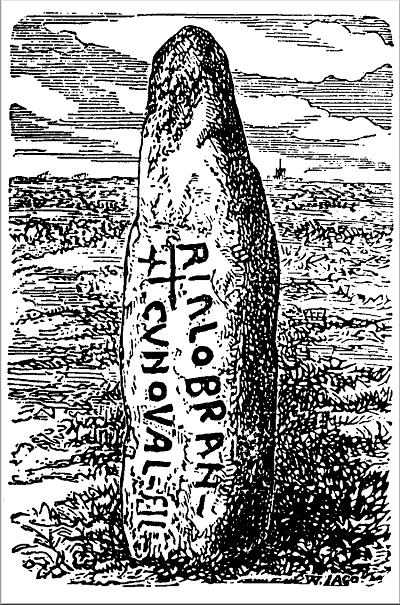
Wales: The Corbalengi Stone
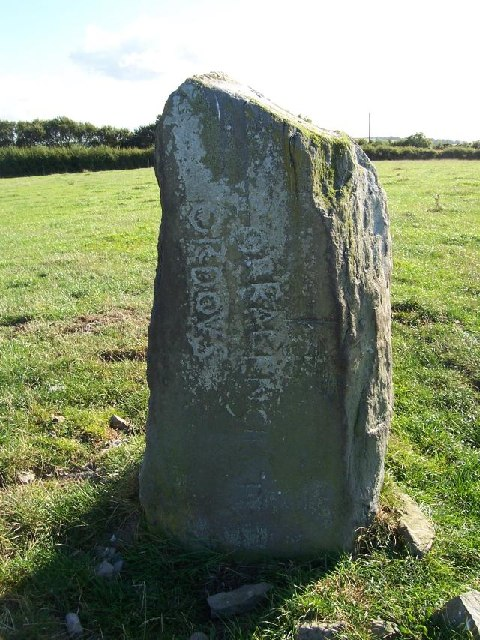
This 6th-century stone, standing near Penbryn, bears the inscription CORBALENGI IACIT ORDOVS (“Corbalengi lies here, of the Ordovices”). This artifact reflects the blending of local tribal traditions and Roman influences.
Techniques of Celtic Stone Carvers
Materials and Tools
Celtic craftsmen worked primarily with sandstone, limestone, and granite. They used iron chisels, hammers, and abrasive stones to create intricate carvings.
Methodology
The carving process involved:
- Design Planning: Sketching patterns or inscriptions onto the stone.
- Rough Carving: Removing excess material to outline the design.
- Detailing: Adding intricate patterns, inscriptions, and reliefs.
Preservation Efforts
The durability of stone ensured the survival of many carvings. However, modern preservation efforts focus on protecting these artifacts from weathering and vandalism.
Symbolism in Celtic Carvings
Spiritual and Cultural Motifs
- Spirals and Knots: Representing eternity, interconnectedness, and life’s cyclical nature.
- Animal Symbols: Stags, boars, and birds signified strength, courage, and divine connection.
- Crosses: Merging Celtic art with Christian iconography during the early medieval period.
Inscriptions as Narratives
The text on inscribed stones often commemorated individuals, reflected tribal affiliations, or conveyed spiritual messages. Examples include names, genealogies, and tribal identifiers.
Connection to Other Stone Traditions
Standing Stones and Megaliths
Celtic inscribed stones share a lineage with earlier megalithic monuments like Stonehenge and the Turoe Stone. These structures underscore the Celts’ long-standing tradition of stone art.
Runic and Roman Influences
While distinct from Norse runes, Celtic inscriptions occasionally show stylistic parallels, reflecting cultural exchanges across Europe.
Modern Legacy of Celtic Stone Carvings
Inspiring Contemporary Art
Celtic stone carvings influence modern designs in jewelry, tattoos, and architecture, keeping the tradition alive in contemporary culture.
Tourism and Education
Sites with inscribed stones, such as Cornwall’s Tristan Stone or Scotland’s Pictish stones, attract tourists and scholars, fostering a deeper appreciation of Celtic heritage.
Conclusion
Celtic stone carvings, especially the inscribed stones of 400–1000 AD, are a testament to the artistic ingenuity and cultural depth of the Celtic people. These monuments not only memorialized individuals but also captured the essence of a society at the crossroads of tradition and transformation. By studying and preserving these artifacts, we honor a legacy that continues to inspire and educate.
FAQs
- What are Celtic inscribed stones?
Celtic inscribed stones are monuments with text in Ogham or Latin, dating from 400 to 1000 AD, often serving as grave markers or memorials. - Where can Celtic inscribed stones be found?
They are located in Ireland, Scotland, Wales, Cornwall, Brittany, and parts of western England. - What tools were used to carve Celtic stones?
Iron chisels, hammers, and abrasive stones were used to create intricate carvings and inscriptions. - What is the significance of the Tristan Stone?
The Tristan Stone, near Fowey, features a Latin inscription linking it to the legend of Tristan and Isolde, showcasing both historical and mythical connections. - How are Celtic stones preserved today?
Preservation efforts focus on protecting these artifacts from weathering and vandalism, often involving careful documentation and limited exposure to the elements.
48 Comments
[…] Ireland’s crests stand out because they often draw from the same artistic spirit seen in Celtic stone carvings, which you can explore further in our detailed guide:➡️ https://celtguide.com/celtic-stone-carvings/ […]
[…] you enjoy uncovering stories hidden beneath the surface, you might also appreciate our guide on Celtic Stone Carvings, which shows how ancient artisans shaped symbols into […]
[…] belonged to; drawing on archaeology, myth, and the artistic traditions you’ll also see echoed in Celtic stone carvings and other crafted […]
[…] For a deeper understanding of early Celtic symbols carved into Scotland’s stones, explore Celtic Stone Carvings. […]
[…] If you enjoy learning about ancient Celtic structures and symbols, you might also enjoy our piece on Celtic Stone Carvings which reveals how ancestors captured memory in stone:➡️ https://celtguide.com/celtic-stone-carvings/ […]
[…] Celtic stonework supports this view, as many carvings show wolves near hunters or heroic figures. For more insight into these artistic expressions, you can explore our guide on Celtic stone carvings. […]
[…] For a deeper exploration of Celtic artistry, see our guide on Celtic stone carvings. […]
[…] like the intricate patterns of Celtic stone carvings, each pendant tells a story. The combination of form and symbolism allows the Celtic cross to […]
[…] readers who enjoy exploring old Celtic crafts, you might also love our piece on Celtic Stone Carvings, where precision and symbolism shape ancient […]
[…] or brooches. Many symbols come from ancient Celtic imagery. You can see similar motifs in early Celtic stone carvings, which shaped the Scottish visual […]
[…] strongholds, standing stones, and carved markers similar to those explored in our feature on Celtic Stone Carvings. This gives his story an archaeological echo that keeps the legend […]
[…] This craft tradition connects with other Scottish material arts, where function and symbolism meet. You can also explore broader craft heritage in https://celtguide.com/celtic-stone-carvings/. […]
[…] domestic craft culture mirrors other forms of material heritage, such as stonework discussed in Celtic Stone Carvings. The fire allowed tradition to live through practice, not […]
[…] This threefold structure aligns with a broader Celtic pattern. You see it in triple spirals, triads in poetry, and repeated motifs in sacred art. For visual parallels, explore Celtic Stone Carvings. […]
[…] These motifs echo symbolic thinking found in later Celtic traditions. Ancient stone carvings also use abstraction to convey meaning beyond surface appearance (https://celtguide.com/celtic-stone-carvings/). […]
[…] For readers interested in how symbolism works elsewhere in Celtic culture, the story of carved stones offers a powerful parallel:https://celtguide.com/celtic-stone-carvings/ […]
[…] Celtic smiths did not rush their work. They forged blades slowly, layer by layer, allowing strength and elegance to coexist. Many swords show curved lines, spirals, and knotwork , motifs also visible in stone carvings and religious art. You can see similar design philosophy reflected here:➡️ Celtic Stone Carvings […]
[…] the Celts told stories in art. You can explore that further in our guide on Celtic stone carvings (https://celtguide.com/celtic-stone-carvings/). Those carvings laid the foundation for the spiral designs we wear […]
[…] think about other expressions of Celtic art and space. The spiral carvings discussed in our post on Celtic Stone Carvings echo the same fascination with cycles, continuity, and […]
[…] story parallels themes in Celtic craftsmanship, such as Celtic stone carvings, where animals, trees, and deities […]
[…] more insight into Celtic symbolism, see Celtic stone carvings and Celtic Oak […]
[…] Ancient Celtic stone symbols often echo this belief in cycles and continuity, as discussed in Celtic Stone Carvings. […]
[…] This visual storytelling aligns with the broader Celtic tradition of meaning embedded in image and place, a theme explored in Celtic Stone Carvings. […]
[…] Archaeologists link the site to ceremonial use rather than settlement. The stones align with lunar and solar cycles, suggesting a sophisticated understanding of time and cosmos. These builders shaped stone with intention, much like the artisans discussed in Celtic Stone Carvings. […]
[…] fluid movement echoes the adaptability seen in traditional Celtic arts, from Celtic stone carvings to folk music rhythms. The sport rewards awareness, not just […]
[…] material culture often embeds meaning into form, much like the symbolism found in Celtic stone carvings across the […]
[…] broader Celtic habit of carving meaning into stone and earth. Similar symbolic thinking appears in Celtic stone carvings, where myth and environment speak […]
[…] Sacred landscapes, stone symbols, and ritual sites reinforce this worldview, as discussed in Celtic stone carvings. The Fisher King’s kingdom becomes a living lesson rather than a […]
[…] reverence through sacred groves and carved symbols. These ideas align closely with motifs found in Celtic stone carvings, where plants often signify cosmic […]
[…] Embroidery speaks a quiet but powerful language. Unlike printed designs, stitched symbols show time, skill, and intention. This care echoes older Celtic art forms carved in stone, which you can explore in Celtic Stone Carvings. […]
[…] By the 13th century, stone keeps and curtain walls dominated. Builders used local materials, which explains why castles blend so seamlessly into their surroundings. This same respect for natural material echoes in Celtic stone art traditions (Celtic Stone Carvings). […]
[…] For more on Celtic artifacts, see our guide on Celtic stone carvings. […]
[…] This artistic approach reflected Celtic beliefs about cycles, transformation, and continuity. Nature influenced every motif. You can still trace this visual logic in later sacred traditions discussed in Celtic stone carvings. […]
[…] Unlike many European war dances, Scottish sword dancing avoided dramatic combat gestures. The dancer demonstrated mastery over space, not aggression. This symbolic restraint echoes broader Celtic traditions, similar to the meaning-driven designs found in Celtic stone carvings. […]
[…] items prepared the soul for the next phase of existence. The symbolism mirrors patterns found in Celtic stone carvings, where form carries layered […]
[…] outlook connects with older Celtic belief systems visible in Celtic stone carvings. Symbols, rather than texts, carried authority. A curse worked because people believed the land […]
[…] sees this worldview reflected in sacred sites and carvings, as discussed in Celtic Stone Carvings (https://celtguide.com/celtic-stone-carvings/). Stone never appeared inert. It possessed […]
[…] you have explored our reflections on Celtic Stone Carvings, you will already recognize how deeply spiral motifs shape early Irish and Scottish art. The Triple […]
[…] attention to detail reflects a wider Celtic aesthetic seen in Celtic Stone Carvings (https://celtguide.com/celtic-stone-carvings/). Craft does not tolerate carelessness. It encodes […]
[…] early examples in https://celtguide.com/celtic-stone-carvings/. There you will notice how foliate forms frame crosses and biblical scenes. The plant world […]
[…] For a deeper examination, see Celtic Stone Carvings:https://celtguide.com/celtic-stone-carvings/ […]
[…] carvings, illuminated texts, and ritual objects. If you explore our guide on Celtic stone carvings (https://celtguide.com/celtic-stone-carvings/), you will notice how often spiral motifs recur. The Triskele is not decoration alone. It expresses […]
[…] understand the broader sculptural context, explore https://celtguide.com/celtic-stone-carvings/. These carvings demonstrate how interlacing moved from parchment to permanent […]
[…] The connection between folklore and stone structures echoes wider Celtic symbolism. Our article on Celtic stone carvings explores how early communities infused landscape with sacred meaning:https://celtguide.com/celtic-stone-carvings/ […]
[…] understand this connection further, explore how stone shaped Celtic identity in https://celtguide.com/celtic-stone-carvings/. The same respect for natural material appears in both carving and […]
[…] findings suggest that wicker techniques developed alongside other Celtic crafts, such as Celtic stone carvings. Both reflect a society deeply connected to natural forms and […]
[…] Celtic motifs; interlacing patterns, symbolic animals, and sacred geometry appeared in manuscripts and stone carvings. You can explore similar artistic traditions in this guide to Celtic Stone Carving. […]
[…] simplicity reflects a broader Celtic aesthetic also seen in artifacts likehttps://celtguide.com/celtic-stone-carvings/.Practicality and symbolism often […]