Fiddle Music: The Soul of Celtic Celebrations and Laments
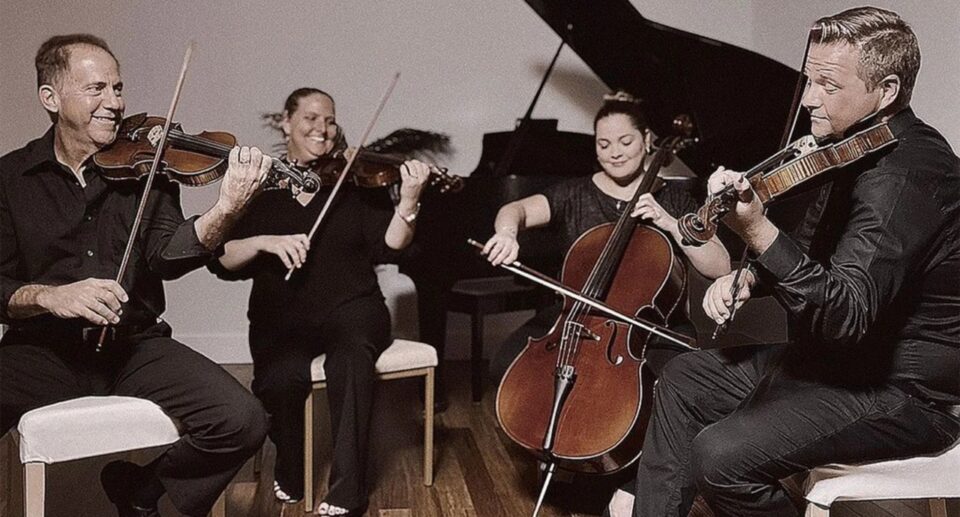
For Irish and Scottish communities, fiddle music isn’t mere entertainment—it’s a heartbeat, weaving through weddings, wakes, festivals, and fireside gatherings. As a lad raised between Glasgow pubs and Donegal kitchens, I learned early that a fiddle could laugh, weep, and resurrect memories with a single bow stroke. Its sound embodies the Celtic spirit: resilient, communal, and drenched in story.
Roots in Ritual: From Wakes to Weddings
In traditional Irish wake traditions, the fiddle played a vital role—especially in the “American wake” (pre-emigration farewells) and funeral vigils. As mourners shifted from keening to celebration, fiddlers struck up reels like “The Wind That Shakes the Barley” or “Danny Boy” (itself adapted from Londonderry Air). This wasn’t disrespect; it was defiance. “We grieve with tears, then dance to spite death,” my Ulster grandfather would say.
In Scotland, fiddle music anchored the céilidh (social gathering), where tunes like “Farewell to Whisky” or “The Flowers of Edinburgh” accompanied storytelling. At wakes, slow airs (port-a-beul) mirrored the bean chaointe’s laments, while spirited strathspeys honored the dead’s vitality.
Regional Styles: A Fiddle for Every Valley
Ireland’s West Coast (Sligo/Donegal):
Brisk, ornamented bowing. Think Michael Coleman—his recordings in 1920s New York preserved reels like “The Tarbolton” for generations.
Scottish Highlands:
Raw, rhythmic, “dirt under the nails” style. Aly Bain’s Shetland phrasing bends notes like wind over cliffs.
Scottish Lowlands & Borders:
Lyrical and haunting. Tunes like “Hector the Hero” (written for a soldier’s funeral) still break hearts.
The Instruments: Craft and Symbolism
Fiddles themselves held lore:
- Wood: Maple backs for warmth, spruce tops for brightness.
- Strings: Gut strings (pre-1950s) gave a softer, vocal-like cry—fitting for airs played at wakes.
- Bows: Horsehair, often from stallions (“for strength”).
Read more from: Music & Dance
Superstitions abounded:
- Never play “The Fairy Reel” indoors (invites mischief).
- A fiddle buried with its owner? Rare, but some believed it ensured music in the afterlife.
Listen to the following clip on your own risk. (wink)
Survival & Revival: Famine, Emigration, and Resilience
The Great Famine (1845–1852) nearly silenced Irish fiddle traditions. Yet émigrés carried tunes to Appalachia, Newfoundland, and cities like Chicago—where Elizabeth Cotten’s “Shake Sugaree” echoes Irish modal scales.
In Scotland, the 1746 Dress Ban (post-Culloden) suppressed Gaelic culture—but fiddlers kept traditions alive in secret ceilidh houses. Today, artists like Natalie MacMaster (Cape Breton) and Martin Hayes (Clare) fuse ancient techniques with modern innovation.
A Personal Note: The Fiddle as Time Machine
I recall my great-uncle Seamus in County Kerry, playing “The Parting Glass” as dusk fell. “This tune saw famines, wars, and a thousand wakes,” he’d murmur. “It remembers when we forget.” When he passed, six fiddlers played at his wake—tears on their cheeks, bows fierce and bright. The music didn’t soften the loss; it made it sacred.
Why Fiddle Music Endures
It’s raw humanity. No sheet music needed—just callused hands, collective memory, and the courage to play joy through sorrow. As the Scots say:
“Thig crioch air an t-saoghal, ach mairidh gaol is ceòl”
(“The world will end, but love and music endure”).