Celtic Guardian Spirits of the Land: Keepers of Place and Memory
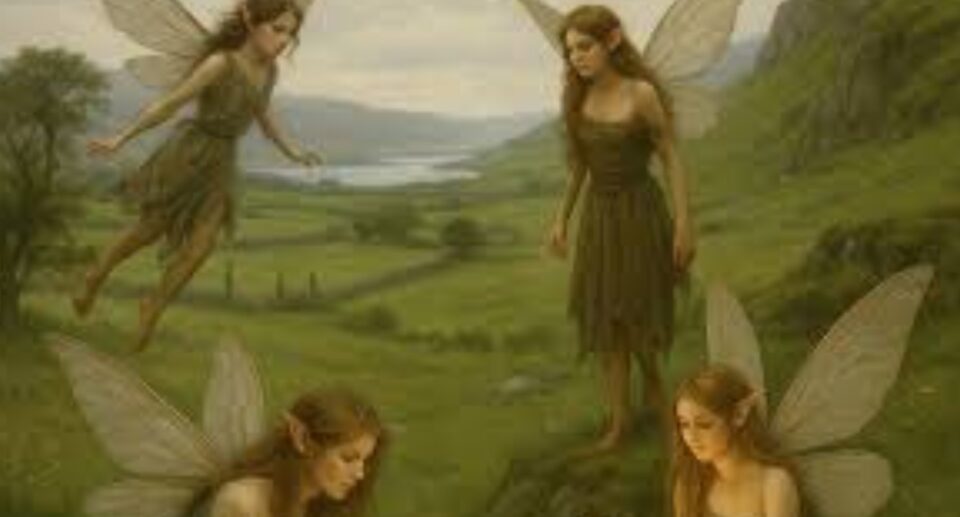
In the Celtic worldview, land was never empty. Hills watched. Rivers listened. Forests remembered. People believed that unseen guardian spirits lived within the landscape, shaping both fate and belonging.
These spirits did not rule from distant heavens. They lived close to stone, soil, and water. To understand Celtic culture, one must first understand these guardians of place.
What Are Celtic Guardian Spirits?
Celtic guardian spirits represent protective forces bound to specific landscapes. Unlike universal gods, these beings guarded particular hills, rivers, valleys, and settlements. Their power flowed from place, not abstraction.
Communities honored them through ritual, story, and respect for boundaries. This deep attachment to place explains why Celtic mythology feels intensely local and personal, a theme also explored in Why Are Irish People Natural Storytellers?.
Land, Spirit, and Sovereignty
In Celtic belief, the right to rule depended on harmony with the land’s guardian spirit. Kingship required spiritual consent. If rulers broke sacred laws, the land withdrew its blessing through famine or disorder.
Sites such as The Hill of Tara reflect this bond between land spirit and authority. The guardian did not merely protect territory. It enforced moral balance.
This relationship framed land as a living presence rather than a possession.
Common Forms of Guardian Spirits
Celtic guardian spirits appeared in many forms. Some took human shapes. Others remained unseen but deeply felt.
Fair folk, ancestral spirits, and nature beings often acted as guardians. Stories of selkies, for example, show how sea and shore demanded respect, as discussed in Selkies in Folklore.
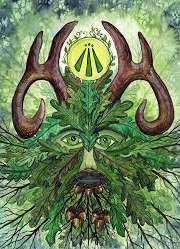
Forests carried their own protectors, often linked to sacred trees like the oak. The oak’s spiritual role is explored further in The Celtic Oak Tree.
Sacred Waters and Watchful Spirits
Rivers, wells, and lakes held powerful guardians. Water connected worlds. It healed, warned, and revealed truth.
Holy wells became meeting points between human need and spiritual care. Offerings acknowledged the guardian’s presence and power. You can explore this tradition more deeply in Irish Holy Wells.
Even today, many wells remain places of quiet reverence rather than spectacle.
Stone, Carving, and Protection
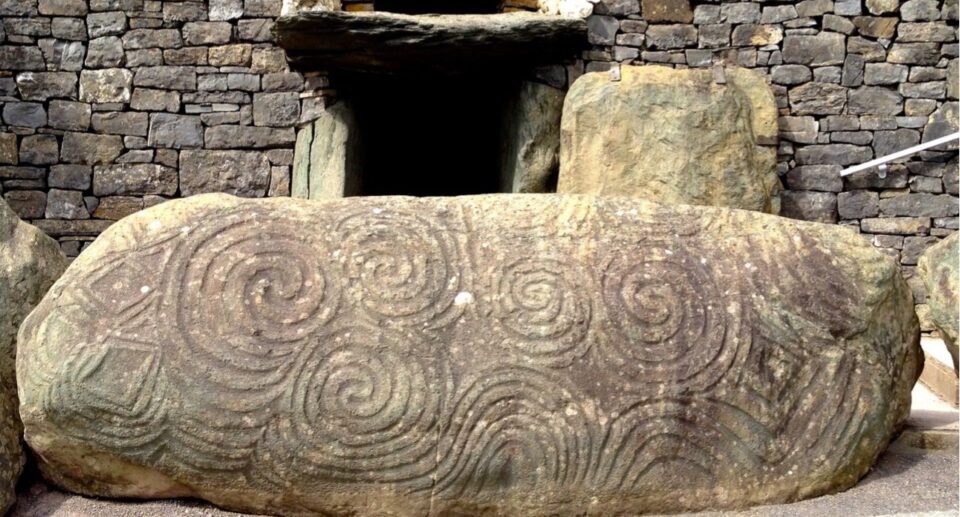
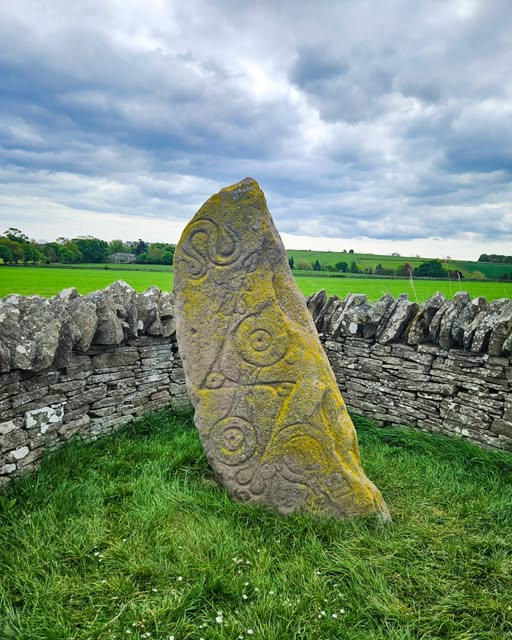
Stone marked permanence. Standing stones and carvings often signaled guarded territory. They acted as boundaries between worlds.
Carved symbols did more than decorate. They invoked protection. The enduring presence of these motifs appears in Celtic Stone Carvings.
Such markers remind us that the land itself participated in spiritual life.
Guardian Spirits in Daily Life
People acknowledged guardian spirits through daily actions. They avoided disturbing certain trees and spoke carefully near sacred hills. They left offerings before harvest.
This respect shaped social behavior and ethics. Land abuse was not only practical folly. It was spiritual offense.
These values echo through rural traditions, including those described in A Crofter’s Journey Through Time.
Survival of the Belief in Modern Culture
Although Christianity reshaped spiritual language, guardian spirits never fully disappeared. Saints often replaced older protectors, yet the land’s sacred quality remained.
Modern Irish and Scottish folklore still carries this awareness. Many people speak of “good places” and “thin places” without fully naming why.
This quiet continuity speaks to the strength of land-based belief.
Why Celtic Guardian Spirits Still Matter
Celtic guardian spirits teach responsibility. They remind us that land responds to care and neglect alike. The ancient Celts understood something modern societies often forget: place remembers.
To walk respectfully through a landscape is to acknowledge its guardians, seen or unseen.
That lesson remains as relevant now as it was centuries ago.