The Hill of Tara: Ireland’s Ancient Seat of Kings and Myths

Rising gently from the rolling green fields of County Meath, the Hill of Tara is more than a landscape—it’s a portal to Ireland’s mystical past. For over 5,000 years, this hallowed ground has been a political powerhouse, a spiritual sanctuary, and the backdrop for tales of gods, warriors, and kings. Let’s unravel the secrets of this legendary site, answering the burning questions every history lover asks.
What is the Hill of Tara?
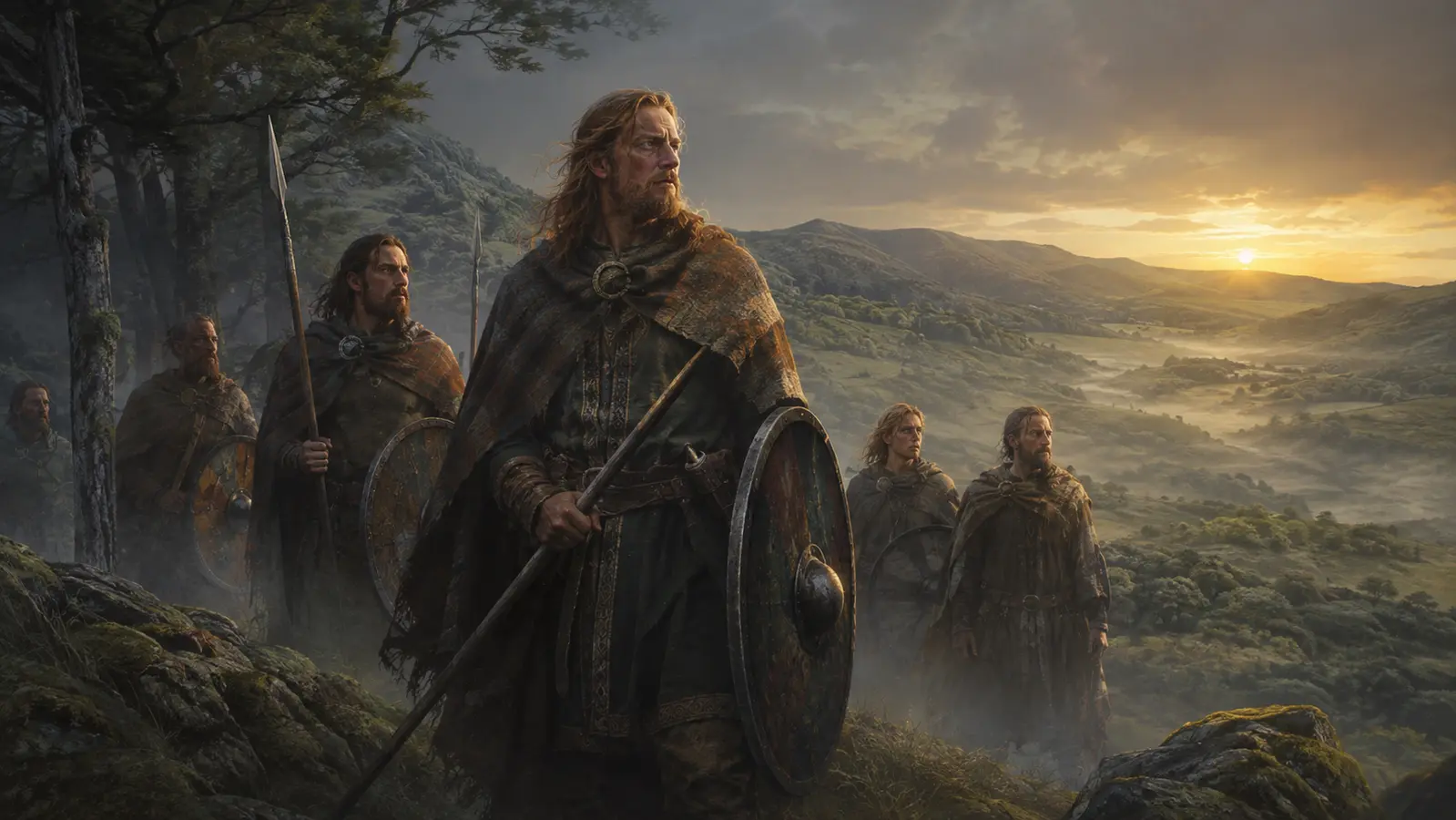
The Hill of Tara (Teamhair na Rí in Gaelic) is one of Ireland’s most sacred archaeological complexes. Known as the traditional seat of the High Kings of Ireland, it served as a ceremonial and political hub where rulers were crowned, laws were made, and festivals ignited the landscape. But Tara isn’t just about power—it’s steeped in myth. Ancient texts claim it was the dwelling place of the god-like Tuatha Dé Danann, while Christian lore ties it to St. Patrick, who allegedly confronted pagan traditions here.
How Old is the Hill of Tara?
Tara’s story spans millennia:
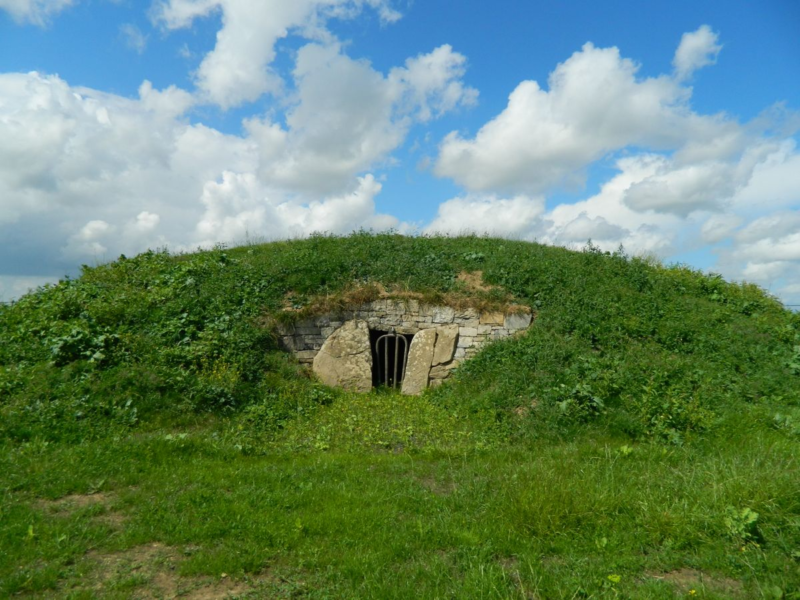
- Neolithic Era (c. 3000 BCE): The oldest monument, the Mound of the Hostages, is a passage tomb built 5,000 years ago, aligning with the sunrise on Samhain (Halloween) and Imbolc.
- Bronze/Iron Age (c. 500 BCE–400 CE): Earthworks like the Royal Enclosure and Rath na Ríogh (Fort of the Kings) date to this era, when Tara became the High Kings’ coronation site.
- Medieval Period: Tara’s symbolic role endured in Irish lore, even as its political power waned after the 6th century.
In short? Tara has whispered Ireland’s history for over 5,000 years.
What Did the Hill of Tara Look Like?
Imagine a hilltop buzzing with activity:
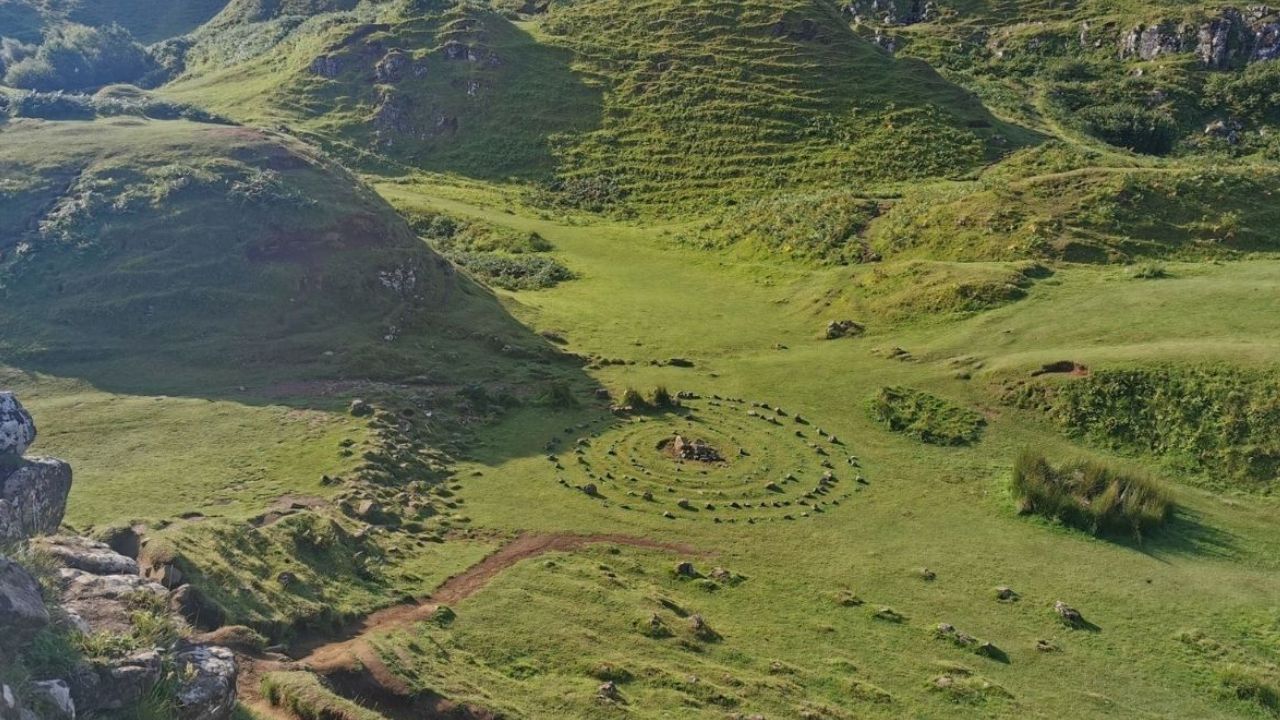
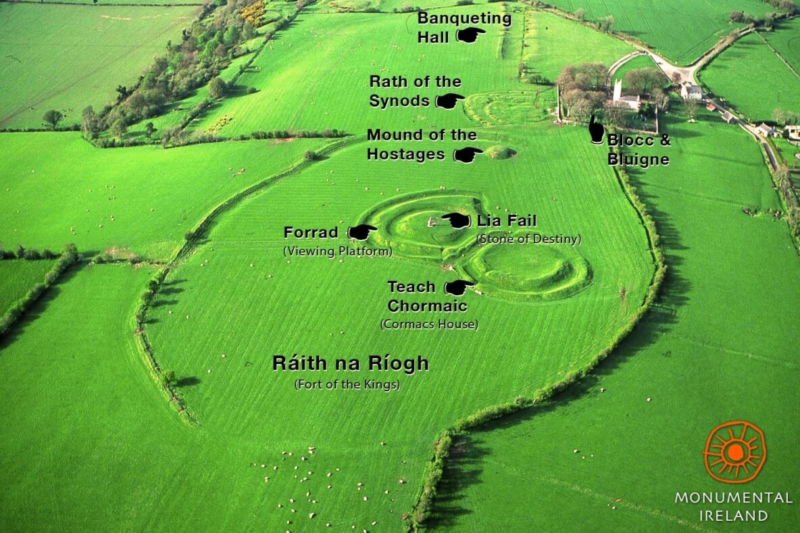
- Earthworks & Enclosures: Massive circular ditches and banks, like the Rath of the Synods and Cormac’s House, marked ceremonial spaces. Wooden halls once hosted feasts and assemblies.
- Sacred Stones: The Lia Fáil (Stone of Destiny) stood here—a phallic stone said to roar when touched by the rightful king.
- Spiritual Landmarks: A medieval church and graveyard hint at Tara’s later Christian ties.
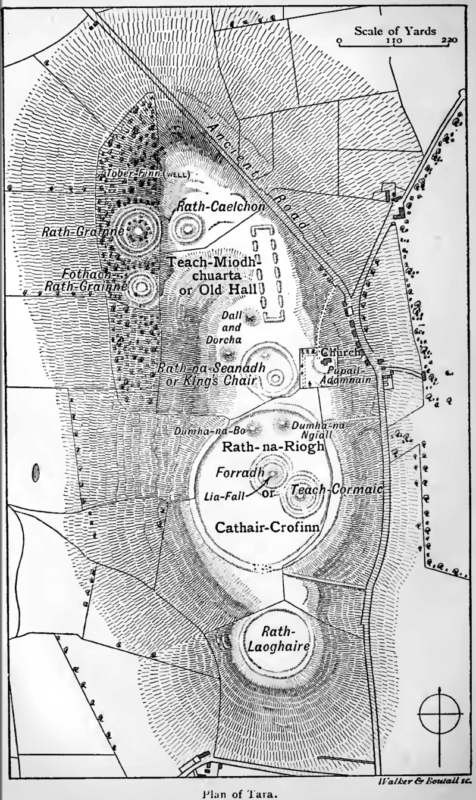
Though erosion and farming softened its edges, the outlines of ancient power remain etched into the land.
Where is the Hill of Tara?
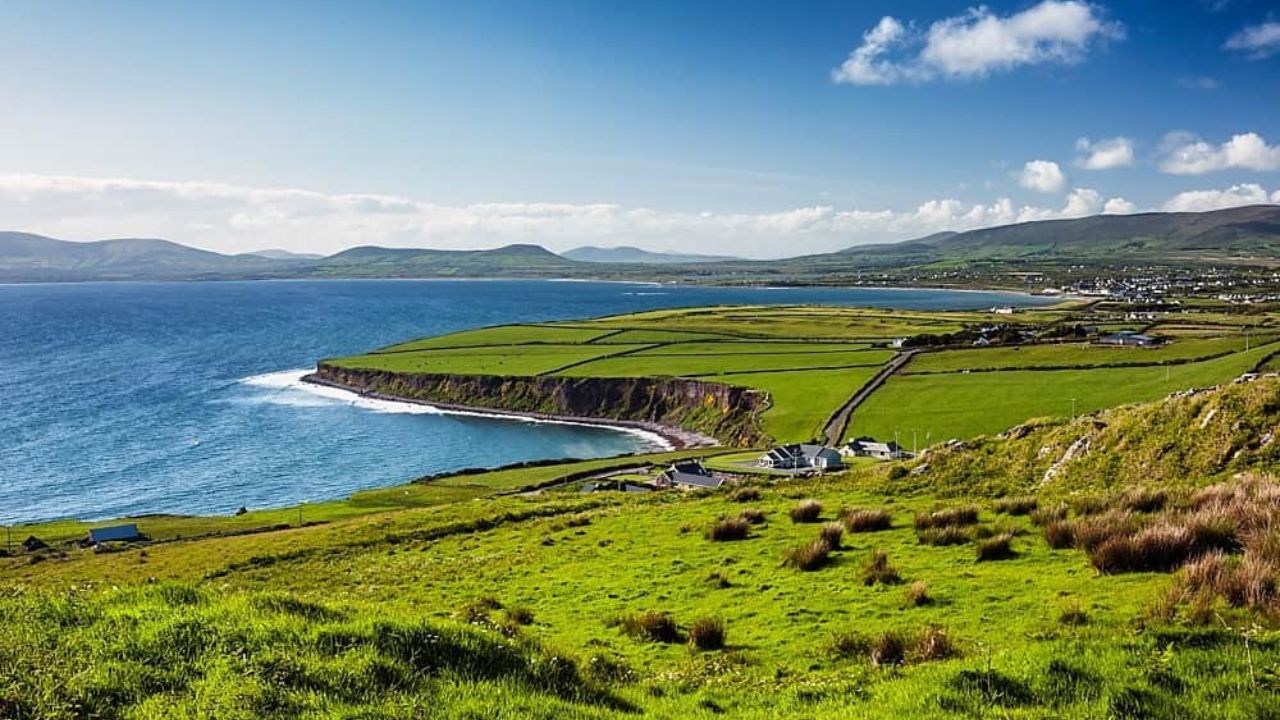
The Hill of Tara lies in County Meath, part of Ireland’s fertile Boyne Valley—a region dubbed “the cradle of Irish civilization.” Just 30 miles northwest of Dublin, it’s an easy day trip from the capital.
Exact Location:
- Coordinates: 53.5786° N, 6.6119° W
- Nearby Town: Navan (7 miles northeast)
- Landmarks: Close to Newgrange and the Battle of the Boyne site.
Where is the Hill of Tara in Ireland?
To find Tara in Ireland, picture the island’s east coast. Nestled between Dublin and the heritage-rich Boyne Valley, it’s part of Ireland’s Ancient East trail. Follow the N3 road from Dublin, and you’ll reach the site in under an hour—a journey from modernity to myth in mere miles.
Why the Hill of Tara Still Captivates
Beyond its ancient stones, Tara pulses with intangible magic:
- Myth & Mystery: Legends claim it’s the entrance to the Otherworld, guarded by fairy folk.
- Resistance & Revival: In 1843, Tara hosted a 750,000-strong rally against British rule, proving its symbolic might never faded.
- UNESCO Status: Though not yet a World Heritage Site, it’s protected as a National Monument, with ongoing preservation efforts.
Visiting the Hill of Tara: Tips for Modern Explorers
- Entry: Free and open year-round. Start at the Visitor Center for context.
- Guided Tours: Local guides bring the ruins to life with tales of kings and curses.
- Sunrise/Sunset: Visit during Samhain (October 31) or Imbolc (February 1) to see the Mound of the Hostages align with the sun.
FAQs: Quickfire Tara Truths
Q: Was Tara really the High Kings’ home?
A: Likely a ceremonial site—kings didn’t live here full-time but came for rituals.
Q: Can you see the Lia Fáil today?
A: A replica stands on Tara; the original may be at the nearby Hill of Tara (or in pieces—debates rage!).
Q: Is Tara haunted?
A: Locals swear it. Night visitors report ghostly chariots and whispers in Old Irish.