Gaelic Cattle Raiding Songs: War, Wealth, and Word
Gaelic cattle raiding songs capture a world where wealth moved on four legs and honor rode beside it. These songs do not merely narrate theft. They stage bravery, rivalry, satire, and memory. They transform conflict into poetry.
In early Irish and Scottish Gaelic society, cattle defined status. A prosperous household measured success in herds. A rival clan might test strength through a raid. The event sparked verse, and the verse endured long after the hooves faded from the glen.
For readers exploring the wider traditions of oral heritage in the CeltGuide blog, cattle raiding songs offer a vivid entry point into Gaelic social life.
The Epic Foundation: Táin and Heroic Memory
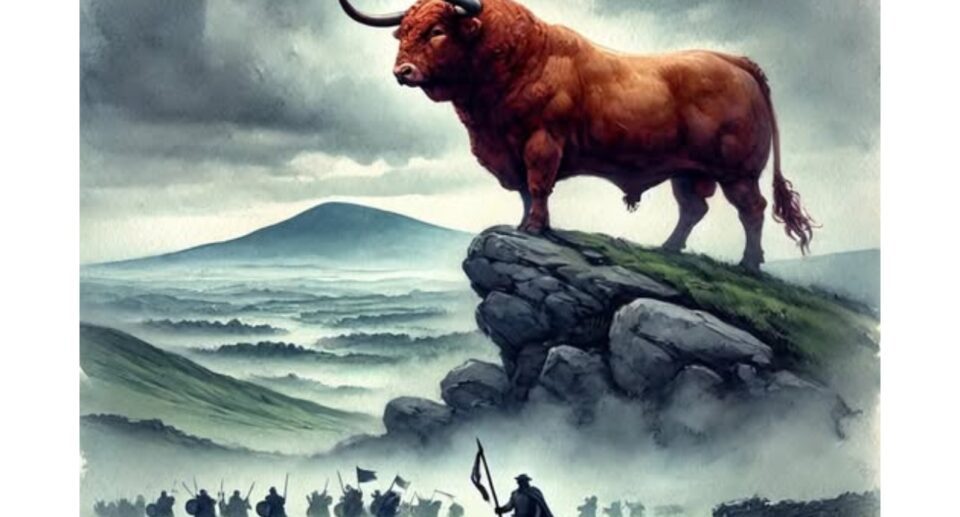
No discussion of cattle raiding songs can ignore the great Irish epic, Táin Bó Cúailnge. This tale, often called the Cattle Raid of Cooley, shaped centuries of Gaelic storytelling. It centres on Queen Medb’s campaign to seize the Brown Bull of Cooley.
The narrative links to the sacred landscape of the Hill of Tara, seat of ancient Irish kingship. The epic blends political ambition with supernatural force. Heroes clash, poets comment, and cattle stand at the heart of power.
Songs inspired by this tradition often highlight courage and cunning. They also celebrate sharp wit. As we explore in Why Are Irish People Natural Storytellers?, Gaelic culture prizes verbal skill. Cattle raiding songs demonstrate that skill in action.
Clan Society and the Music of Rivalry
In Scotland, clan identity shaped cattle raiding narratives. The Highlands fostered strong kinship bonds. When a raid occurred, poets preserved the memory in song. They praised their own chief and mocked their enemies.
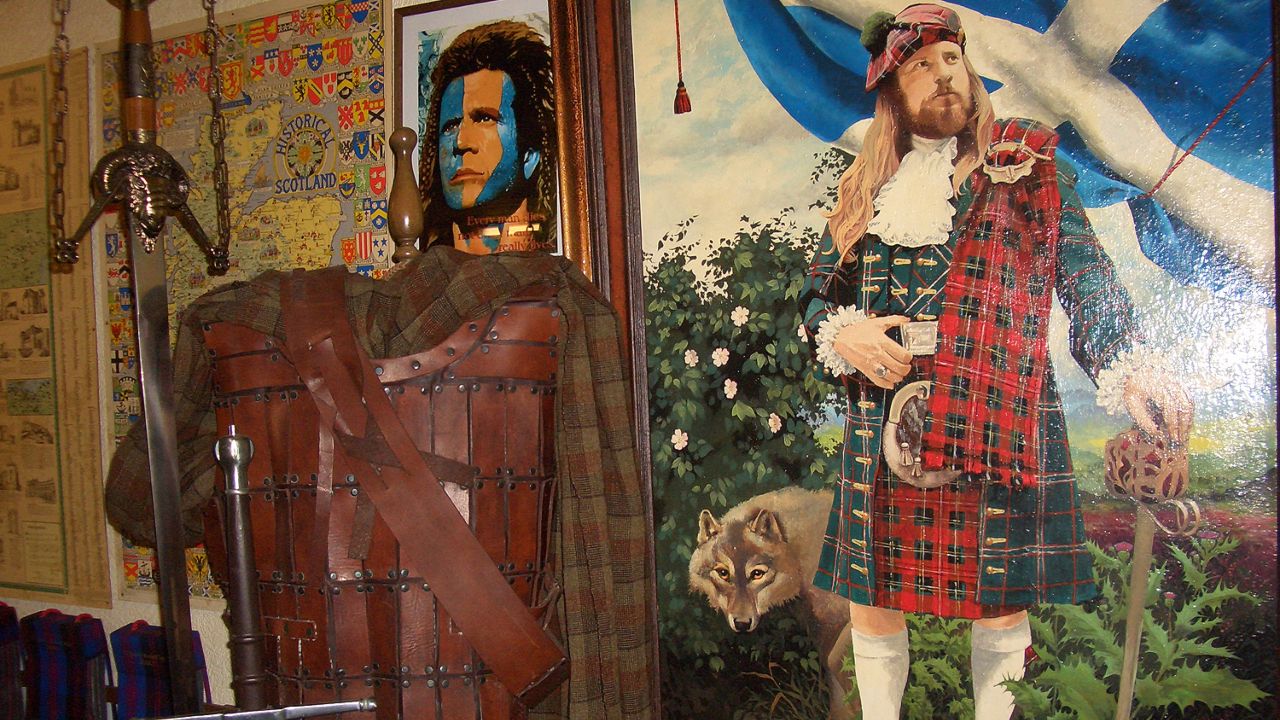
For context on clan structure, see our guide to how many Scottish clans. Clan loyalty informed every verse. The singer aligned clearly with their kin.
These songs rarely present simple violence. They dramatise tension, honour codes, and strategic brilliance. They also reveal humour. Satirical verses sometimes ridiculed a failed raid more sharply than any weapon.
Instruments and Performance Context
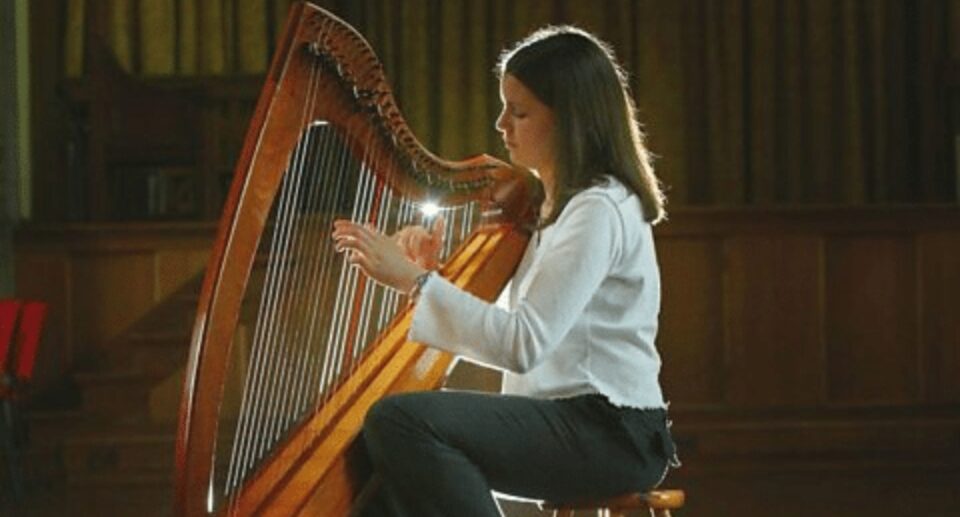
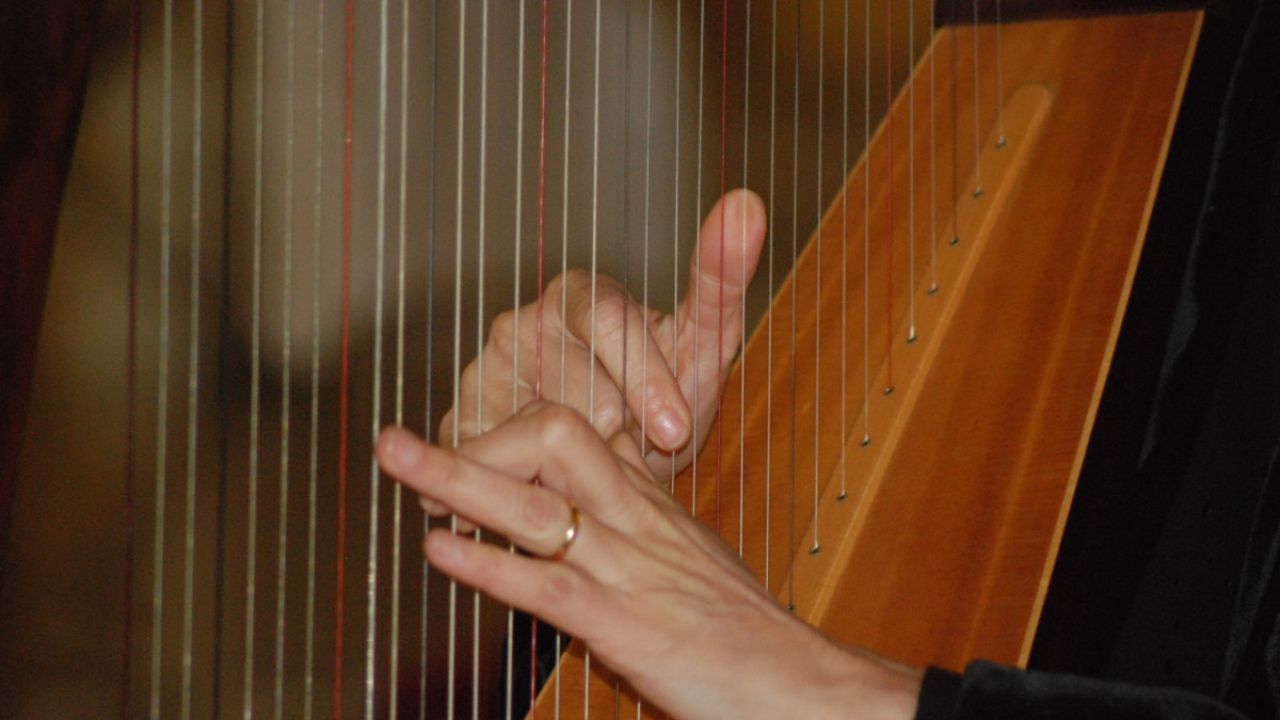
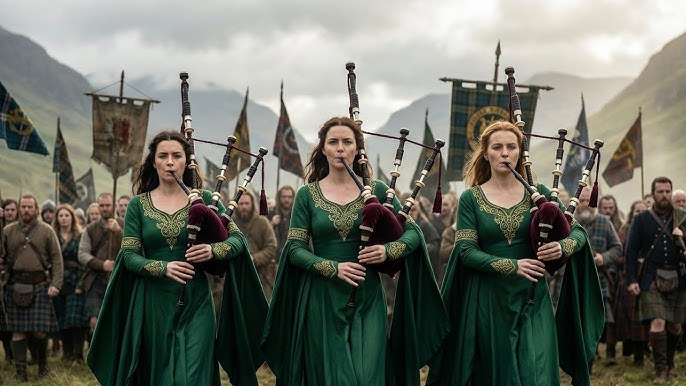
Gaelic cattle raiding songs flourished in oral performance. A bard might accompany the verse with harp or drum. The clarsach, discussed in our article on what is a clarsach?, lent solemn resonance to heroic themes.
Rhythmic support often came from the bodhrán, as described in the bodhrán drum. Its pulse echoed hoofbeats and marching feet.
Later, fiddles enriched the soundscape. Our reflection on fiddle music shows how melody carried emotion across gatherings. Through music, cattle raiding stories reached audiences who may never have seen a battlefield.
Céilí bands still revive older ballads, connecting communal dance to ancestral memory. You can explore that tradition further in our piece on céilí bands.
Mythic Layers and Supernatural Echoes
Gaelic cattle raiding songs sometimes cross into myth. The heroic world overlaps with divine symbolism. Consider the cultural memory of deities such as Lugh, explored in our study of the Celtic sun god Lugh. Strength, skill, and radiance shape the ideal warrior image.
Folklore also colours these songs. Landscapes associated with mystery, such as the Legend of the Fairy Glen or tales of selkies in folklore, remind us that Gaelic imagination refuses strict boundaries between history and myth.
Even objects such as the Cauldron of Dagda symbolise abundance. In a society where cattle signified prosperity, myth reinforced material reality.
Social Memory and Agricultural Reality
Cattle raiding songs also reveal economic truth. Rural communities depended heavily on livestock. Our exploration of A Crofter’s Journey Through Time traces how agricultural life shaped Highland identity. Raids threatened survival. Songs responded with defiance or lament.
Later historical trauma, such as the period discussed in The Influence of the Irish Potato Famine, shifted the cultural landscape. Yet older raiding ballads preserved a memory of resilience. They reminded communities of strength in adversity.
These songs connect deeply with language. Gaelic proverbs, highlighted in Gaelic Irish Proverbs, often celebrate courage and clever speech. Cattle raiding songs amplify those values in extended poetic form.
Sounding the Echo of Ancestors
When we listen to Gaelic cattle raiding songs today, we hear more than conflict. We hear a society negotiating honour and identity. We hear bards shaping communal memory.
In The Echo of Ancestors: How Celtic Bells Ring Through Time, we reflect on how sound carries history forward. Cattle raiding songs perform a similar function. They ring across generations.
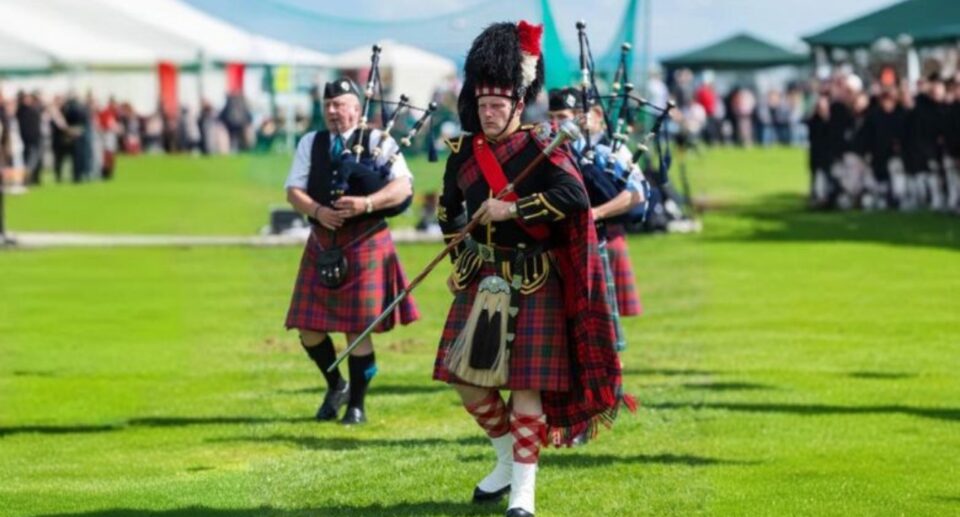
These compositions demand attention not as relics, but as living texts. Performers still revive them at festivals and Highland gatherings, including events like those previewed in Events to Watch in Highland Games 2025.
Gaelic cattle raiding songs remind us that poetry thrives where risk and rivalry once ruled. They show how a community can transform economic contest into art. In doing so, they preserve not only the memory of stolen cattle, but the enduring power of the spoken word.