
Fiddle Music: The Heartbeat of Celtic Tradition
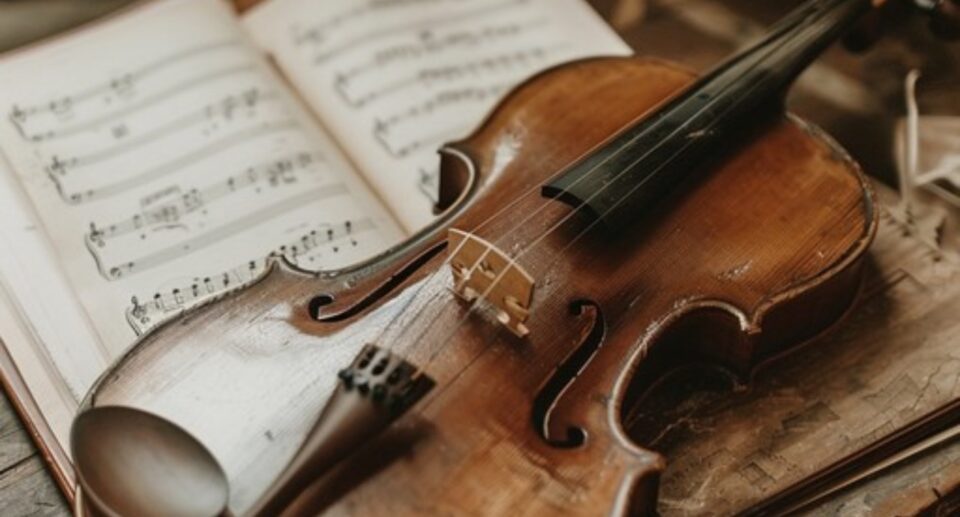
Fiddle music sits at the core of Celtic cultural life. It carries rhythm, memory, and emotion in a single bow stroke. In Ireland and Scotland, the fiddle does more than entertain. It connects people to place, history, and shared experience. From fireside gatherings to global stages, fiddle music remains a living expression of Celtic identity.
What Is Fiddle Music?
The fiddle and the violin share the same physical design. Culture defines the difference. When musicians play folk traditions, especially Celtic ones, the instrument becomes a fiddle. The sound changes too. Fiddle music values pulse, ornamentation, and energy over formal precision.
Fiddlers often learn by ear. This oral method mirrors wider Irish storytelling traditions, where knowledge passes through listening rather than text, much like the narrative culture explored in Irish storytelling traditions (https://celtguide.com/why-are-irish-people-natural-storytellers/).
Historical Roots of Celtic Fiddle Music
The fiddle arrived in Ireland and Scotland between the sixteenth and seventeenth centuries. Rural communities adopted it quickly. It travelled easily and filled social spaces without effort. Fiddle music became central to weddings, seasonal festivals, and communal gatherings.
During periods of hardship, music preserved identity. After the Irish Potato Famine, emigrants carried fiddle tunes across the Atlantic. These melodies held memory when land and language faced loss, as seen in the wider cultural impact of the famine (https://celtguide.com/the-influence-of-the-irish-potato-famine/).
Irish and Scottish Fiddle Styles
Celtic fiddle music never sounds uniform. Each region shaped its own voice.
Irish Fiddle Style
Irish fiddle music moves with speed and lift. Reels, jigs, and hornpipes dominate. Ornamentation adds texture and drive. Sessions often include rhythmic support from instruments like the bodhrán, which anchors tempo and energy (https://celtguide.com/the-bodhran-drum/).
Scottish Fiddle Style
Scottish fiddle music emphasises strong bowing and clean phrasing. Strathspeys define the style with sharp dotted rhythms. Landscape influences sound, especially in Highland regions surrounding places like Loch Lomond (https://celtguide.com/is-loch-lomond-in-the-highlands/).
Fiddle Music and Dance Traditions
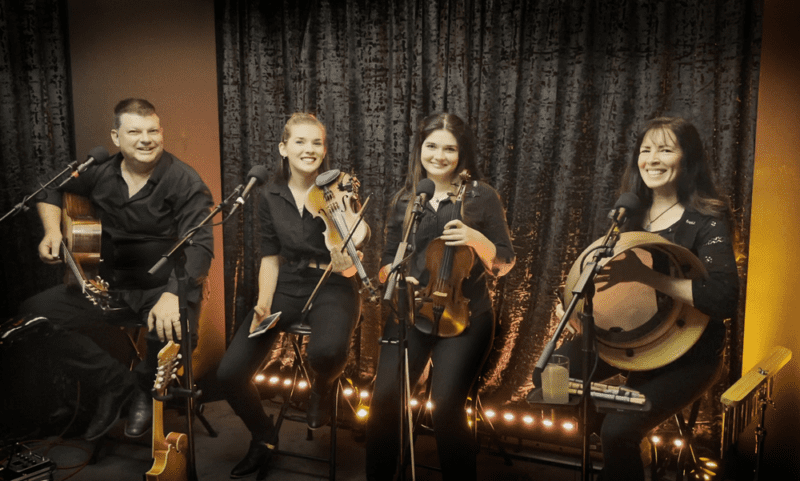
Fiddle music and dance developed together. Ceilidh dancing depends on the fiddle for structure and momentum. The fiddler controls pace and transitions, guiding dancers through each figure.
Modern ceilidh bands still place the fiddle at the centre, maintaining traditions that continue to shape social dance culture today (https://celtguide.com/ceili-bands/).
Storytelling Through Sound
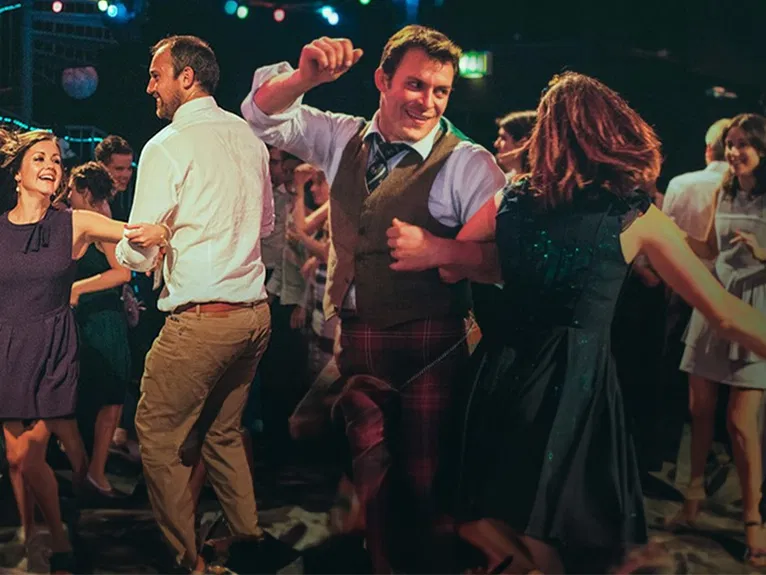
Many fiddle tunes tell stories without words. Titles often reference places, historical moments, or local legends. These melodies act as sonic memory, much like carved stone symbols that preserve meaning across generations (https://celtguide.com/celtic-stone-carvings/).
In Celtic culture, music remembers when written records fall silent.
Relationship with Other Celtic Instruments
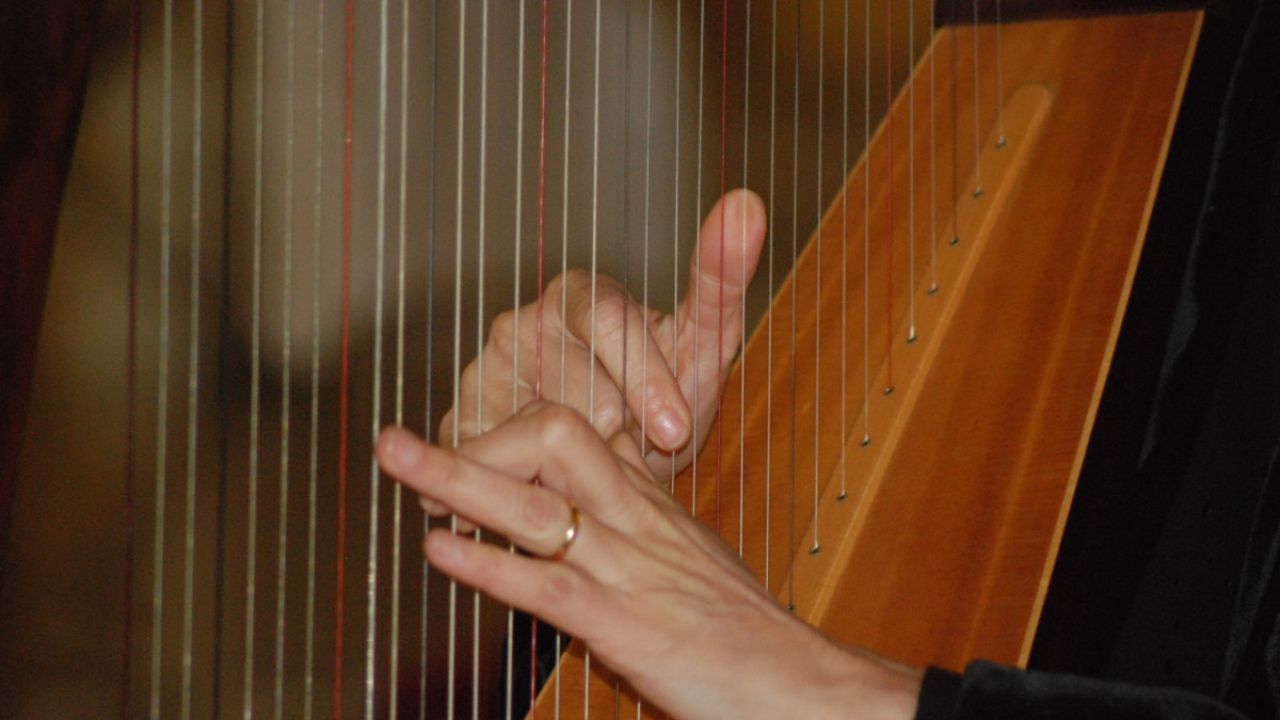
The fiddle thrives in conversation with other instruments. The clàrsach, or Celtic harp, adds depth and resonance, while the fiddle carries melody and motion. Together, they form the backbone of traditional ensembles (https://celtguide.com/what-is-a-clarsach-a-comprehensive-guide-to-the-celtic-harp/).
Fiddle Music in the Modern World
Today, fiddle music bridges tradition and innovation. It appears in film soundtracks, contemporary folk bands, and international festivals. Highland Games continue to celebrate competitive and communal fiddle playing as a sign of living heritage (https://celtguide.com/events-to-watch-in-highland-games-2025/).
Despite modern stages, the spirit remains communal. Fiddle music invites participation rather than distance.
Why Fiddle Music Endures
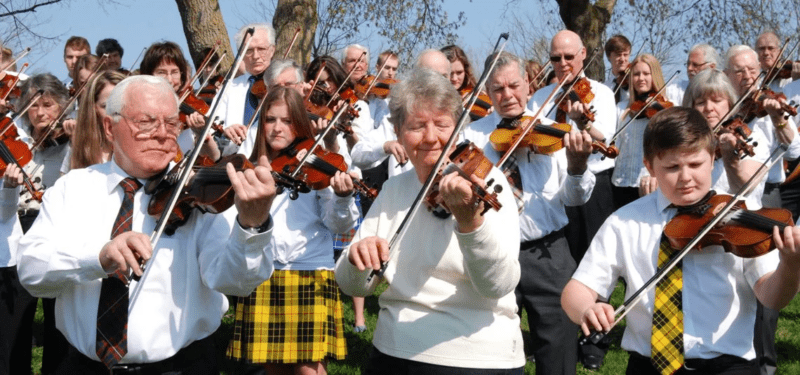
Fiddle music survives because it adapts without losing its roots. It connects past and present through sound rather than text. In Celtic culture, the fiddle does not archive history quietly. It plays it aloud.