Celtic Musical Instrument Crafting: Wood, Wire, and Memory
Celtic musical instrument crafting stands at the intersection of art, ritual, and memory. When a luthier shapes wood into a harp or stretches skin across a drum, they do more than build an object. They sustain a tradition that has carried Gaelic voices across centuries.
Across Ireland and Scotland, instrument makers still follow techniques rooted in medieval workshops and rural cottages. They work with oak, ash, willow, and brass. They listen to the grain of wood and test tension with patient hands. Craft, in this context, becomes a form of cultural scholarship.
The Clarsach: Carving Resonance into Wood
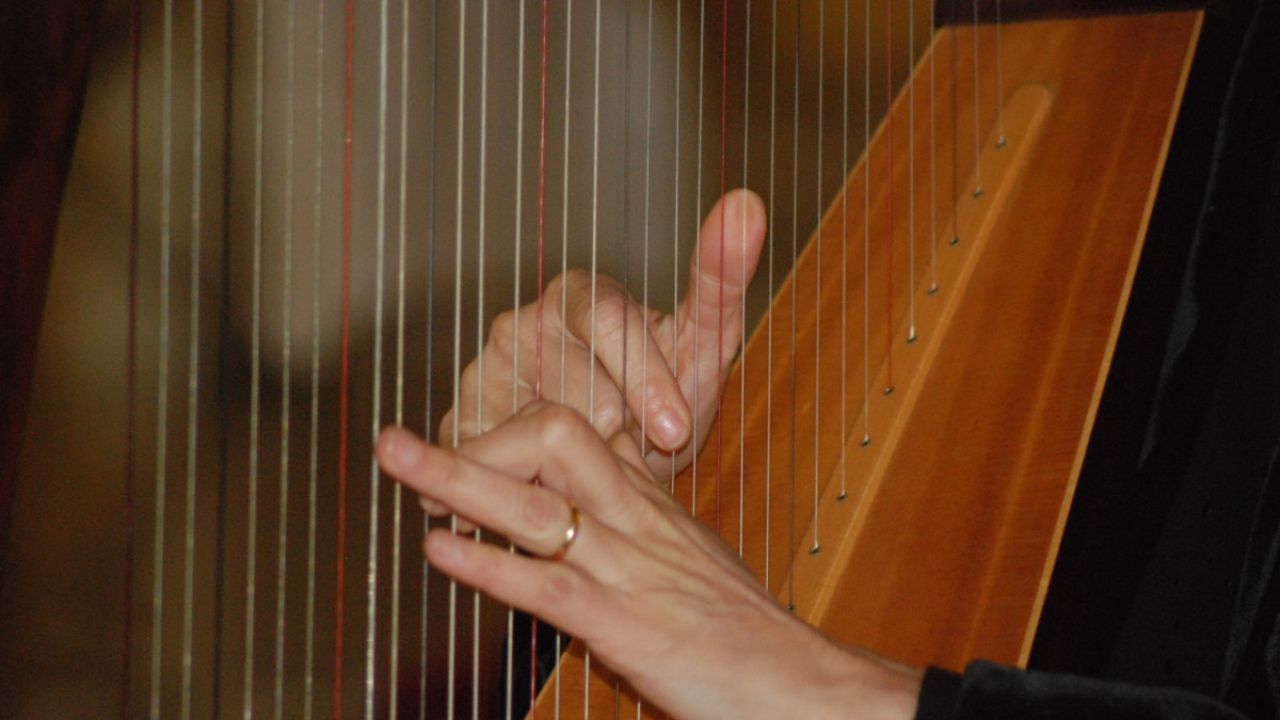
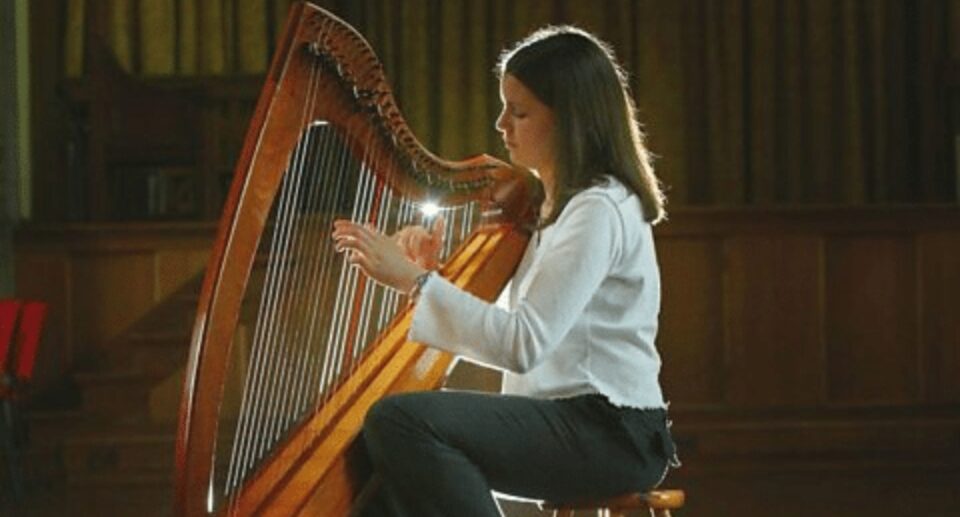
No instrument captures Celtic craftsmanship better than the clarsach. As explored in our detailed guide to what is a clarsach?, this small wire-strung harp shaped medieval courts and bardic tradition.
Early harp makers selected a single block of willow or oak and hollowed it by hand. They carved the soundbox from one piece to ensure strength and tonal depth. Brass strings required precise tension. A slight miscalculation could crack the frame.
Modern harp makers respect these historic forms. Many still carve the pillar and forepillar in the traditional triangular structure. Yet they adapt carefully. They test new bracing methods and refine string materials. They balance historical authenticity with acoustic reliability.
Crafting a clarsach demands both mathematics and intuition. The maker calculates scale length and string gauge. Then they close their eyes and listen.
The Bodhrán: Rhythm Shaped by Hand
The bodhrán offers a different, but equally profound, example of Celtic instrument making. Our article on the bodhrán drum traces its role in communal gatherings and céilí bands.
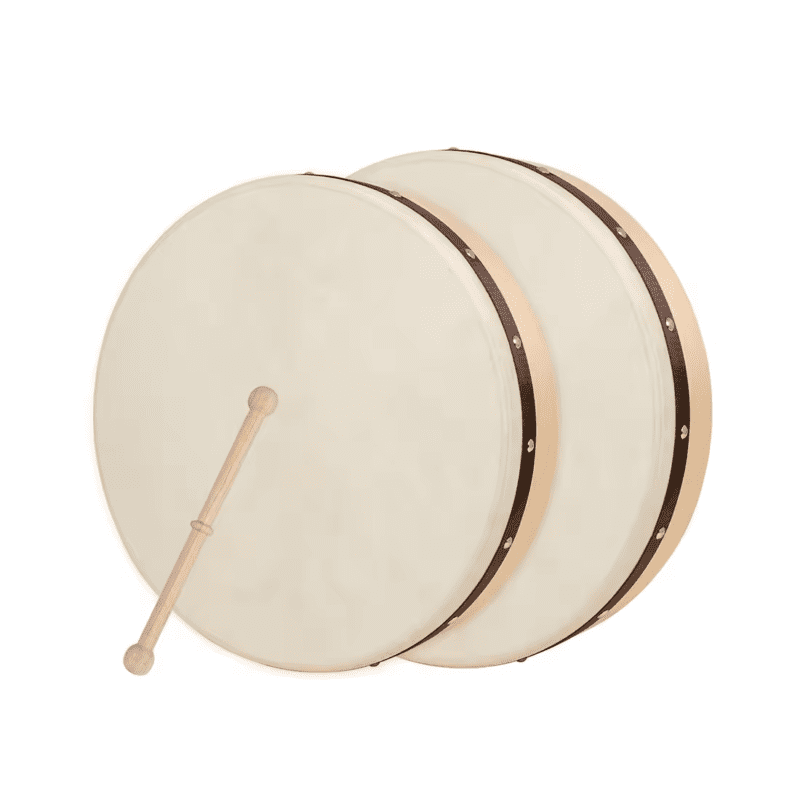
A maker begins with a wooden frame, often ash or birch. They steam and bend it into a circle. Goat skin stretches across the frame. The tension must remain even. Too tight, and the tone sharpens harshly. Too loose, and rhythm loses clarity.
Contemporary artisans sometimes add tuning systems. Traditionalists often prefer fixed skins, valuing the organic fluctuation of sound. Both approaches reveal a central truth: Celtic craftsmanship thrives on dialogue between past and present.
Fiddle Making and the Living Tradition
The fiddle remains central to Gaelic music. In our exploration of fiddle music, we note how regional styles shape bowing patterns and ornamentation. Yet behind every performance stands a maker who understands resonance and balance.
Celtic fiddle makers adapt the violin form to local taste. Some adjust bridge curvature to support rapid ornamentation. Others refine varnish to warm the tonal colour preferred in Scottish and Irish sessions.
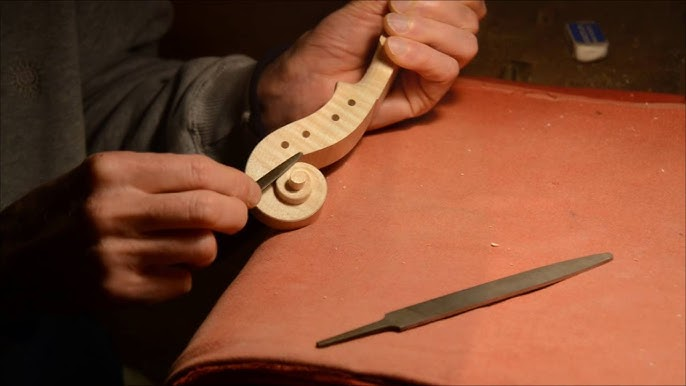
Unlike factory production, handcrafted fiddles emerge slowly. Makers graduate the top plate by hand. They tap the wood and measure vibration. They carve scrolls that echo motifs found in Celtic stone carvings and sacred art.
Craft links directly to storytelling. As we discuss in why are Irish people natural storytellers?, music often carries narrative memory. Instrument makers enable that narrative to sing.
Materials, Myth, and Sacred Landscapes
Celtic instrument crafting never exists in isolation from landscape or myth. The oak tree, sacred in Celtic cosmology, appears frequently in harp construction. Our reflection on the Celtic oak tree illustrates how symbolism informs material choice.
Similarly, bells and metalwork connect to spiritual resonance. In The Echo of Ancestors, we examine how bells ring through time as sacred sound objects. Instrument crafting often shares that devotional dimension.
Even geography shapes craft. Islands such as the Isle of Mull and regions near the Ring of Kerry foster musical communities where instrument makers and performers collaborate closely. Landscape informs sound.
Crafting for Céilí and Community
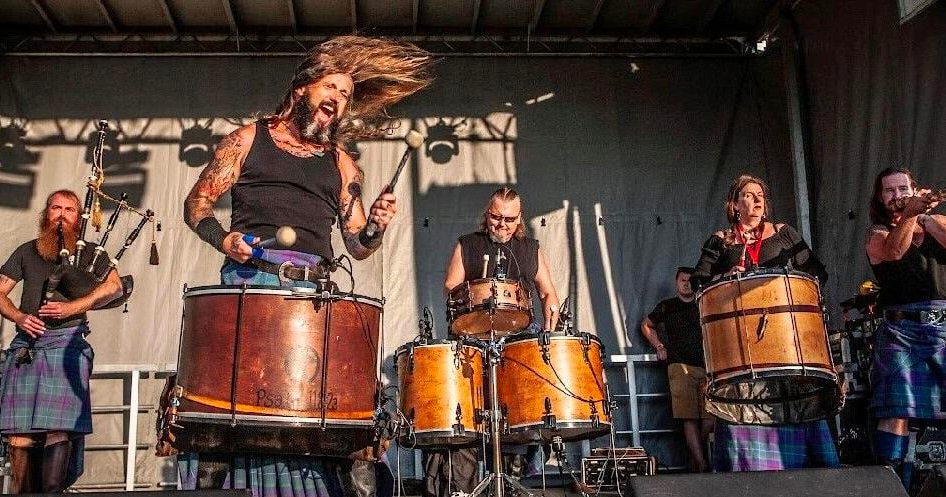
Music rarely exists alone in Celtic life. Céilí gatherings depend on durable instruments built for communal performance. Our discussion of céilí bands highlights the ensemble nature of Gaelic celebration.
Instrument makers design with this social context in mind. Harps must project clearly. Bodhráns must cut through lively rooms. Fiddles must endure long sessions. Craft therefore responds to lived cultural practice, not abstract theory.
Even major cultural events, such as the Highland Games 2025, rely on well-crafted instruments to anchor ceremony and spectacle. Craft sustains public heritage.
Continuity Through Craft
Celtic musical instrument crafting survives because artisans treat heritage as responsibility rather than nostalgia. They train apprentices, document techniques, and experiment without severing roots.
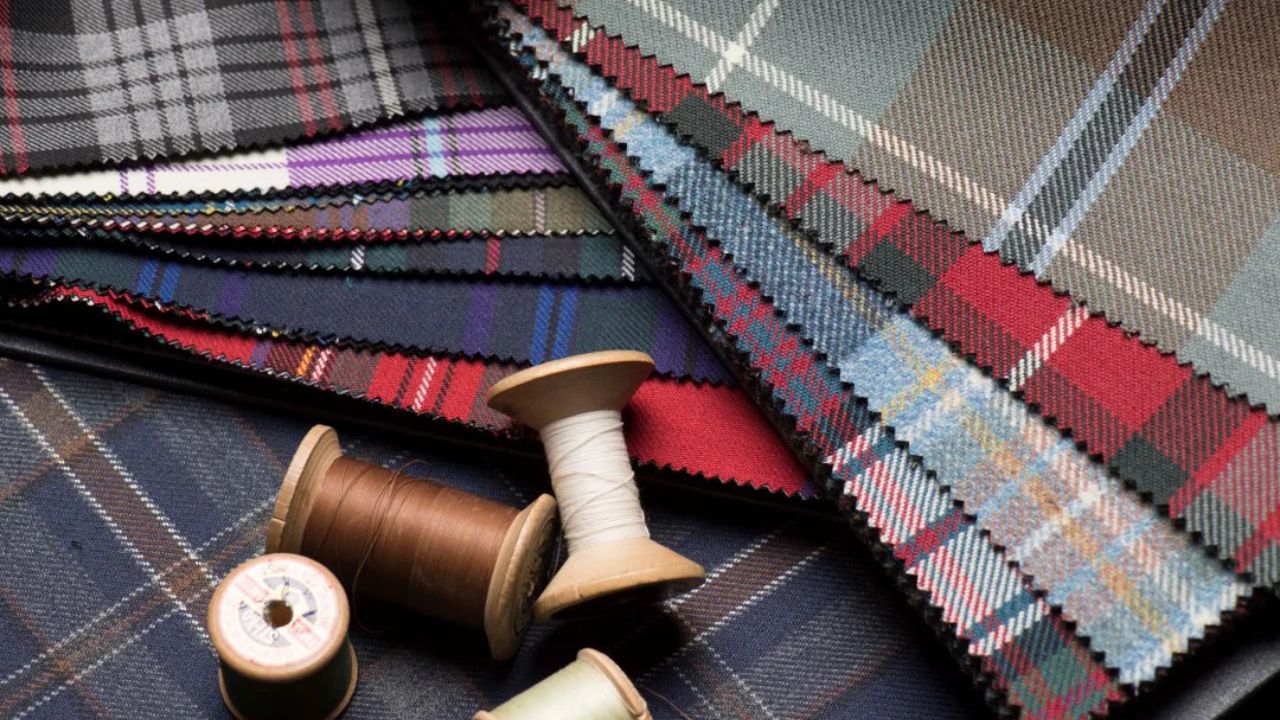
This tradition mirrors other cultural forms across Celtic society. Just as tartan weavers preserve pattern and meaning, as explored in what is tartan?, instrument makers preserve sound and structure.
Instruments carry voice across generations. When a harp string vibrates, it recalls medieval courts. When a bodhrán pulse begins, it echoes rural gatherings. And When a fiddle line rises, it tells a story older than any single performer.
Celtic musical instrument crafting, therefore, represents more than craftsmanship. It embodies continuity. It binds wood, wire, skin, and human memory into one living archive.