Scottish Goblins in Mines and Quarries: Echoes Beneath the Stone
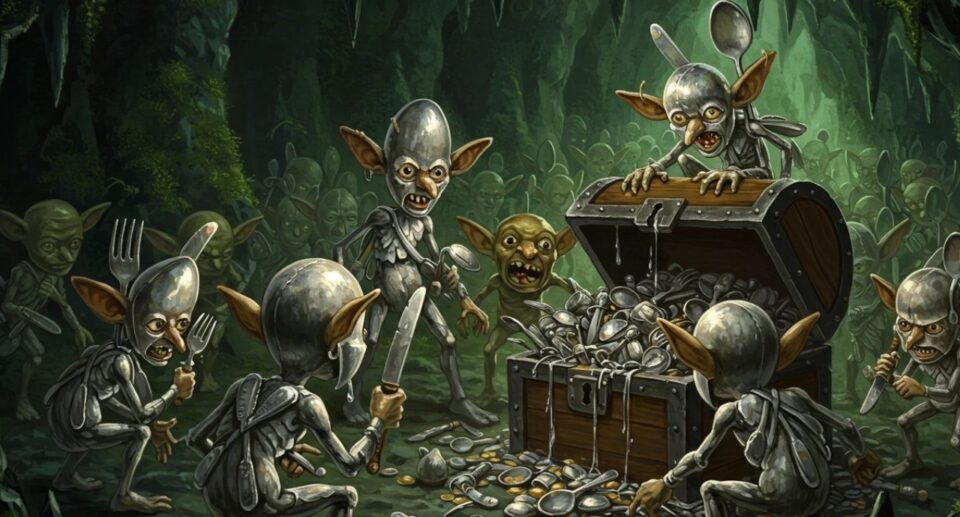
Scottish folklore does not only dwell in misty glens or storm-tossed lochs. It also descends into the earth. Beneath Scotland’s rugged hills and slate quarries, miners once whispered about goblins who guarded stone and ore. These underground beings shaped daily life in ways that modern readers often overlook.
When we explore Scottish goblins in mines and quarries, we uncover more than superstition. We encounter a social history of labour, fear, and imagination.
Who Were the Goblins of the Mines?
Scottish miners spoke of small, shadowy beings who moved through tunnels long after lamps dimmed. Some described them as helpful spirits who warned workers of danger. Others called them tricksters who caused cave-ins or misplaced tools.
In Lowland coalfields and Highland quarries alike, oral tradition preserved their presence. These goblins shared traits with brownies and other household spirits, yet they belonged to the underground world. Unlike the selkie of the sea or the fairy of the glen, mine goblins clung to stone and darkness.
Scottish folklore already embraces a wide supernatural landscape. Tales of water spirits appear in our study of the Legend of the Fairy Glen, while shapeshifters haunt the coasts in Selkies in Folklore. Underground goblins extend that imaginative geography beneath our feet.
Why Miners Believed in Underground Spirits
Mining and quarrying in Scotland demanded courage. Before modern engineering, tunnels collapsed without warning. Toxic gases gathered in narrow shafts. In such conditions, workers searched for meaning.
Goblins provided a framework. If a candle flickered or a stone cracked unexpectedly, miners attributed the event to unseen beings. This belief did not weaken their resolve. Instead, it fostered attentiveness.
Folklore scholars often argue that these traditions acted as informal safety systems. A story about an angry goblin in unstable rock encouraged caution. In that sense, myth supported survival.
Regional Echoes: Highlands and Islands
In the Highlands, oral traditions blended with Gaelic cosmology. The land itself carried spirit and memory. One sees this worldview reflected in sacred sites and carvings, as discussed in Celtic Stone Carvings (https://celtguide.com/celtic-stone-carvings/). Stone never appeared inert. It possessed agency.
On islands such as the Isle of Mull (https://celtguide.com/isle-of-mull/), quarry workers passed down tales that merged Norse influence with Celtic belief. Goblins sometimes resembled Scandinavian mine spirits, suggesting cultural exchange across the North Atlantic.
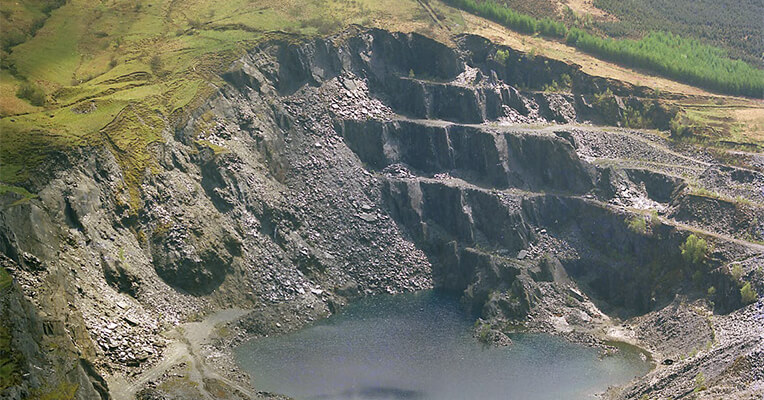
This layered folklore demonstrates Scotland’s openness to outside currents while preserving distinct local identities.
Goblins, Clans, and Community
Mining communities often aligned with clan territories. Identity shaped storytelling. Just as tartan patterns signified belonging, described in What Is Tartan? (https://celtguide.com/what-is-tartan/), shared legends reinforced communal bonds.
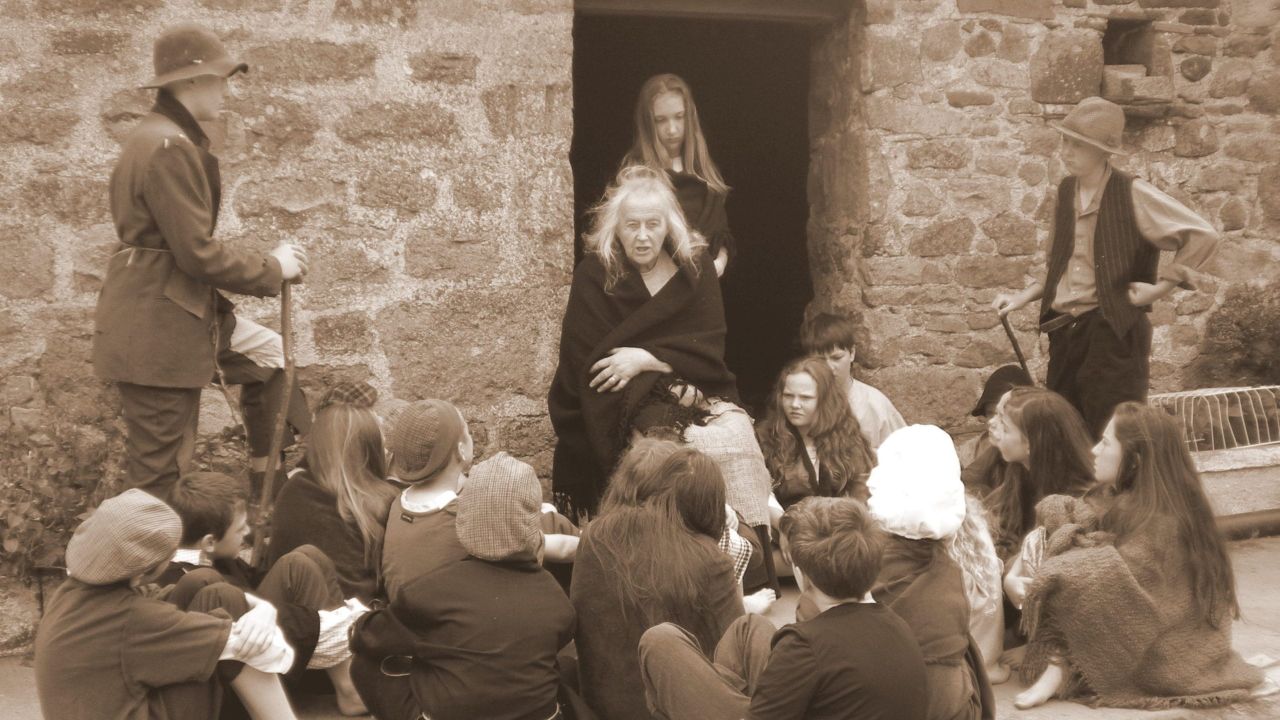
A goblin tale told at the close of a long shift created solidarity. It reminded workers that they faced danger together. In this way, folklore operated as social glue.
Stories also travelled beyond the mines. They appeared in ceilidh gatherings and musical settings. The rhythm of the bodhrán, explored in The Bodhrán Drum (https://celtguide.com/the-bodhran-drum/), often accompanied narratives of strange encounters underground. Music and myth intertwined.
Distinguishing Goblins from Other Celtic Beings
Readers sometimes conflate goblins with fairies or demons. Scottish tradition, however, maintained subtle distinctions. Goblins in mines rarely displayed the elegance of courtly fairies. They embodied raw earthiness.
Their closest kin may lie within broader Celtic mythic systems. Consider the supernatural landscapes associated with Annwn, examined in What Is Annwn? (https://celtguide.com/what-is-annwn/). While Annwn belongs to Welsh tradition, it illustrates a shared Celtic concept of hidden realms beneath ordinary sight. Scottish goblins echo that cosmology but root it firmly in labouring environments.
Literary and Cultural Afterlives
Nineteenth-century writers collected mining lore as industrialisation expanded. They treated goblins as quaint relics of a fading age. Yet these stories continue to inspire contemporary fantasy literature and heritage tourism.
Today, when visitors explore historic mining sites, guides sometimes recount these legends. The goblin survives not as a literal being but as cultural memory.
Just as we preserve clan histories and Highland Games traditions, see Events to Watch in Highland Games 2025 (https://celtguide.com/events-to-watch-in-highland-games-2025/), we also preserve intangible heritage. Goblin lore forms part of that inheritance.
What Do Scottish Mine Goblins Teach Us?
They teach us that folklore grows from lived experience. It does not float abstractly above society. It responds to danger, environment, and community.
Scottish goblins in mines and quarries remind us that the earth itself shaped cultural imagination. When miners descended into darkness, they carried not only tools but stories. Those stories illuminated tunnels as surely as flame.
In studying them, we honor both scholarship and the voices of workers whose narratives rarely reached official archives. Beneath Scotland’s hills, myth and labor met. The goblin stands at that intersection, small in stature yet immense in symbolic weight.