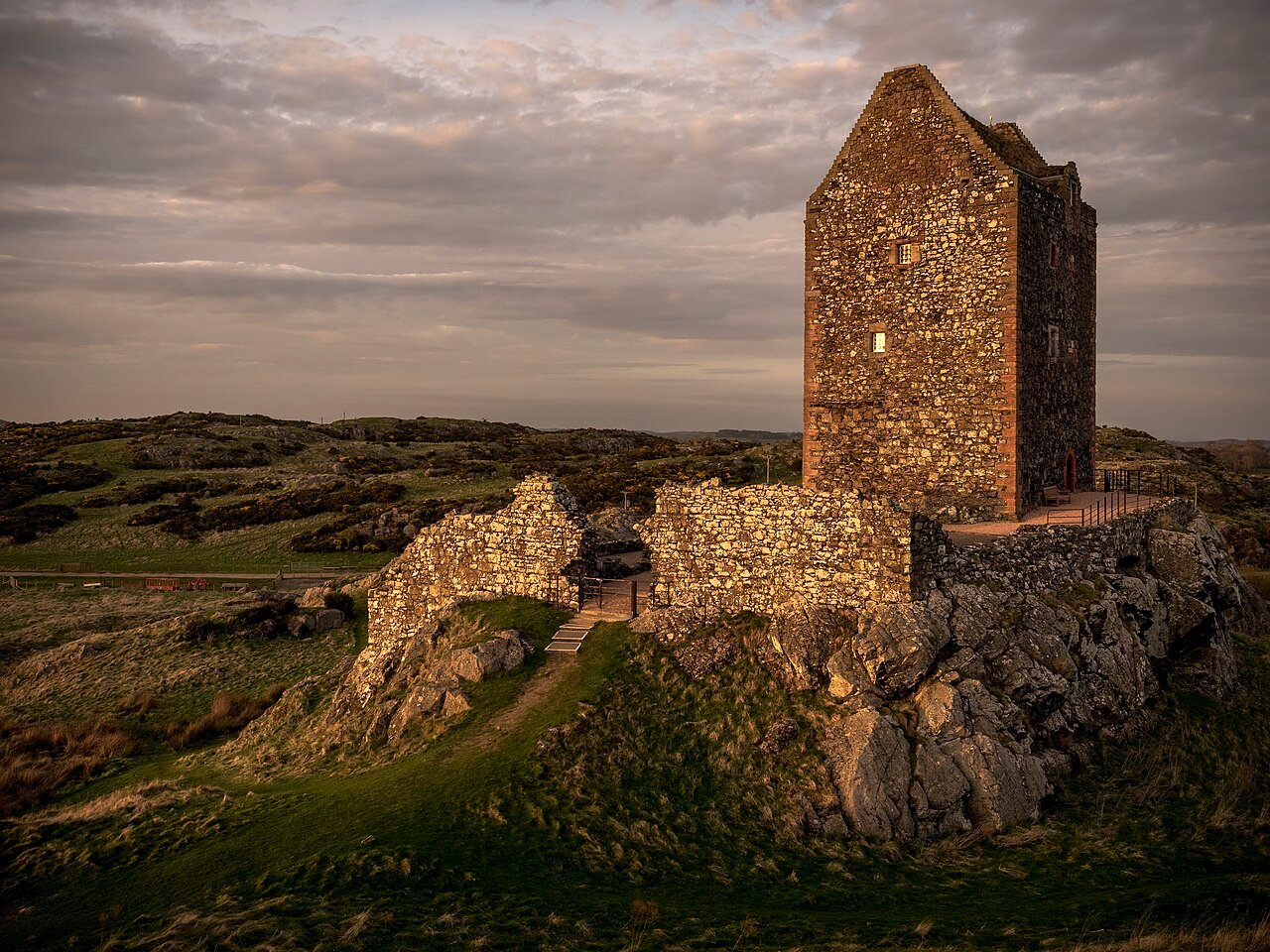
The Black Mountain Fairies: Shadows in the Highland Mist
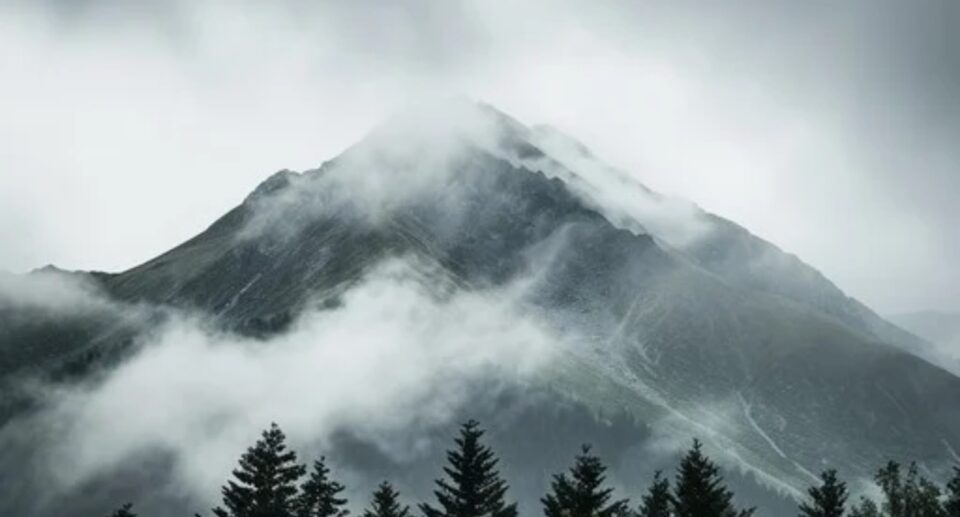
The Black Mountain Fairies dwell where rock meets cloud and silence thickens into story. They belong to that deep stratum of Celtic folklore where landscape breathes and unseen presences linger. In Gaelic imagination, mountains never stand empty. They host memory, danger, and enchantment.
Across Scotland and Ireland, communities have long spoken of fair folk who inhabit remote uplands. The Black Mountain Fairies form part of that tradition. Their name alone suggests twilight ridges and wind-swept plateaus.
For readers exploring the broader cultural terrain in the CeltGuide blog, these fairies offer a compelling glimpse into how myth and geography intertwine.
Mountains as Threshold Spaces
Celtic belief often treats mountains as liminal zones. They rise between human settlement and the Otherworld. Gaelic storytellers describe these spaces with reverence and caution.
Consider how sacred geography shapes Irish tradition at sites such as the Hill of Tara. Though not a mountain in the dramatic Highland sense, it marks a meeting point between mortal authority and supernatural influence. Black Mountain lore follows similar logic.
In Scottish contexts, remote landscapes like the Isle of Mull carry strong folkloric resonance. Mist and stone create natural theatre. Story grows easily there.
Who Are the Black Mountain Fairies?
Tradition describes them as elusive and morally ambiguous. They neither conform fully to benevolence nor cruelty, guard hidden passes, and mislead careless travellers. Yet they also reward respect.
Gaelic folklore often portrays fairies as parallel communities with their own codes. If you explore our discussion of selkies in folklore, you will notice a similar tension between beauty and danger.
The Black Mountain Fairies reflect the harsh environment they inhabit. Strong winds, sudden storms, and treacherous paths shape their character in narrative form.
Storytelling and Oral Memory
Why do such legends endure? The answer lies partly in the Gaelic love of narrative. As discussed in Why Are Irish People Natural Storytellers?, oral culture sustains communal identity.
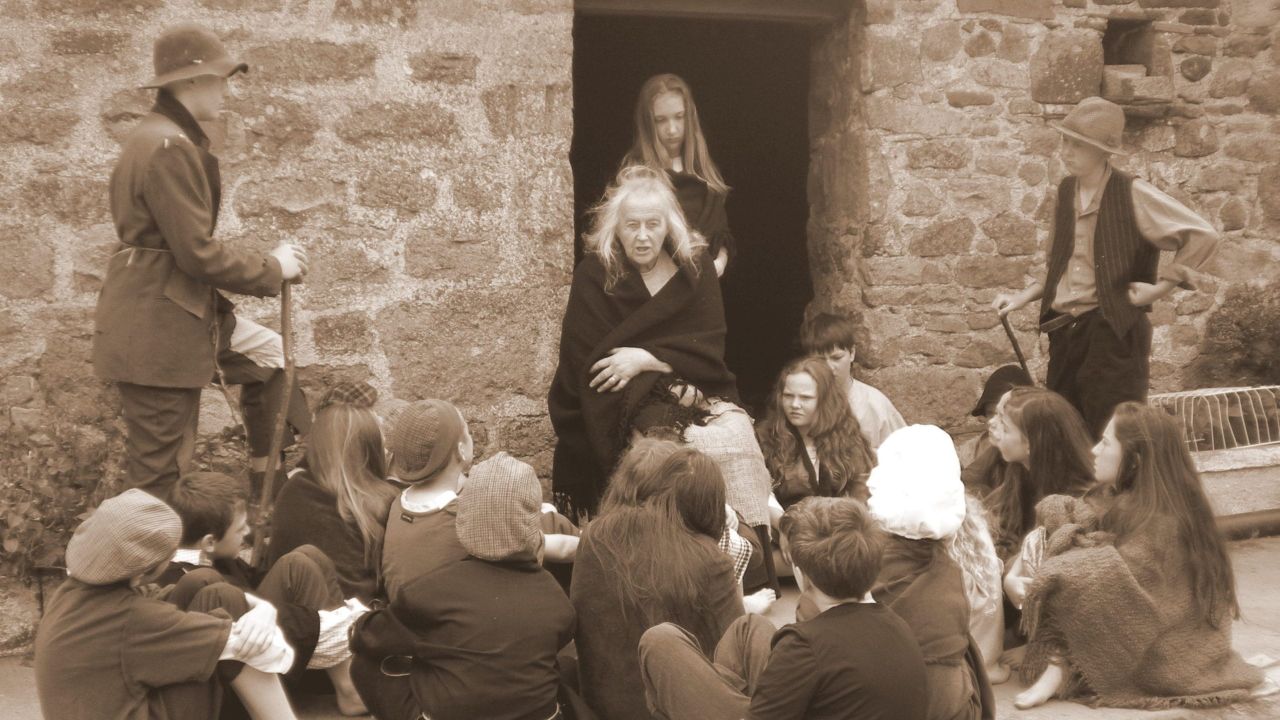
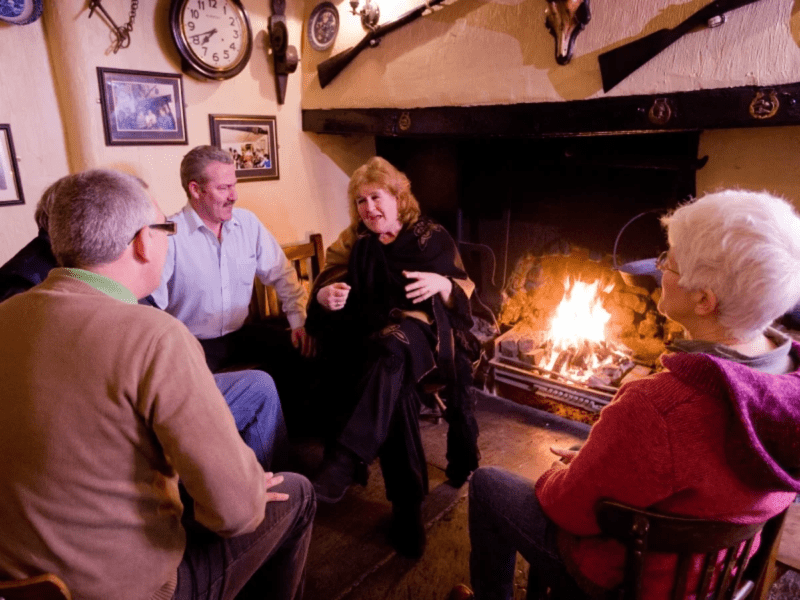
Shepherds, crofters, and travellers once exchanged tales beside hearth fires. These stories warned children not to wander too far. They also dignified landscape with mythic presence.
Our article on A Crofter’s Journey Through Time shows how rural life and folklore often intertwine. Fairies inhabit the imaginative margins of agricultural existence.
Fairies and the Otherworld
In Celtic cosmology, the boundary between worlds remains thin. Welsh tradition speaks of Annwn, the Otherworld realm explored in our guide to what is Annwn. Scottish and Irish folklore mirrors this concept in different forms.
The Black Mountain Fairies often function as guardians of that unseen domain. Some tales describe hidden entrances beneath rocky outcrops. Others speak of music drifting across slopes at dusk.
Sound frequently signals fairy presence. In The Echo of Ancestors: How Celtic Bells Ring Through Time, we reflect on how resonance carries spiritual meaning. Fairy music follows that same principle. It lures and unsettles in equal measure.
Moral Lessons in the Mist
Celtic fairy lore rarely offers simple fantasy. It encodes social ethics. Respect the land. Honour promises. Avoid arrogance.
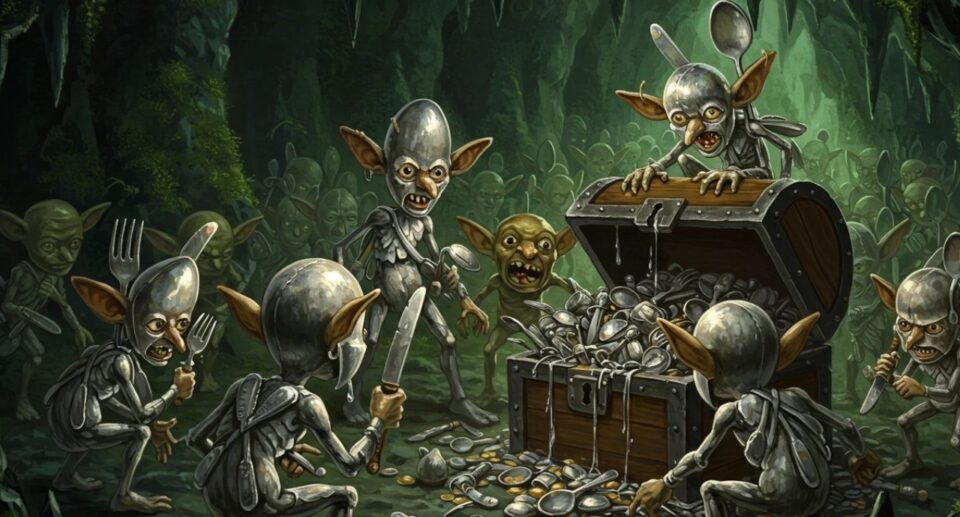
The Black Mountain Fairies punish those who mock sacred spaces. They mislead greedy treasure hunters. Yet they guide the humble home. Such themes echo wider Gaelic wisdom, including the concise truths found in Gaelic Irish proverbs.
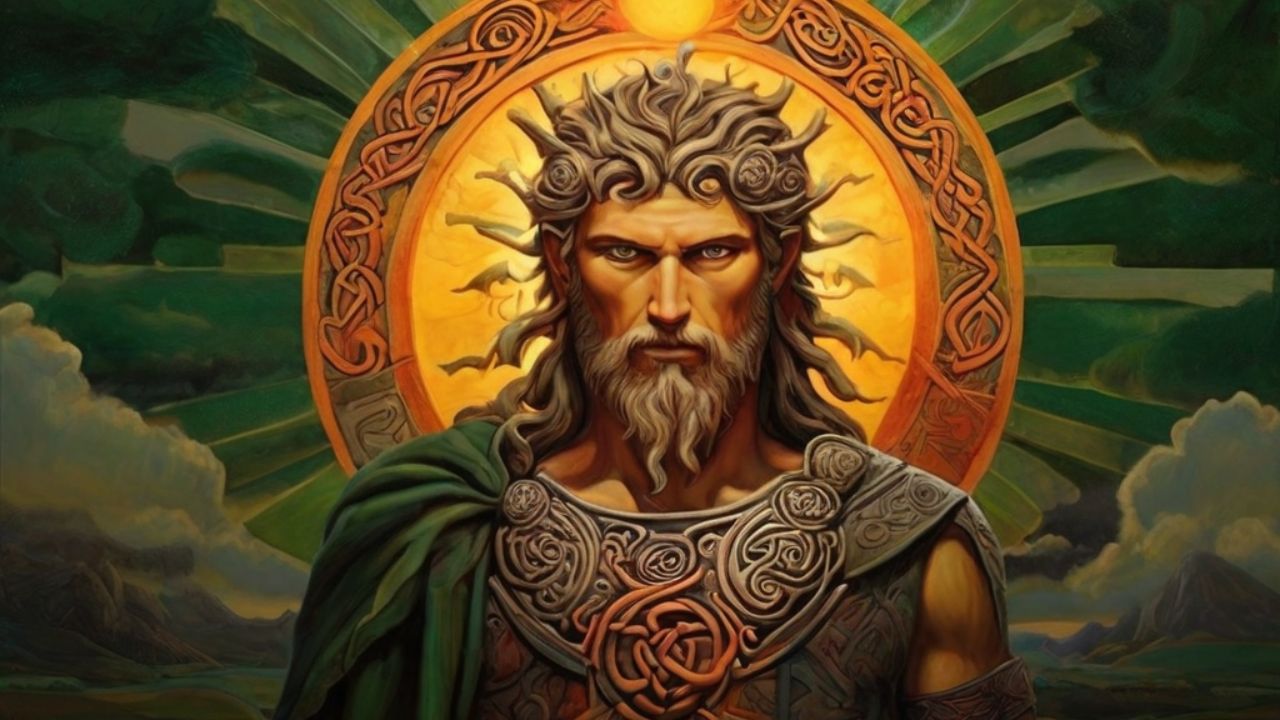
This moral dimension aligns with older mythic structures. Figures such as Lugh, discussed in our study of the Celtic sun god Lugh, embody skill and responsibility. Fairies test whether mortals uphold similar virtues.
Landscape, Fear, and Imagination
The adjective “black” in Black Mountain Fairies may refer to dark stone or shadowed slopes. It also conveys emotional tone. Mountains evoke awe. They dwarf human ambition.
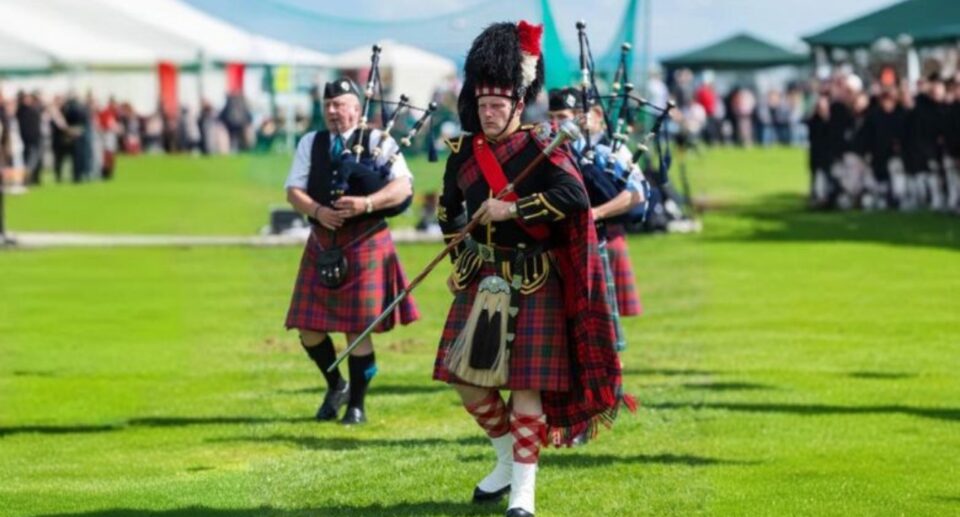
Even celebratory gatherings, such as those previewed in Events to Watch in Highland Games 2025, unfold beneath imposing peaks. The same terrain that hosts sport and ceremony also shelters older fears.
Folklore allows communities to articulate that duality. Through fairy legends, people give voice to uncertainty and wonder.
Why the Black Mountain Fairies Still Matter
Modern readers may not fear enchantment in the hills. Yet the legend persists because it speaks to enduring concerns. We still seek meaning in landscape. We still sense mystery in solitude.
The Black Mountain Fairies remind us that Celtic culture never separated story from place. Mountains shape myth. Myth shapes memory.
When mist settles over a Highland ridge, imagination stirs. Whether we interpret the shadow as cloud or fairy, we participate in a tradition that values narrative as much as geography.
In that sense, the Black Mountain Fairies remain very much alive, not as literal beings, but as guardians of cultural imagination.