The Heartbeat of the Highlands: A Crofter’s Journey Through Time

Old Murdo MacLeod once told me, “The land doesn’t belong to us; we belong to it.” His hands, rough from decades of digging peat and mending fences, gestured toward the jagged hills of Lewis. “You cannae own a horizon,” he said. This is the essence of crofting—a dance with the land that’s equal parts grit and grace. Let me take you on a journey through the untamed beauty and unyielding spirit of Scotland’s crofters, where every stone wall and windswept field whispers a story of survival.
What Does It Mean to Be a Crofter?
Close your eyes. Picture a sliver of land where the Atlantic crashes against cliffs, sheep graze on salty grass, and a crooked stone cottage stands defiant against the weather. That’s a croft. Not a farm, not a homestead—something more. Crofters aren’t just tenants; they’re alchemists, turning rock-strewn soil and sea spray into a livelihood. They mend nets at dawn, tend to scrappy Highland cows at noon, and gather at dusk to share stories older than the hills. It’s a life where you measure wealth in neighbors, not coins.

The Clearances: A Wound That Never Fully Healed
Let’s talk about the elephant in the glen: the Highland Clearances. Imagine your great-grandmother’s cottage set ablaze by a landlord’s henchmen because sheep paid better than people. Families were dragged into the rain, their cries swallowed by the wind. Some fled to cramped coastal strips—the first crofts—where landlords charged rent for land that could barely grow nettles. Others boarded ships to Nova Scotia, their Gaelic laments echoing across empty valleys. The Clearances weren’t just evictions; they were a cultural gut-punch. And yet, here we are.
A Day in the Life: Blood, Peat, and Laughter
Step into a 19th-century blackhouse. The air smells of woodsmoke and wet wool. A crofter’s wife stirs a pot of broth while her husband patches a fishing net. Outside, children chase chickens through a garden of potatoes and kale. It’s not romantic—it’s survival. Dinner might be oatcakes and herring, eaten by firelight. But when the work’s done? Oh, the ceilidhs. Fiddles come out, whisky flows, and suddenly the weight of the world lifts. You’d hear tales of selkies and stolen kisses, of battles fought and futures dreamed. Crofters didn’t just survive; they lived.
The Revolt: When Quiet Folk Stoched the Fire
By the 1880s, crofters were done kneeling. In Skye, when sheriffs came to evict a family, the entire village blocked the road with their bodies. On Lewis, women threw rotten fish at landlords’ agents. The message? “Enough.” Their defiance birthed the Crofters’ Act of 1886—a law granting rights to the voiceless. It wasn’t charity; it was a reckoning. As one crofter’s diary read: “We won our land back with bare hands and stubborn hearts.”
Modern Crofters: Not Your Granny’s Sheep Farm
Fast-forward to today. Meet Fiona, a 32-year-old crofter on Mull who Instagrams her rare-breed pigs and hosts “wool workshops” for tourists. Or Calum, a former IT worker who swapped city stress for a croft on Barra, where he farms seaweed for skincare start-ups. Yes, they still cut peat and mend drystone dykes, but they’re also solar-panel tinkerers and TikTok storytellers.
But it’s not all heather and honey.
- Land Prices: A single acre on Skye now costs more than a year’s wages.
- The Youth Drain: “Why stay?” asks 18-year-old Eilidh. “There’s no jobs, no Wi-Fi…”
- Climate Chaos: Storms erode cliffs; salmon vanish from streams.
Yet, hope persists. Groups like North Harris Trust are buying back estates for communities. Young families are reviving abandoned crofts, proving dirt under your nails beats a desk job.
The Soul of Gaelic Scotland
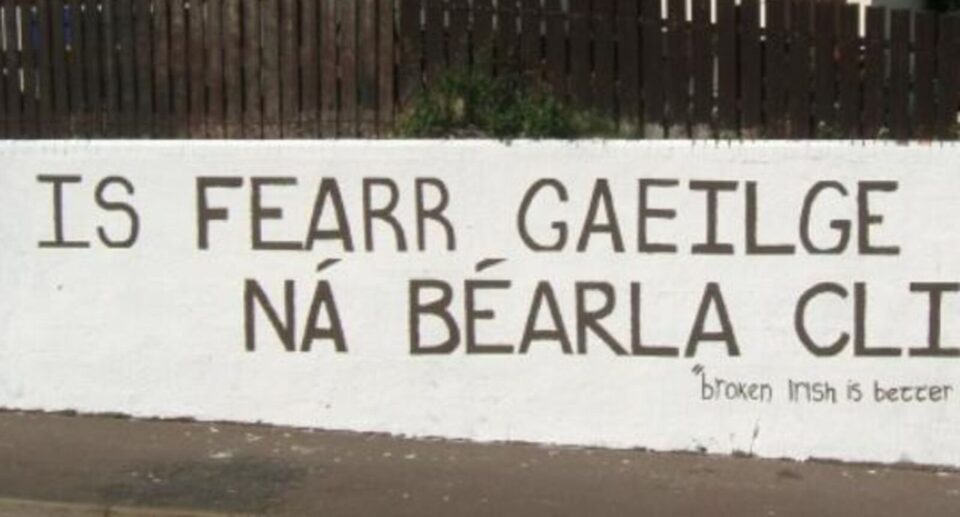
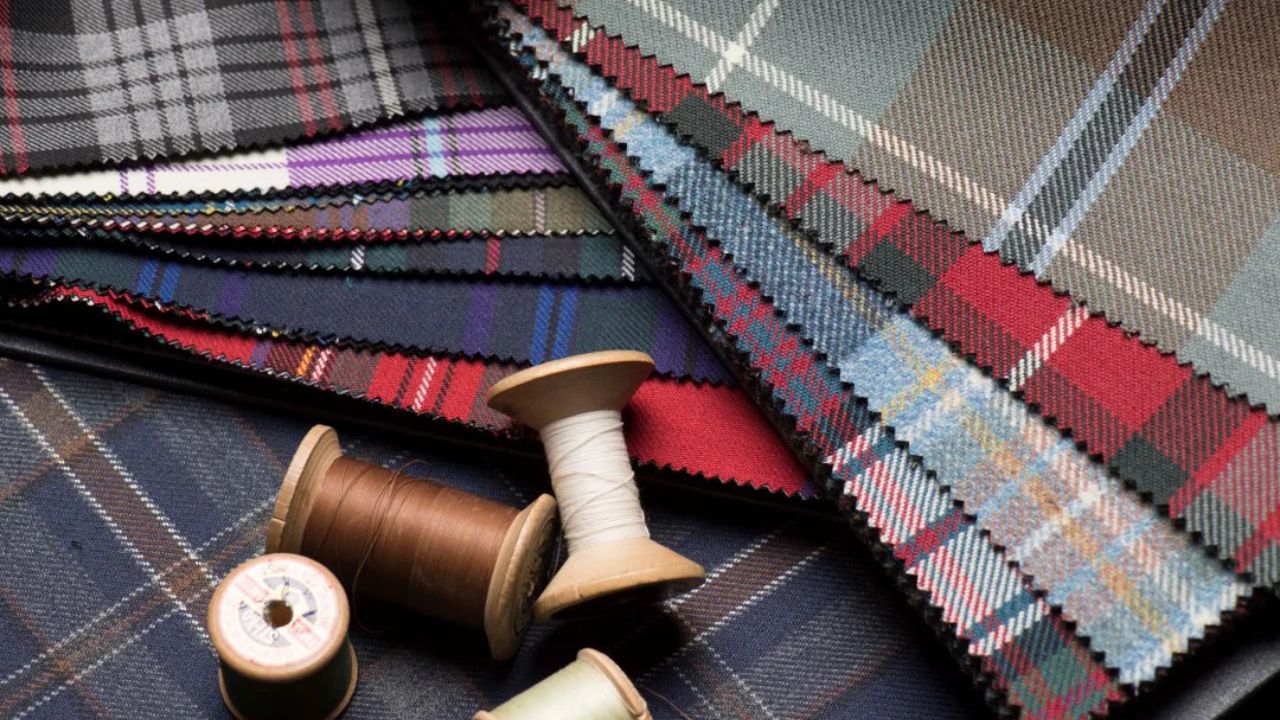
Crofting isn’t a job—it’s a language. Literally. In Uist, shop signs are in Gaelic. In Sutherland, place names like Dùn Èistean (“Fort of the Storm”) tell of ancient battles. When a crofter dies, neighbors “lift” the coffin over miles of moorland, singing Psalms in a harmony that chills your bones. This is where Harris Tweed is still woven on pedal looms, where a cuppa tea comes with a side of legend. Lose this, and Scotland loses its heartbeat.
How to Walk Beside Crofters (Not Just Gawk)
- Eat Their Food: Buy Hebridean lamb, Stornoway black pudding, or Islay cheese. Every bite funds a croft.
- Sleep in Their Barns: Okay, not barns—but eco-cabins like Sandy’s Croft on Tiree let you wake to sheep at your window.
- Listen: Attend a mòd (Gaelic music festival) or a village hall ceilidh. Clap off-beat. They won’t mind.
Burning Questions (Answered Over Imaginary Whisky)
Q: Can I squat on a croft and live off-grid?
A: Nice try. You’ll need the Crofting Commission’s blessing—and a tolerance for midges.
Q: Do crofters hate landlords?
A: Some do. Others, like Angus in Assynt, are the landlords now—his community bought the estate.
Q: Is Gaelic dying?
A: Not on their watch. Crofters run Gaelic nurseries. Tapadh leat means “thank you”—use it.
Epilogue: Why This Matters to You
In a world of concrete and screens, crofting is a rebellion. It’s choosing blisters over Bluetooth, community over convenience. It’s knowing the name of every sheep and the story behind every scar on the land. As climate change looms, these smallholders hold wisdom we’ll all need: how to live with the earth, not just on it.
Go See For Yourself
- Trek the Hebridean Way, sleeping in croft stays.
- Sit with Donald John in his Lewis blackhouse—he’ll tell you the best lies you’ll ever hear.