The Irish Milkmaid Tradition: A Living Echo of Rural Ireland
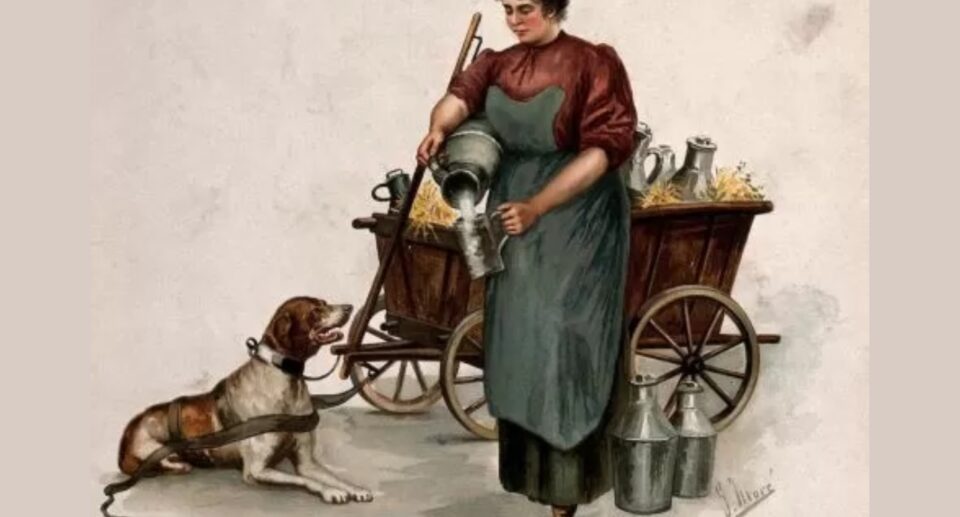
The Irish milkmaid stands as one of the most evocative figures in Ireland’s rural past. She appears not only in agricultural records but also in songs, stories, and collective memory. Her presence bridges the practical and the poetic, embodying both labor and lyricism.
In many ways, the milkmaid reflects the same cultural richness explored in our broader collection at https://celtguide.com/blog/. Like the voices behind Irish storytelling traditions (see: https://celtguide.com/why-are-irish-people-natural-storytellers/), her role carries meaning beyond daily work. It reveals how ordinary lives shape extraordinary cultural legacies.
Origins of the Irish Milkmaid Tradition
The milkmaid tradition developed alongside Ireland’s pastoral economy. Cattle farming formed the backbone of rural life for centuries. Families depended on dairy products such as milk, butter, and buttermilk for survival and trade.
Young women often took responsibility for milking cows, churning butter, and transporting dairy goods to nearby markets. This role required discipline, strength, and skill. It also placed women at the center of household economies.
Unlike industrial dairy systems today, traditional practices relied on intimate knowledge of animals and seasons. The milkmaid knew each cow’s temperament and rhythm. Her work followed the land’s natural cycles rather than mechanical schedules.
Daily Life and Labor
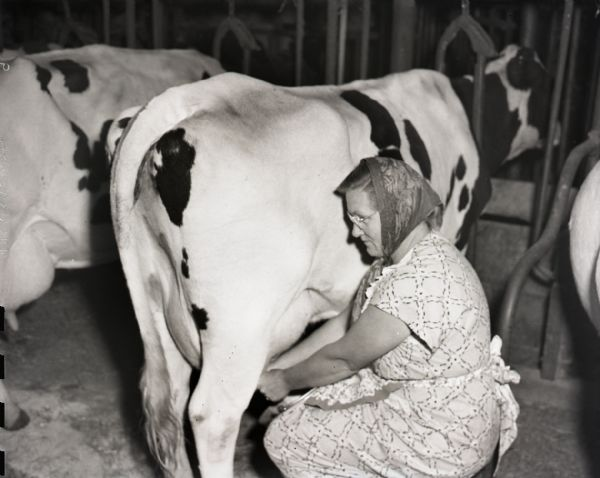
A milkmaid’s day began before sunrise. She walked to the fields carrying wooden pails, often through damp grass and shifting weather. The act of milking demanded patience and precision.
After collecting milk, she moved to butter-making. This process involved churning cream for extended periods. It required both physical effort and careful timing. A slight misjudgment could spoil the batch.
Transporting goods to markets added another layer of labor. Milkmaids balanced heavy containers while walking long distances. Despite the hardship, they maintained a steady routine that sustained rural communities.
Their work aligns closely with the resilience described in https://celtguide.com/crofters-journey-through-time/, where survival depended on adaptability and endurance.
Symbolism in Irish Culture
Over time, the milkmaid became more than a worker. She evolved into a cultural symbol. Irish folklore and songs often portray her as industrious, independent, and quietly strong.
In some narratives, she represents purity and connection to the land. In others, she embodies youthful vitality and resilience. These portrayals mirror themes found in Irish proverbs (explore: https://celtguide.com/gaelic-irish-proverbs/), where everyday wisdom carries deeper truths.
The milkmaid also appears in romanticized imagery. Paintings and ballads depict her in pastoral settings, surrounded by rolling green landscapes. While these representations soften the hardships, they preserve her cultural importance.
Milkmaids in Irish Folklore and Storytelling
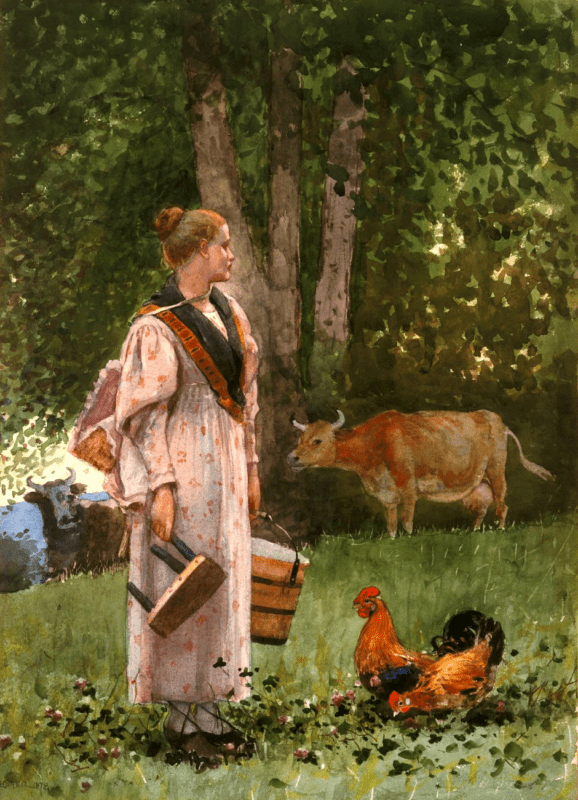
Storytelling plays a central role in Irish heritage. Milkmaids often appear in tales that blend reality with myth. Some stories describe encounters with fairies near milking grounds. Others present the milkmaid as a clever figure who outwits supernatural beings.
These narratives connect closely with Ireland’s broader mythological landscape, including traditions explored in https://celtguide.com/legend-of-the-fairy-glen/ and https://celtguide.com/selkies-in-folklore/.
Milk, as a substance, held symbolic value. People viewed it as both nourishing and protective. Folklore often treated dairy products as offerings or safeguards against otherworldly forces.
The Social Role of Milkmaids
Milkmaids contributed significantly to social and economic life. Their work supported family income and local trade networks. In many cases, they acted as intermediaries between rural producers and urban consumers.
Their presence in الأسواق (markets) created opportunities for interaction and exchange. Through these interactions, they participated in shaping community identity.
Festivals and gatherings often featured dairy products. Events like https://celtguide.com/the-significance-of-saint-patricks-day/ highlighted communal sharing, where milk and butter symbolized abundance and prosperity.
Decline and Transformation
The milkmaid tradition began to fade with modernization. Mechanized milking systems replaced manual labor. Industrial dairy production shifted work away from individuals to larger operations.
Despite this shift, the cultural memory remains strong. Museums, heritage sites, and local narratives continue to preserve the image of the milkmaid.
Today, her legacy survives in storytelling, tourism, and cultural studies. It also resonates in contemporary discussions about sustainable farming and traditional knowledge.
Enduring Legacy
The Irish milkmaid represents more than a historical role. She embodies a relationship between people, land, and livelihood. Her story reminds us that culture often grows from daily routines rather than grand events.
Just as the https://celtguide.com/hill-of-tara/ reflects Ireland’s ancient political and spiritual life, the milkmaid reflects its domestic and economic foundations.
Understanding her tradition allows us to appreciate the depth of Irish heritage. It invites us to see value in labor, memory, and continuity.