Clan Ross Traditions: Preserving the Spirit of the Scottish Highlands
Among Scotland’s historic Highland clans, Clan Ross stands out for its enduring commitment to kinship, loyalty, and cultural identity. For centuries, the clan helped shape life in the northern Highlands, leaving behind traditions that continue to inspire descendants and history enthusiasts alike.
The story of Clan Ross is not simply a tale of battles and chiefs. It is a story of family bonds, community values, storytelling, and pride in Highland heritage. By exploring Clan Ross traditions, we gain a deeper understanding of Scotland’s rich cultural landscape.
The Origins of Clan Ross
Clan Ross traces its roots to Ross-shire in the northern Highlands of Scotland. During the medieval period, the clan emerged as a significant regional power. Its chiefs managed extensive territories and played an important role in Highland politics.
Like many Scottish clans, Clan Ross organized society around family relationships. Loyalty to the clan chief formed the foundation of social life. In return, the chief protected the clan’s lands, interests, and people.
These close-knit relationships helped the clan survive political upheaval, regional disputes, and social change. Today, the history of Clan Ross remains an important part of Scotland’s wider clan heritage.

For readers interested in the broader clan system, see CeltGuide’s guide: How Many Scottish Clans?
Loyalty and Kinship at the Heart of Clan Life
One of the defining Clan Ross traditions was loyalty. Clan members viewed themselves as part of an extended family rather than merely residents of a shared territory.
This sense of belonging influenced every aspect of life. Families supported one another during difficult times, defended shared interests, and celebrated important milestones together.
Such traditions strengthened community bonds and created a lasting sense of identity. Even today, Clan Ross societies around the world encourage descendants to reconnect with their ancestral roots.
Clan Ross Tartan and Highland Dress
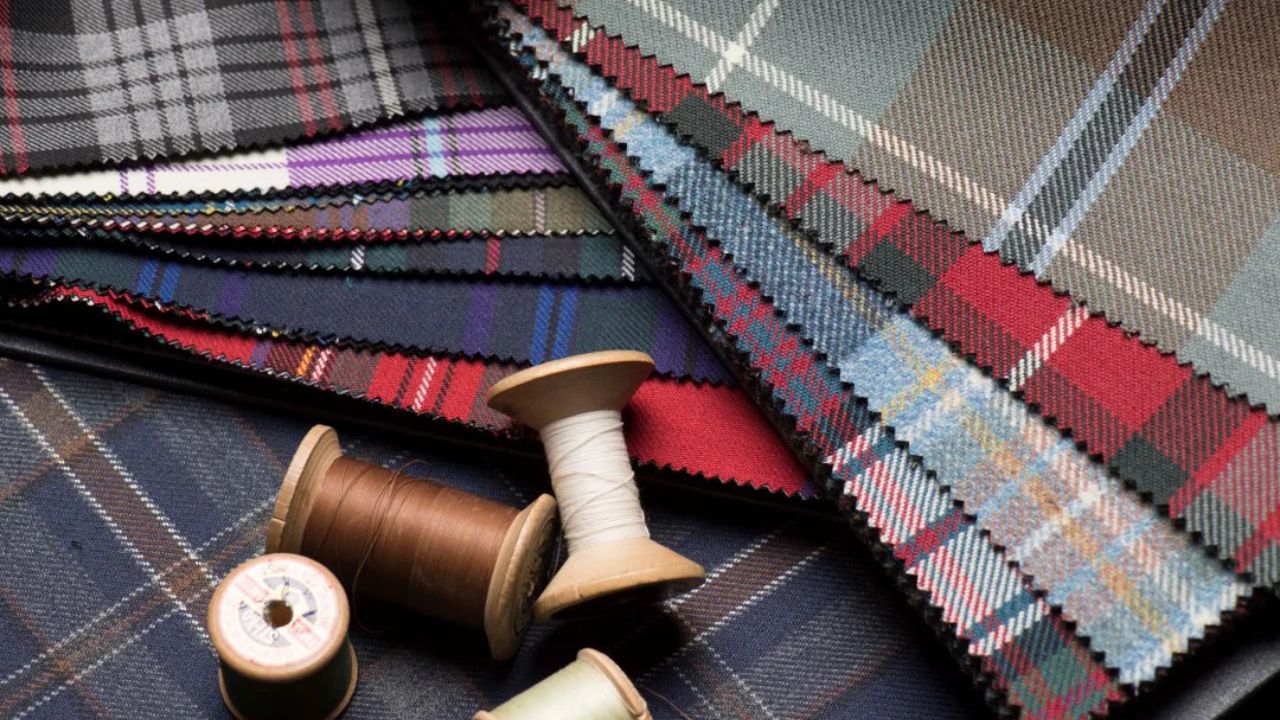
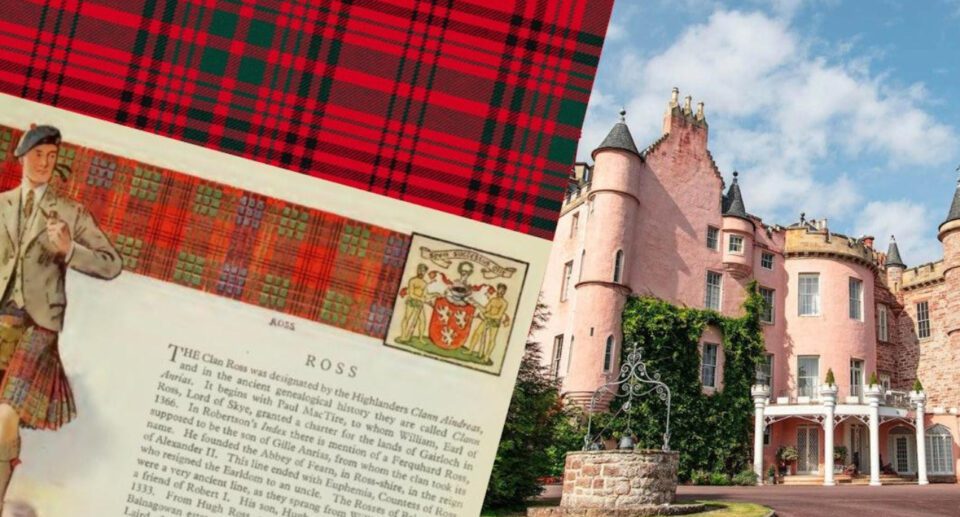
Tartan remains one of the most visible expressions of Scottish heritage. The Clan Ross tartan serves as a powerful reminder of the clan’s history and cultural identity.

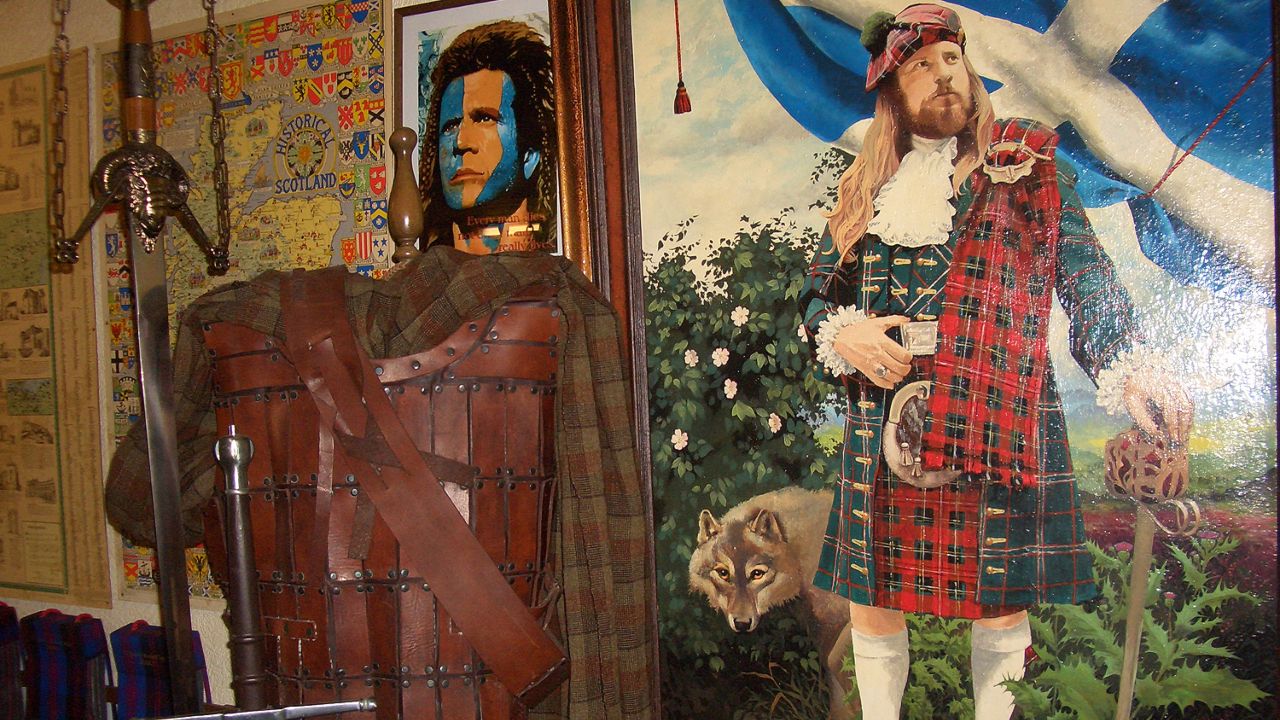
Historically, Highland dress reflected both regional customs and family connections. During ceremonies, gatherings, and celebrations, tartan allowed clan members to display their heritage proudly.
If you would like to learn more about Scotland’s famous patterns, visit:
Clan Symbols and Their Meaning

Symbols played a vital role in Highland culture. The crest associated with Clan Ross features a stag’s head, a symbol often linked with strength, vigilance, and leadership.
Heraldic symbols helped identify clans and reinforced a shared sense of belonging. They also connected each generation to the achievements and values of those who came before them.
Today, Clan Ross symbols appear on family records, ceremonial items, and heritage materials across the world.

Gatherings and Highland Celebrations
Clan gatherings have long been among the most cherished Clan Ross traditions. Historically, these events strengthened social ties and allowed members to discuss important clan matters.
Modern gatherings often include:
- Traditional Scottish music
- Highland dancing
- Historical presentations
- Genealogical workshops
- Cultural demonstrations
Many of these celebrations reflect traditions seen at the Highland Games. Learn more in CeltGuide’s article: Events to Watch in Highland Games 2025
Storytelling and Oral Tradition
Before written records became widespread, stories preserved the history of Clan Ross. Elders passed down tales of clan chiefs, memorable events, and family achievements from one generation to the next.

Storytelling educated younger members and reinforced important values. It also helped preserve a sense of continuity between past and present.
This tradition reflects the wider Celtic appreciation for narrative and cultural memory. Readers interested in this topic may enjoy: Why Are Irish People Natural Storytellers?

Gaelic Influence on Clan Ross Culture
The Gaelic language shaped much of Highland life. Songs, poetry, folklore, and place names carried generations of cultural knowledge.
Clan Ross shared in this rich Gaelic tradition. The language helped preserve customs and strengthened connections between families and communities.
Although fewer people speak Gaelic today, efforts to protect and promote the language continue throughout Scotland.
For further reading, visit: Scottish Gaelic Bible Translations
Clan Ross Traditions in the Modern World
Centuries after the height of the clan system, Clan Ross traditions remain remarkably resilient. Family associations, heritage societies, and cultural organizations continue to celebrate the clan’s history.
Genealogical research has also encouraged many descendants to reconnect with their ancestral homeland. Through gatherings, educational projects, and cultural preservation efforts, Clan Ross continues to inspire people across the globe.

Conclusion
Clan Ross traditions provide a fascinating window into Scotland’s Highland heritage. Through loyalty, tartan, storytelling, symbolism, and Gaelic culture, the clan has preserved customs that remain meaningful today.
These traditions remind us that Scottish clans were more than political organizations. They were communities built on family, shared history, and cultural continuity. The enduring legacy of Clan Ross continues to enrich Scotland’s story and inspire descendants around the world.
Frequently Asked Questions
What is Clan Ross known for?
Clan Ross is known for its Highland heritage, distinctive tartan, strong sense of loyalty, and historical influence in northern Scotland.
Where did Clan Ross originate?
Clan Ross originated in Ross-shire, a historic region in the northern Scottish Highlands.
What symbol represents Clan Ross?
The clan crest features a stag’s head, symbolizing strength, leadership, and vigilance.
Does Clan Ross still exist today?
Yes. Clan Ross descendants participate in heritage organizations, clan societies, and cultural gatherings worldwide.
Why is tartan important to Clan Ross?
The Clan Ross tartan symbolizes ancestry, identity, and a lasting connection to Highland traditions.