Irish Wild Garlic Recipes: A Seasonal Taste of Celtic Tradition
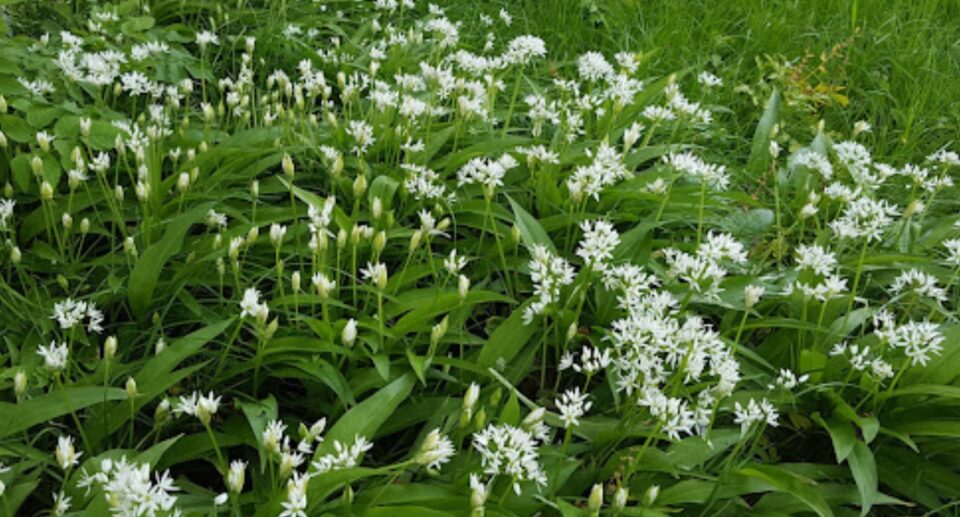
Spring in Ireland arrives quietly, yet with unmistakable signals. One of the most evocative is the scent of wild garlic drifting through woodland paths. Known locally as ramsons, this plant carries both culinary and cultural significance. It connects landscape, tradition, and seasonal eating in a way few ingredients can.
In this guide, we explore Irish wild garlic recipes with a balance of historical insight and practical cooking. You will find simple methods, refined techniques, and a deeper appreciation of this humble yet powerful herb.
What Is Irish Wild Garlic?
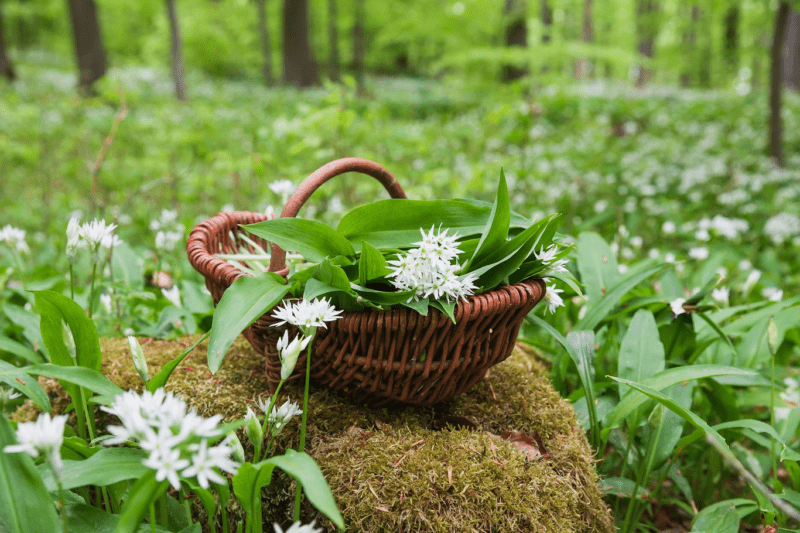
Wild garlic (Allium ursinum) grows abundantly in shaded Irish woodlands from March to May. Its broad green leaves and delicate white flowers make it easy to identify, while its aroma confirms its identity.
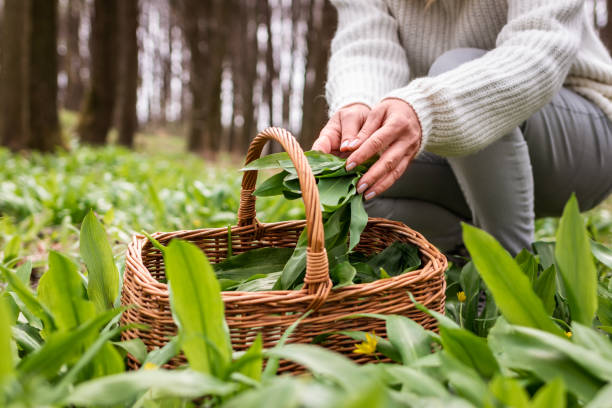
Foraging for wild garlic reflects Ireland’s long-standing relationship with the land. This tradition aligns closely with the themes discussed in https://celtguide.com/crofters-journey-through-time/ where seasonal living and resourcefulness shaped rural life.
Foraging Tips: Safety and Sustainability
Before cooking, responsible foraging matters.
- Pick leaves before flowering for the best flavor
- Avoid polluted areas or roadside growth
- Never uproot bulbs; cut leaves to allow regrowth
- Always confirm identification (avoid toxic lookalikes like lily of the valley)
Foraging is not only practical; it echoes Ireland’s deep cultural respect for nature, much like the reverence seen in https://celtguide.com/celtic-oak-tree/.
Classic Irish Wild Garlic Recipes
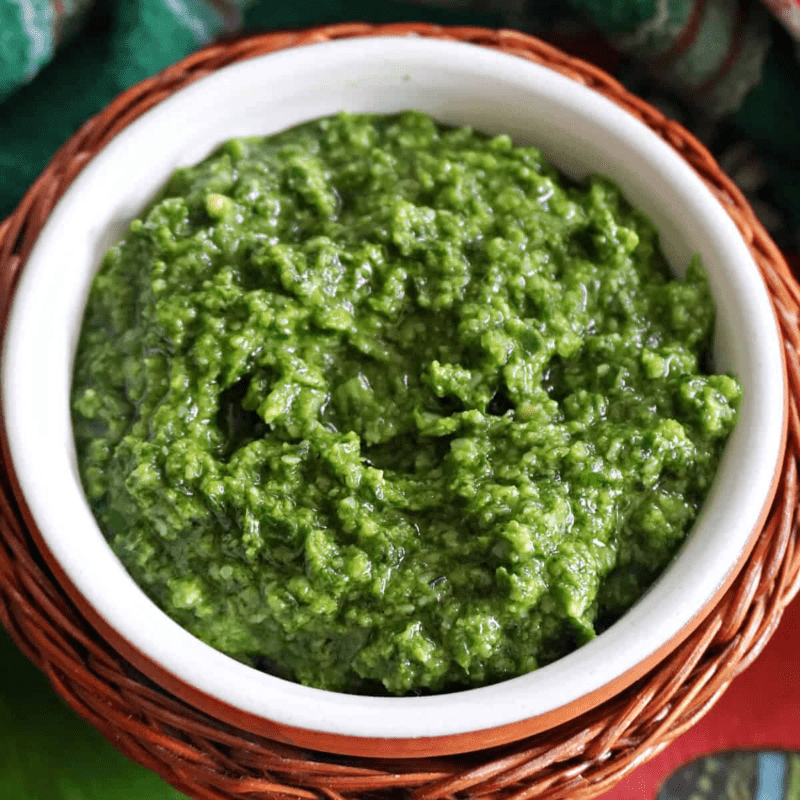
1. Wild Garlic Pesto
A modern staple with ancient roots.
Ingredients:
- Fresh wild garlic leaves
- Olive oil
- Nuts (hazelnuts or pine nuts)
- Hard cheese
- Lemon juice
Method:
Blend all ingredients until smooth. Adjust seasoning to taste.
This pesto pairs well with bread, pasta, or roasted vegetables. Its vibrant flavor captures the freshness of the Irish countryside.
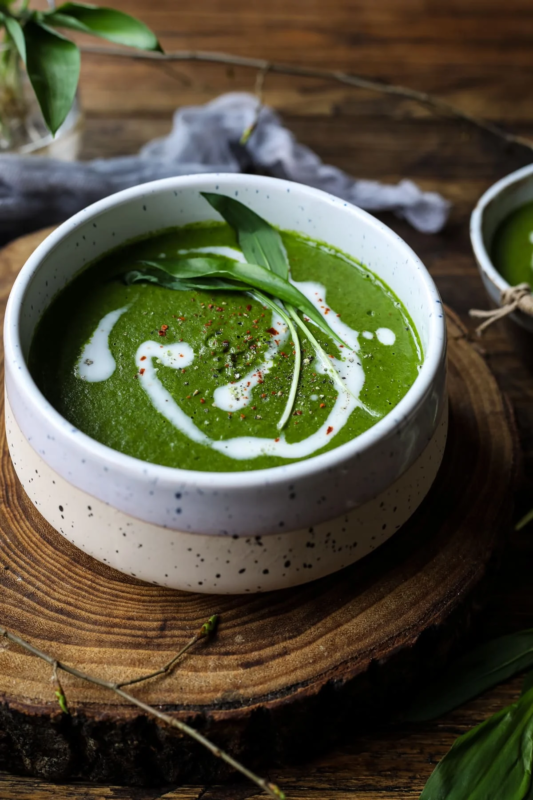
2. Wild Garlic Soup
A comforting, traditional dish.
Ingredients:
- Wild garlic leaves
- Potatoes
- Onion
- Vegetable stock
- Cream (optional)
Method:
Sauté onions, add potatoes and stock, then simmer. Stir in wild garlic near the end to preserve its flavor. Blend until smooth.
This dish reflects the simplicity of Irish cooking, much like meals shaped by historical events such as those explored in
https://celtguide.com/the-influence-of-the-irish-potato-famine/
3. Wild Garlic Butter
A versatile addition to any kitchen.
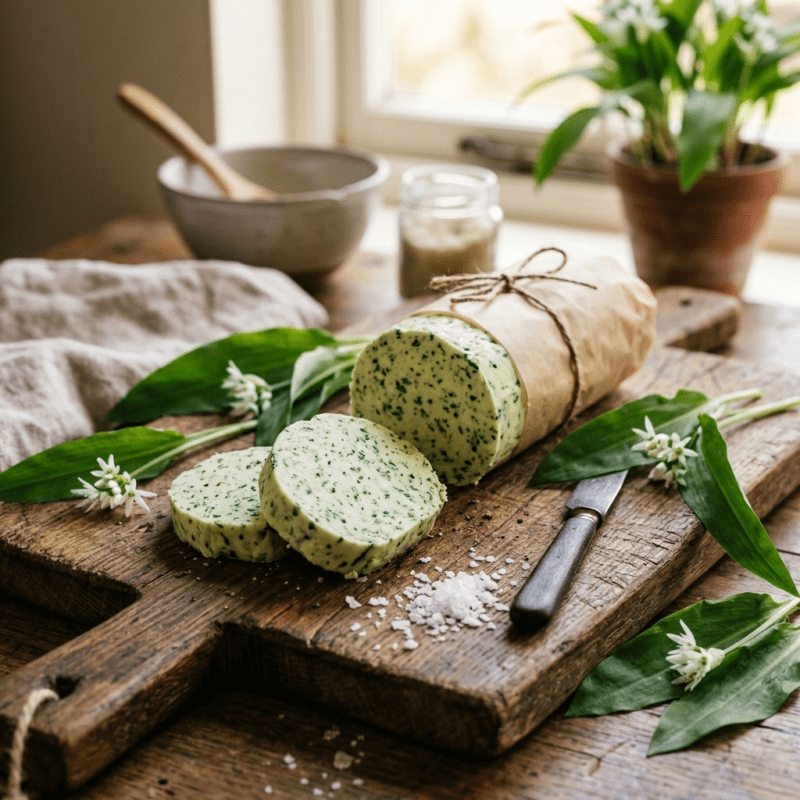
Ingredients:
- Butter
- Finely chopped wild garlic
- Salt and pepper
Method:
Mix all ingredients and roll into a log using parchment paper. Chill before use.
Spread it on bread or melt over meats and vegetables.
Modern Twists on a Traditional Ingredient
Contemporary chefs continue to reinvent wild garlic in creative ways:
- Wild garlic hummus
- Garlic-infused soda bread
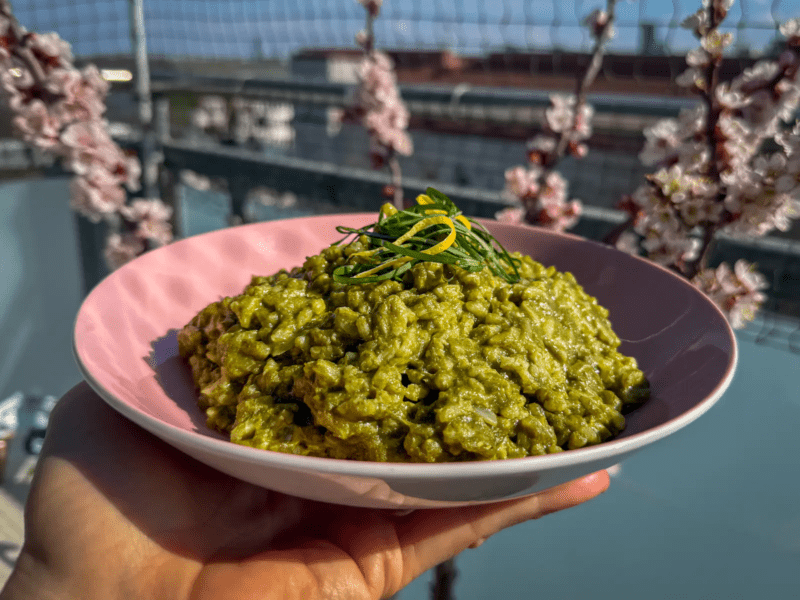
- Wild garlic risotto
- Savory scones with herbs
These innovations mirror the evolving nature of Irish culture, where tradition and creativity coexist, much like storytelling traditions highlighted in https://celtguide.com/why-are-irish-people-natural-storytellers/.
Cultural Significance of Wild Garlic in Ireland
Wild garlic represents more than food. It signals renewal, growth, and connection to the land. In Celtic tradition, seasonal plants often carried symbolic meaning, aligning with cycles of life and renewal.
Spring festivals and gatherings, similar in spirit to
https://celtguide.com/the-significance-of-saint-patricks-day/
celebrate this sense of rebirth and community.
Food, in this context, becomes a cultural expression rather than mere sustenance.
Conclusion: A Taste of Place and Season
Irish wild garlic recipes offer more than culinary variety. They invite you to engage with landscape, history, and tradition. Whether you prepare a simple pesto or a hearty soup, you participate in a living heritage.
Seasonal ingredients like wild garlic remind us that the richest flavors often come from the simplest sources; gathered thoughtfully, prepared carefully, and shared generously.