Scottish Highlander Chiefs: Power, Clans, and Legacy

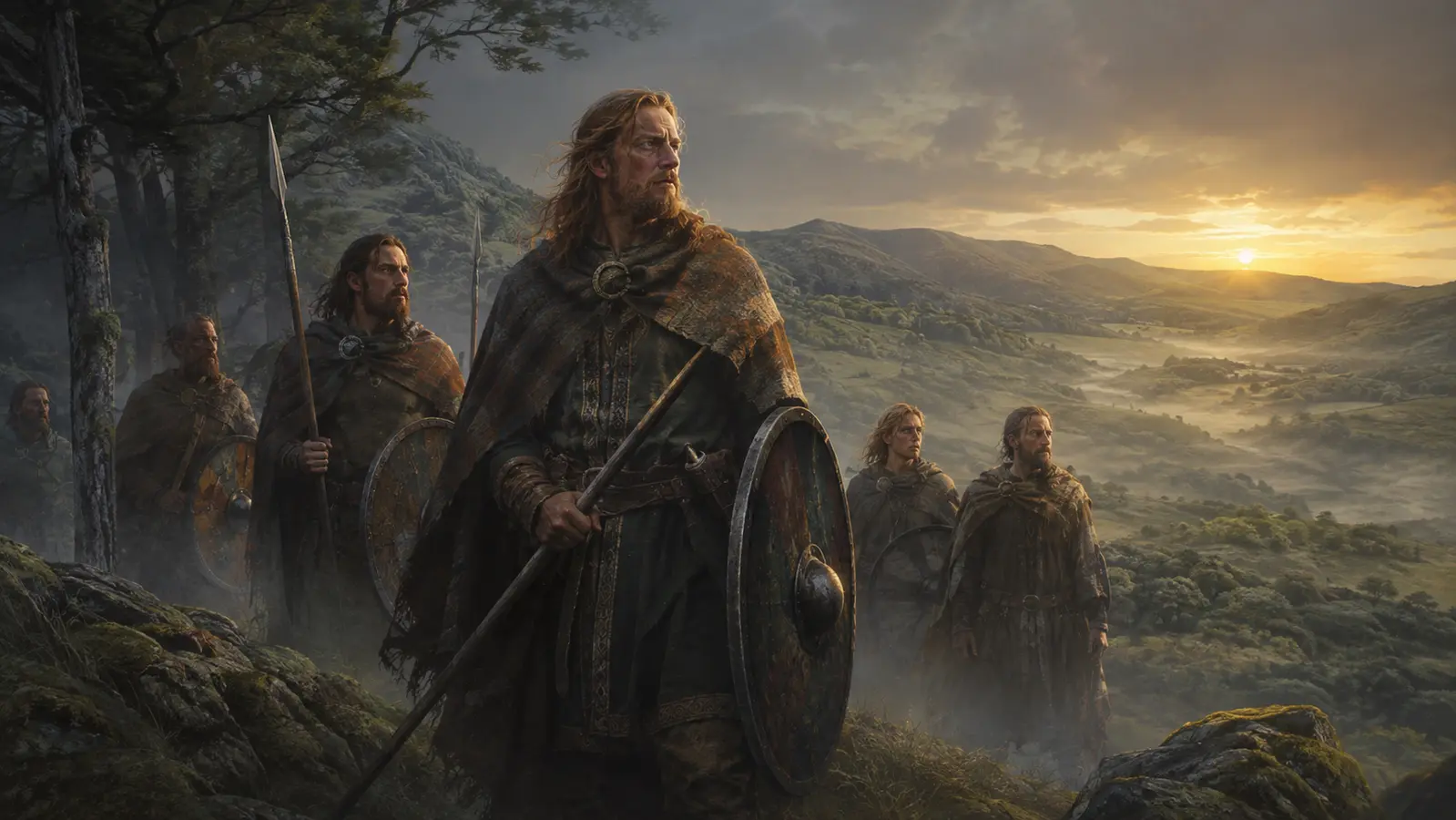
In the rugged landscapes of the Scottish Highlands, authority once flowed through kinship, loyalty, and land. At the centre of this system stood the Highlander chief. More than a political figure, the chief served as protector, judge, military leader, and symbol of clan identity.
To understand Highland history, one must understand the chiefs. Their leadership shaped communities, preserved Gaelic traditions, and influenced the social fabric of Scotland for centuries. Even today, the legacy of clan chiefs remains woven into Scottish heritage.
The Role of a Scottish Highlander Chief
A Highlander chief governed a clan through personal authority rather than formal institutions. Loyalty to the chief defined the structure of Highland society.
The chief’s responsibilities included:
- Defending clan territory
- Settling disputes among members
- Leading warriors during conflict
- Protecting the economic survival of the clan
Clans functioned as extended families. Members believed they descended from a common ancestor. This shared lineage created a strong bond between chief and clansmen.
The clan system also shaped Highland identity. If you want a deeper look at how clans developed, explore How Many Scottish Clans Are There.
Clan Authority and Social Structure
The chief sat at the top of a layered social hierarchy. Below him stood the tacksmen, respected families who managed portions of clan land. Beneath them lived farmers, craftsmen, and warriors who supported the clan economy.
Unlike feudal systems in other parts of Europe, the Highland clan structure relied heavily on personal allegiance. A chief’s power depended on the loyalty of his people rather than written law.
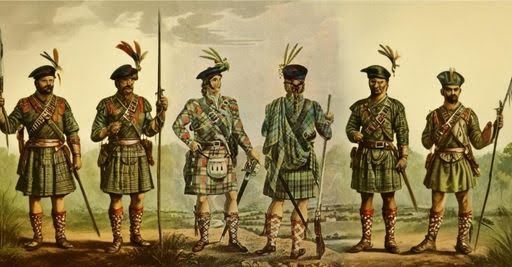
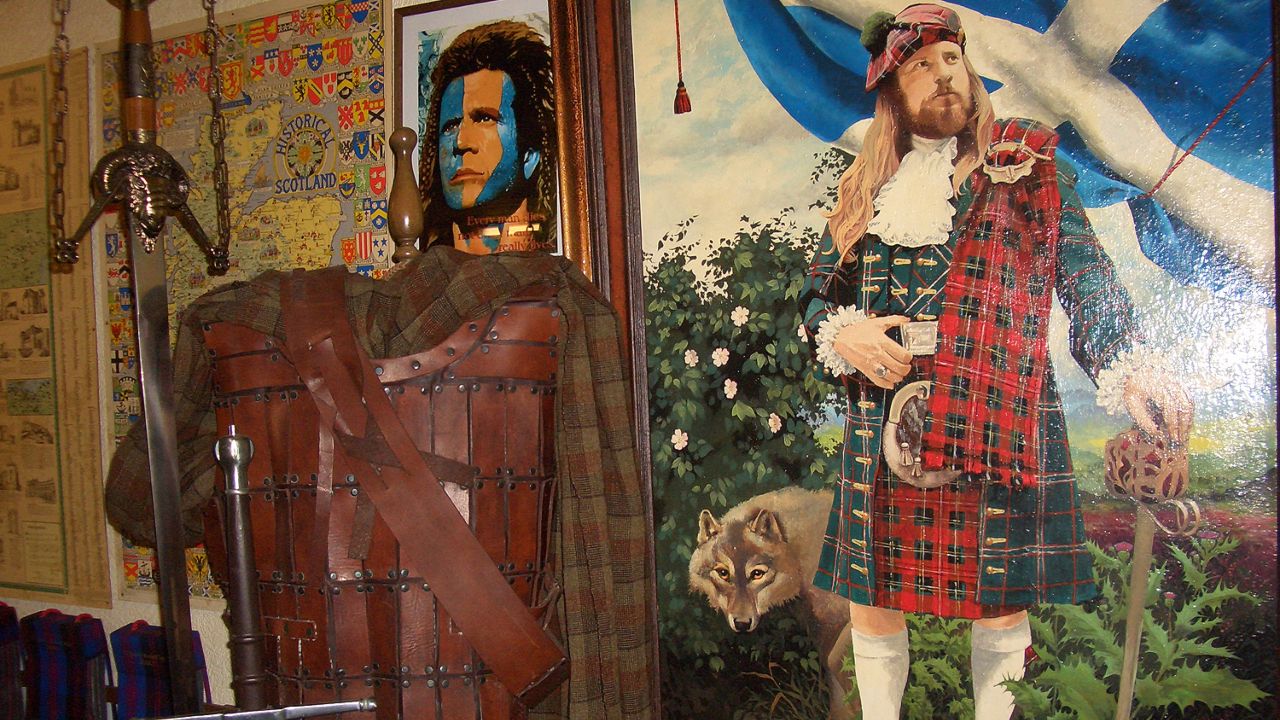
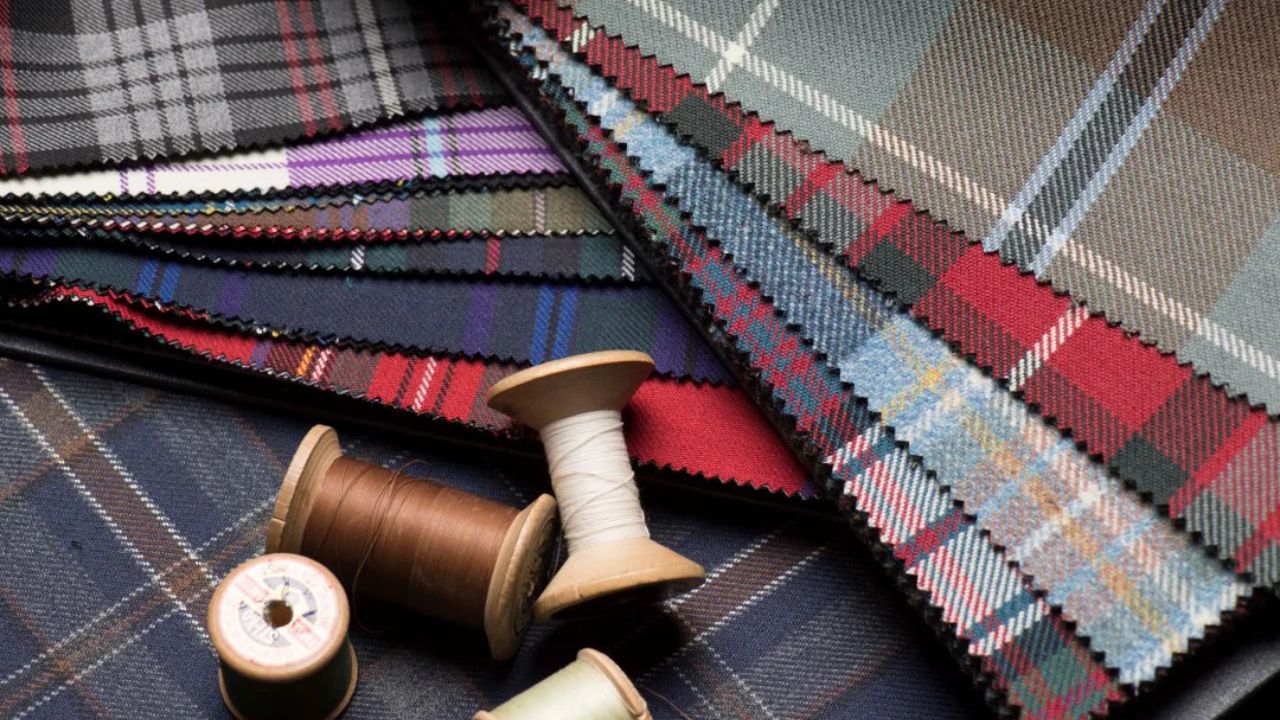
Clan identity also appeared through distinctive cultural markers. Clothing patterns such as tartan later became powerful symbols of clan affiliation. For more on this cultural tradition, see What Is Tartan?.
Warfare and the Military Leadership of Chiefs
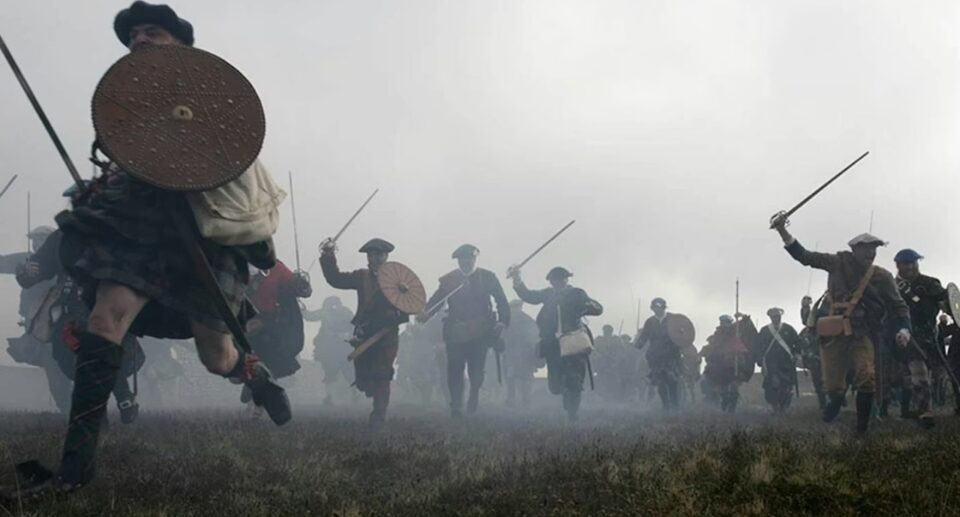
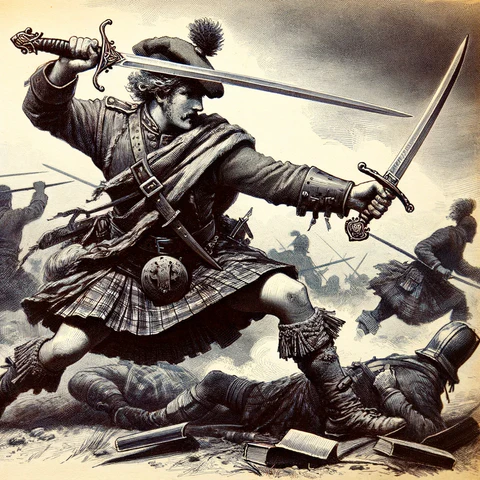
Conflict played a central role in Highland politics. Chiefs often led their clans into battle during territorial disputes or alliances between rival families.
Warriors fought with traditional weapons, including the Highland dirk. This blade carried both practical and symbolic value within Highland culture. You can learn more in What Is a Dirk Knife?.
Military leadership demanded courage and strategic skill. Chiefs stood at the front lines, strengthening the bond between leader and clansman. Victory brought honour and security. Defeat could weaken a clan’s standing in the Highlands.
Cultural Guardians of Gaelic Tradition
Highlander chiefs also protected the cultural life of the clan. Gaelic language, poetry, music, and storytelling flourished under their patronage.
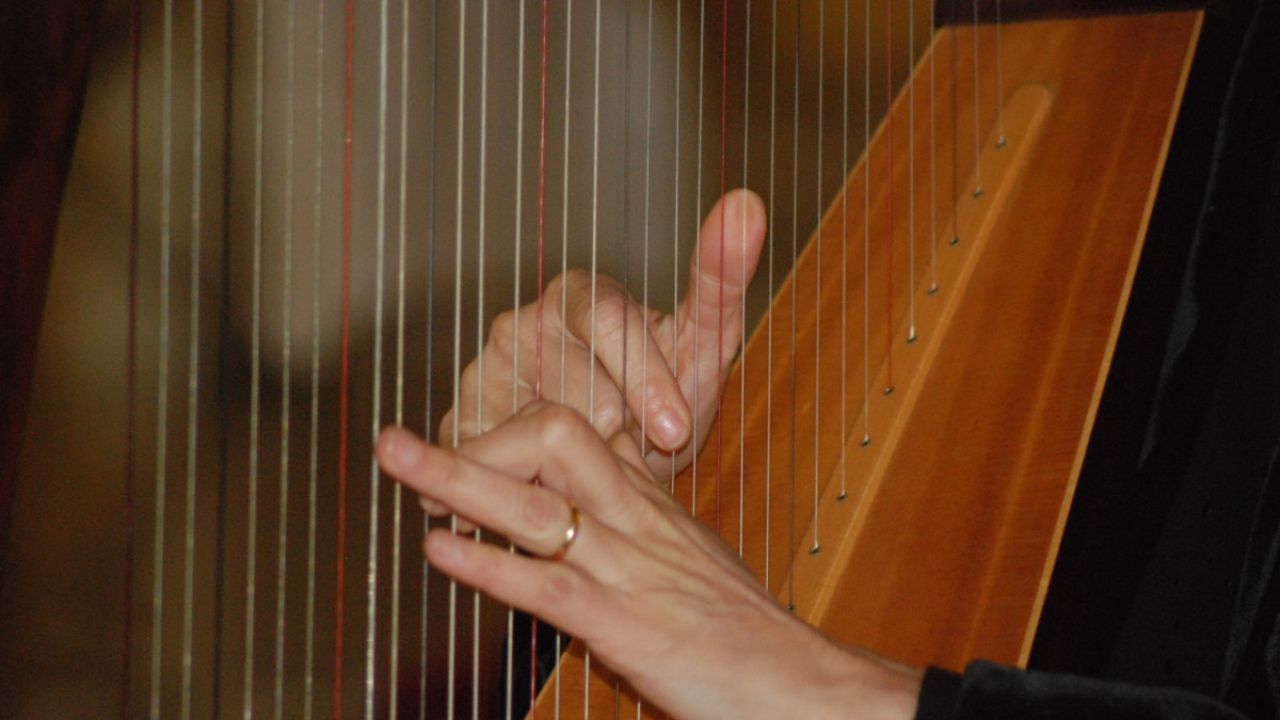
Bards and musicians held respected roles within clan society. Their performances preserved history and celebrated heroic deeds. Music traditions such as the fiddle later became central elements of Celtic culture. Learn more in Fiddle Music.
Through oral tradition, chiefs ensured that clan history remained alive across generations.
Land, Loyalty, and the Highland Landscape
The authority of Highland chiefs rested heavily on land ownership. Mountain glens, rivers, and grazing lands supported the clan’s survival.
Communities farmed and raised livestock under the chief’s protection. This rural lifestyle closely resembled the lives of Highland crofters. For a historical perspective, read Crofters: A Journey Through Time.
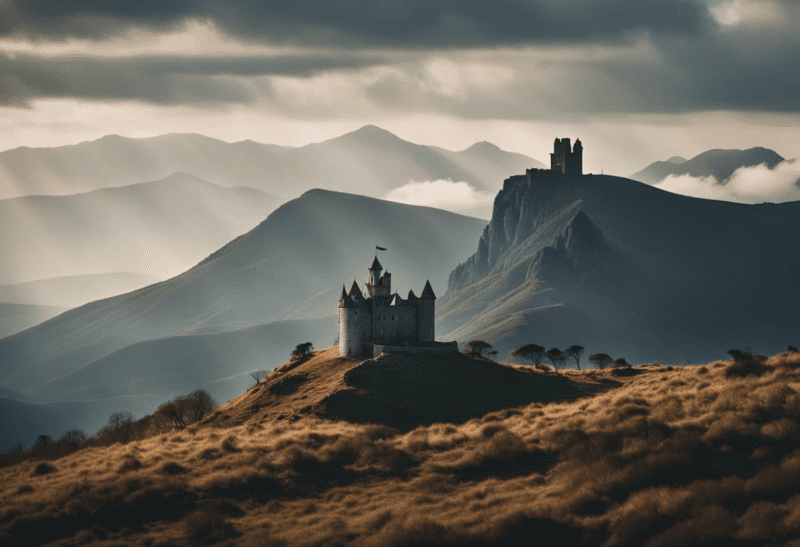
The landscape itself shaped Highland culture. Harsh terrain fostered resilience, independence, and strong community bonds.
The Decline of the Clan Chiefs
The power of Highland chiefs began to weaken after the 18th century. Several historical changes reshaped the Highlands:
- The Jacobite uprisings and their aftermath
- Government efforts to dismantle the clan system
- Economic transformation and land restructuring
Gradually, chiefs shifted from warrior leaders to landowners within the British system. Some even participated in the controversial Highland Clearances.
Despite these changes, clan identity never fully disappeared.
The Modern Legacy of Scottish Clan Chiefs
Today, many clan chiefs still exist as ceremonial leaders recognised by Scottish tradition. Their role focuses on heritage, cultural preservation, and clan gatherings rather than governance.
Clan societies around the world celebrate this history through events such as the Highland Games. If you’re interested in these traditions, explore Events to Watch in Highland Games 2025.
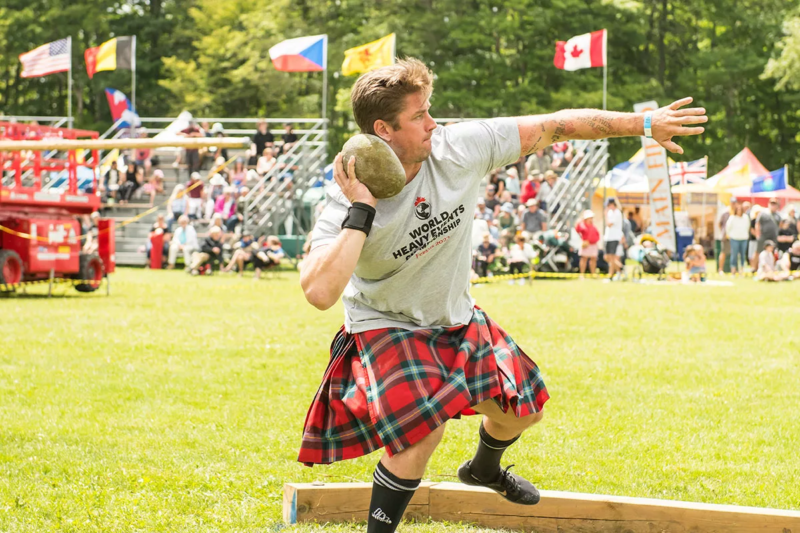
Modern Scotland honors clan history as an essential part of its cultural identity.
Why Highlander Chiefs Still Matter
Scottish Highlander chiefs represent more than historical figures. They embody a unique leadership tradition rooted in kinship, land, and loyalty.
Their influence shaped clan society, preserved Gaelic culture, and defined Highland identity for centuries. From tartan traditions to clan gatherings today, echoes of their leadership remain visible.
Understanding Highland chiefs allows us to see how community, heritage, and landscape combined to create one of Scotland’s most enduring cultural systems.
For more insights into Celtic heritage and traditions, explore the CeltGuide Blog.