
Irish Bog Cotton Harvest: Tradition & Landscape
A Quiet Ritual of the Irish Landscape
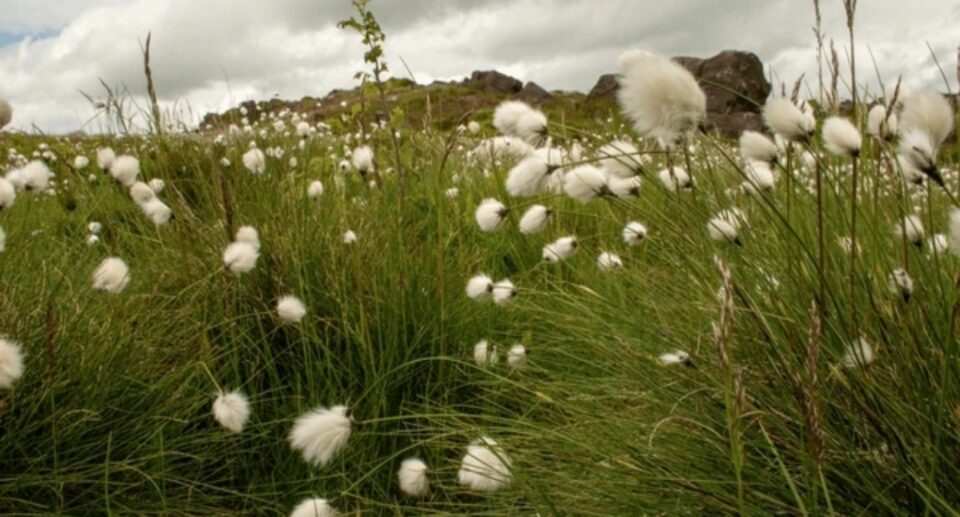
Across Ireland’s peatlands, a soft white bloom appears each summer. Bog cotton, often mistaken for wool caught on the wind, transforms the moor into a living tapestry. The Irish bog cotton harvest, though modest in scale, carries deep ecological and cultural meaning. It reflects a long relationship between people and the land, one shaped by patience, respect, and memory.
This tradition may not dominate headlines, yet it quietly anchors rural identity. Like the enduring practices described in the Crofters’ Journey Through Time, it reveals how communities adapt to and honor their environment.
What Is Bog Cotton?
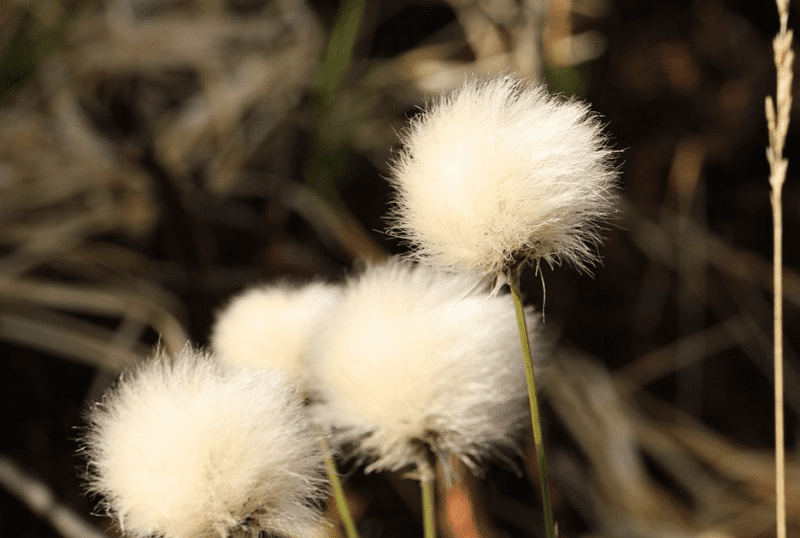
Bog cotton (Eriophorum) thrives in waterlogged, acidic soils. It grows in peat bogs, where few other plants survive. Its defining feature is the fluffy, cotton-like seed head that emerges in late spring and early summer.
Despite its name, bog cotton does not produce textile fiber like true cotton. Instead, people historically used it for practical and symbolic purposes. Rural communities valued it for lamp wicks, bedding stuffing, and even wound dressing. Its presence also signals a healthy bog ecosystem.
The Harvest: Timing and Technique
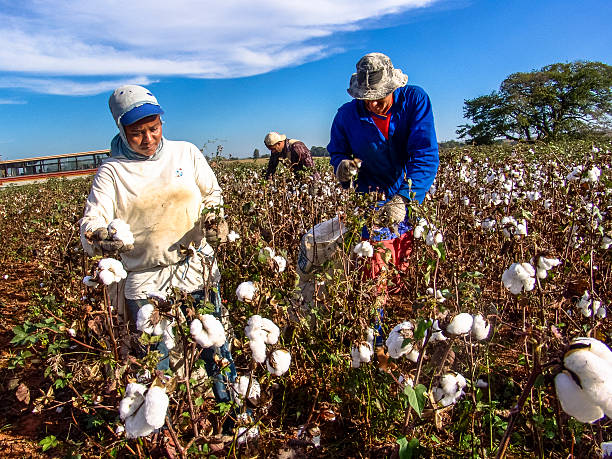
The Irish bog cotton harvest never followed rigid industrial methods. Instead, it relied on seasonal awareness and gentle handling. Harvesters collected the plant during peak bloom, when the white tufts reached full softness.
They worked by hand. This method ensured minimal damage to the fragile bog surface. Peatlands store vast amounts of carbon, so careful harvesting protected both the environment and future growth cycles.
Unlike agricultural harvests, this practice emphasized restraint. People took only what they needed. This approach mirrors the sustainable ethos found in other Irish traditions, including those explored in Irish Holy Wells, where nature and spirituality intertwine.
Cultural and Folkloric Significance
Bog cotton occupies a quiet space in Irish folklore. While it lacks the dramatic myths of selkies or fairy glens, it still carries symbolic weight. Its delicate white fibers often represent purity, transience, and the fleeting nature of life.
In some regions, people associated bog cotton with protection. They believed it could ward off misfortune when placed in the home. Its soft texture also inspired poetic imagery in Gaelic storytelling traditions. This connection aligns with Ireland’s rich narrative culture, as discussed in Why Are Irish People Natural Storytellers?.
Ecological Importance of Peatlands
To understand the harvest, one must first understand the bog itself. Irish peatlands rank among the most important ecosystems in Europe. They act as carbon sinks, water regulators, and biodiversity havens.
Bog cotton plays a vital role within this system. It stabilizes soil and supports microhabitats for insects and birds. Removing it carelessly could disrupt the delicate balance of the bog.
Modern conservation efforts now protect many peatlands. While traditional harvesting still occurs in limited forms, it follows strict environmental guidelines. This shift reflects a broader awareness of ecological responsibility.

From Utility to Heritage
Over time, the practical uses of bog cotton declined. Industrial materials replaced it in everyday life. However, its cultural value remains intact.
Today, people view the Irish bog cotton harvest less as a necessity and more as a heritage practice. It symbolizes continuity. It reminds communities of a slower, more attentive way of living.
Artists and craftspeople have also rediscovered its aesthetic appeal. Some incorporate bog cotton into natural displays or heritage exhibitions. Others use it to evoke nostalgia and connection to the land.
A Living Tradition in a Changing World
Ireland continues to evolve, yet its landscapes still hold ancient rhythms. The sight of bog cotton swaying in the wind offers a moment of stillness. It invites reflection on how humans interact with nature.
The harvest itself may never regain its former practicality. Still, its meaning deepens in the modern era. It stands as a gentle counterpoint to industrial life, reminder that not all value lies in productivity.
Much like the cultural resilience seen in The Influence of the Irish Potato Famine, the story of bog cotton reflects endurance, adaptation, and memory.
Conclusion: Soft Threads of Identity
The Irish bog cotton harvest weaves together ecology, culture, and history. It does not demand attention, yet it rewards those who notice it. In its quiet way, it tells a story of balance between use and preservation, tradition and change.
As Ireland moves forward, such traditions gain new importance. They anchor identity in a world of rapid transformation. And sometimes, the softest threads hold the strongest connections.

FAQs
1. What is Irish bog cotton used for?
People once used it for lamp wicks, bedding, and simple medical purposes.
2. When does bog cotton bloom in Ireland?
It usually blooms from late spring to early summer.
3. Is bog cotton still harvested today?
Yes, but in limited and sustainable ways.
4. Why are peatlands important in Ireland?
They store carbon, regulate water, and support biodiversity.
5. Does bog cotton have cultural significance?
Yes, it symbolizes purity and appears in Irish folklore and storytelling traditions.