
Irish Traditional Hen Houses: A Living Thread of Rural Heritage
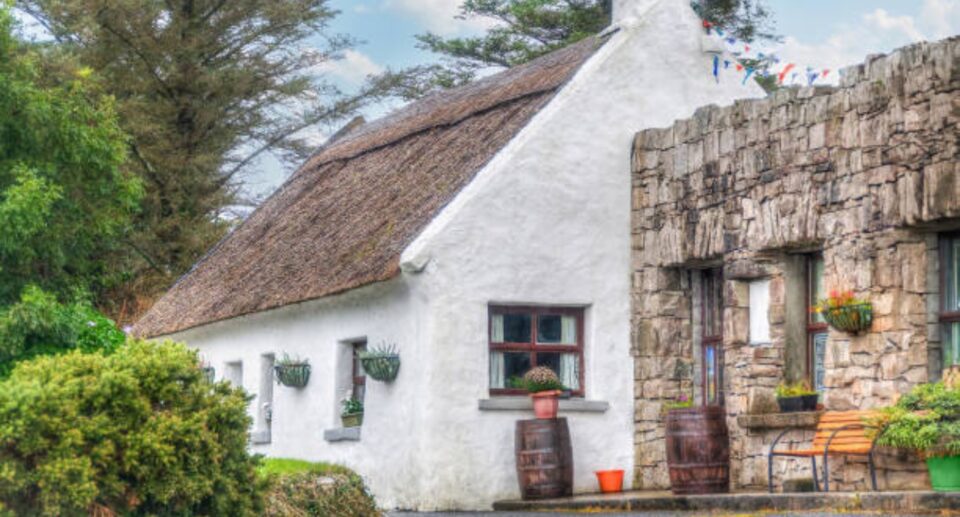
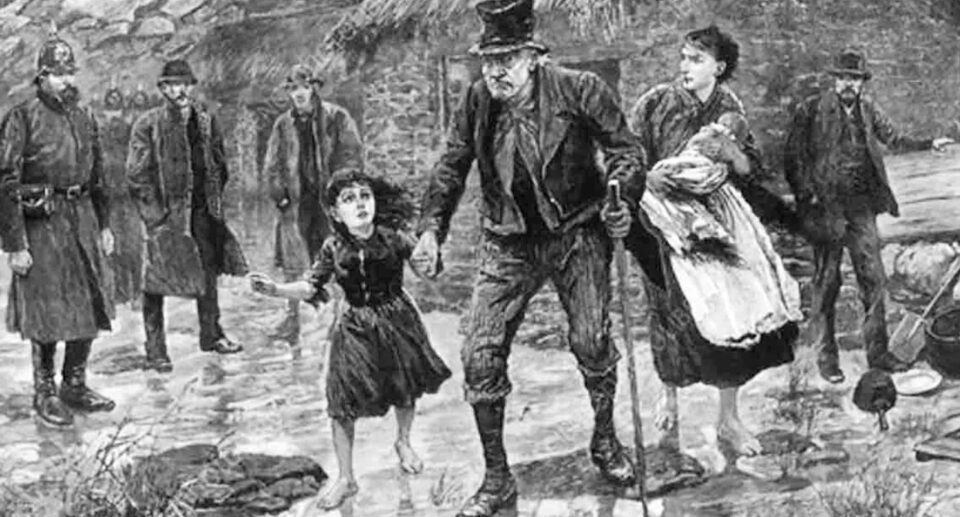
Irish traditional hen houses reflect more than simple utility. They reveal a way of life rooted in resilience, self-sufficiency, and quiet ingenuity. Across rural Ireland, these humble structures stood beside cottages, forming part of a domestic ecosystem that sustained families for generations.
This article explores their design, history, and cultural meaning. It also connects them to broader Irish traditions, from storytelling to land stewardship.
The Historical Role of Hen Houses in Ireland
In pre-industrial Ireland, most households kept a small flock of hens. These birds provided eggs, occasional meat, and even barter value. A well-built hen house ensured survival during harsh winters and damp conditions.
Rural communities depended on such small-scale systems. Much like the practices discussed in
https://celtguide.com/crofters-journey-through-time/, Irish families relied on intimate knowledge of land and livestock.
Hen houses, therefore, were not incidental. They were essential.
Design Features of Traditional Irish Hen Houses
Built for Weather and Durability
Ireland’s climate shaped every aspect of construction. Builders used locally available materials such as:
- Stone
- Timber
- Thatch or slate
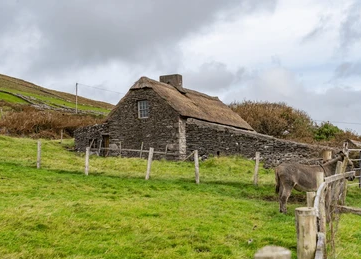
Thick stone walls protected hens from wind and rain. Small openings allowed ventilation without exposing birds to harsh elements.
Elevated and Secure Structures
Many hen houses stood slightly elevated. This design prevented flooding and deterred predators. Foxes and rodents posed constant threats, so secure doors and narrow entry points became standard.
Interior Simplicity
Inside, functionality guided design. Typical features included:
- Wooden perches for roosting
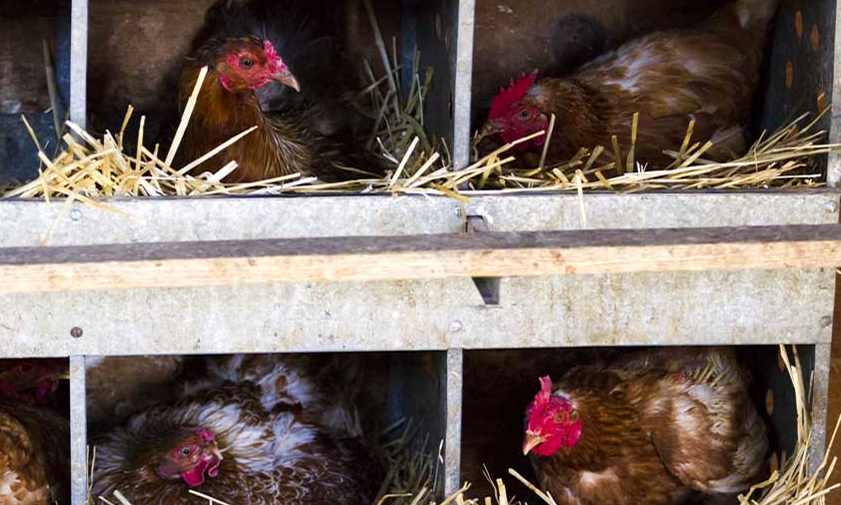
- Nesting boxes lined with straw
- Compact layouts for heat retention
The simplicity reflects a broader Celtic aesthetic also seen in artifacts like
https://celtguide.com/celtic-stone-carvings/.
Practicality and symbolism often coexisted.
Cultural Significance in Irish Life
Hen houses formed part of daily rhythms. Feeding hens each morning and collecting eggs each evening created a steady routine. These acts often carried into oral traditions and memory.
Irish storytelling, explored in
https://celtguide.com/why-are-irish-people-natural-storytellers/,
frequently draws from such everyday experiences. Rural life, including the care of animals, shaped narrative identity.
Moreover, hens symbolized modest prosperity. A household with healthy birds suggested stability and good management.
Regional Variations Across Ireland
While the basic structure remained consistent, regional differences emerged:
- Western Ireland: More stone-built hen houses due to rocky terrain
- Eastern regions: Greater use of timber
- Coastal areas: Reinforced structures to withstand strong winds
These variations mirror broader geographical diversity, much like the landscapes described in
https://celtguide.com/ring-of-kerry/.
Sustainability and Modern Relevance
Today, interest in traditional hen houses is growing again. Sustainable living movements value:
- Local food production
- Low-impact construction
- Heritage preservation
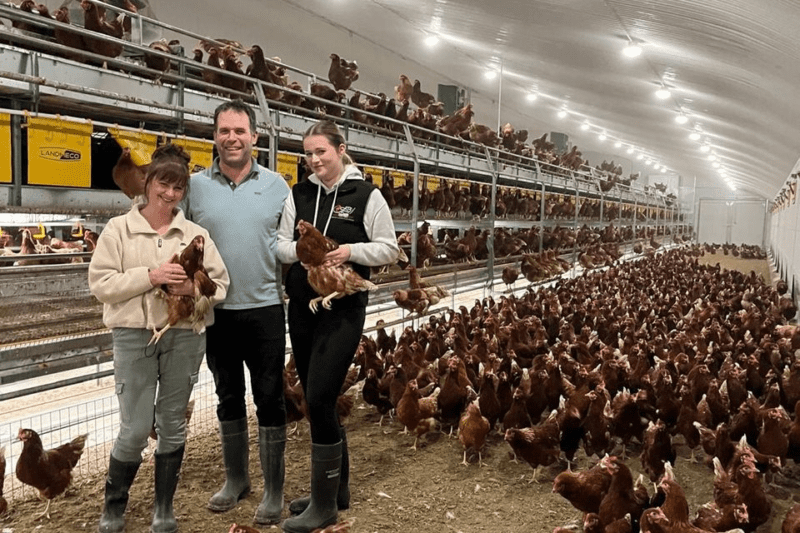
Modern chicken coop designs often borrow directly from Irish traditions. Thick insulation, natural ventilation, and predator protection remain relevant.
In many ways, these structures anticipate contemporary ecological thinking. They align with the same respect for nature seen in Celtic traditions surrounding the oak tree:
https://celtguide.com/celtic-oak-tree/
How to Build a Traditional Irish-Style Hen House
Key Principles
If you wish to recreate this style, focus on:
- Material authenticity – Use stone or untreated wood
- Weather resistance – Ensure insulation and drainage
- Compact design – Retain warmth efficiently
- Security – Protect against predators
Practical Tips
- Position the hen house on slightly raised ground
- Use straw bedding to maintain warmth
- Include small ventilation gaps near the roof
These elements remain faithful to traditional practices while meeting modern needs.
Conclusion
Irish traditional hen houses stand as quiet witnesses to a resilient past. They combine practicality with cultural depth, reflecting a society that valued resourcefulness and harmony with nature.
As modern life shifts toward sustainability, these structures offer more than historical interest. They provide a blueprint for living well with fewer resources.
To explore more about Irish traditions and rural heritage, visit
https://celtguide.com/blog/