The Stone of Scone: Scotland’s Coronation Stone of Destiny

Few objects in Scotland’s history carry as much legend, symbolism, and controversy as the Stone of Scone also known as the Stone of Destiny. This unassuming block of sandstone has been at the center of royal coronations, cultural pride, and centuries of myth-making. But what makes this stone so important in Scottish and Celtic tradition?
Ancient Origins and Celtic Symbolism
The origins of the Stone of Scone remain mysterious. Some traditions claim it was brought from Ireland, where it was connected to the sacred Hill of Tara, seat of the High Kings. Others believe it was a Celtic ritual stone, used in ceremonies to confirm kingship, linking rulers with divine power.
In Celtic culture, stones were never just stones, they were vessels of sacred energy. From Celtic stone carvings to holy wells, they served as portals to the spiritual world. The Stone of Scone, therefore, carried deep symbolic meaning as a bridge between the earthly and the eternal.
The Coronation Stone of Scotland
By the medieval period, the Stone of Scone had become inseparable from Scottish kingship. For centuries, monarchs were crowned upon it at Scone Abbey, giving the stone its enduring name. It was believed that no true ruler of Scotland could be crowned without it, making it the ultimate emblem of sovereignty.
This mirrors how symbols like the Claddagh ring came to embody identity and loyalty, objects that held more than material value; they held the soul of a people.
The Stone Taken to England
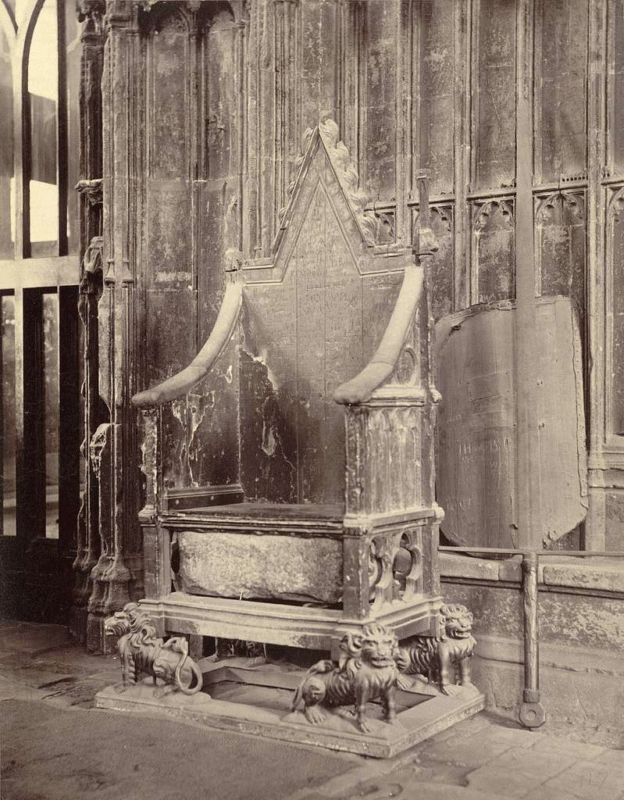
In 1296, King Edward I of England seized the stone and had it installed in Westminster Abbey, embedded beneath the Coronation Chair. For centuries, it was used in the coronation of English and later British monarchs. Its removal was a deliberate act, an attempt to break Scottish identity by taking its most sacred symbol.
This echoes other moments of cultural upheaval, such as the Irish Potato Famine, where identity and survival were tested under pressure. Yet, despite being taken, the stone never lost its Scottish significance.
Return to Scotland and Modern Legacy
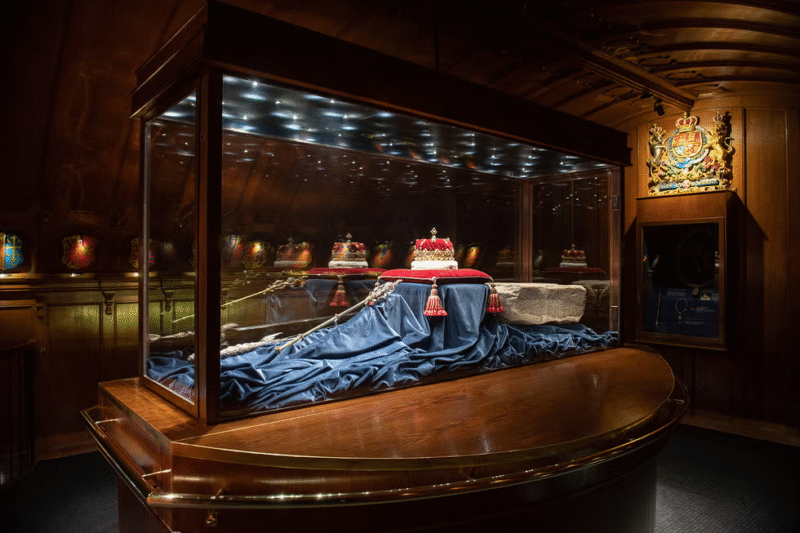
After centuries in England, the Stone of Scone was returned to Scotland in 1996, now resting in Edinburgh Castle alongside the Crown Jewels of Scotland. It will still be taken to Westminster for future coronations, but its homecoming marked a symbolic victory for Scottish heritage.
Like the tartan, the Stone of Scone is more than history, it is a living emblem of cultural pride.
Myth, Legend, and the “Stone of Destiny”
The Stone is not just political, it is mythical. Legends call it the “Stone of Destiny,” claiming it originated from biblical lands or was the very stone where Jacob laid his head in the Old Testament. While historians debate such tales, these myths reveal something deeper: the stone’s power lies as much in imagination as in geology.
Much like stories of the Linton Worm or selkies, the myths surrounding the Stone of Scone reflect how Celts and Scots infused the physical world with layers of narrative and meaning.
Final Thoughts
The Stone of Scone is more than sandstone, it is Scotland’s story in solid form. From its Celtic roots to royal coronations and modern-day heritage, it stands as a symbol of identity, sovereignty, and resilience.
To explore more stories where myth and history intertwine, visit our blog archive and uncover the legends that continue to shape Celtic and Scottish identity.