The Irish Wake Tradition: Honoring Life Through Laughter and Tears

Few cultural rituals reflect the Irish spirit as deeply as the wake. The Irish Wake tradition transforms grief into storytelling, remembrance, and even laughter. It’s a celebration of life wrapped in music, faith, and the warmth of community.
A Celebration Rooted in Celtic Belief
Before Christianity reached Ireland, Celts viewed death as a journey to the Otherworld, not an end. The wake emerged from these older spiritual ideas, bridging life and death with ritual and reverence.
The Celtic view of the soul as eternal, mirrored in myths like those of the Cauldron of Dagda, shaped how the Irish grieved. Death wasn’t feared; it was simply another chapter.
Even today, echoes of that ancient Celtic resilience remain present at modern wakes across Ireland.
The Purpose of the Wake
At its core, the wake serves two purposes: to honor the dead and comfort the living. Traditionally, the body of the deceased stayed at home for one or two nights. Family, neighbors, and friends gathered to share food, prayers, and memories.
The word “wake” itself implies watching over, a vigil that ensures the departed’s safe passage. But beyond that solemnity lies laughter, storytelling, and song.
In fact, the Irish are known as natural storytellers, and the wake becomes the perfect stage for stories to unfold—each tale a thread in the tapestry of the deceased’s life.
Music, Song, and the Irish Spirit
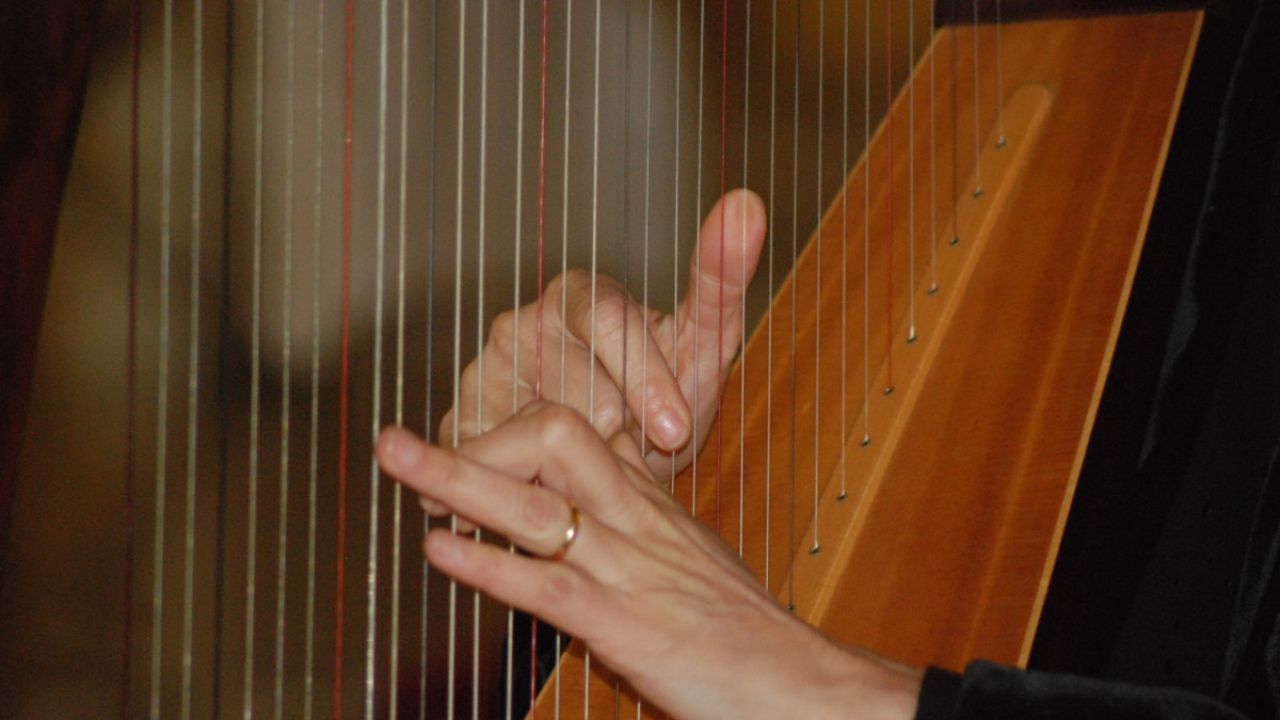
Music holds a sacred place in every Irish gathering. The bodhrán drum and the Celtic harp, or clarsach, often accompany mournful laments and soft airs played in memory of the dead.
Yet, as night deepens, tunes shift from somber to lively, inviting laughter and dancing. The wake becomes not just a farewell but a declaration: life must go on.
This balance of sorrow and joy is what makes the Irish Wake uniquely human.
Rituals and Customs of the Wake
Each wake follows familiar customs that blend pagan echoes with Christian faith:
- Candles are lit near the body to guide the soul.
- Mirrors are covered to prevent trapping spirits.
- Rosaries and prayers are recited, often led by an elder.
- Whiskey and tea flow freely, warming both heart and spirit.
In some regions, playful games or teasing might break the tension. Far from disrespectful, this humor reaffirms connection and comfort—values deeply rooted in Irish tradition.

A Social and Spiritual Gathering
The wake brings together generations—elders telling tales, children quietly learning the rhythm of remembrance. It’s a communal act of love and resilience.
It also reflects Ireland’s storytelling heritage. Much like the Celtic stone carvings of ancient times (read more here), the wake preserves memory through art—except this art is spoken, sung, and lived.
Echoes of Faith and Folklore
Irish wakes blur the line between Christian devotion and Celtic mysticism. Belief in spirits, banshees, and omens once shaped the way people prepared for death.
In rural Ireland, some even left the door slightly open—to let the soul pass peacefully. This blend of the sacred and the supernatural gives the wake its unmistakable Irish character.
Such stories share roots with other myths of Irish folklore—like the Selkies or the Sun God Lugh—where the world of the living and the otherworldly always intertwine.
From Past to Present
Though modern funeral homes have replaced traditional house wakes in many places, the Irish wake tradition endures. In both rural villages and Dublin suburbs, families still gather to tell stories, play music, and celebrate the life of the departed.
In a changing Ireland, the wake remains a bridge between heritage and modernity between memory and meaning.
Final Thoughts: Remembering the Irish Way
The Irish wake teaches us that mourning and joy can coexist. It’s a cultural ritual that mirrors the Irish heart itself—resilient, compassionate, and full of song.
From ancient Celtic roots to present-day gatherings, the wake continues to remind us that every ending carries a story worth telling.
For more on Irish culture and heritage, explore our collection at CeltGuide’s Culture and Tradition section.