The Irish Wedding Traditions: Love, Lore, and Lasting Bonds

Every Irish wedding carries centuries of charm, ritual, and poetry. From handfasting ceremonies to the Claddagh ring’s eternal symbolism, each custom connects couples to Ireland’s ancient spirit. These traditions blend faith, folklore, and family, turning a wedding into something far deeper, a union of souls rooted in Celtic identity.
Handfasting: The Ancient Celtic “Tying the Knot”
Long before church weddings, Celts marked their unions with handfasting. During the ceremony, a priest or druid tied ribbons or cords around the couple’s hands to symbolize unity. The phrase “tying the knot” comes directly from this ritual.
Each color in the cord held meaning — red for passion, blue for faith, and green for fertility. Couples often crafted their own ribbons, weaving personal history into the strands.

The symbolism of binding and unity finds a spiritual echo in other Irish traditions, like the Celtic Oak Tree, a timeless emblem of strength and endurance (Celtic Oak Tree).
The Claddagh Ring: Love, Loyalty, and Friendship
No Irish wedding is complete without the Claddagh ring, a heart held by two hands beneath a crown. This beloved Irish symbol represents love, loyalty, and friendship. Originating from Galway, it has become a worldwide icon of Irish romance.
The way one wears it tells a story:
- On the right hand with the heart facing outward — single.
- On the right hand with the heart inward — taken.
- On the left hand with the heart inward — married.

You can explore the full meaning behind this ring in our in-depth article on Claddagh Ring Meaning, History, and Symbolism.
Irish Wedding Attire: A Blend of Heritage and Elegance
Traditional Irish brides often wore blue, once the color of purity before white became fashionable. Today, modern brides mix Celtic symbols with contemporary style, from embroidered shamrocks on veils to Celtic knot jewelry representing eternal love.
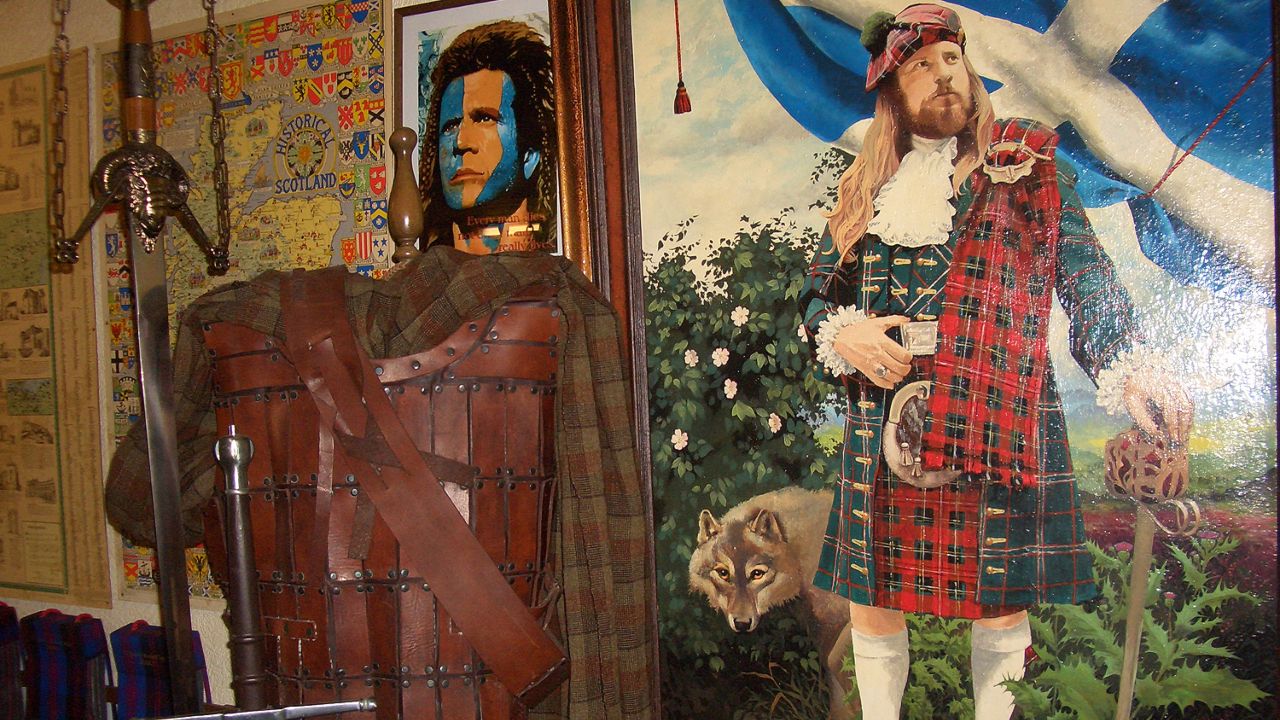
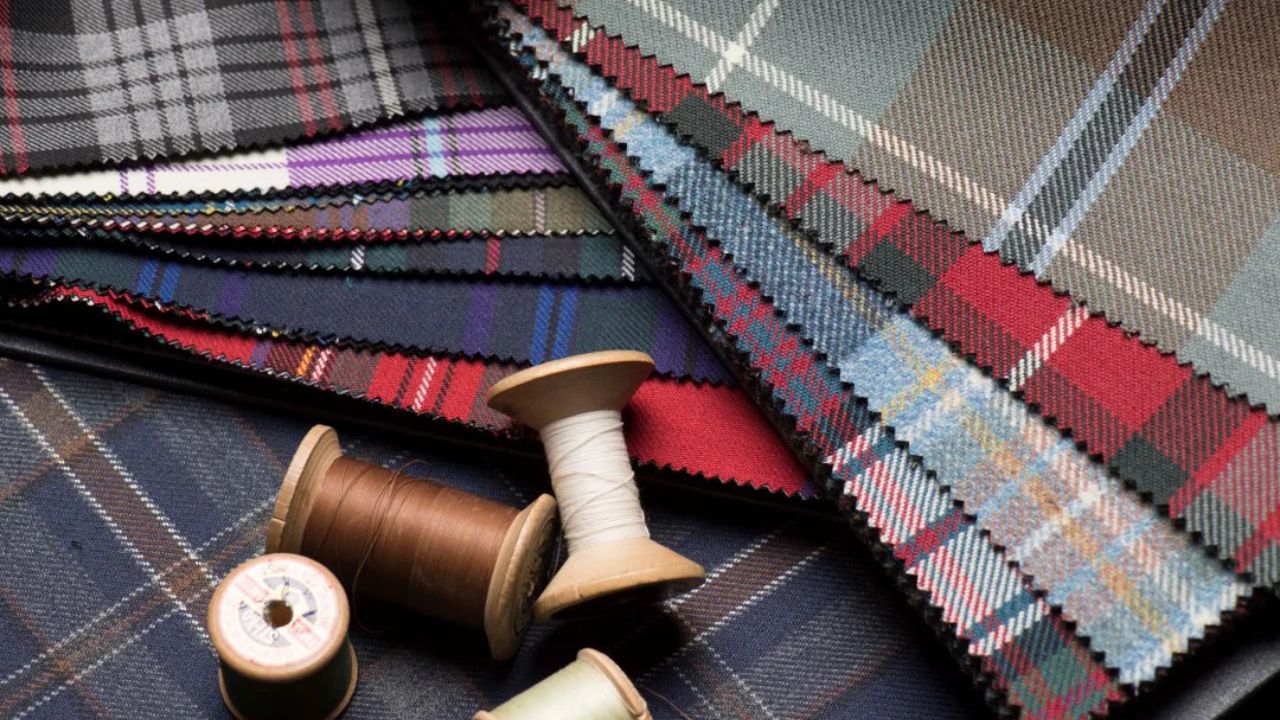
Grooms might wear a kilt or tartan sash reflecting family lineage, linking to our article Do Irish Wear Kilts? and insights on What is Tartan?.

Music and Dance: The Heartbeat of the Celebration
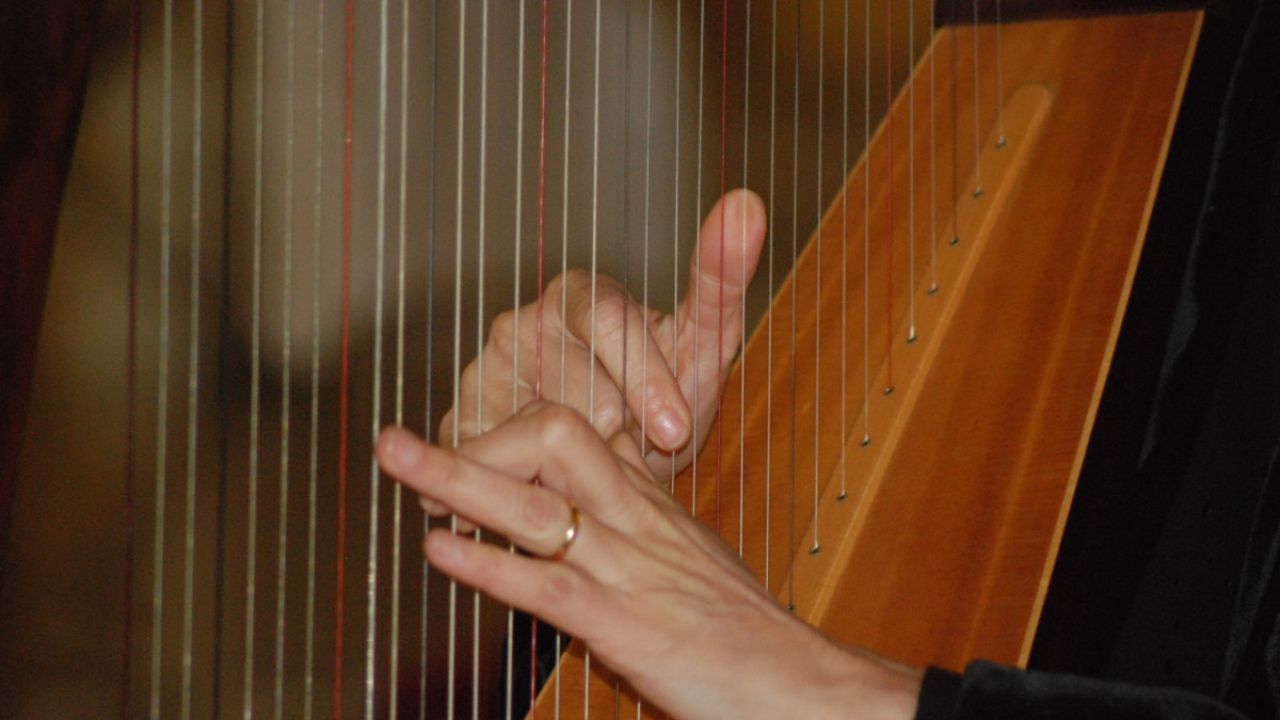
Irish weddings are never silent affairs. The melodies of the bodhrán drum and Celtic harp set the rhythm for joy. Couples often include Ceili dancing, inviting everyone to join in the circle of celebration.
The music’s soul echoes the very essence of Irish storytelling and rhythm, much like the traditions explored in Ceili Bands and The Bodhrán Drum.

The Wedding Blessings and Toasts
Words hold deep power in Irish culture. Traditional wedding blessings and Gaelic toasts express hope, humor, and enduring love.
One popular blessing says:
“May your hands be forever clasped in friendship and your hearts joined forever in love.”
Guests often raise their glasses with the Irish cheer “Sláinte!”, wishing health and happiness — a spirit that lives on in The Meaning of Irish Toasts and Cheers.

Irish Wedding Customs and Superstitions
Like all great traditions, Irish weddings carry a touch of folklore:
- Horseshoes bring good luck when hung facing up.
- Irish lace symbolizes devotion.
- Bells, often gifted to newlyweds, are rung to ward off evil spirits and remind couples to resolve disagreements peacefully.
Bells, in particular, hold spiritual depth in Celtic belief, a theme we’ve explored in The Echo of Ancestors: How Celtic Bells Ring Through Time.

Modern Irish Weddings: Tradition Meets Today
Modern Irish couples often combine timeless rituals with modern flair. Handfasting might accompany a church ceremony, and Celtic blessings might close the evening. Irish musicians, storytelling, and heartfelt toasts keep the wedding grounded in its roots.
In many ways, these celebrations echo Ireland’s storytelling nature, the art of turning every event into legend (Why Irish People Are Natural Storytellers).
Conclusion: Love Woven Through Time
An Irish wedding is more than a ceremony, it’s a woven tapestry of heritage, poetry, and spirit. Every vow, ring, and tune carries echoes of ancestors who celebrated love beneath the same sky. These customs remind us that, in Ireland, love is not just felt — it’s sung, shared, and blessed by tradition.