Irish Horse Races at the Curragh: Heritage & Thrill
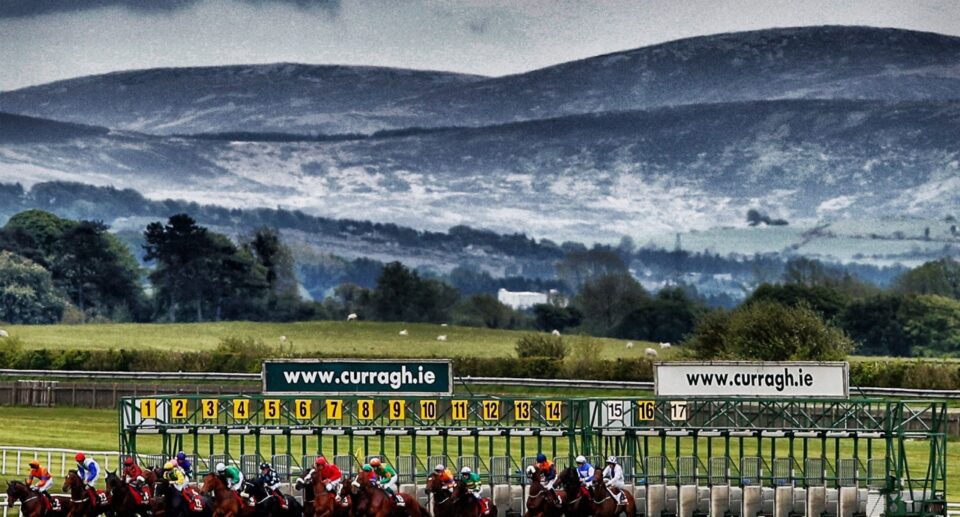
The Irish horse races at the Curragh stand as one of the most refined expressions of Ireland’s sporting and cultural heritage. Set across sweeping plains in County Kildare, the Curragh is not just a racecourse. It is a living archive of tradition, discipline, and communal pride. Each race reflects centuries of horsemanship, storytelling, and ritual.
This article explores the Curragh through a cultural lens. It connects sport with identity, landscape, and memory.
A Landscape Shaped for Speed
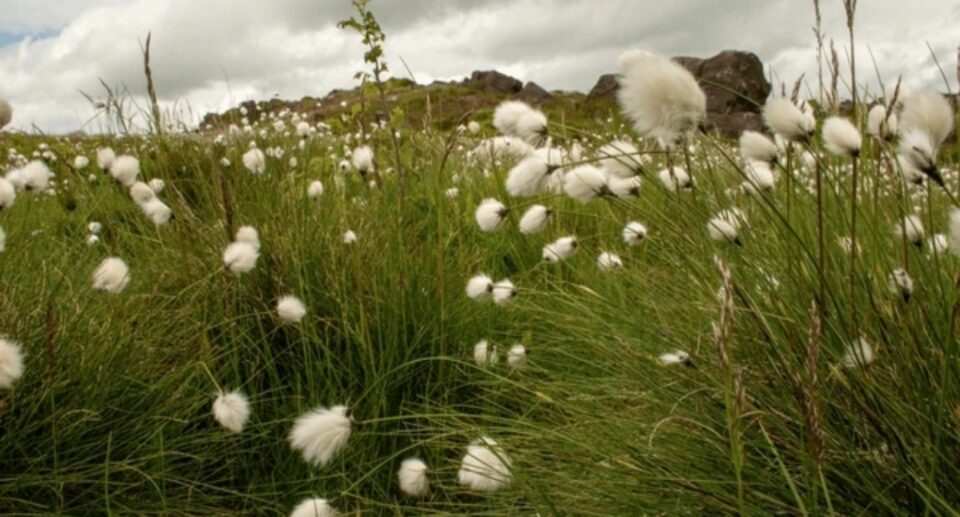
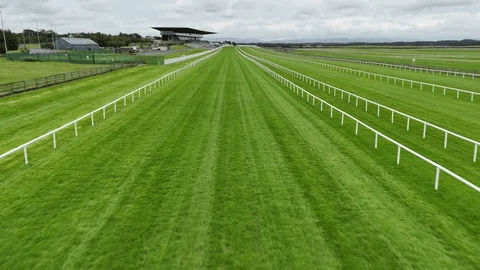
The Curragh plains stretch wide and open. Their natural grasslands create ideal racing conditions. Horses run on ground that has remained largely unchanged for generations. This continuity gives the Curragh a rare authenticity.
The terrain also connects to Ireland’s pastoral past. The same land once supported ancient gatherings and seasonal movements. Today, it hosts modern races, yet the rhythm of the land still guides the experience.
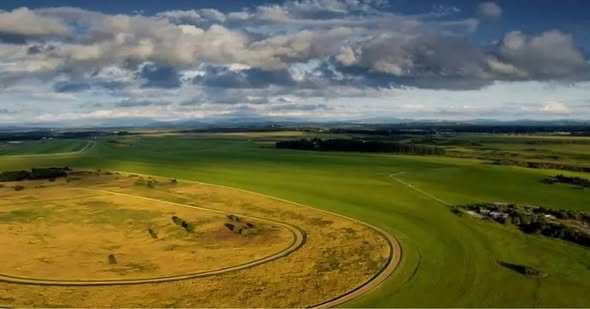
For readers interested in Ireland’s deeper cultural landscapes, the history of places like the Hill of Tara offers a parallel. Both spaces carry symbolic weight beyond their physical form.
A Brief History of the Curragh Races
Horse racing at the Curragh dates back to the 18th century. Records show organized races as early as the 1700s. Over time, the site evolved into Ireland’s premier flat racing venue.
The Curragh hosts many of Ireland’s classic races. These include the Irish Derby and the Irish Oaks. Such events draw international attention, yet they remain rooted in local tradition.
Racing here reflects a broader Irish tendency to preserve heritage while embracing change. This balance appears in other traditions too, such as the enduring symbolism explored in the Claddagh Ring meaning, history, and symbolism.
The Cultural Pulse of Race Day
Race day at the Curragh feels like a festival. Crowds gather early. Families, enthusiasts, and visitors share the same space. The atmosphere blends anticipation with celebration.
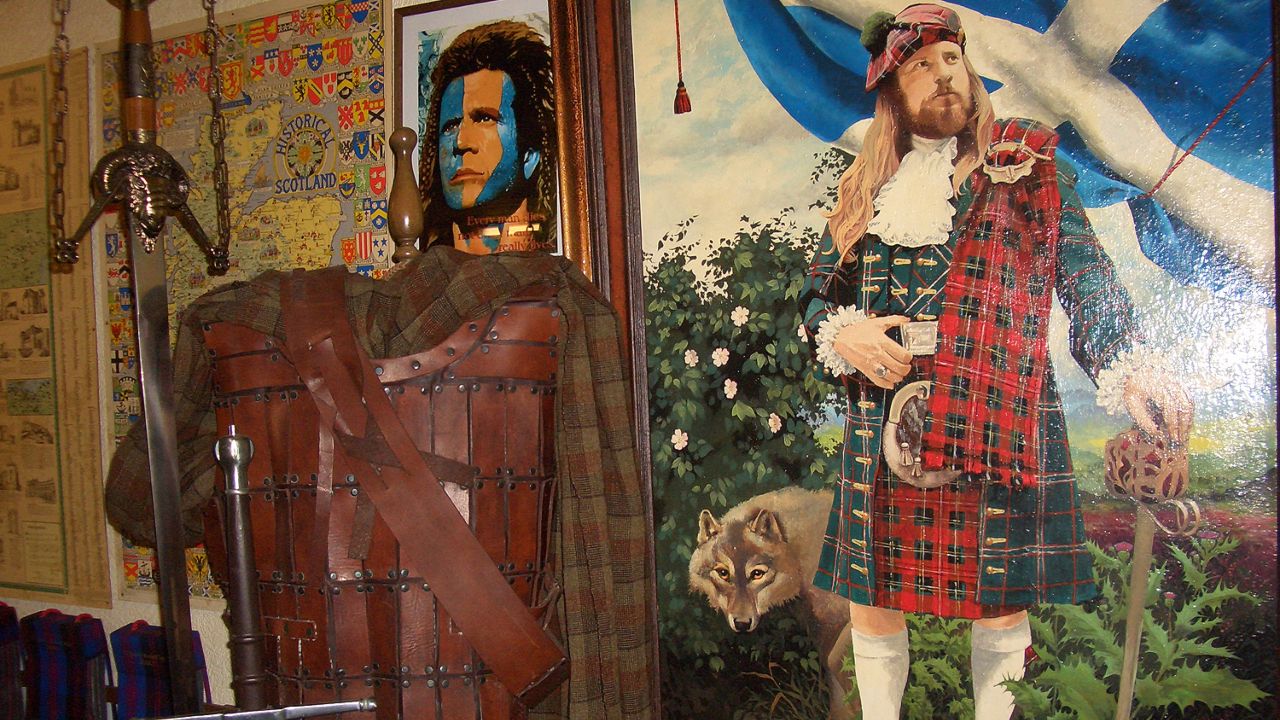
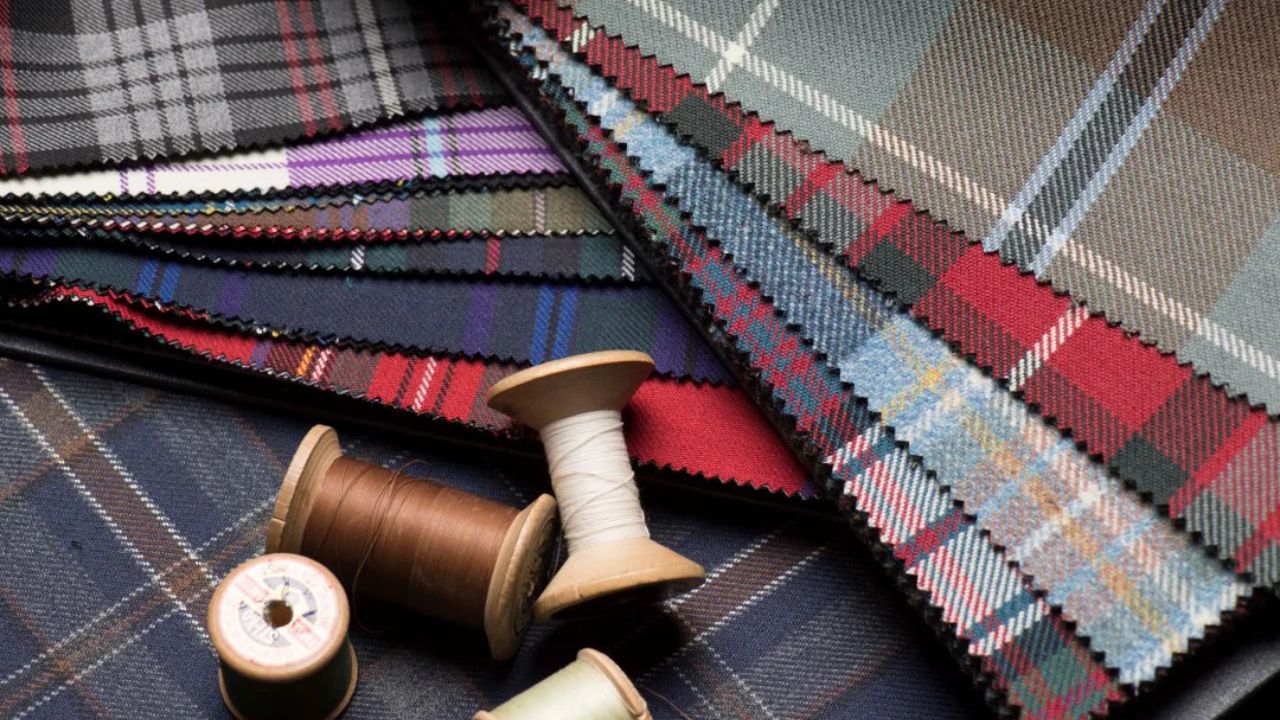
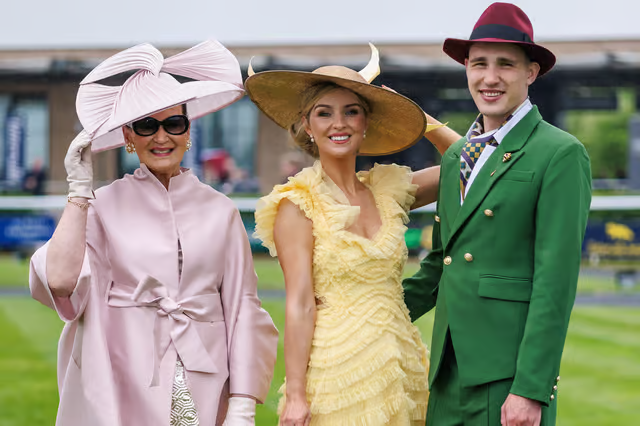
Fashion plays a visible role. Attendees often wear elegant attire, sometimes incorporating elements of Celtic identity. For instance, garments inspired by tradition echo themes discussed in What is an Irish kilt?.
Music also enriches the experience. Traditional sounds, including fiddle tunes, often accompany the day’s events. These musical traditions, explored further in fiddle music, reinforce the connection between sport and culture.
Horse Racing and Irish Identity
Horse racing in Ireland is not merely entertainment. It reflects a deep respect for animals, land, and skill. Trainers, jockeys, and breeders dedicate years to their craft. Their work embodies patience and precision.
This dedication aligns with Ireland’s broader cultural narratives. Stories of perseverance appear in historical accounts such as the influence of the Irish Potato Famine. While the contexts differ, both reveal resilience as a defining trait.
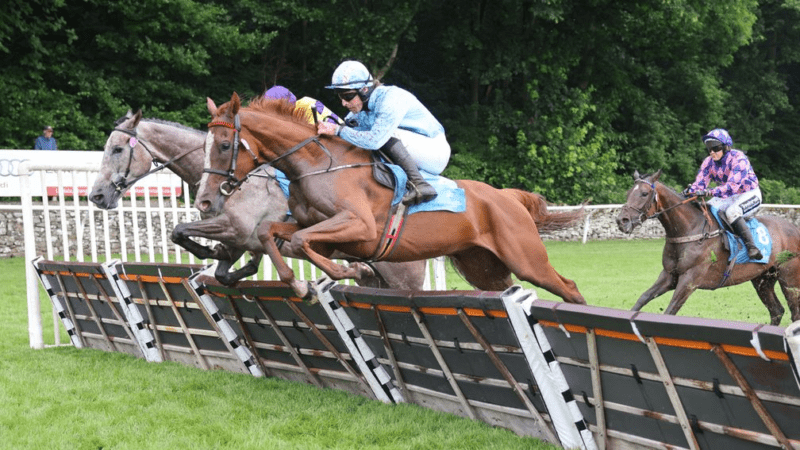
Moreover, Irish storytelling often celebrates such human-animal partnerships. You can explore this narrative tradition in Why are Irish people natural storytellers?.
The Global Significance of the Curragh
The Curragh holds international prestige. Horses trained in Ireland often compete worldwide. Many champions begin their journey on these plains.
This global reach does not dilute local identity. Instead, it amplifies it. The Curragh becomes a point of cultural export. It shares Irish values with a broader audience.
In a similar way, cultural elements like music, folklore, and craftsmanship travel beyond Ireland. Articles such as Celtic stone carvings show how heritage extends across borders while retaining its essence.
Tradition Meets Modern Excellence
Modern facilities at the Curragh enhance the racing experience. Yet, they do not overshadow tradition. Instead, they support it. Visitors enjoy comfort while remaining immersed in history.
This careful balance defines much of Irish cultural preservation. Whether in festivals, music, or attire, Ireland continues to evolve without losing its roots.
The same dynamic appears in seasonal celebrations like the significance of Saint Patrick’s Day, where ancient customs meet contemporary expression.
Conclusion
The Irish horse races at the Curragh offer more than sport. They present a layered cultural experience shaped by history, landscape, and community. Each race carries echoes of the past while moving confidently into the future.
To visit the Curragh is to witness Ireland in motion. It is to see tradition not as something static, but as something that runs; powerful, elegant, and enduring.