The Irish Brogue (Accent): Voice of Ireland’s Soul

A brogue is a strong regional accent — most often used to describe Irish English, though the term is also applied to Scottish accents. Both trace their distinctive rhythm and pronunciation to underlying Gaelic speech patterns carried into English.
The Irish brogue isn’t just a way of speaking, it’s the sound of Ireland’s history, humor, and heart. From the lilting rhythm of the west to the sharp wit of Dublin’s streets, every region speaks with a music all its own.
A Melody Born of Language and Landscape
The Irish accent often called a brogue has roots deep in Gaelic speech patterns. Long before English took hold in Ireland, Gaelic shaped how people formed sounds and sentences.
When the English language arrived, the Irish infused it with their native rhythm, creating what linguists call Hiberno-English. The result is an accent full of melody, energy, and charm—one that carries traces of the Irish language itself.
Much like Ireland’s Celtic oak tree, which stands as a symbol of endurance, the brogue reflects how Irish culture bends but never breaks.
From Gaelic Cadence to English Speech
The Irish brogue borrows heavily from the musical tone of Gaelic. Sentences often rise and fall like verses of a song, and certain phrases reflect Irish-language structure.
For instance, instead of saying “I’m tired,” an Irish speaker might say “I’m after working all day,” echoing Gaelic phrasing. This blend gives the brogue its unique identity—English words spoken with an Irish soul.
It’s no wonder the Irish are considered natural storytellers; their accent alone carries a story in every syllable.
Regional Variations: Ireland’s Many Voices
Ireland doesn’t have one brogue, it has many. Each region’s speech carries a different shade of melody and meaning:
- Dublin Brogue: Fast, witty, and full of sharp humor.
- Cork and Kerry: Soft, musical tones that rise and fall like waves.
- Donegal: Strong Gaelic influence, closer to Scottish speech.
- Galway and the West: Warm and flowing, deeply tied to Irish heritage.

Each brogue reveals a region’s history, much like Celtic stone carvings reveal stories from ancient Ireland. The voice becomes a living artifact—passed down through generations.
The Brogue in Literature and Song
Irish poets and playwrights have long celebrated the brogue’s rhythm. From Yeats and Synge to Seamus Heaney, the natural cadence of Irish speech colors their writing.
In music, the accent brings authenticity to traditional ballads and fiddle tunes. The lilting delivery mirrors the phrasing of Ceili bands, full of life and lyrical emotion.
The connection between voice and culture runs deep. Language becomes a bridge between emotion and identity.
What Makes the Irish Brogue So Distinctive?
Several traits make the Irish brogue instantly recognizable:
- Melodic intonation: Speech often sounds like it’s being sung.
- Soft consonants: “Th” may sound like “t” or “d.”
- Unique rhythm: Phrases flow with natural pauses, much like Irish verse.
- Warm tone: Even simple words carry a hint of humor or empathy.
These features give the brogue its charm and make it one of the most admired accents in the English-speaking world.
As one might say, “There’s music in the Irish mouth.”
Cultural Identity and the Irish Voice
To speak with an Irish brogue is to carry the weight of centuries of history and resistance. During the time of English rule, the accent marked identity—it said, “We’re Irish, and we’re still here.”
This connection between language and pride echoes other cultural symbols like the Claddagh ring—a simple form imbued with deep meaning.
Even today, the Irish accent feels like home to millions across the diaspora. It binds people to their roots, just as music and myth do.
The Brogue Beyond Ireland
From Boston to Sydney, the Irish brogue has traveled far. Emigrants carried it across oceans, where it softened or mixed with local accents. Yet, it never lost its charm.
Irish-Americans still treasure the sound of their ancestors’ speech—it connects them to stories, songs, and a homeland that lives in memory.
In that way, the brogue becomes more than an accent. It becomes a living echo of Irish identity—as enduring as the myths of the Celtic Sun God Lugh or the tales of the Hill of Tara.
Final Thoughts: More Than Words
The Irish brogue carries the pulse of the people who speak it. Every tone, pause, and laugh holds centuries of struggle and song.
It’s not just an accent—it’s the melody of Ireland itself.
For more insights into Irish language, literature, and heritage, visit our Language and Literature section.
Irish or Scottish? What “Brogue” Actually Covers
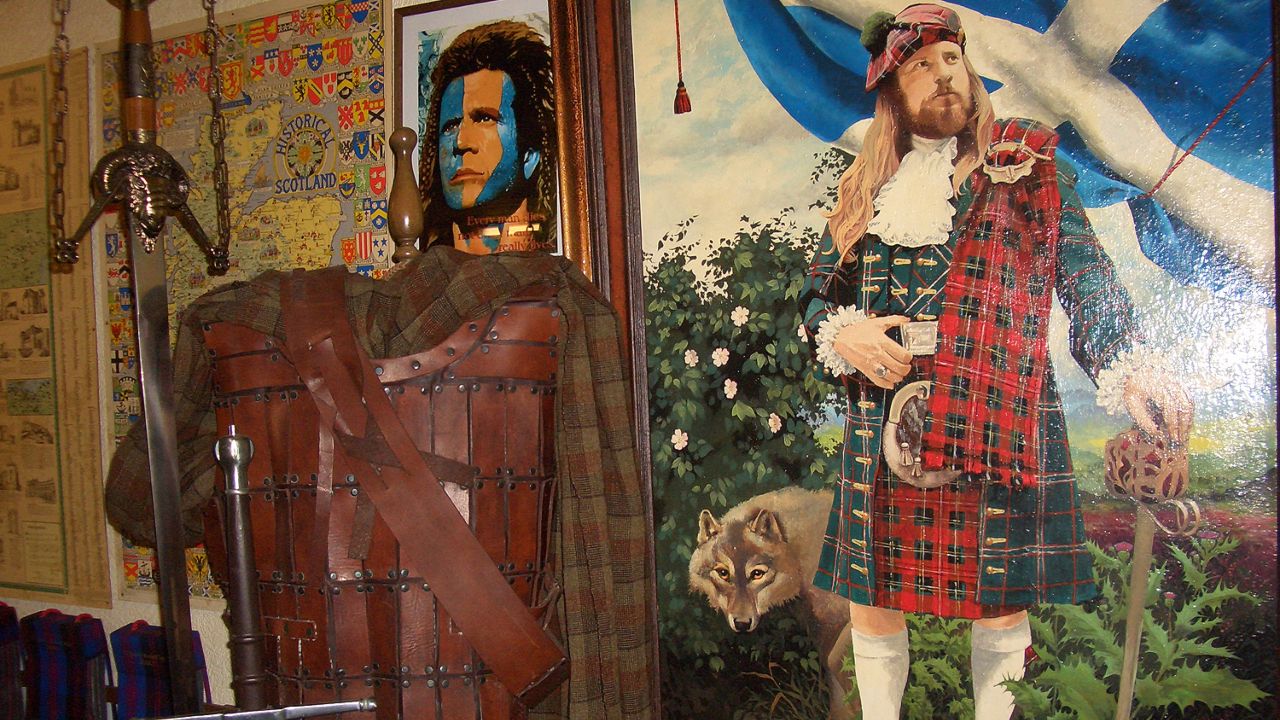
Although this article focuses on Ireland, the word “brogue” has never belonged to Ireland alone. In everyday English it’s used for both Irish and Scottish accents — and occasionally for any thick regional accent at all. What the Irish and Scottish varieties share is the deeper layer beneath them: the stress patterns, vowel colors, and musical cadence of a Gaelic language (Irish or Scottish Gaelic) carried over into English by generations of speakers who learned English second.
The word itself has a contested history worth acknowledging: in earlier English usage, calling someone’s speech a “brogue” often carried a mocking edge — a way of marking Irish or Scottish speakers as provincial. One folk etymology even ties the word to the Irish bróg (shoe), as in “speaking with a shoe in one’s mouth.” Used respectfully today, it’s generally understood as a neutral — even affectionate — description of a distinctive accent, but the history explains why some speakers still bristle at it.
What makes the sound so recognizable either way is the Gaelic substrate: sentence stress that rises and falls in waves rather than flattening out, vowels held a beat longer than standard English expects, and consonants softened or aspirated in ways that echo Gaelic phonology. It’s less a set of individual sounds than an inherited music.
Frequently Asked Questions
Is a brogue accent Irish or Scottish?
The term is used for both, though it’s most commonly associated with Irish English. It refers to a strong regional accent shaped by underlying Gaelic speech patterns, whether Irish or Scottish Gaelic.
Is calling someone’s accent a “brogue” offensive?
It can be, depending on context and tone — historically the word carried a mocking connotation in some English usage. Used respectfully to describe a distinctive regional accent, it’s generally not considered offensive today, but it’s worth being aware of the history.
What makes a brogue accent sound the way it does?
Its distinctive rhythm and pronunciation come from the influence of Gaelic — the sentence stress, vowel sounds, and cadence of Irish or Scottish Gaelic carried over into how English is spoken.