Clan Ferguson and Clan Wars: A Study of Loyalty, Conflict, and Identity
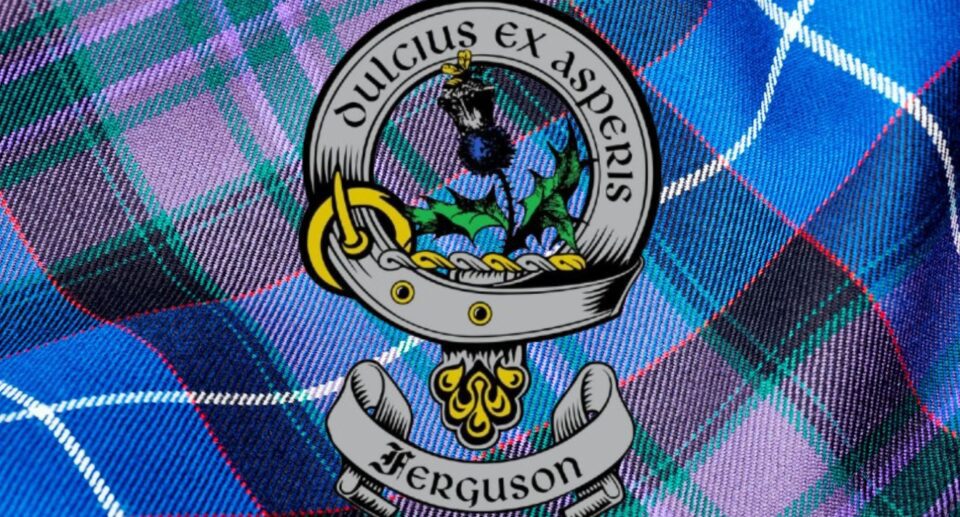
Scottish clan history unfolds as a complex tapestry of kinship, honour, and conflict. Among these lineages, Clan Ferguson stands out for its quiet resilience and strategic alliances. Unlike the more frequently romanticised clans, the Fergusons occupy a subtler yet significant place in the history of Highland and Lowland Scotland. Their story intersects deeply with the wider phenomenon of clan warfare, where loyalty to kin often defined both survival and legacy.
To understand Clan Ferguson, one must situate it within the broader framework of Scottish clan structures. For a wider perspective, see this overview on Scottish clans.
Origins of Clan Ferguson
The name Ferguson derives from “MacFhearghuis”, meaning “son of Fergus.” This etymology reflects a Gaelic origin tied to early Celtic warrior traditions. The clan did not consolidate into a single territorial power like the MacDonalds or Campbells. Instead, it developed as a dispersed kin group with branches across Argyll, Perthshire, and Ayrshire.
This geographic spread shaped Ferguson identity. It encouraged adaptability rather than territorial dominance. As a result, Fergusons often aligned themselves with stronger neighbouring clans, forming alliances that proved crucial during periods of unrest.
Visual Identity and Cultural Markers
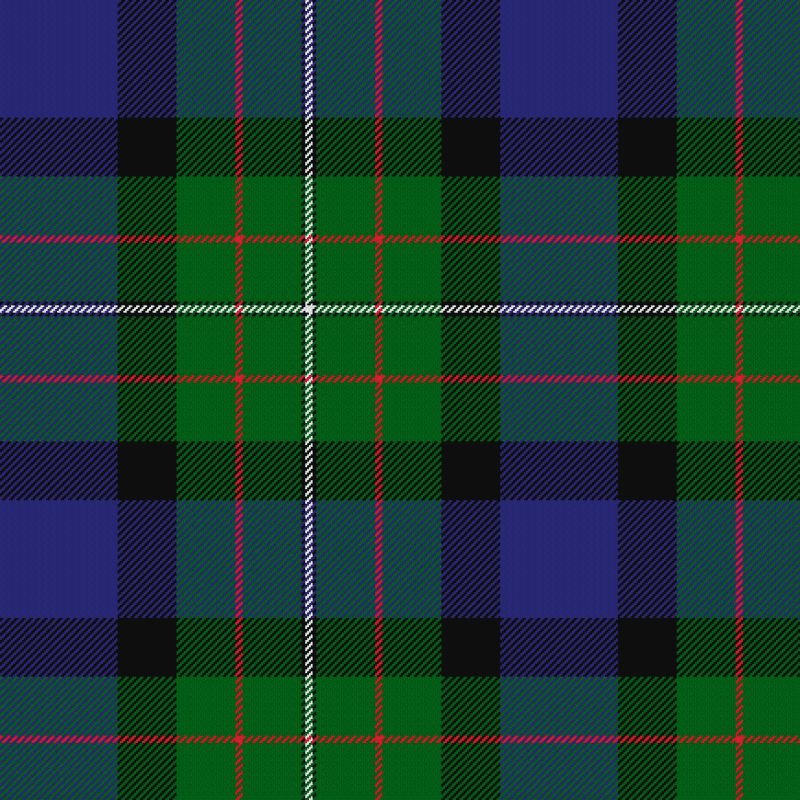
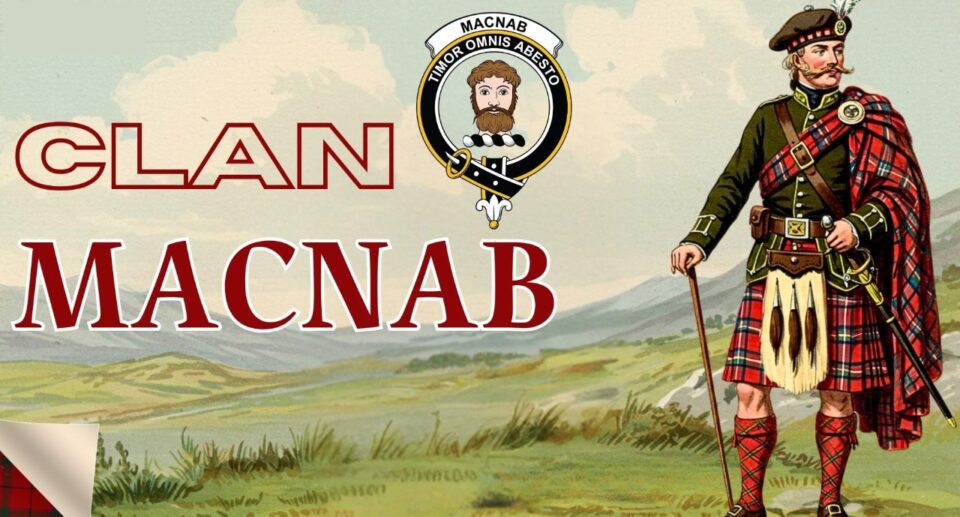
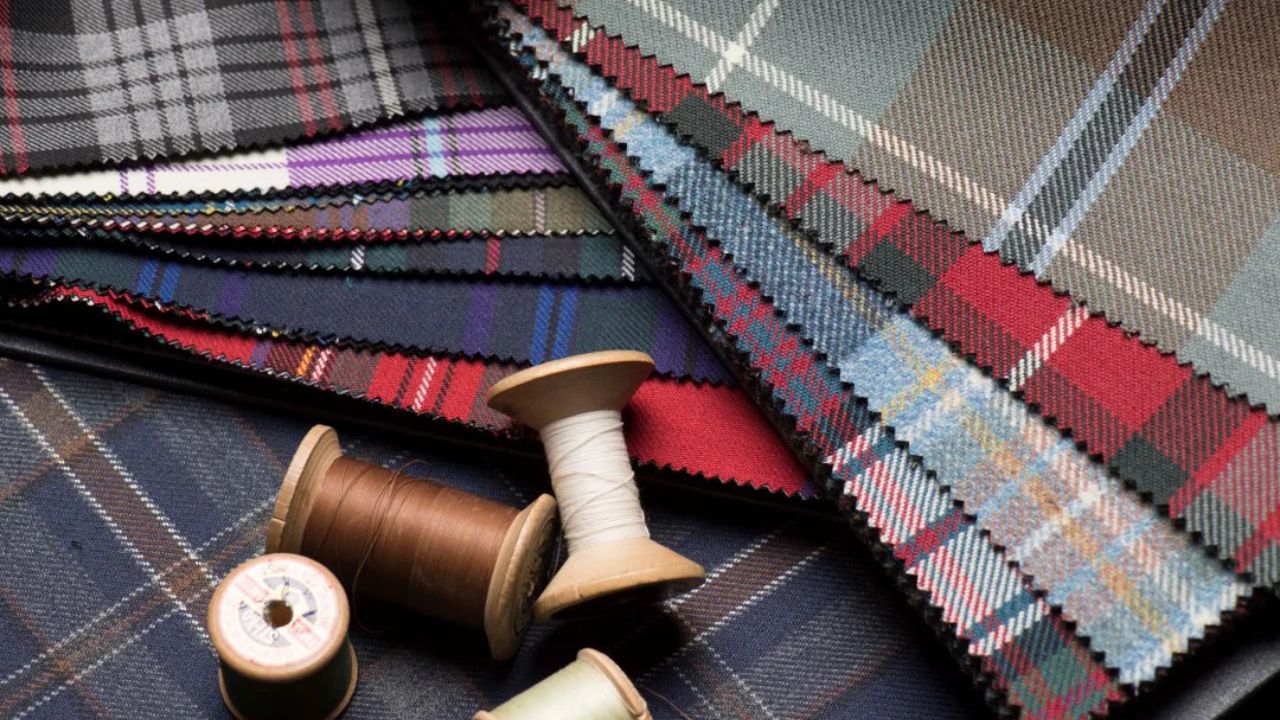
Like other Scottish clans, the Fergusons expressed identity through tartan and heraldry. While tartan standardisation came later, it now plays a vital role in representing lineage. If you want to explore the cultural evolution of tartans, read What is tartan and tartan history.
The Ferguson crest typically features symbols of strength and vigilance. These visual markers reinforced unity, especially important for a clan without a single territorial stronghold.
The Nature of Clan Wars in Scotland
Clan wars were not random acts of violence. They followed a recognisable pattern rooted in honour, land disputes, and shifting allegiances. From the 13th to the 17th centuries, Scotland witnessed frequent inter-clan conflicts. These ranged from small-scale raids to organised battles.

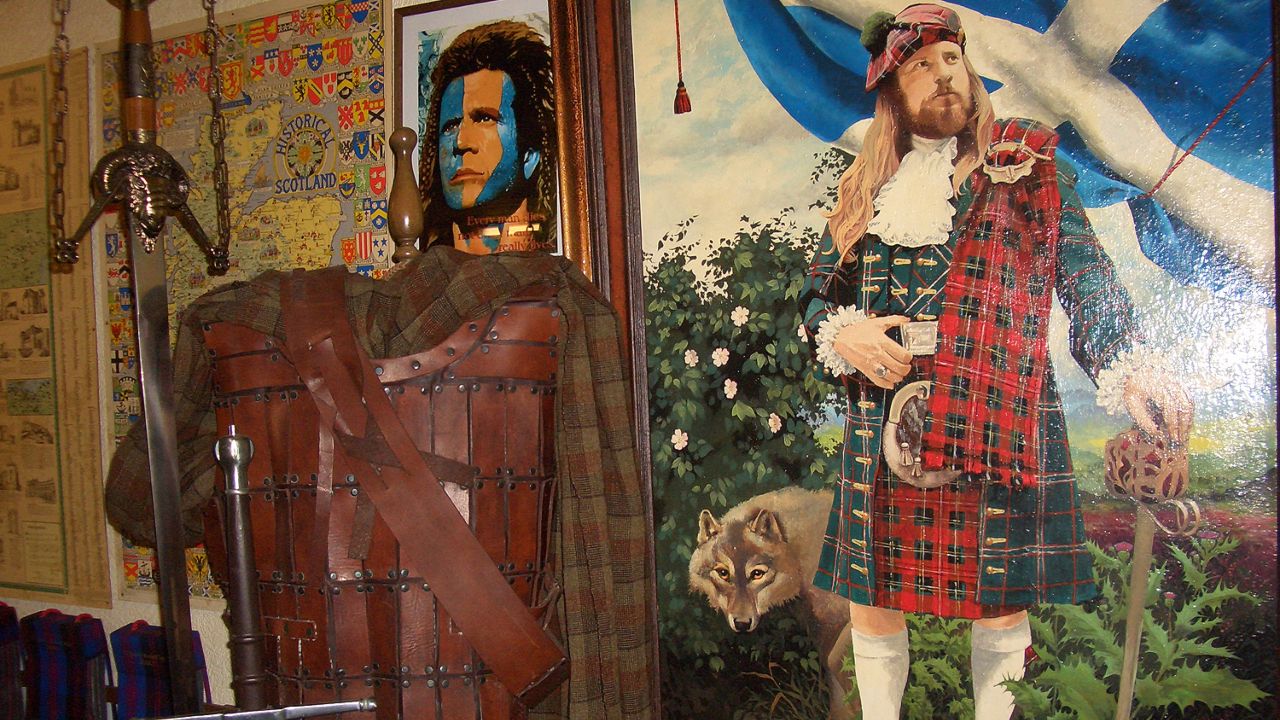
Weapons such as the dirk and broadsword defined Highland combat. You can learn more about traditional weaponry in What is a dirk knife.
Clan warfare also relied heavily on terrain. Highland geography favoured ambush tactics and swift raids rather than prolonged engagements. This environment shaped both strategy and identity.
Clan Ferguson in the Context of War
Clan Ferguson rarely led large-scale conflicts. Instead, it operated within alliance networks. Fergusons often supported dominant clans such as the Campbells. This positioning allowed them to remain relevant without exposing themselves to catastrophic losses.
Their role highlights an important dynamic: not all clans sought dominance. Some prioritised continuity over conquest. This strategic restraint ensured the survival of the Ferguson name through centuries of upheaval.
Social and Cultural Impact of Clan Conflicts
Clan wars influenced far more than political boundaries. They shaped language, music, and storytelling traditions. Oral narratives preserved tales of bravery and betrayal, embedding them into Celtic cultural memory.
For insight into how storytelling defines Celtic identity, explore Irish storytelling traditions.
Material culture also evolved through conflict. Clothing, including kilts and tartans, became markers of allegiance. For further reading, see kilts in Scottish culture.
Decline of Clan Warfare
By the mid-18th century, clan warfare declined sharply. The aftermath of the Jacobite uprisings led to significant legal and cultural suppression. The British government dismantled traditional clan structures, limiting their military power.
This transition marked a shift from martial identity to cultural heritage. Clans like Ferguson adapted by preserving lineage through genealogy, tartan, and historical memory rather than warfare.
Modern Legacy of Clan Ferguson
Today, Clan Ferguson thrives as part of Scotland’s cultural revival. Gatherings, particularly Highland Games, celebrate shared ancestry and tradition. Learn more about these events at Highland Games events.
The clan’s legacy no longer depends on warfare. Instead, it lives through identity, diaspora connections, and cultural pride. This transformation reflects a broader shift in how history is remembered and valued.

Conclusion
Clan Ferguson offers a compelling case study in survival through adaptation. It did not dominate battlefields, yet it endured where others faded. Its history reveals that clan identity extends beyond warfare. It rests equally on kinship, strategy, and cultural continuity.
Scottish clan wars, when viewed through the Ferguson lens, appear less as chaotic violence and more as structured expressions of social order. They shaped a society where loyalty defined existence and memory ensured legacy.
FAQs: Clan Ferguson and Clan Wars
1. Who were Clan Ferguson?
Clan Ferguson was a Scottish clan of Gaelic origin, meaning “son of Fergus.” The clan spread across several regions and relied on alliances rather than territorial dominance.
2. Did Clan Ferguson participate in clan wars?
Yes, but they rarely led major conflicts. Clan Ferguson often supported stronger allied clans, which helped them survive during periods of intense warfare.
3. What caused Scottish clan wars?
Clan wars began due to land disputes, honour conflicts, and shifting alliances. Loyalty to family and kin remained the driving force behind most battles.
4. When did clan warfare in Scotland decline?
Clan warfare declined in the 18th century, especially after the Jacobite uprisings, when government control reduced the power of traditional clan systems.
5. How is Clan Ferguson remembered today?
Today, Clan Ferguson is remembered through cultural traditions, tartans, genealogy, and Highland Games, reflecting a shift from warfare to heritage and identity.