
The Highland Marches: Scotland’s Wild Frontier of Heritage and Honor

There was once a place where boundaries were not fixed lines but living spaces, zones of negotiation, pride, and rivalry. These were the Highland Marches, the rugged borderlands between Scotland’s Highland and Lowland regions. Here, stone and soil carried stories of loyalty, betrayal, and survival.
Much like the mythic aura surrounding the Hill of Tara, the Highland Marches evoke an enduring sense of belonging to both land and legend.
The Geography of the Highland Marches
The Highland Marches stretched across the natural divide between the Central Lowlands and the mountainous Highlands, often along the Highland Line, a geological and cultural frontier. This was not merely a physical boundary but a symbolic one separating different worlds: Gaelic-speaking Highlanders and Scots-speaking Lowlanders.
Here, valleys like Strathspey and Lochaber became crossroads of cultures, echoing the same deep-rooted identity one finds in the Isle of Mull, where nature and history meet in timeless dialogue.

Clans and Conflicts: Life on the Edge
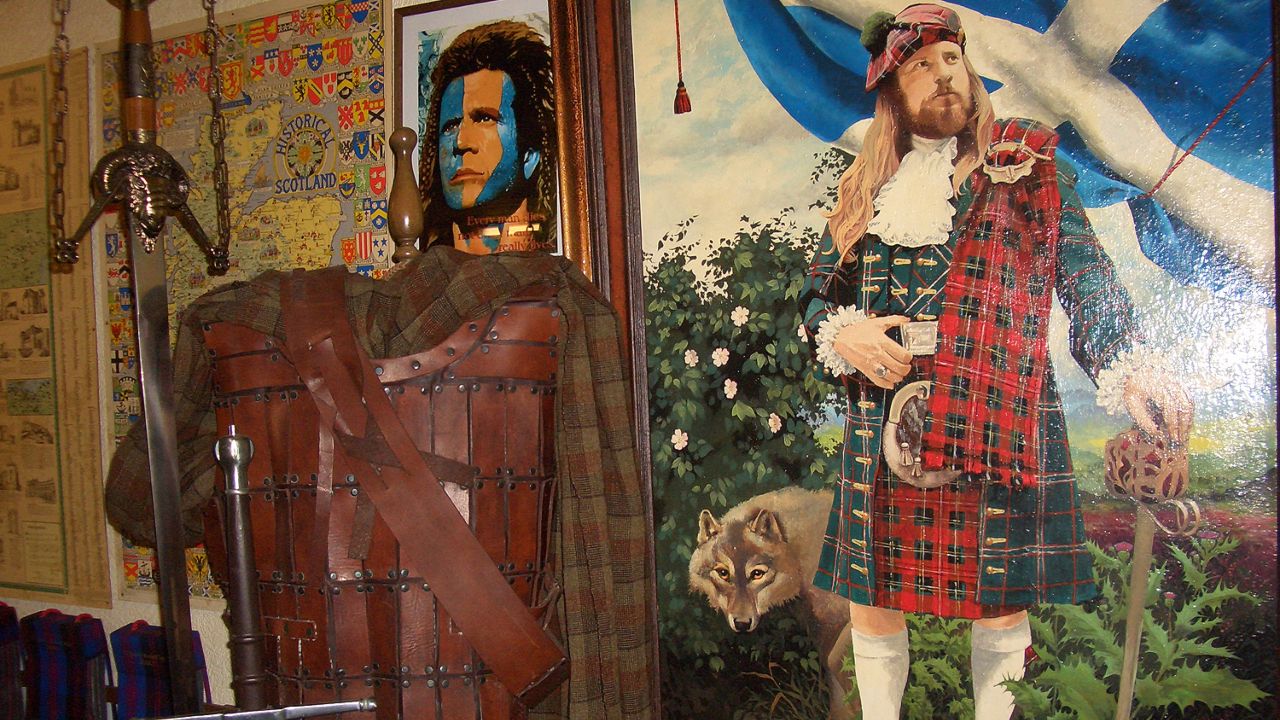
The Highland Marches were the testing ground of Scotland’s clan culture. Loyalty to kin defined everything. Clans such as the MacDonalds, Campbells, and Frasers guarded their territories fiercely, leading to centuries of skirmishes, alliances, and feuds.
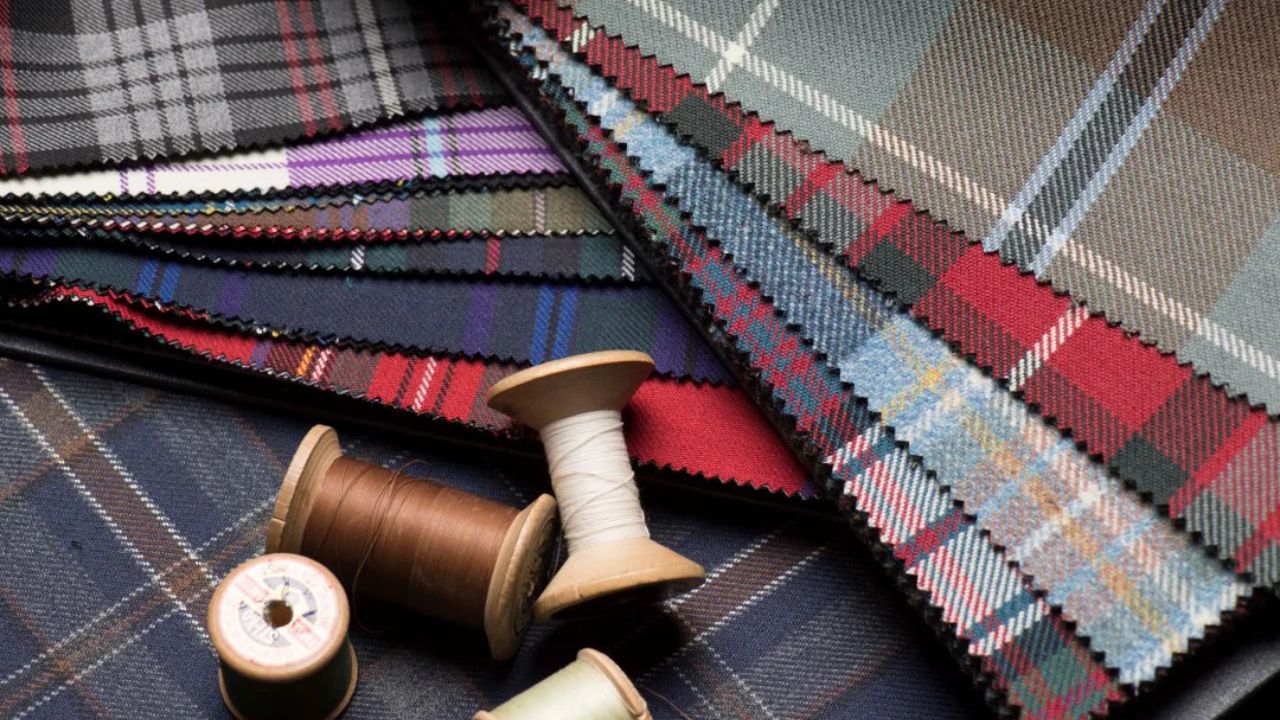
To live in the Marches was to walk a tightrope between honor and survival, a theme as eternal as the tartan patterns that symbolize each clan’s legacy. (Read more about What Is Tartan?)
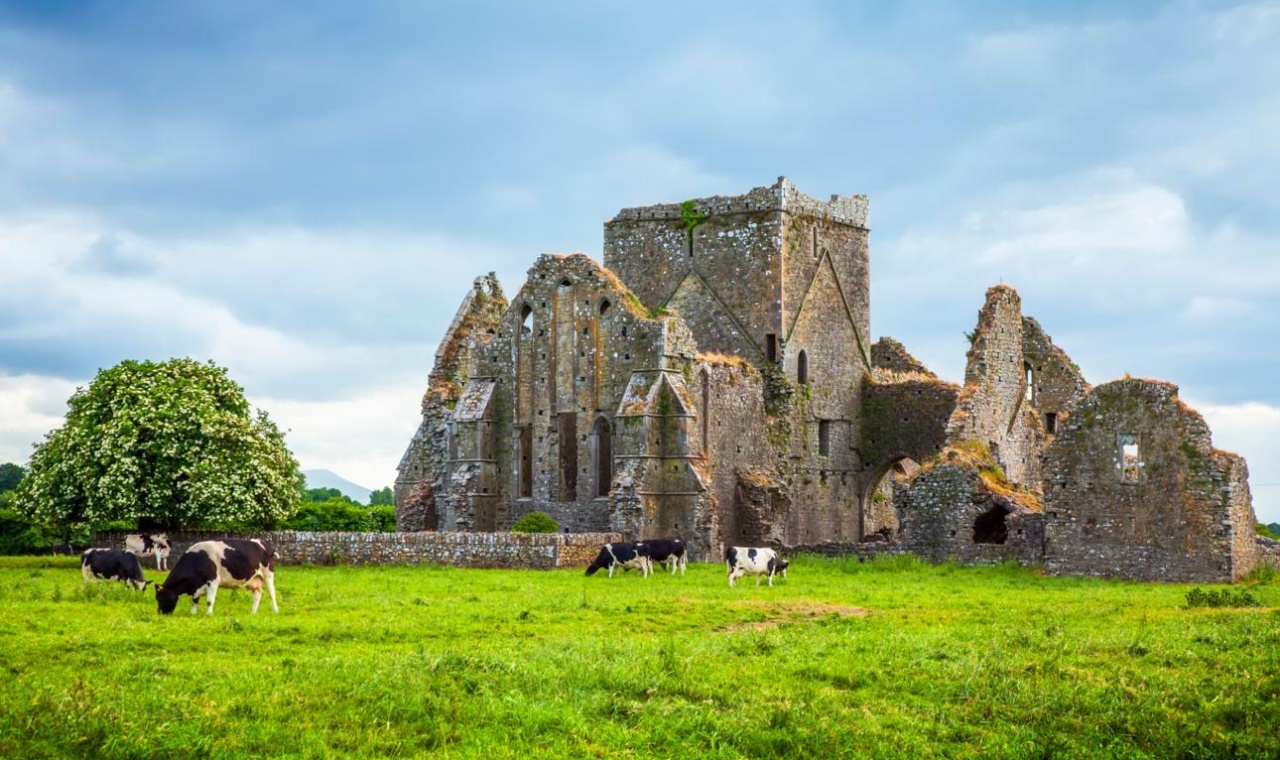
During turbulent times, fortified tower houses and stone keeps became refuges from rival clans and royal armies alike. These strongholds served as both home and fortress much like the symbolic strength found in Celtic Stone Carvings, carved to endure centuries of weather and warfare.

Culture of the Borderlands
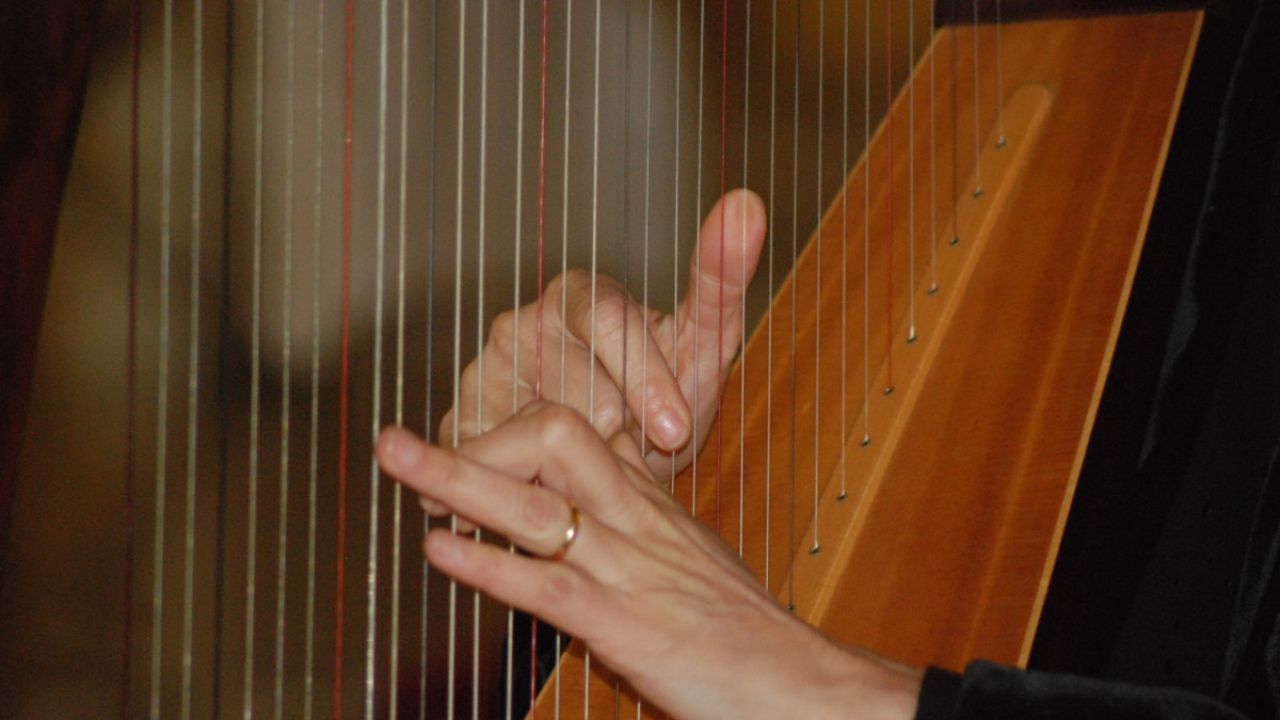
Despite constant unrest, the Highland Marches fostered a unique fusion of Highland and Lowland culture. Songs of the glen mingled with the poetry of the Lowlands, creating a linguistic and musical crossroads. The Gaelic tongue, though waning in the south, still echoed in the hills through stories, songs, and Ceilidhs — social gatherings that celebrated identity and endurance.
For a glimpse into how music carried this spirit forward, explore Ceili Bands: The Heartbeat of Celtic Gatherings.

A Line Between Worlds: Symbolism of the Marches
In many ways, the Highland Marches symbolize more than geography, they represent the duality of Scotland itself. The Highlands spoke to the heart: proud, poetic, and fiercely independent. The Lowlands spoke to the mind: industrious, pragmatic, and evolving.
Between them lay the Marches — a liminal space where identity was constantly negotiated, much like the balance of myth and faith explored in Scottish Gaelic Bible Translations.
Echoes Today: Heritage and Tourism
Today, the Highland Marches remain a magnet for travelers seeking the soul of Scotland. Winding roads lead past misty lochs, ruined castles, and lonely glens that whisper of clan banners and forgotten songs.
Visitors walking these lands often describe an eerie connection to the past, a feeling echoed in the mystical tales found in Legend of the Fairy Glen and Selkies in Folklore.
Modern events like the Highland Games keep that spirit alive, merging athleticism, art, and ancestry in one timeless celebration.

Conclusion: The Marches as Scotland’s Living Memory
To walk the Highland Marches today is to step across centuries. The stones beneath your feet remember rebellion and reconciliation, music and mourning, legend and life.
Like the enduring rhythm of a Bodhrán Drum, the Marches beat with the heart of Scotland itself — wild, brave, and beautifully untamed.