The Irish Banjo: How an American Instrument Found Its Celtic Soul

It’s often surprising to learn that one of the liveliest sounds in Irish traditional music is the banjo that didn’t originate in Ireland at all. Born in the American South, the banjo’s journey across the Atlantic is a tale of musical exchange, adaptation, and identity. Today, its brisk, percussive tone is as much a part of Irish sessions as the fiddle or bodhrán drum.
From Africa to America to Ireland: The Banjo’s Unlikely Journey
The banjo’s earliest roots lie in West Africa, where gourd-based string instruments inspired the American banjo of the 18th and 19th centuries. When Irish emigrants mingled with American folk traditions, a cultural fusion began. The banjo eventually found its way back across the Atlantic, returning to Irish shores not as a novelty, but as a new voice in a centuries-old soundscape.
By the early 20th century, Irish immigrants and returning musicians brought the tenor banjo, a shorter, four-string version tuned for fast melodies. It soon became a favorite for its bright, assertive tone that could cut through the dense textures of pub sessions and céilí bands (learn more about ceili bands here).

The Tenor Banjo and Irish Tuning
Unlike the American five-string banjo, which is often used in bluegrass and folk. The Irish version favors the four-string tenor banjo, typically tuned to GDAE, the same as a fiddle or mandolin. This allows Irish musicians to adapt jigs, reels, and hornpipes seamlessly.
This adaptation made the banjo indispensable in Irish traditional sessions, where its rapid picking mirrors the rhythm of the dance. The Irish banjo player’s style is characterized by sharp ornamentation, rhythmic clarity, and an unmistakable energy — a sonic bridge between the ancient and the modern.

Pioneers of the Irish Banjo Sound
In the mid-20th century, musicians like Barney McKenna of The Dubliners elevated the banjo to new heights. McKenna’s intricate reels and relentless drive gave the instrument its Irish identity. Others like Gerry O’Connor and Kieran Hanrahan continued this legacy, transforming the banjo from a backup rhythm instrument into a soloist’s delight.
Their influence rippled through traditional and contemporary Celtic bands, linking Ireland’s musical heritage to global audiences. As Irish storytelling traditions evolved in modern forms, so too did its instruments — each one carrying the voice of a people who never lost their rhythm.

The Banjo in Today’s Celtic Music
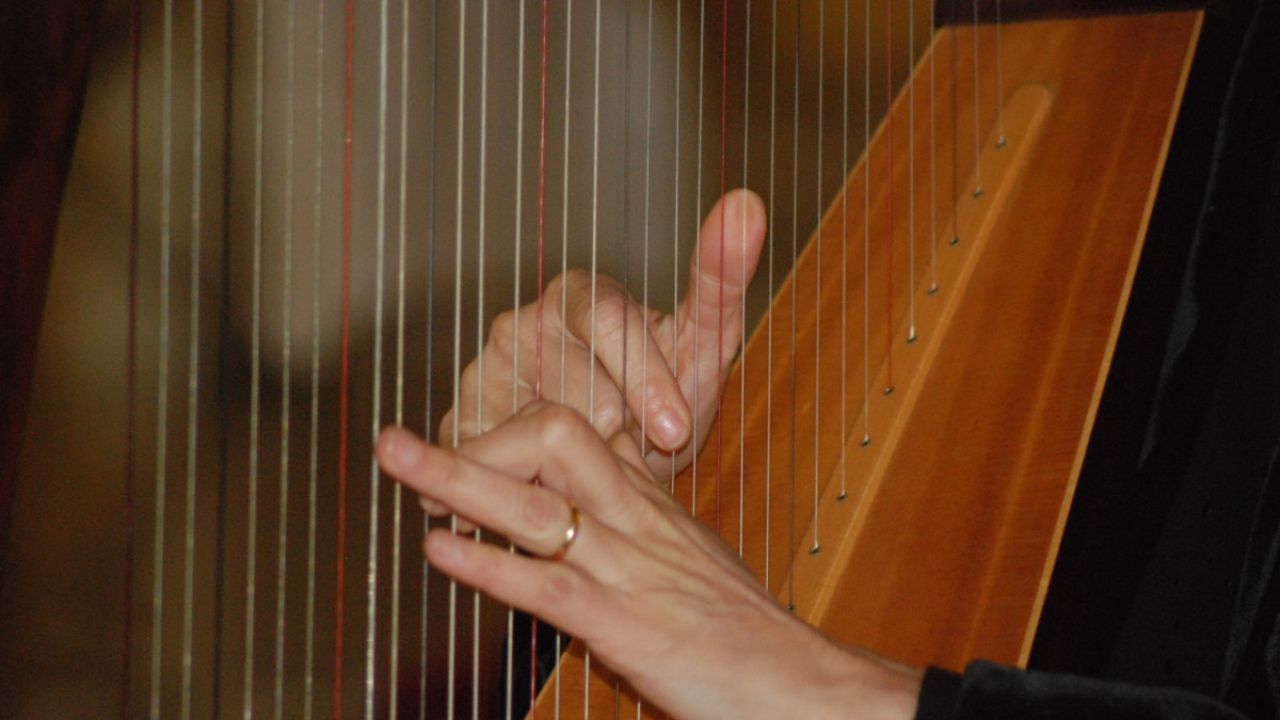
Today, the Irish banjo thrives in both traditional circles and fusion genres. From Dublin pubs to international festivals, its ringing tone embodies the joy and defiance of Irish identity. It often shares the stage with other beloved instruments like the Celtic harp or clarsach and the fiddle.
You’ll hear the banjo’s influence not just in rural sessions but in the soundtracks of modern Irish cinema, folk-rock bands, and even orchestral collaborations. Like the Celtic oak tree, it has become a symbol of rootedness and renewal, deeply Irish, yet endlessly adaptable.
A Living Tradition
The Irish banjo is more than an instrument; it’s a symbol of cultural exchange and creative endurance. From its African beginnings to its American rebirth and Irish adoption, the banjo’s story mirrors Ireland itself; a history of migration, adaptation, and melody.
Next time you find yourself in a cozy pub, surrounded by fiddles and pipes, listen for that bright, resonant voice of the banjo. It’s the sound of Ireland, retold on strings.