Scottish Highlander Tunics: The Garb of Ancient Pride

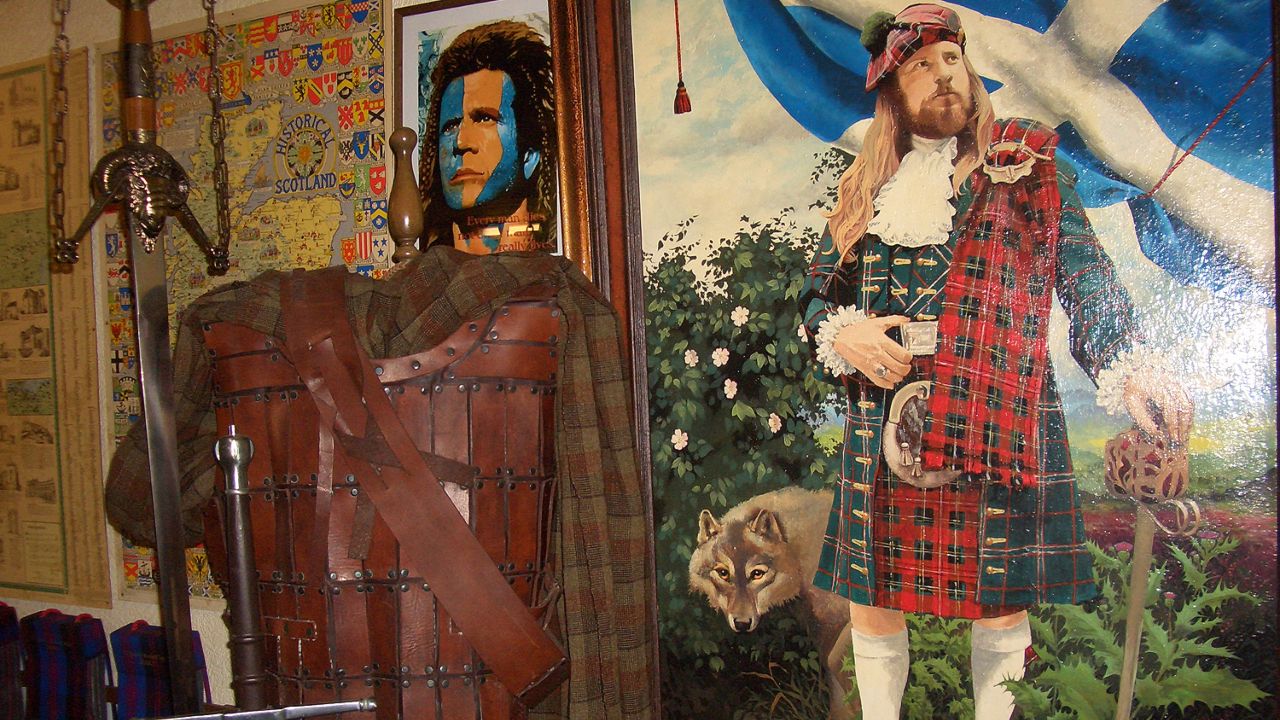
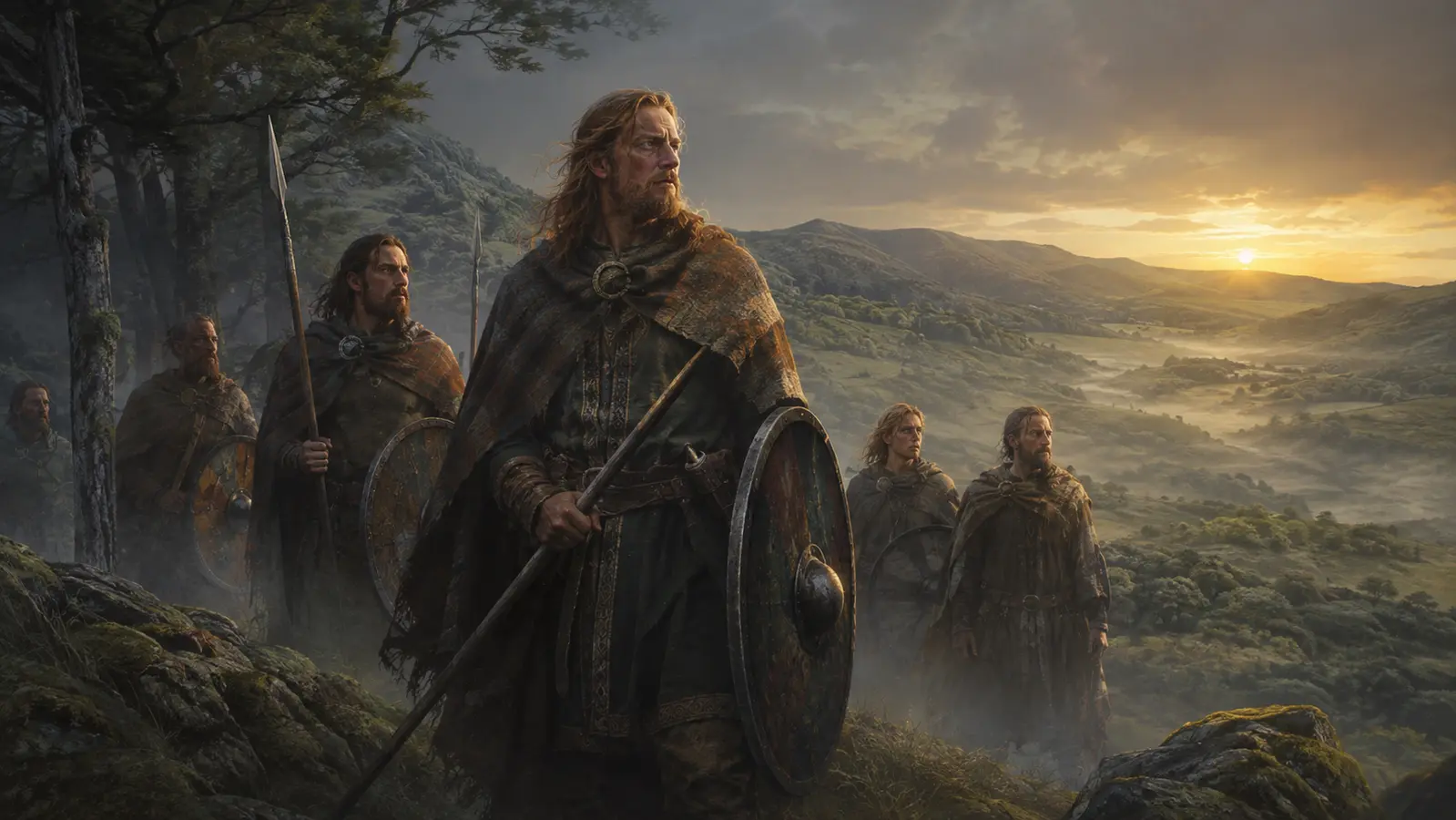
Before the kilt became the symbol of Scottish identity, there was the Highlander tunic — a simple yet striking garment that clothed warriors, crofters, and clan leaders alike. Made from wool, linen, or homespun cloth, these tunics were not just clothing; they were a declaration of belonging.
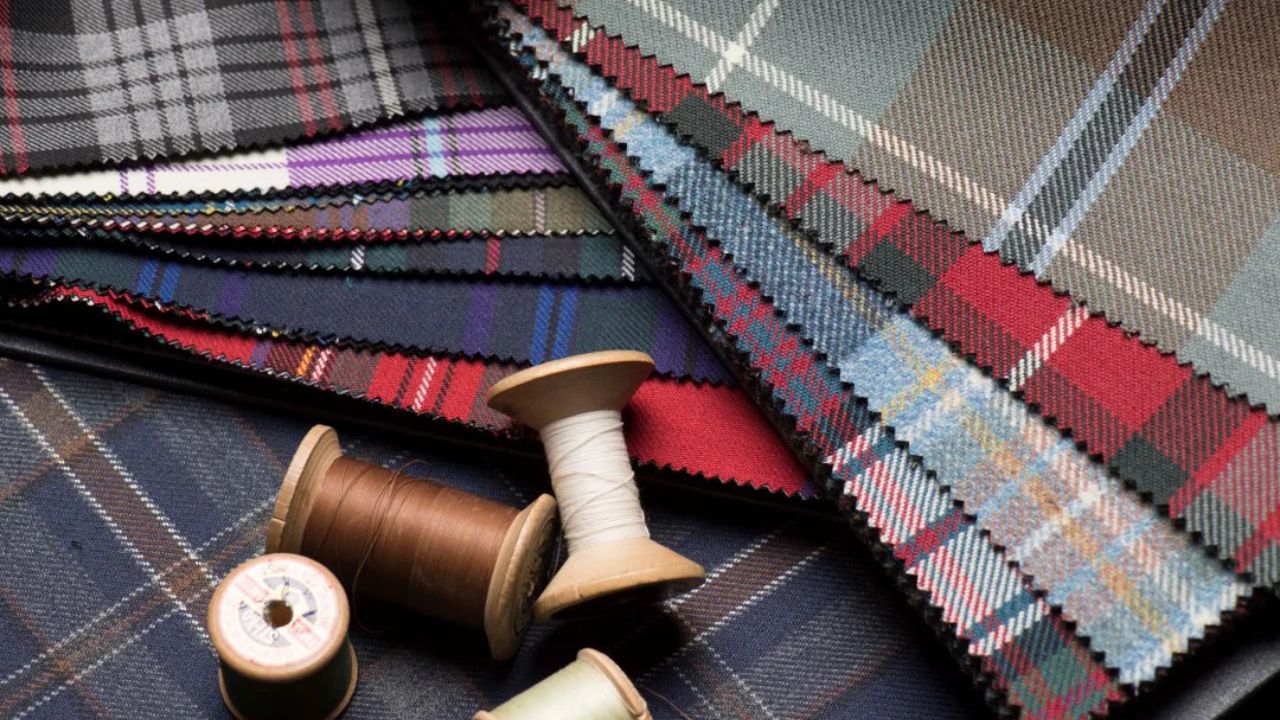
The Highlander tunic offered freedom of movement in battle, warmth in the bitter Highlands, and the dignity of craftsmanship rooted in clan life. Much like the tartan patterns that would later dominate Scottish attire (learn about tartan’s origins), the tunic embodied unity — woven from threads of practicality and pride.
The Anatomy of a Highlander Tunic
The léine, as it was called in Gaelic, was typically long, reaching the knees or even lower with wide sleeves and a belted waist. The belt wasn’t merely decorative; it carried weapons, pouches, and the weight of daily life.
During colder months, Highlanders layered their tunics with plaids or shawls, precursors to the famous Great Kilt. In some cases, natural dyes from heather, bark, or lichens gave each tunic a hue unique to its region — ochres, greens, and browns that mirrored the land itself.
For a deeper look into the origins of clan symbols and tartan lineage, you may enjoy our piece on How Many Scottish Clans Exist?.

Function and Symbolism: The Warrior’s Attire
The tunic was both armor and identity. While the English wore rigid military garments, the Highlander’s tunic allowed mobility on rugged terrain. It spoke of a life in motion whether crossing moors or climbing crags.
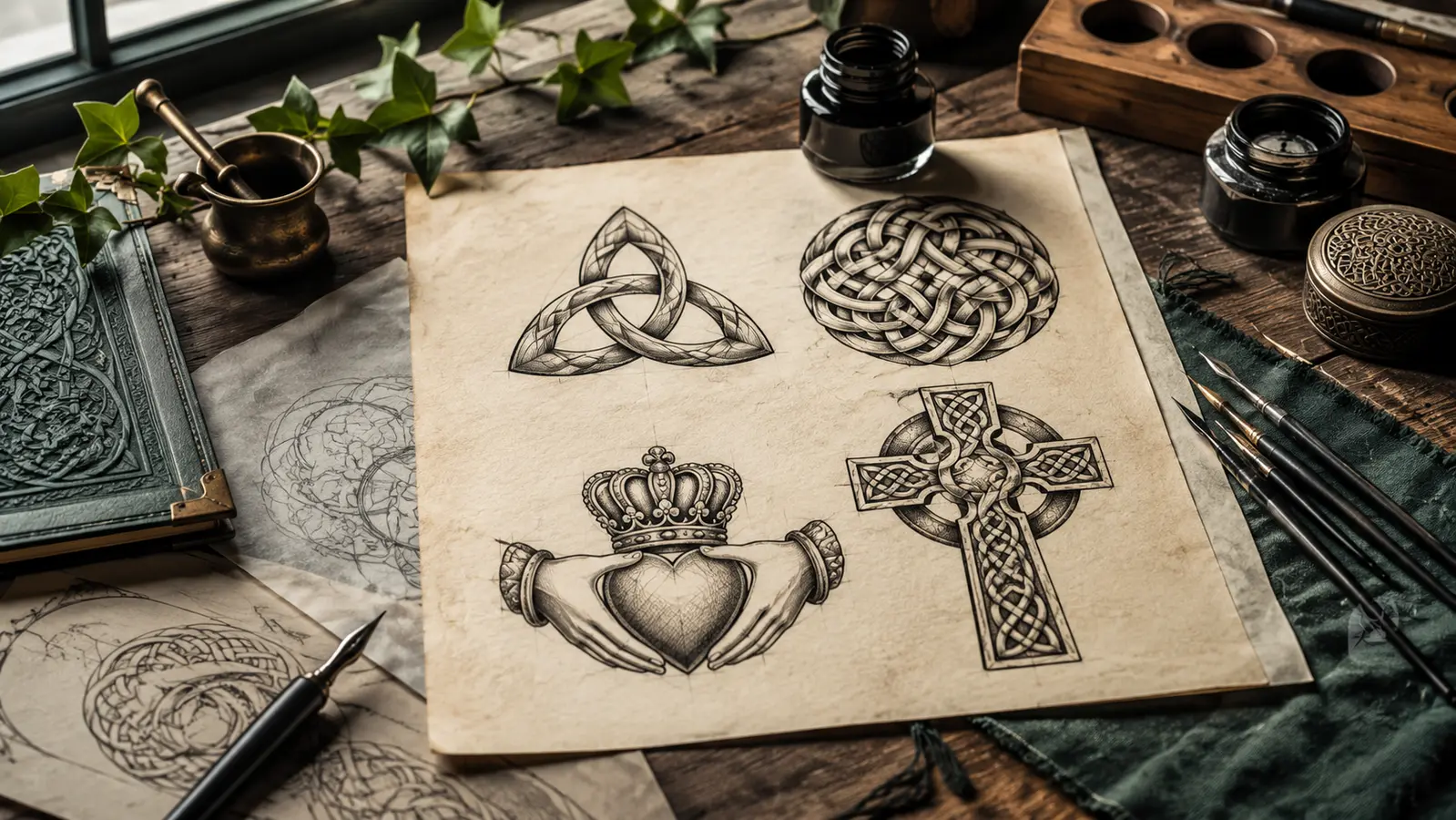
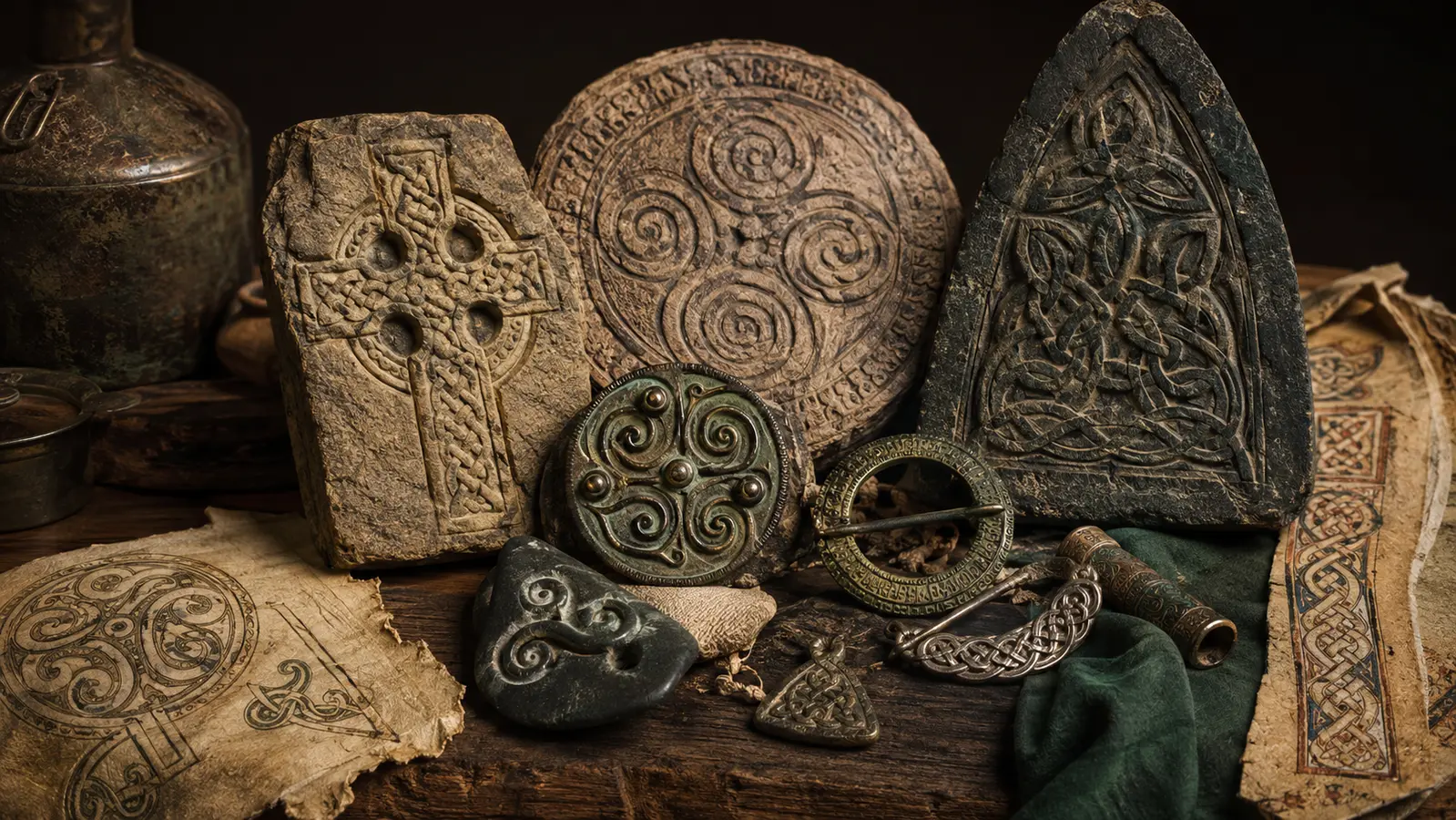
In clan gatherings or ceremonies, tunics took on decorative detail: embroidered cuffs, metal fastenings, or shoulder brooches reflecting social rank. These flourishes connected to the same artistic spirit seen in Celtic stone carvings (explore their designs), abstract yet deeply symbolic.
As Highland society evolved, so did the tunic’s form. By the 17th century, it began to blend with the belted plaid, marking the transition toward the Highland kilt, a garment now synonymous with Scottish pride (discover the connection between kilts and Scottish weather).

Everyday Life in the Highlands
The Highlander tunic wasn’t reserved for warriors. Shepherds, crofters, and fishermen wore it daily, its cut and material changing with social class and season. The Crofters’ way of life (see their journey through time) kept these garments practical and sustainable.
Even as fashions shifted under English influence, the Highland tunic remained a quiet rebellion. A textile declaration of Celtic independence and identity.
The Tunic’s Echo in Modern Scotland
Today, Highlander tunics reappear in reenactments, Highland Games, and heritage festivals. They’re reminders that the simplest garments often carry the most profound legacies. Just as Tam O’Shanter hats or tartan shawls endure in modern Celtic fashion (learn about tartan shawls), the Highlander tunic continues to bridge past and present.
More than clothing, it’s a canvas; one that tells of survival, artistry, and the heartbeat of a proud people.