Irish Customs Around Death and Funerals

Few cultures approach death with the intimacy, reverence, and storytelling spirit of the Irish. Death in Ireland has never been a quiet affair, it is as much about celebration as it is about sorrow, reflecting centuries of Celtic belief, Christian influence, and communal strength.
Echoes of the Celtic Past
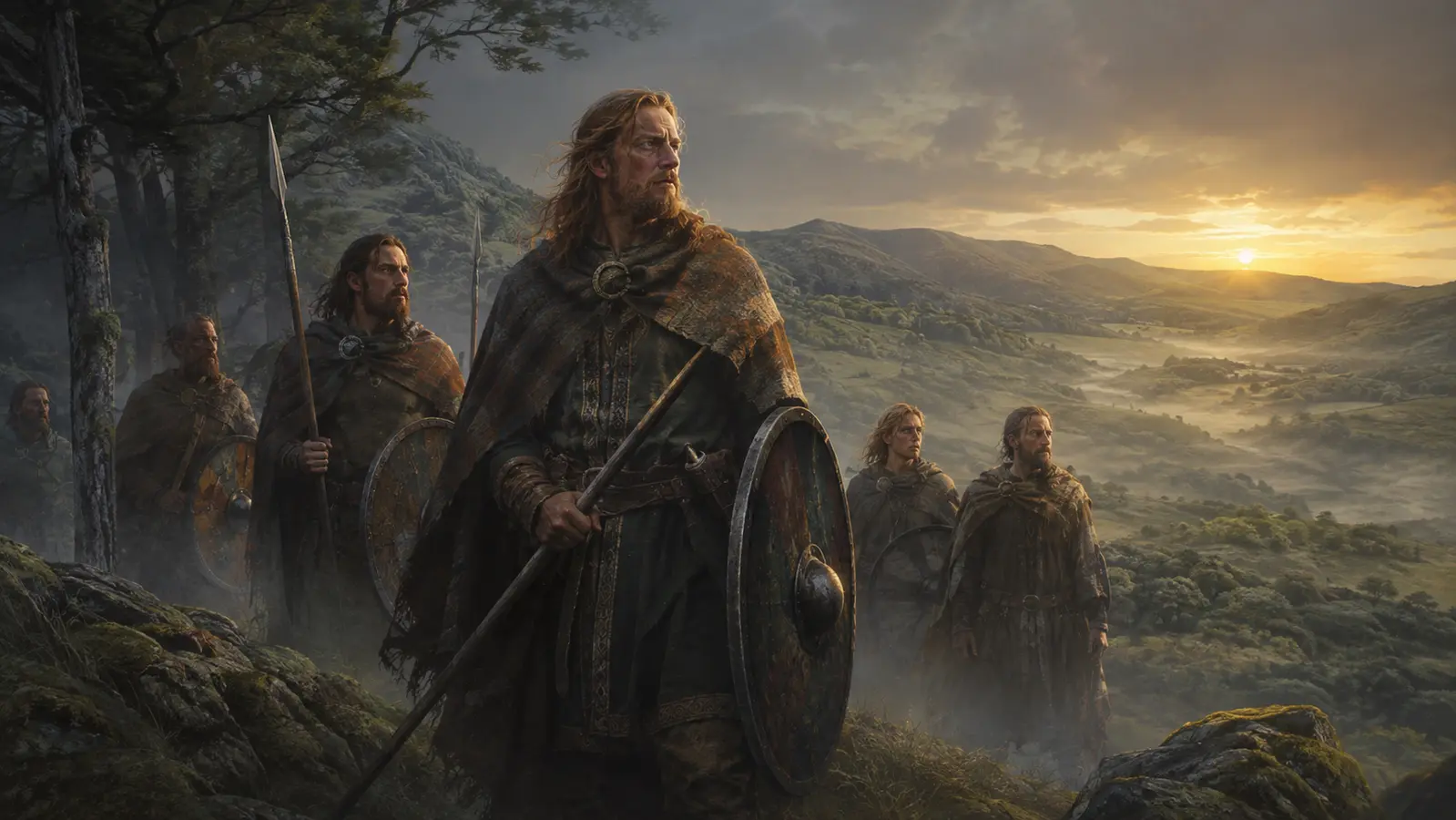
Long before Christianity arrived, the ancient Celts viewed death as a transition rather than an ending. They believed the soul journeyed to another world, a concept similar to the mythic realm of Annwn, the Celtic Otherworld. Death, therefore, was not feared but embraced as part of life’s eternal cycle.
Funeral customs often included feasting, music, and storytelling. These practices survive today in the Irish wake, where the community gathers to honor both the memory and spirit of the deceased.
The Wake: A Gathering of Memory and Laughter
Perhaps the most distinct Irish tradition is the wake, a vigil held in the home where the deceased is laid out for family and friends to pay respects. It blends grief and celebration, faith and folklore. People share stories, sing, and even laugh, believing that remembering joy keeps the soul’s memory alive.
The wake is also deeply tied to Irish storytelling culture. As explored in Why Are Irish People Natural Storytellers?, oral tradition has long been Ireland’s way of preserving history.

The Keening Women: Songs of Sorrow and Power
One of the most haunting aspects of traditional funerals was keening. It’s a vocal lament performed by women, often professional mourners known as “bean chaointe.” The keening voice was said to guide the spirit into the next world.
Though keening has largely faded, its echoes live on in Irish music and poetry. It influence everything from fiddle laments (see here) to Gaelic lullabies (explored here).
The Funeral Procession and Burial
Once the wake ended, the funeral procession began. Coffins were often carried through the village, followed by mourners praying and singing. Rural funerals could last several days, with neighbors providing food and companionship.
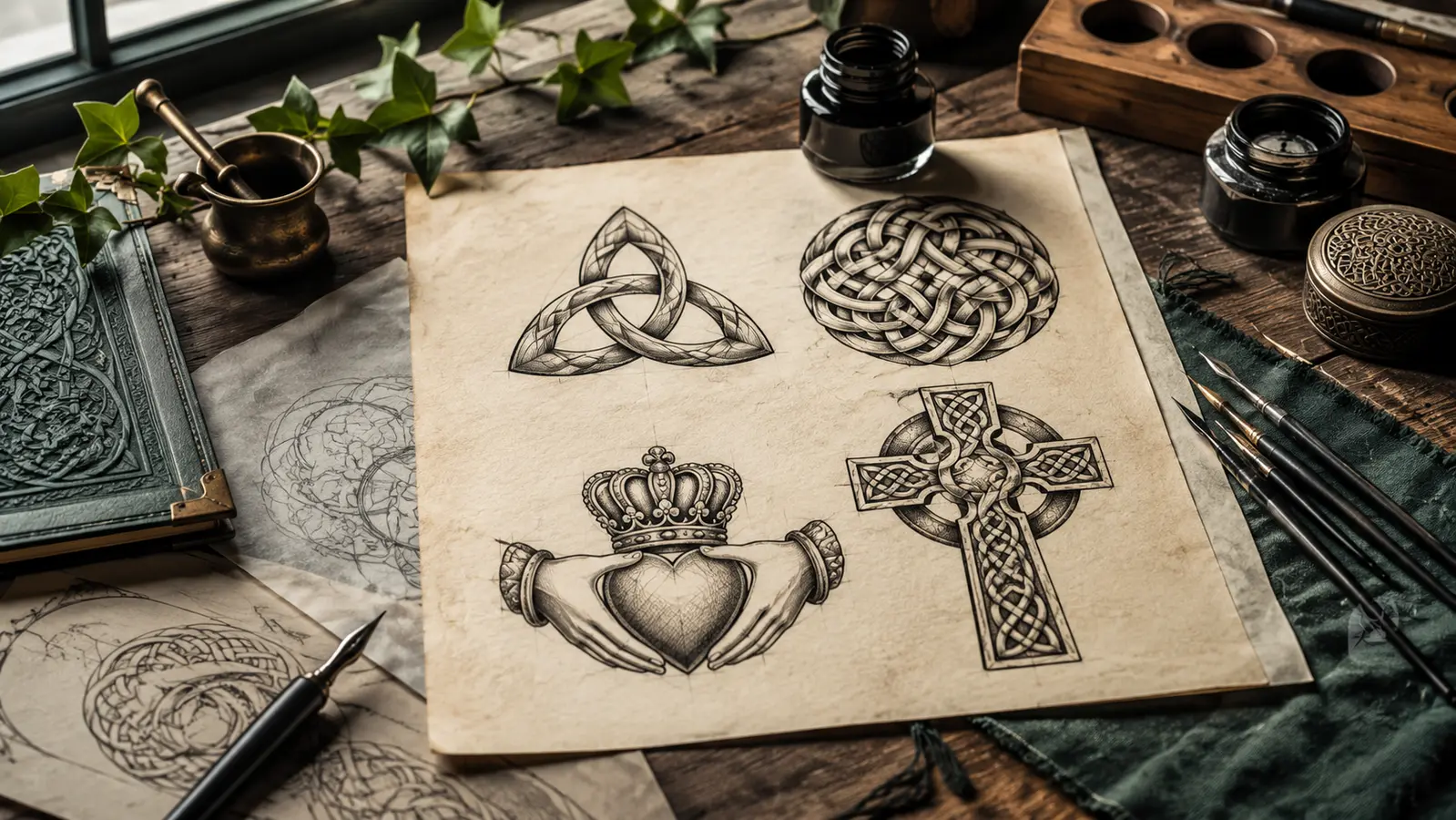
Traditional symbols like the Claddagh Ring, representing loyalty, and friendship were sometimes placed in graves as tokens of eternal bonds.

Faith, Folklore, and the Afterlife
In Irish folklore, death never fully separated the living from the dead. Spirits could visit loved ones, and supernatural figures like the banshee were believed to warn of an impending death. Holy wells and crosses like those discussed in Irish Holy Wells: Portals to the Past served as sacred spaces for mourning.
Christianity later intertwined with these beliefs, adding prayers, Mass, and rosaries while keeping the Celtic reverence for nature and spirit intact.

Modern Irish Funerals: Continuity and Change
Today, Irish funerals still blend the ancient and the modern. Families may hold a traditional wake in the home before a church service, followed by communal meals filled with storytelling and music. Even in cities, these moments of shared grief echo the Celtic belief that remembrance sustains the soul.
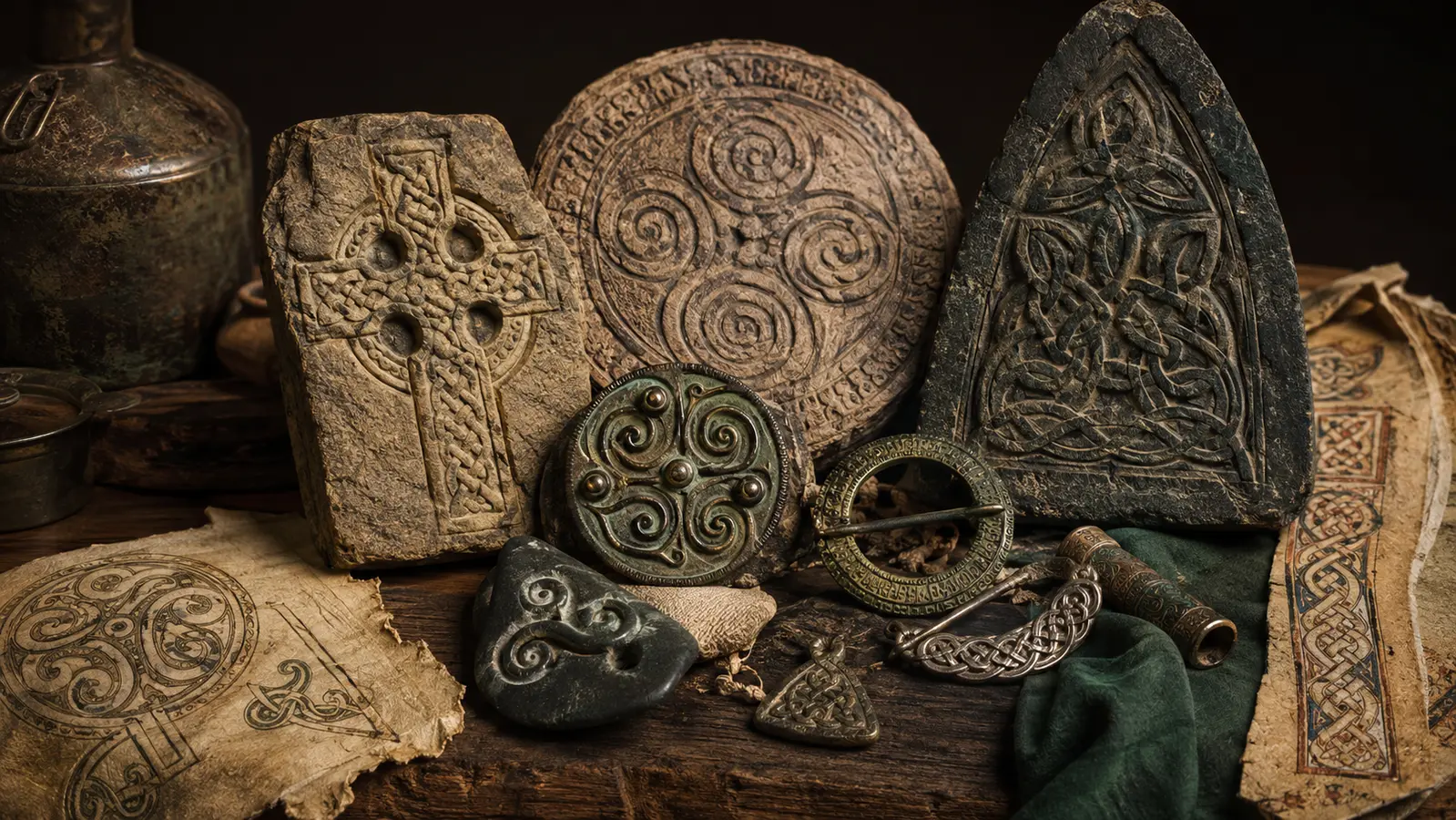
The enduring importance of community reflects Ireland’s broader cultural philosophy. THe philosophy that stories, songs, and symbols keep people alive long after death. It’s a legacy seen across Irish traditions, from Celtic stone carvings to the art of Gaelic proverbs.
Conclusion: The Irish Way of Remembering
Irish customs around death reveal a truth both profound and comforting: death is not an end but a continuation of love, story, and song. Whether through keening cries or whispered prayers, through laughter at a wake or a quiet walk past an old Celtic cross. The Irish remember and in remembering, they keep the past alive.