
Irish Cottage Industries: Handcrafts and Pottery Rooted in Heritage

Ireland’s cottage industries are more than economic ventures, they are the heartbeat of a people who value artistry, patience, and heritage. From hand-thrown pottery to finely woven textiles, these crafts preserve centuries-old techniques passed down through generations. Each handmade piece tells a story of resilience, identity, and connection to the land.
The Origins of Irish Handcraft Traditions
Irish handcrafts trace their roots to rural communities where self-sufficiency was vital. Long before industrialization, families produced tools, textiles, and household items by hand. These traditions blossomed into local industries that shaped regional identities.
Pottery, for example, evolved from simple utilitarian wares to intricate works of art, as seen in villages like Belleek and Arklow. These hubs became synonymous with quality and creativity.
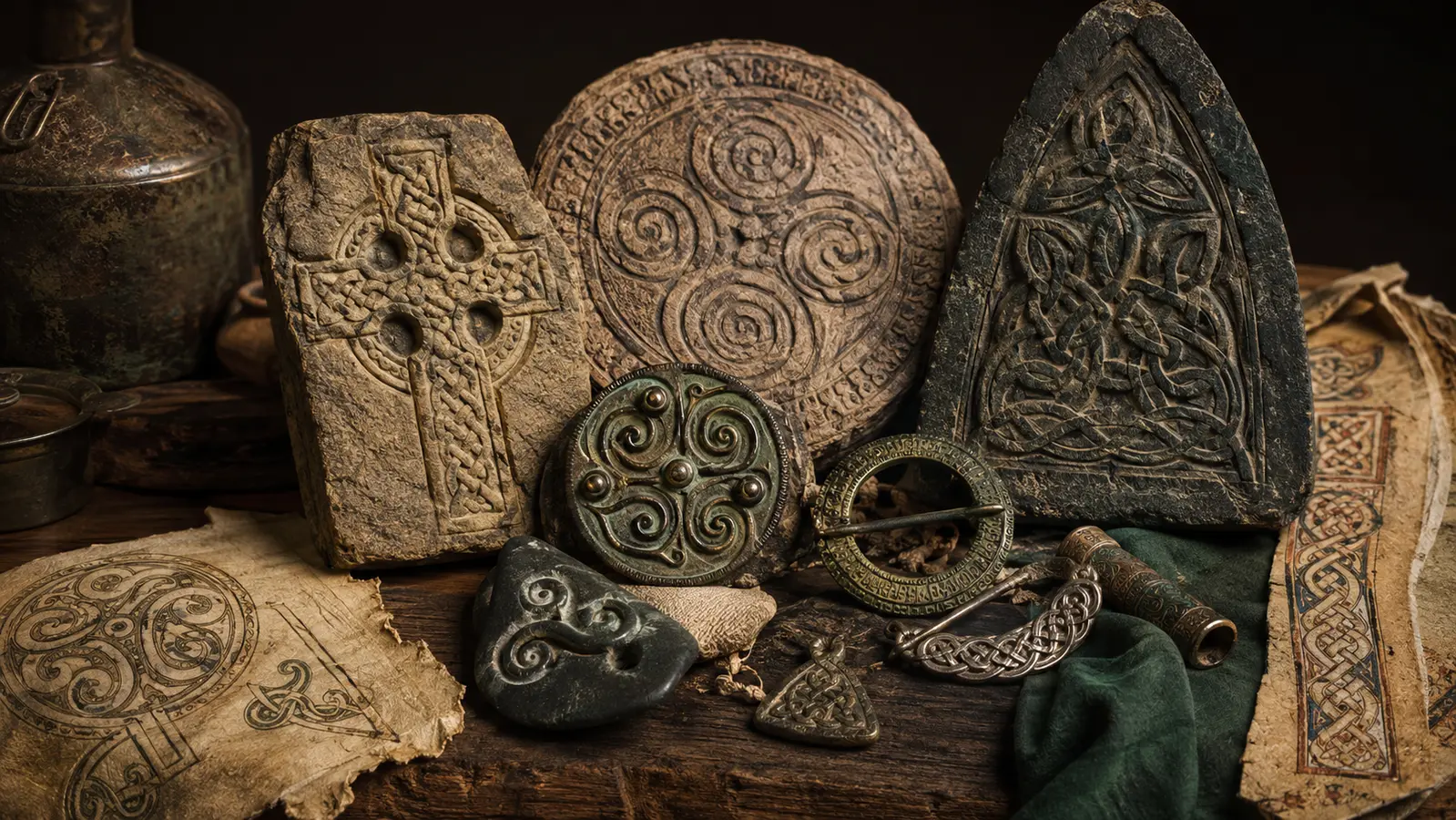
Explore how early Irish artisans carved meaning into everyday life from Celtic Stone Carvings.
Irish Pottery: Clay, Fire, and Soul
Irish pottery holds a special place in the nation’s cultural identity. Craftsmen worked with local clays, mastering the balance of earth and fire to produce both functional and decorative pieces. Belleek Pottery, founded in 1857, remains one of Ireland’s most renowned studios, known for its delicate translucence and Celtic-inspired motifs.
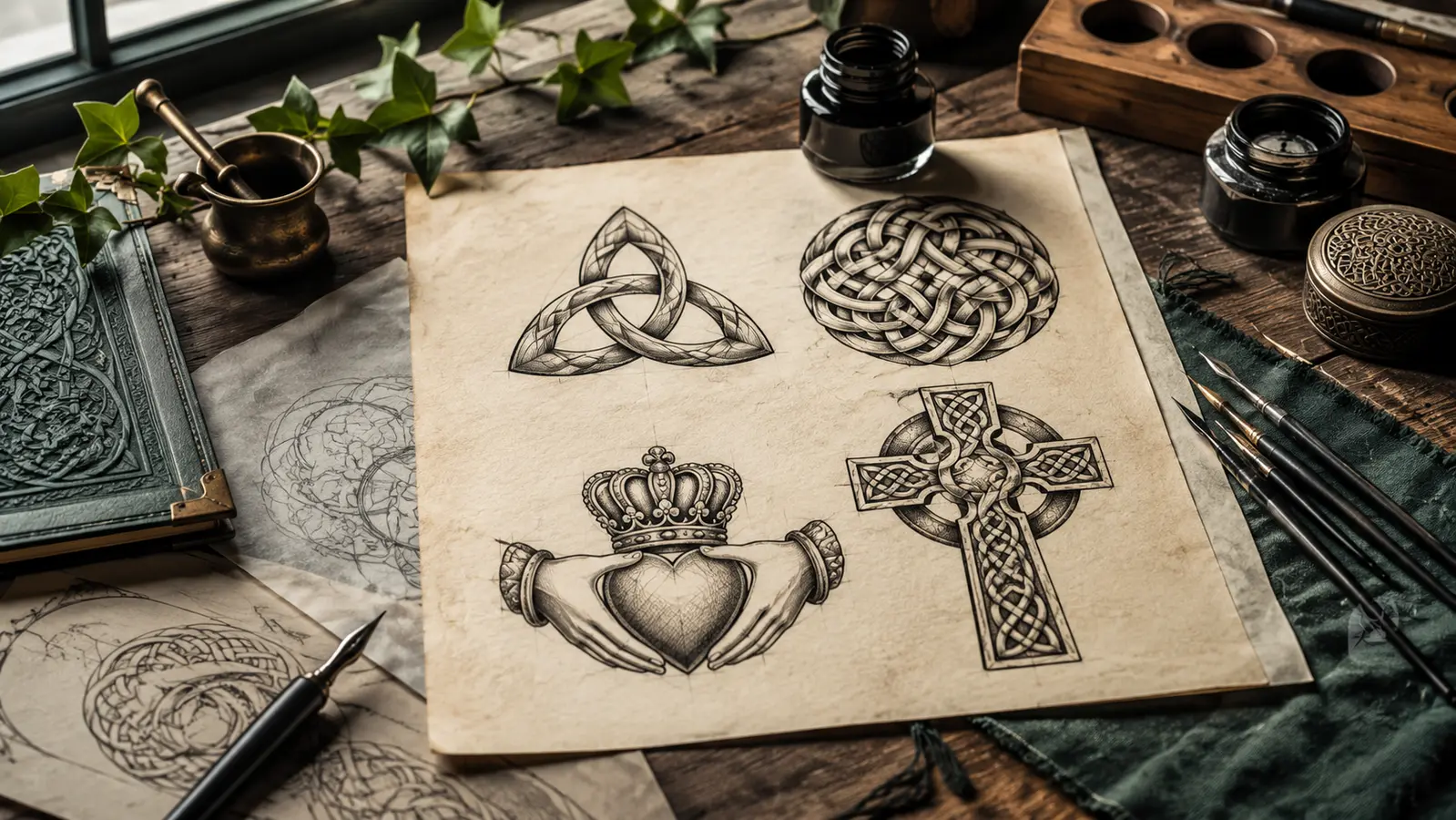
Each curve and glaze tells a tale of nature—waves, flora, and fields rendered in clay. Modern potters continue this lineage, blending heritage with innovation. Their works often carry motifs found in Celtic Art and Symbols, echoing Ireland’s spiritual and natural roots.

The Revival of Irish Weaving and Textiles
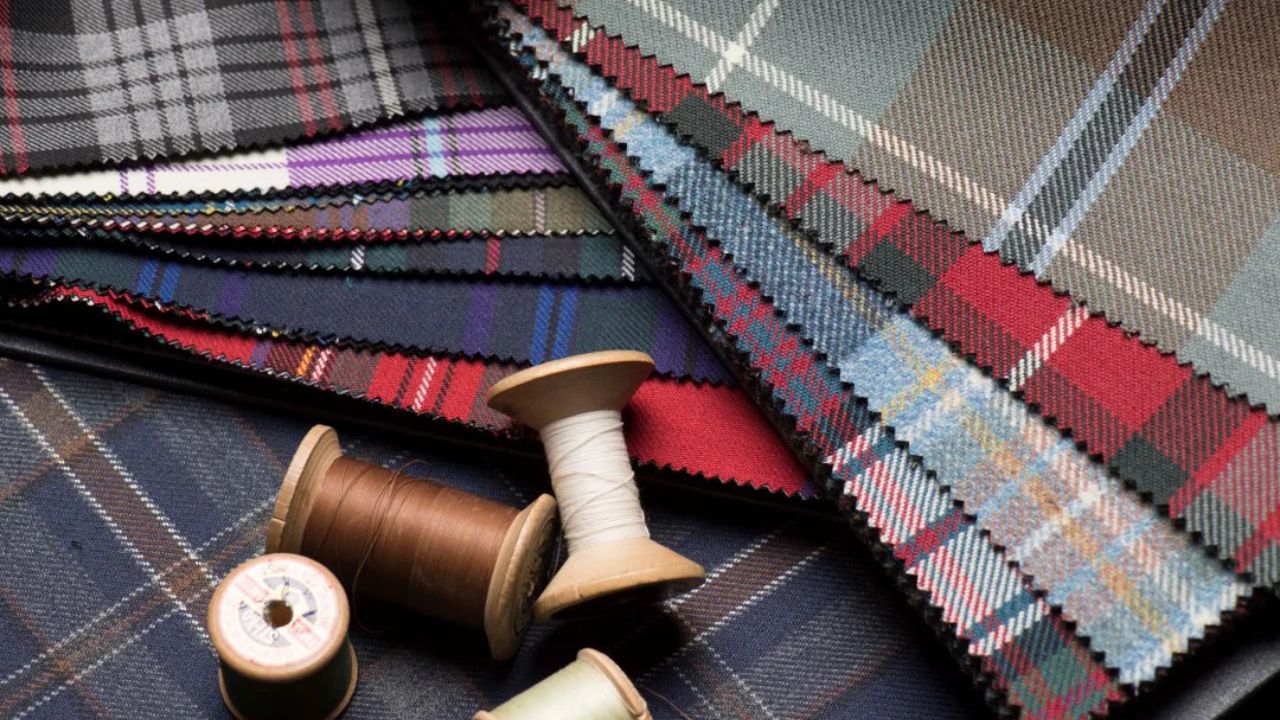
Weaving is another cornerstone of Ireland’s cottage economy. In counties like Donegal and Clare, families have spun wool and flax into textiles for centuries. The famous Donegal tweed, with its rugged texture and subtle color variations, mirrors the Irish landscape; its greens, greys, and blues.
Today, small weaving workshops keep these techniques alive, embracing natural dyes and handlooms to produce scarves, blankets, and garments that feel both ancient and modern. Their artistry reflects the same creative spirit that shapes Ireland’s Tartan and Textile Traditions.

Sustaining the Past Through Modern Hands
Cottage industries have seen a resurgence, driven by a desire to reconnect with authenticity. Visitors seek handcrafted pieces as symbols of Ireland’s living culture, not just souvenirs. Craft fairs, workshops, and online markets now link rural artisans to a global audience eager for sustainable, meaningful goods.
This revival mirrors Ireland’s storytelling tradition—every artisan, like the Irish Storytellers, passes down more than skill; they share a worldview shaped by patience and beauty.
The Legacy of Craft in Irish Identity
What defines Irish cottage crafts is not just craftsmanship, it’s continuity. Potters, weavers, and carvers act as guardians of cultural memory, preserving values of creativity, humility, and endurance. Their work bridges the old and new, offering proof that Ireland’s artistic soul endures even in a digital age.
Through Irish Holy Wells: Portals to the Past, explore another example of Ireland’s living connection between past and present.

Conclusion: Craft as a Conversation Across Time
Irish cottage industries remind us that art and life are inseparable. Every handmade bowl, blanket, or cup embodies centuries of craft, devotion, and community. These creations invite us to slow down, to hold something made by human hands, and to feel the enduring pulse of Ireland’s heritage.