Irish Cattle Fairs: The Beating Heart of Rural Ireland

Before supermarkets and online marketplaces, Ireland’s economy and its community life revolved around the cattle fair. These fairs were more than commercial hubs; they were living theatres of rural Ireland, filled with negotiation, music, laughter, and storytelling.
From the cobbled squares of Ballinasloe to the fields of Spancilhill, the cattle fair was where deals were struck with a handshake, songs were sung, and reputations were made.
Ancient Roots: Fairs in Celtic Ireland
The tradition of Irish fairs stretches back to pre-Christian times, rooted in Celtic festivals like Lughnasadh, which honored the harvest and the Sun God Lugh. These gatherings combined commerce with ceremony—where livestock trade mingled with games, poetry, and music.
Much like the Celtic Stone Carvings that stand as markers of ancient artistry, fairs were living monuments of cultural expression. They celebrated not just goods and livestock but also kinship, creativity, and Celtic continuity.
Ballinasloe: The Fair That Defines Them All
When it comes to cattle fairs, Ballinasloe Fair in County Galway reigns supreme. Known as one of the oldest livestock fairs in Europe, it dates back to the 18th century and continues to attract visitors from across Ireland and beyond.
For farmers, Ballinasloe was an economic milestone; for poets and travelers, it was a cultural pilgrimage. It was said that deals struck here could change the fate of entire families.
The fair wasn’t just about cattle, it was about the celebration of rural identity, similar in cultural weight to how Saint Patrick’s Day evolved into a festival of Irish spirit worldwide.

Music, Stories, and Markets of Memory
No Irish fair was complete without the sound of fiddles, drums, and the rhythm of a bodhrán, echoing through the market square. These fairs were stages for traditional musicians—the same musical lifeblood found in Ceili Bands and Fiddle Music.
Beyond trade, fairs were storytelling arenas. Local bards and travelers would recount legends, perhaps about selkies and sacred wells, tying the marketplace to Ireland’s rich oral tradition, much like discussed in Why Are Irish People Natural Storytellers?.

The Fair Day Experience
Fair days had their own rhythm. Farmers arrived before dawn, driving herds through misty roads. Bargaining was an art—firm handshakes, quick wit, and reputation meant everything.
Children followed their parents through stalls selling sweets and handmade crafts, while traders hawked tools, clothes, and livestock gear. It was both commerce and carnival, a fusion that made these gatherings feel like Ireland’s living heartbeat.
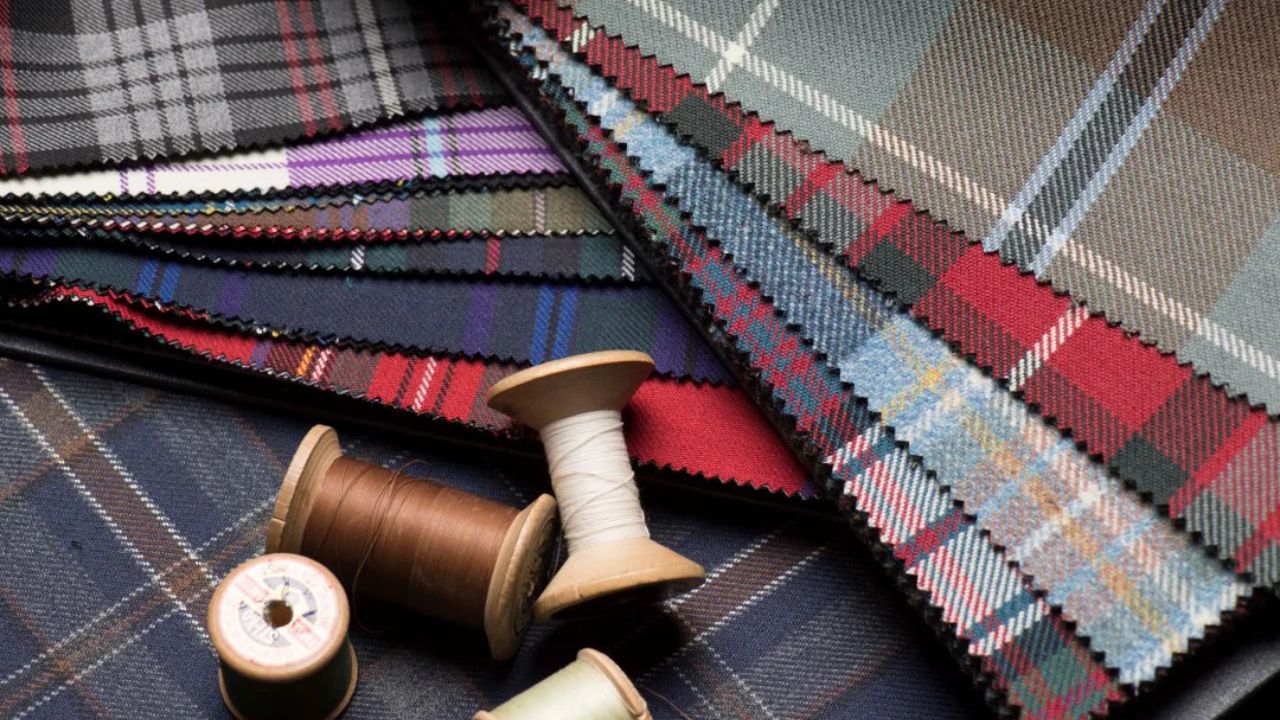
The social exchanges mirrored the woven connections of Irish society, much like the intertwined threads of a Tartan—each strand representing family, trade, and tradition.
Decline and Resilience: A Changing Ireland
By the mid-20th century, modernization began reshaping rural trade. Tractors replaced carts; formal markets replaced fairs. Yet, many traditional cattle fairs survived—symbols of resilience, much like Ireland itself through famine and migration, as explored in The Influence of the Irish Potato Famine.
Even today, these fairs remain festivals of identity—where heritage meets livelihood and where rural Ireland gathers to celebrate the stories that define it.

Conclusion: Echoes of the Past in Every Handshake
The Irish cattle fair is more than a memory, it’s a mirror of Ireland’s soul. It embodies the country’s balance between tradition and progress, community and independence.
In every fair, from Ballinasloe to Ballycastle, one finds the same heartbeat—the echo of drums, the murmur of deals, and the laughter of generations.
To understand Ireland, one must not only visit its castles or cathedrals but also stand in its fairgrounds, where history is still alive beneath the boots of cattle and the songs of farmers.
If you’re drawn to such living heritage, explore Ireland’s Culture & Tradition section for more journeys into its timeless spirit.