Wild Deer of the Highlands | Scotland’s Majestic Icons

The Silent Monarchs of the Highlands
In the vast, untamed beauty of the Scottish Highlands, one creature has long stood as both a symbol of grace and strength, the wild deer. From the ancient glens of Loch Lomond to the heather-clad moors of the Cairngorms, these noble animals embody the spirit of Scotland’s natural and cultural heritage.
Image Placement: At the top of this section
Alt Text: “Red deer stag standing on a misty Scottish hillside at dawn.”
A Legacy Rooted in Celtic Myth and Tradition
The deer holds a sacred place in Celtic mythology. It was believed to be a messenger between worlds, guiding souls through the forests and across mystical thresholds. The Celts saw the stag as a creature of the Otherworld—majestic, elusive, and deeply spiritual.
Just as the Celtic Sun God Lugh symbolized brilliance and vitality, the deer symbolized purity and transcendence. In many Highland tales, the appearance of a white stag foretold transformation—a calling toward destiny or divine pursuit.

Red Deer: Kings of the Glen
The red deer (Cervus elaphus) is Scotland’s largest land mammal and the undisputed king of the Highlands. These majestic stags roam freely across rugged terrain, their antlers crowning them like warriors of old.
Each autumn, the Highlands echo with the ancient roar of the rut, a primal symphony of dominance and desire. It’s a spectacle that has inspired poets, painters, and travelers for centuries—a living reflection of the land’s untamed heart.
For those exploring the Highlands, it’s not uncommon to spot them near Isle of Mull or even along the misty edges of Glencoe. Their presence is both a reminder of wild beauty and a testament to Scotland’s enduring ecological balance.

Cultural Significance and Symbolism
In Highland folklore, deer were often linked to the noble clans that roamed these lands. Many clan crests, such as those of Clan McKenzie and Clan Campbell, proudly display the stag as a mark of bravery, loyalty, and purity.
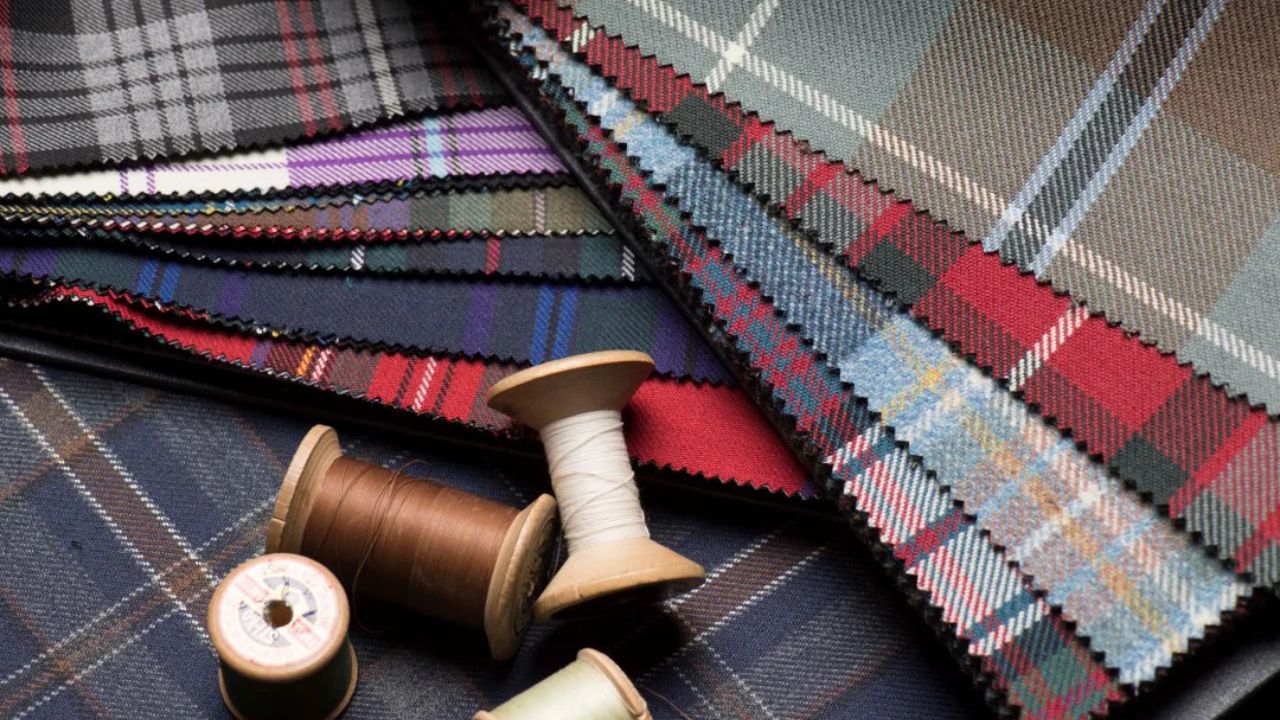
Just as the tartan patterns tell a story of lineage and loyalty, so too does the deer stand as a living symbol of the Highlands—majestic, free, and fiercely tied to its ancestral ground.

Deer and the Highland Ecosystem
Beyond myth and legend, wild deer play an essential role in maintaining the ecological rhythm of the Highlands. Their grazing shapes vegetation patterns, influencing everything from woodland regeneration to the habitats of smaller species.
However, conservationists continue to balance their numbers with environmental health—ensuring that the landscape remains diverse and sustainable. Modern Highland estates have embraced responsible deer management as both a cultural duty and ecological necessity.
Echoes of the Wild: From Past to Present
To encounter a stag in the Highland mist is to glimpse the past—a time when nature and mythology walked hand in hand. These animals are more than just wildlife; they are symbols of continuity, bridging ancient Celtic belief with modern ecological stewardship.
Their endurance mirrors Scotland’s own story: proud, resilient, and beautifully untamed.
For travelers inspired by this connection between nature and heritage, the Highlands offer more than scenery—they offer a dialogue with history, much like visiting the Hill of Tara or exploring the Legend of the Fairy Glen.
Conclusion: The Soul of the Highlands
The wild deer of the Highlands are not merely creatures of beauty—they are keepers of Scotland’s soul. They remind us that the land is alive with stories, from Celtic myth to modern conservation, all whispering through the heather and mist.
If you wish to explore more about Celtic traditions and nature’s sacred bond with the human spirit, wander through our Culture & Tradition section and uncover the heartbeat of the Celtic world.