Irish Dance Dresses: A Spirited Fusion of Heritage, Art, and Grace

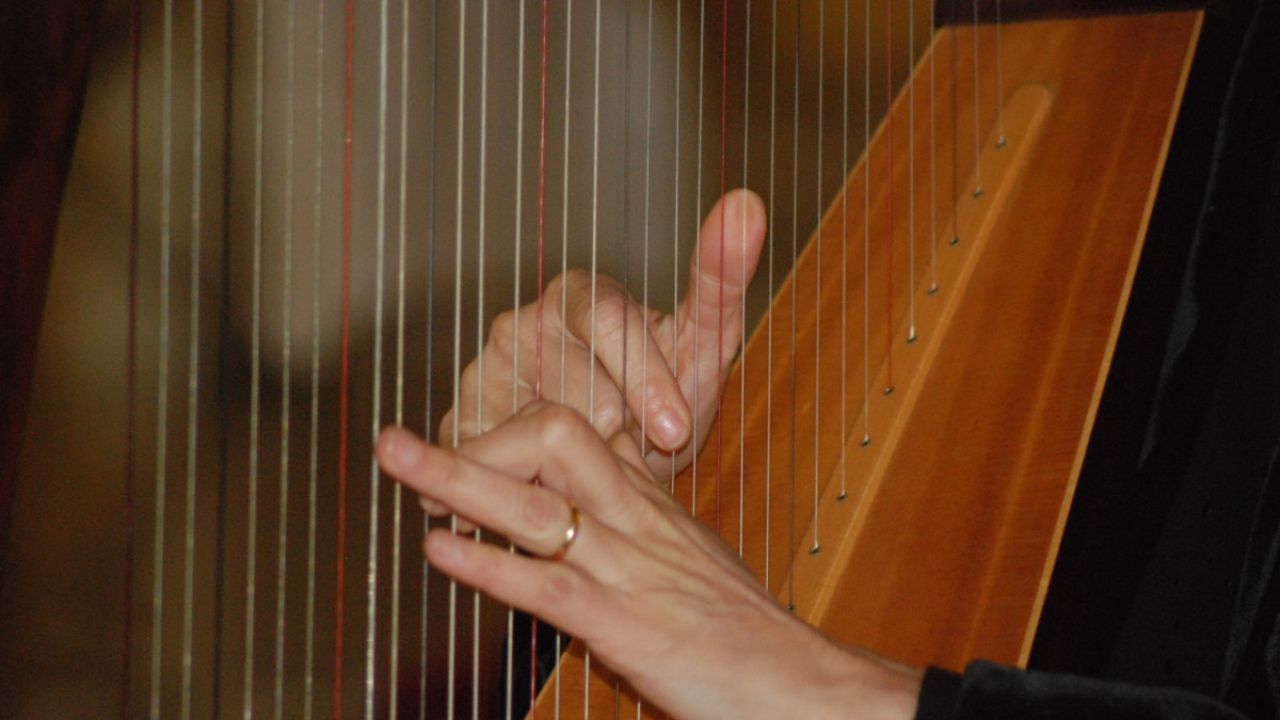
Few sights are as dazzling as a row of Irish dancers taking the stages. Their curls bouncing, feet tapping, and dresses shimmering under the lights. The Irish dance dress is more than performance attire; it is a living emblem of heritage, artistry, and pride. Like the Irish harp, the dance dress speaks in a visual language that tells Ireland’s story through threads and patterns.
The Origins of Irish Dance Costuming
Irish dance began as a communal expression performed in kitchens, at fairs, and at crossroads. Early dancers wore everyday clothing, their attire modest and practical. It was only in the early 20th century, with the formalization of dance schools and competitions (feiseanna), that distinctive costumes began to appear.
These early dresses were inspired by traditional peasant attire and richly embroidered garments seen in ancient manuscripts, reflecting the Celtic artistic revival that swept Ireland during the cultural resurgence of the early 1900s.

Symbolism in Embroidery: Threads That Tell Stories
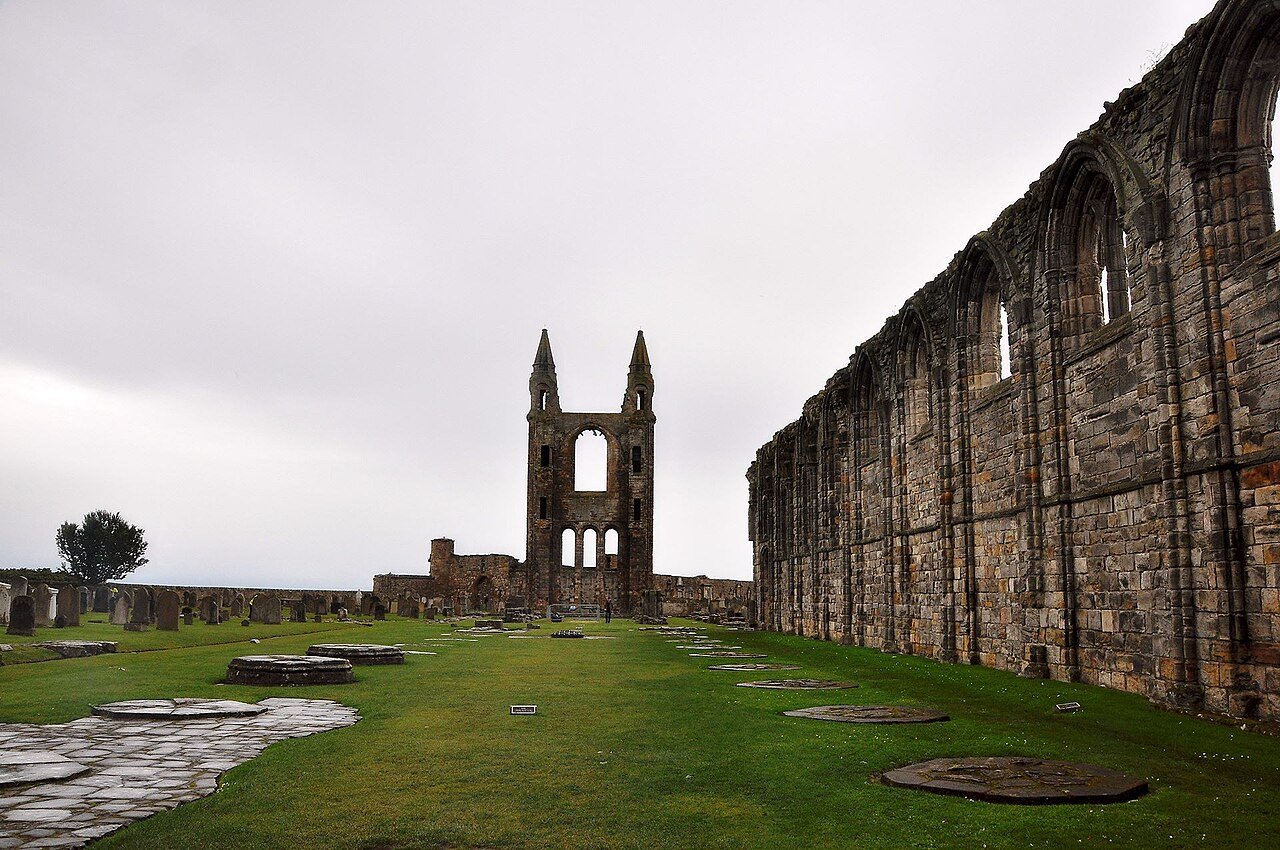
One of the most captivating elements of Irish dance dresses is the embroidery. Every swirl, knot, and curve is intentional—drawn from Celtic art motifs found in stone carvings and illuminated manuscripts like the Book of Kells.
The designs often feature:
- Celtic knots — representing eternity and interconnectedness
- Triskelions — symbolizing motion, spirit, and life
- Spirals and crosses — echoing ancient Irish spirituality
You can see similar patterns and their cultural meanings reflected in Celtic stone carvings and Celtic oak symbolism, both essential elements of Irish visual identity.

The Evolution of Style: From Modesty to Magnificence
In the mid-20th century, Irish dance dresses began to evolve dramatically. Velvet fabrics, lace collars, and capes became standard, inspired by both regional costume traditions and modern performance flair.
By the late 20th and early 21st centuries, the designs grew even bolder—sequins, satin, and Swarovski crystals now adorn the stage. Yet, even as trends shift, the soul of the dress remains rooted in Irish tradition.
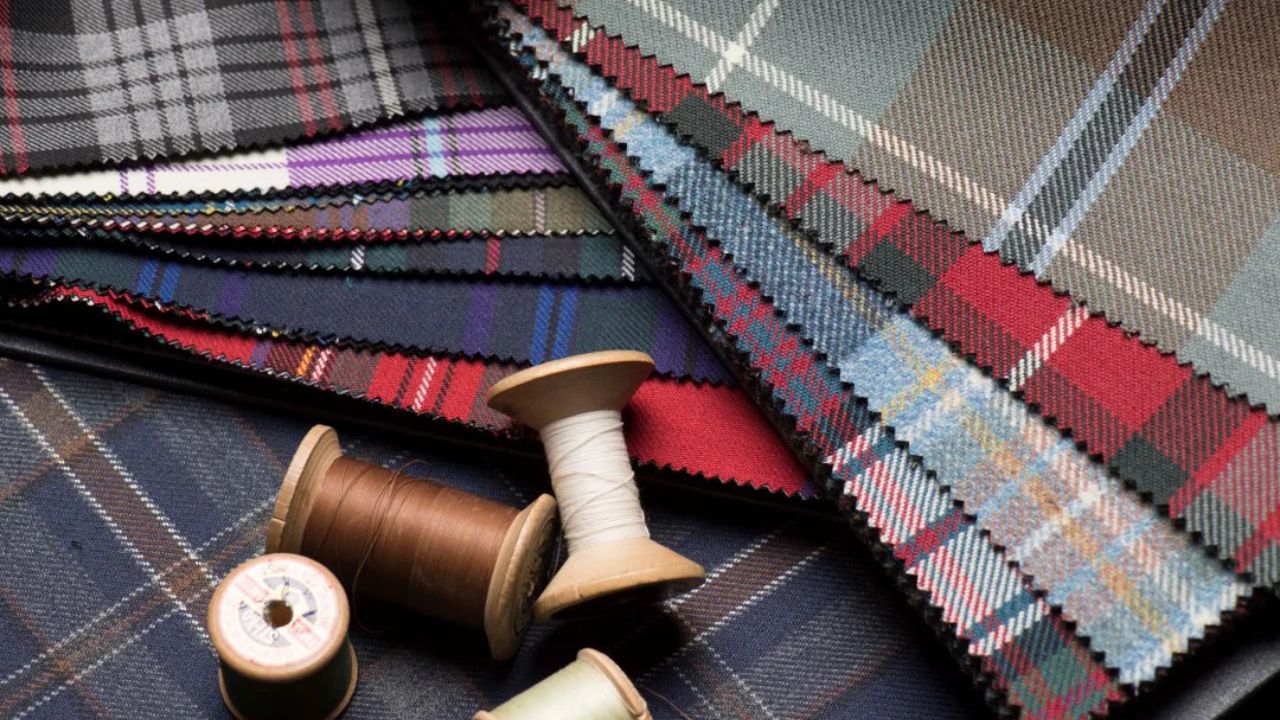
Modern dressmakers balance innovation with heritage, much like contemporary weavers of Scottish tartan shawls do with their patterns—evolving while preserving the spirit of the past.

Colors and Clan Identity: Meaning in Every Hue
Historically, colors in Irish clothing were influenced by local dyes—greens, blues, and browns drawn from the landscape. In dance, these colors take on symbolic meaning:
- Green for Ireland itself, the “Emerald Isle”
- Blue for loyalty and peace
- Gold for divine inspiration
The choice of color can also represent a dancer’s school or region, creating a sense of belonging similar to the tartan traditions of Scotland.
The Modern Dressmaker’s Art
Each Irish dance dress is custom-made—a collaboration between dancer and designer. From hand embroidery to digital design, the process is meticulous. Dresses must not only look beautiful but also move fluidly, allowing the dancer’s steps to shine.
In this way, the Irish dance dress mirrors the craftsmanship found in traditional Irish kilts, where artistry and functionality merge to create something timeless.

Cultural Continuity: More Than a Costume
Irish dance dresses have transcended their function as performance attire. They embody Irish identity—connecting the global Irish diaspora through beauty and movement. At festivals like Oireachtas Rince na hÉireann or Feis na Cruinne, dancers wear their heritage with pride, becoming modern ambassadors of Celtic culture.
The dress is both memory and motion, echoing centuries of music, myth, and meaning—like the rhythms of the bodhrán drum that keep Irish tradition alive.
Conclusion: Dancing Through Time
Every Irish dance dress is a moving tapestry—a story told in silk, velvet, and light. Whether in the modest embroidery of the early feiseanna or the dazzling rhinestones of today, the essence remains unchanged: a tribute to Irish resilience, creativity, and pride.
If you wish to explore more about how Irish artistry intertwines with cultural identity, visit our Culture & Tradition section or learn how Irish people became natural storytellers.