Cú Chulainn: The Fierce Hero of Ulster

Few figures in Celtic mythology command as much intensity as Cú Chulainn. His story burns with youthful courage, tragic destiny, and fierce loyalty. He stands at the heart of the Ulster Cycle, one of Ireland’s great mythological traditions.
As a scholar of early medieval literature might tell you, Cú Chulainn is not merely a warrior. He embodies the tension between human vulnerability and supernatural power. He is Ireland’s Achilles, yet profoundly Celtic in spirit.
Who Was Cú Chulainn?
Cú Chulainn, born Sétanta, earned his name after killing the guard dog of the smith Culann and offering to take its place. The name means “Hound of Culann.” Even as a child, he displayed extraordinary strength and skill.
Medieval manuscripts such as the Lebor na hUidre preserve his tales. These stories form part of the Ulster Cycle, which centers on the kingdom of Ulster and its capital at Emain Macha.
Cú Chulainn serves King Conchobar mac Nessa. He trains in Scotland under the warrior woman Scáthach, where he learns the deadly spear technique known as the Gáe Bolga. From that moment, destiny tightens around him.
The Táin Bó Cúailnge
Cú Chulainn’s greatest saga unfolds in the Táin Bó Cúailnge, the Cattle Raid of Cooley. Queen Medb of Connacht invades Ulster to capture the prized Brown Bull. The men of Ulster lie incapacitated by a curse. Only Cú Chulainn stands ready.
For days, he defends the province alone. He challenges enemy champions in single combat. He holds the ford against overwhelming forces. His body transforms in battle through the ríastrad, a terrifying warp-spasm that reshapes him into something almost inhuman.
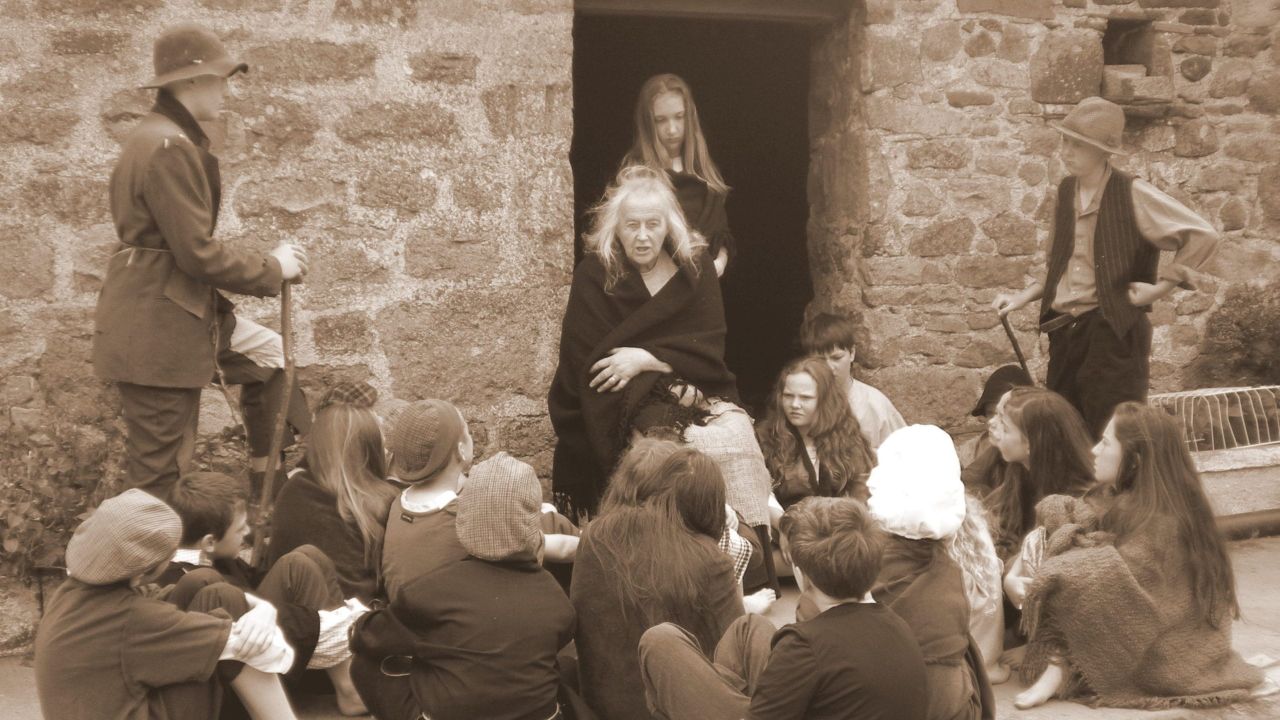
In these scenes, Irish storytelling reaches remarkable psychological depth. If you explore why Irish people are natural storytellers (https://celtguide.com/why-are-irish-people-natural-storytellers/), you will see how rhythm, repetition, and heroic exaggeration shape such narratives.
Divine Lineage and Celtic Cosmology
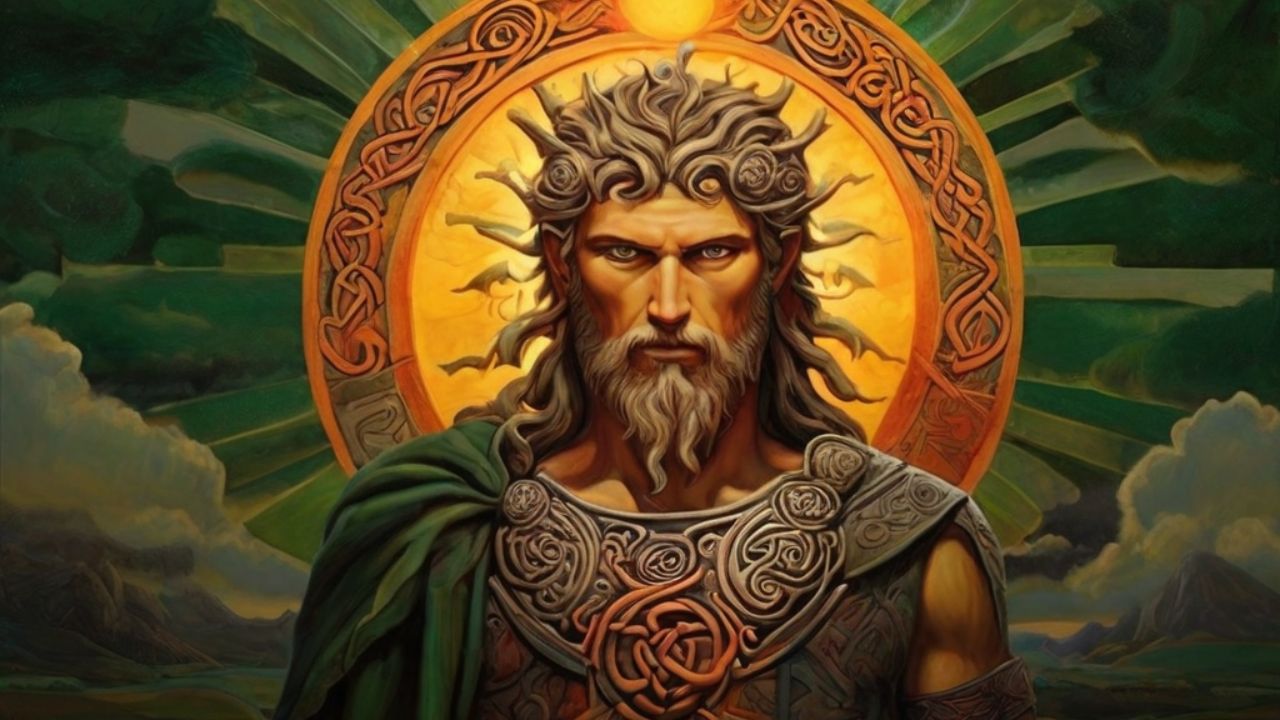
Tradition names Lugh as Cú Chulainn’s divine father. Lugh, master of arts and war, links the hero to solar imagery and seasonal power. You can read more in our feature on the Celtic sun god Lugh (https://celtguide.com/celtic-sun-god-lugh/).
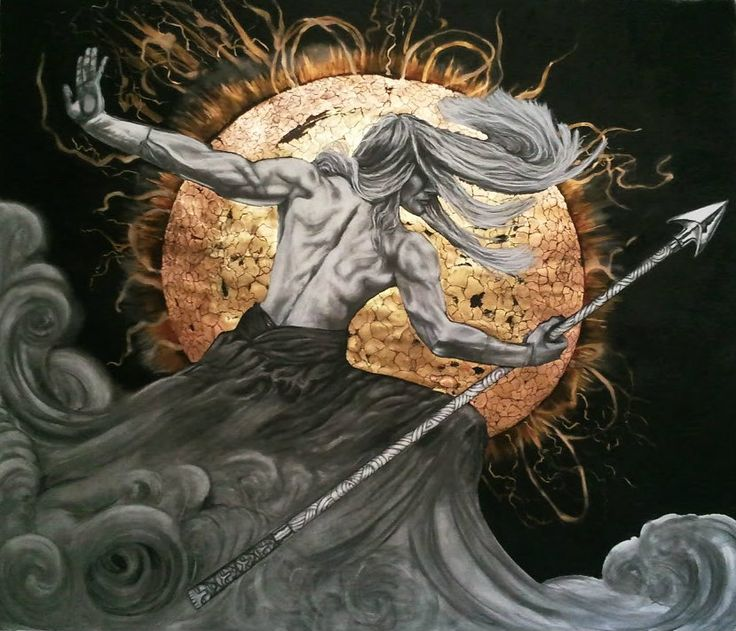
This divine connection does not shield Cú Chulainn from mortality. Instead, it intensifies the tragedy. Celtic myth rarely promises safe heroism. It demands sacrifice.
The spiritual landscape of these stories also echoes places like the Hill of Tara, long associated with kingship and sacred authority. Explore its history here: https://celtguide.com/hill-of-tara/.
The Hero’s Code
Cú Chulainn follows a strict warrior code. He values honour above comfort. He keeps his word even when it leads to ruin. His tragic flaw lies in his inability to refuse challenges or break geasa—sacred taboos placed upon him.
This moral framework reflects early Irish society. Kinship, loyalty, and personal reputation shaped communal life. If you read Gaelic Irish proverbs (https://celtguide.com/gaelic-irish-proverbs/), you will notice how wisdom literature reinforces these same values.
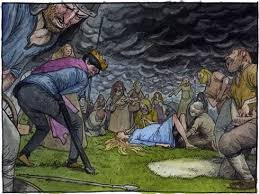
The hero’s death scene remains one of the most powerful in European myth. Mortally wounded, he ties himself to a standing stone so he may die upright. Only when a raven lands upon his shoulder do his enemies dare approach.
Cú Chulainn in Landscape and Memory
Myth does not float above geography. It roots itself in land. The Cooley Peninsula, associated with the Táin, still carries echoes of the saga. Visitors to Ireland often pair literary exploration with travel, much like those who journey along the Ring of Kerry (https://celtguide.com/ring-of-kerry/).
Irish holy wells (https://celtguide.com/irish-holy-wells-portals-to-the-past-pathways-to-the-divine/) and ancient sites preserve a sense of continuity between myth and place. Cú Chulainn’s legend thrives in that continuity.
Symbolism and Cultural Legacy
Cú Chulainn has inspired poets, revolutionaries, and artists. During Ireland’s struggle for independence, nationalists invoked his image as a symbol of resistance. Sculptures in Dublin depict him as the eternal defender.
Like the Cauldron of the Dagda, which symbolizes abundance and renewal (see https://celtguide.com/cauldron-of-dagda/), Cú Chulainn represents resilience. He rises repeatedly in cultural memory.
Modern Celtic festivals, including events highlighted in Highland Games 2025 (https://celtguide.com/events-to-watch-in-highland-games-2025/), continue to celebrate heroic ideals rooted in shared heritage.
Why Cú Chulainn Still Matters
Cú Chulainn endures because he confronts limits. He embodies courage without certainty. He fights knowing he will fall.
In an age that prizes convenience, his story feels bracing. He reminds us that identity forms through loyalty, sacrifice, and memory. His legend invites readers to ask difficult questions about strength and vulnerability.
Celtic mythology offers no simplistic moral. It offers complexity, rhythm, and emotional truth. Cú Chulainn stands at its centre; young, fierce, and unforgettable.
For more explorations of Celtic heritage, visit our main blog hub: https://celtguide.com/blog/.