Celtic Triskele Symbol: Meaning, History & Origins
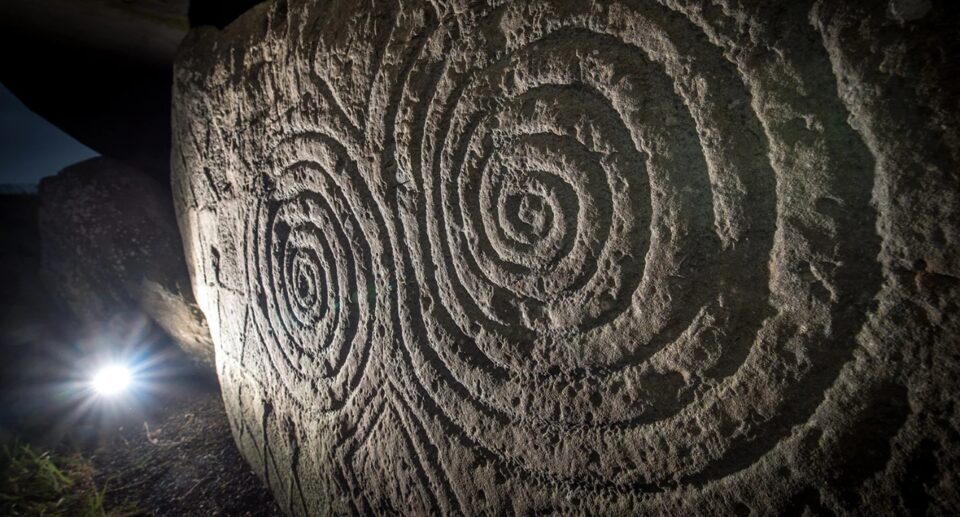
The Celtic Triskele stands among the most enduring symbols of the ancient Celtic world. Its three interlocked spirals move in quiet motion, suggesting rhythm, balance, and continuity. At first glance, it seems simple. Look closer, and you begin to see a philosophy carved into stone.
Across Ireland and Scotland, artisans etched this triple spiral into rock, metal, and manuscript. The design appears in early Celtic stone carvings, illuminated texts, and ritual objects. If you explore our guide on Celtic stone carvings (https://celtguide.com/celtic-stone-carvings/), you will notice how often spiral motifs recur. The Triskele is not decoration alone. It expresses a worldview.
What Is the Triskele?
The word “Triskele” derives from the Greek triskeles, meaning “three-legged.” Scholars also use the term Triskelion. In Celtic contexts, the symbol usually appears as three connected spirals radiating from a central point.
Archaeological evidence places the motif long before the arrival of Christianity in Ireland. The triple spiral carved at Newgrange predates the pyramids of Giza. This alone tells us something profound: the Triskele belongs to Europe’s deep prehistory.
The Celts did not invent the spiral. Yet they embraced it and gave it distinct cultural resonance. They integrated it into metalwork, warrior shields, and sacred sites.
The Meaning of the Triskele
No single interpretation exhausts the Triskele’s meaning. Instead, the symbol invites layered readings.
1. The Power of Three
Celtic culture reveres triads. We see this pattern in myth, law, and poetry. The number three expresses completeness. Past, present, and future. Land, sea, and sky. Birth, life, and death.
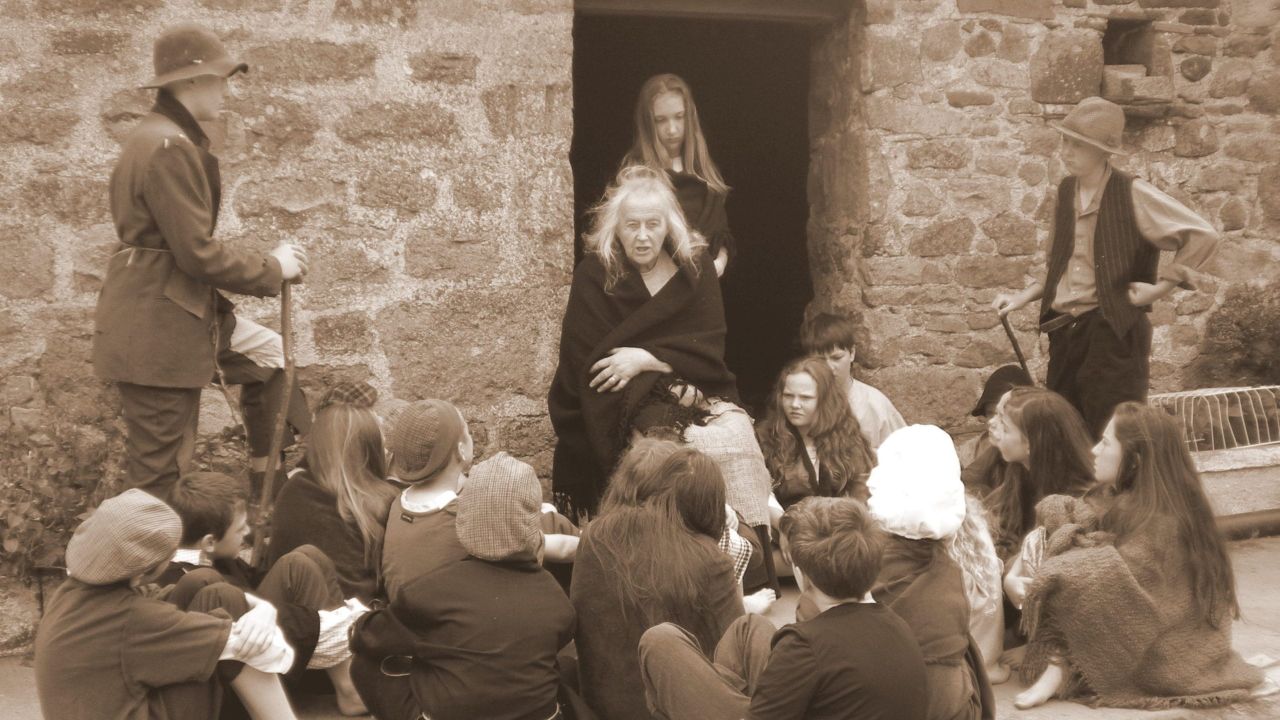
The triple rhythm appears in oral tradition as well. If you read our article on why Irish people are natural storytellers (https://celtguide.com/why-are-irish-people-natural-storytellers/), you will notice how repetition and triadic structure shape narrative flow. The Triskele mirrors that cadence in visual form.
2. Motion and Continuity
Unlike rigid geometric emblems, the Triskele moves. Each spiral flows into the next. The design suggests energy rather than stasis. Ancient viewers may have seen it as a sign of eternal motion—the sun’s cycle, the agricultural year, or the human journey through time.
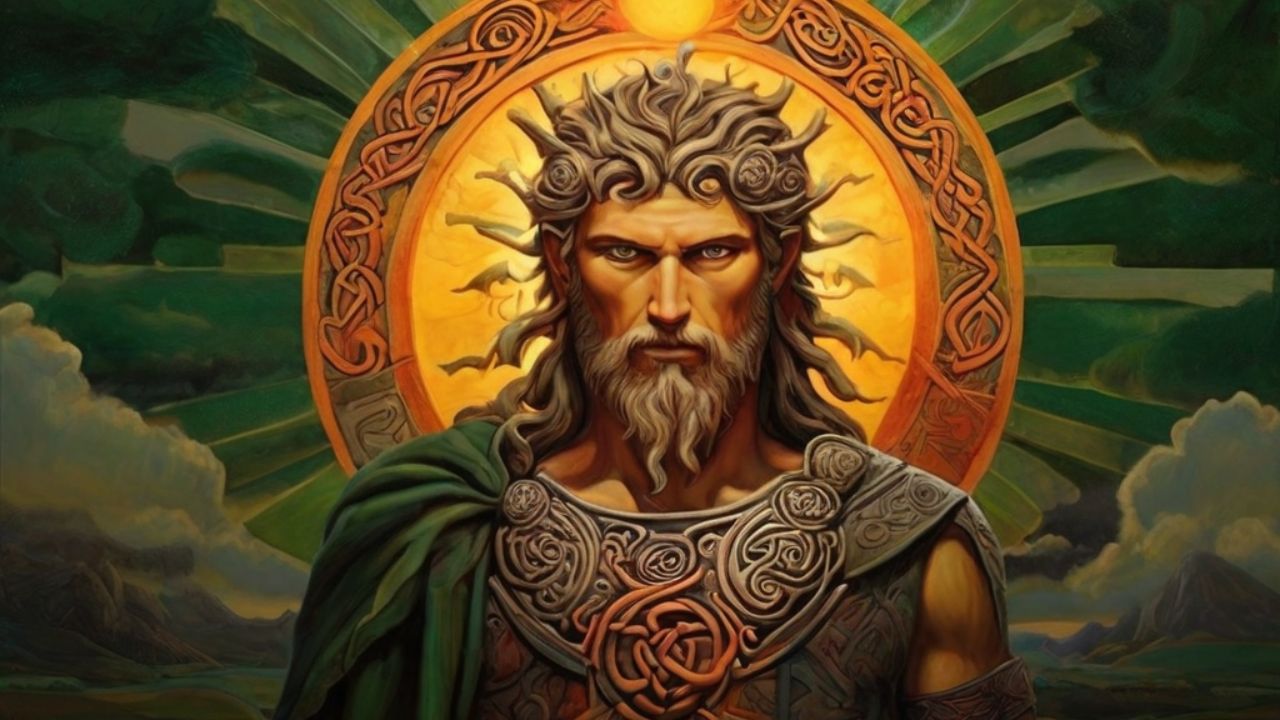
In this sense, the symbol resonates with the mythic cycles surrounding figures such as Lugh, whose seasonal presence shaped harvest festivals. You can explore this further in our feature on the Celtic sun god Lugh (https://celtguide.com/celtic-sun-god-lugh/).
3. Spiritual Realms
Some scholars connect the Triskele to cosmology. The Celts often conceived reality as layered. The earthly realm coexisted with the Otherworld, known in Welsh tradition as Annwn. Our guide to Annwn (https://celtguide.com/what-is-annwn/) explores this dimension in depth.
The three spirals may symbolize the relationship between mortal life, divine forces, and the ancestral sphere. Rather than separating these realms, the Triskele binds them together.
The Triskele in Archaeology
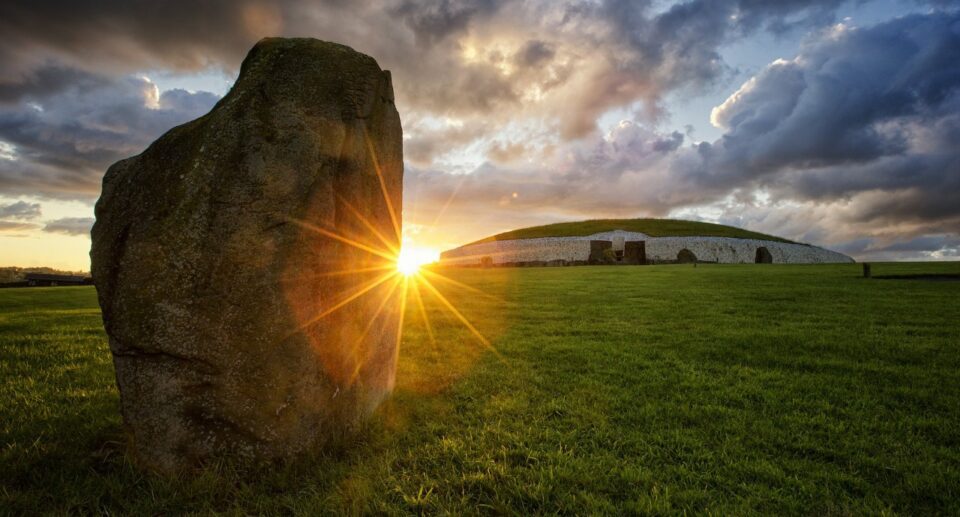
The most famous early example remains the triple spiral at Newgrange in County Meath. Carved into stone slabs, the design greets visitors before they enter the passage tomb. The monument aligns with the winter solstice sunrise, reinforcing themes of rebirth and cyclical renewal.
Later Celtic artisans incorporated spiral forms into La Tène metalwork. Bronze shields, torcs, and ceremonial objects display flowing curves that echo the Triskele’s energy.
The symbol also appears near sacred landscapes such as the Hill of Tara, long associated with kingship and sovereignty. You can read more in our article on the Hill of Tara (https://celtguide.com/hill-of-tara/).
The Triskele and Celtic Myth
Celtic mythology often centers on sacred objects that embody abundance and renewal. Consider the legendary Cauldron of the Dagda, a vessel that never runs empty. Our exploration of the Cauldron of the Dagda (https://celtguide.com/cauldron-of-dagda/) highlights the Celtic fascination with cyclical nourishment and regeneration.
The Triskele visually encodes similar themes. Each spiral flows into the next without end. The design resists closure. It promises continuity.

This pattern also appears in seasonal festivals, from harvest rites to the celebrations discussed in our article on the significance of Saint Patrick’s Day (https://celtguide.com/the-significance-of-saint-patricks-day/). Even as religious forms changed, the reverence for cyclical renewal endured.
The Triskele in Modern Celtic Identity
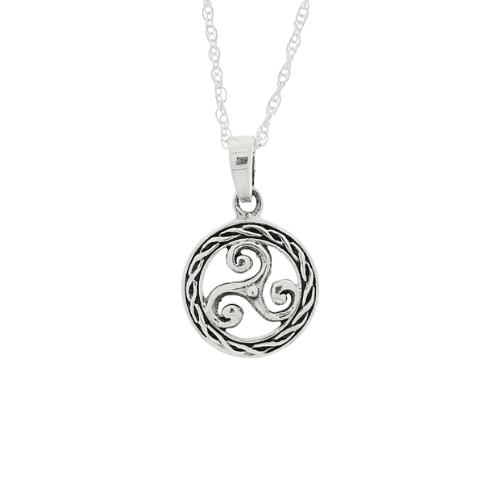
Today, the Triskele adorns jewellery, tattoos, textiles, and home décor. Designers incorporate it into tartan accessories and contemporary Celtic fashion. If you are curious about tartan history, explore what is tartan (https://celtguide.com/what-is-tartan/) and how long tartan prints have been around (https://celtguide.com/how-long-has-the-tartan-prints-been-around/).
Modern usage does not strip the symbol of meaning. Instead, it reflects continuity with the past. Just as the Claddagh ring expresses love, loyalty, and friendship, explained in our Claddagh ring guide (https://celtguide.com/claddagh-ring-meaning-history-and-symbolism/), Triskele conveys balance and unity.
Across festivals, including the Highland Games (see events to watch in Highland Games 2025: https://celtguide.com/events-to-watch-in-highland-games-2025/), Celtic symbols reinforce communal identity. They connect diaspora communities to ancestral memory.
Why the Triskele Still Matters
The Triskele endures because it speaks in metaphor rather than dogma. It invites interpretation. It offers structure without rigidity. In a fragmented world, its triple symmetry suggests harmony.
The ancient Celts carved motion into stone. They trusted rhythm over straight lines. The Triskele embodies that choice. It reminds us that life unfolds in cycles, not straight paths.
When you encounter the symbol, whether in archaeological sites, jewellery, or manuscript art, you witness more than ornament. You see an intellectual tradition that valued balance, continuity, and the sacred power of three.