
Irish Traditional Turf-Cutting Tools: A Cultural and Material Legacy
Ireland’s peat bogs hold more than fuel. They preserve memory, labor, and landscape knowledge shaped over centuries. Turf cutting, once a seasonal ritual, relied on simple yet highly specialized tools. These implements reveal a remarkable blend of environmental adaptation and craftsmanship. They also connect deeply with broader Celtic traditions of land use and storytelling, much like those explored in CeltGuide Blog.
The Bog as Cultural Landscape

Irish bogs formed over thousands of years. They created a unique ecosystem of waterlogged vegetation. Communities learned to harvest peat (turf) sustainably from these lands. Turf provided heat, cooking fuel, and even social structure.
This relationship between people and land echoes wider Celtic traditions. You can see similar cultural depth in narratives like Why Are Irish People Natural Storytellers, where landscape and memory intertwine.
The Sleán: Icon of Turf Cutting
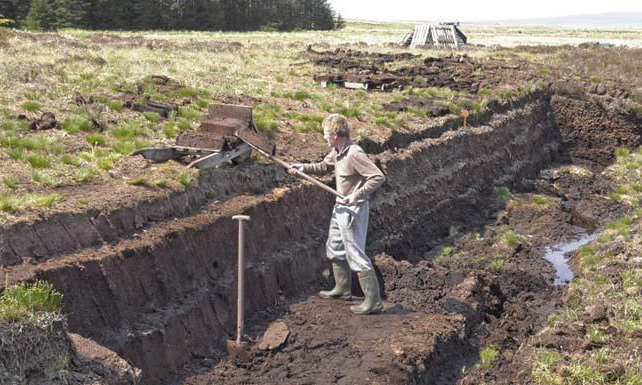
The sleán stands at the heart of Irish turf cutting. It is not merely a spade. It is a precision tool designed for slicing peat cleanly.
Key Features
- Long wooden shaft for leverage
- Narrow iron blade for deep cuts
- Winged sides to lift turf blocks efficiently
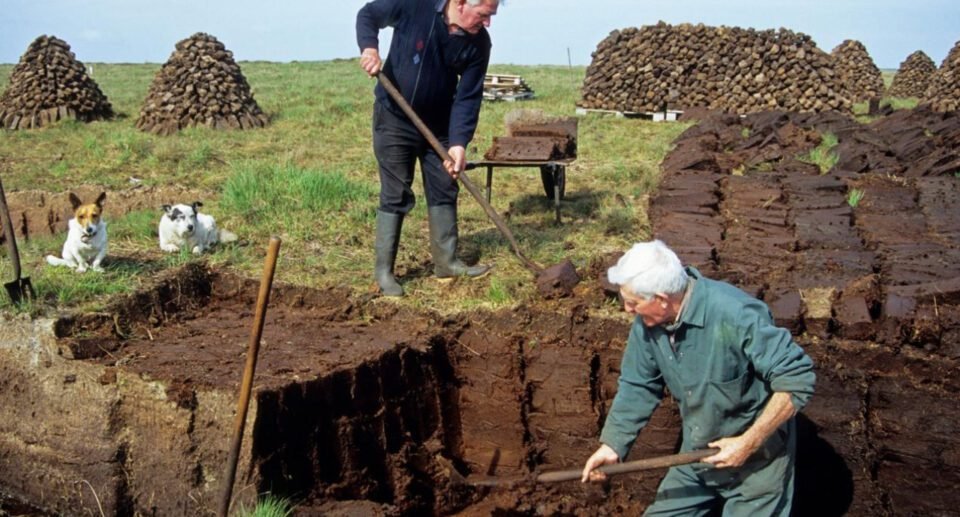
Farmers used the sleán to cut rectangular sods from the bog. Each cut required rhythm and skill. Over time, the motion became almost ritualistic.

Variants of Turf-Cutting Tools

Though the sleán dominates, several regional variations existed:
1. The Slipes
Used for trimming and shaping turf blocks after cutting.
2. The Loy
A broader spade, often used in wetter bog conditions.
3. The Tairsgeir
A less common tool, designed for specific soil densities.
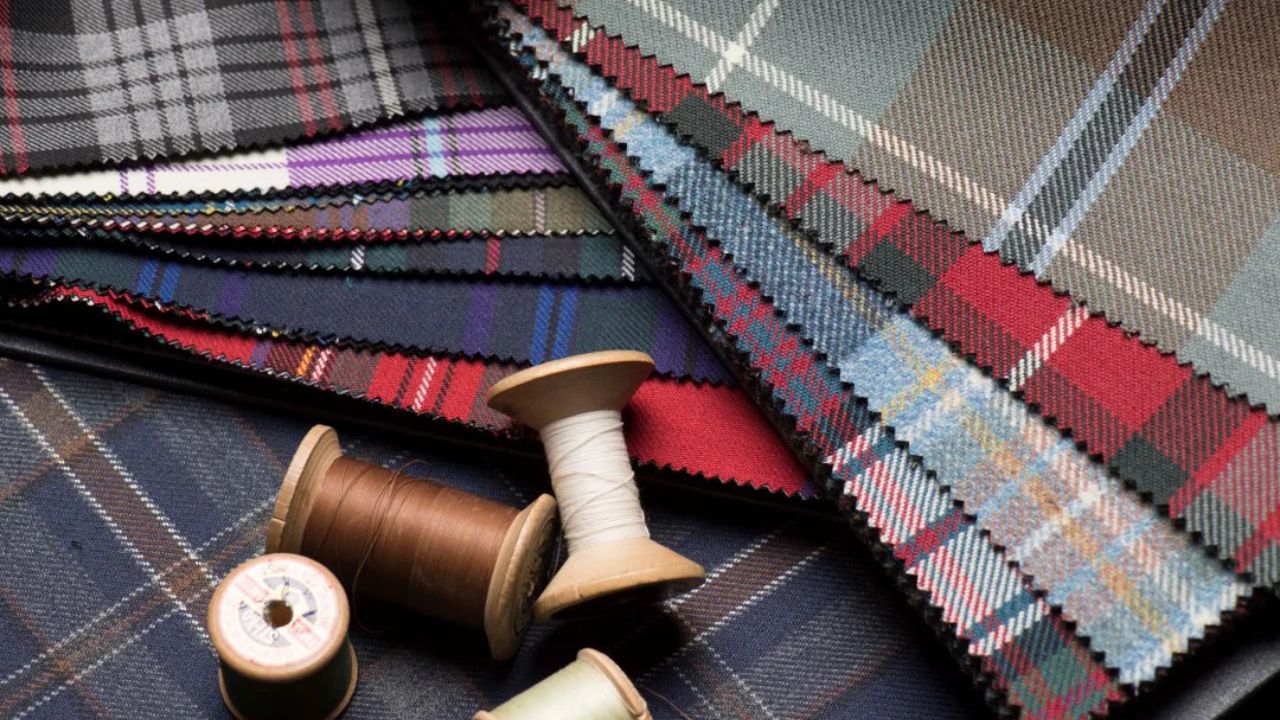
Each tool reflects micro-regional adaptation. This diversity mirrors other Celtic material traditions, such as textile variation discussed in What Is Tartan.
The Process of Turf Cutting
Turf cutting followed a structured sequence:
1. Cutting
Workers used the sleán to extract sods from the bog.
2. Footing
Fresh turf pieces were laid out to dry.
3. Turning
Workers rotated sods to ensure even drying.
4. Stacking
Dried turf was stacked into small pyramids or clamps.
5. Transport
Finally, families transported turf home for winter use.
This process required cooperation. It often involved entire families and neighbors, reinforcing communal bonds.
Tools as Cultural Artefacts
These tools carry symbolic weight. They represent resilience, adaptation, and rural identity. Like musical instruments such as the bodhrán explored in The Bodhrán Drum, turf-cutting tools embody rhythm and tradition.
Even today, preserved sleáns appear in museums and heritage centers. They serve as tactile reminders of a labor-intensive past.
Environmental and Historical Context
The importance of turf cutting increased during times of scarcity. For example, during crises like The Influence of the Irish Potato Famine, peat became a vital survival resource.
However, modern environmental concerns now shape turf-cutting practices. Conservation efforts aim to protect bog ecosystems while respecting cultural heritage.
Conclusion: Enduring Legacy of Turf-Cutting Tools
Irish turf-cutting tools illustrate a profound dialogue between humans and landscape. They combine practicality with cultural meaning. The sleán, in particular, stands as a symbol of Irish rural life.
Understanding these tools helps us appreciate how everyday objects carry history. They also remind us that tradition often resides in the simplest acts; cutting, stacking, and sharing warmth.