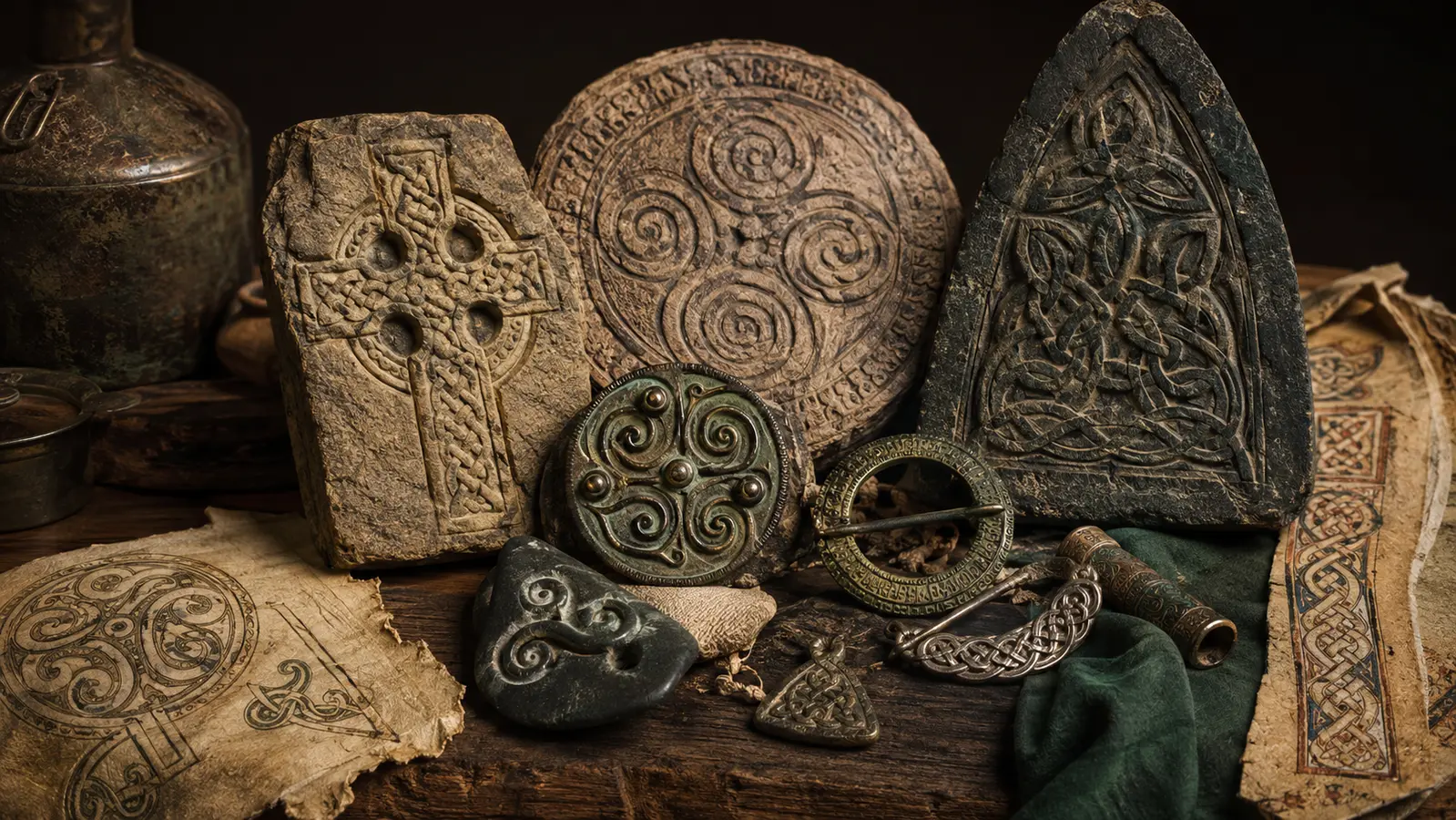
Battle of Culloden: Last Jacobite Stand Explained
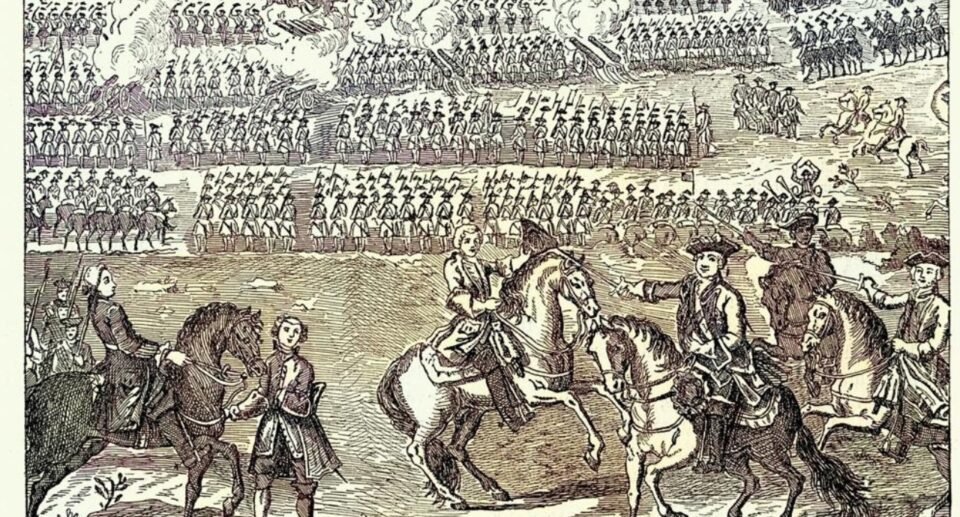
On 16 April 1746, the windswept expanse of Culloden Moor bore witness to a decisive and tragic clash. The Battle of Culloden marked the final confrontation of the Jacobite Rising of 1745. It reshaped the cultural and political landscape of Scotland.
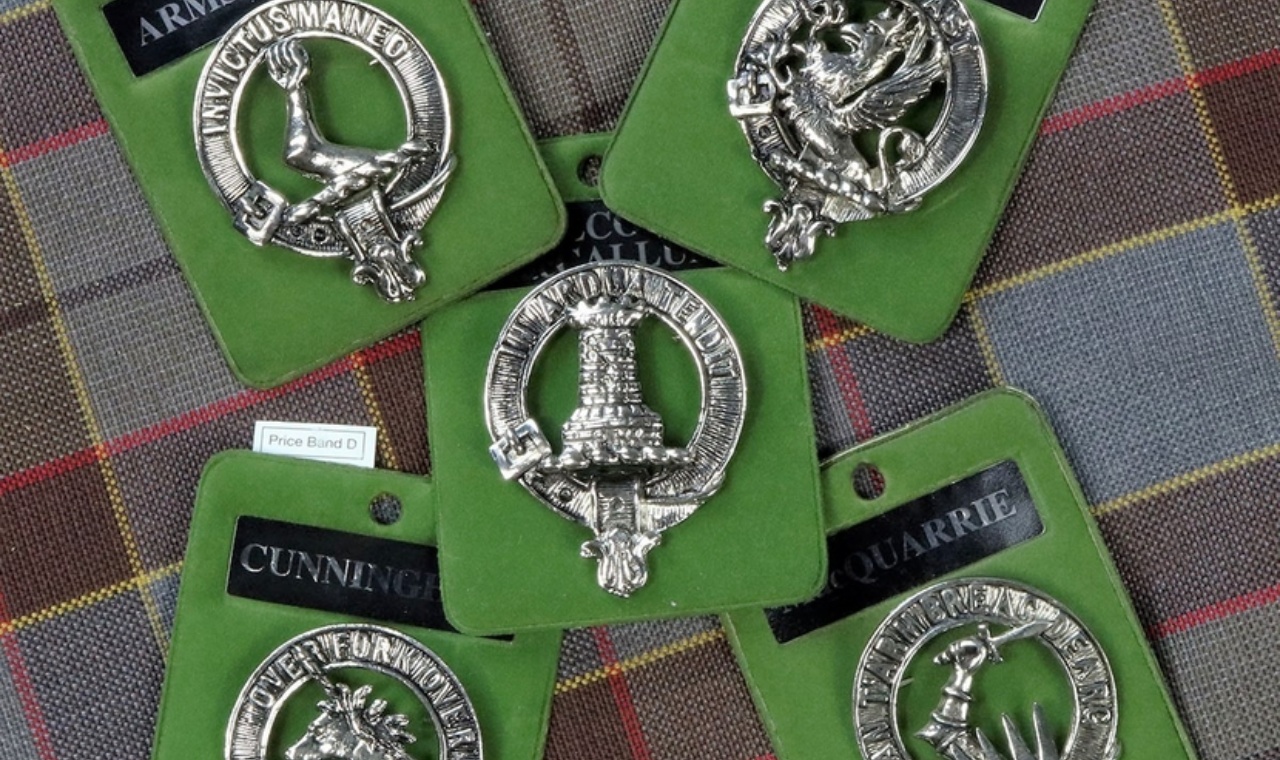
This was not merely a battle. It was the end of a way of life. Clan structures weakened. Traditions faced suppression. The Highlands entered a new, uncertain era.
To understand Culloden is to understand Scotland’s transformation, from a land of fiercely independent clans to one absorbed into a centralized British state. For broader cultural context, explore the evolution of clans in Scotland: https://celtguide.com/how-many-scottish-clans/
Historical Background: The Jacobite Cause
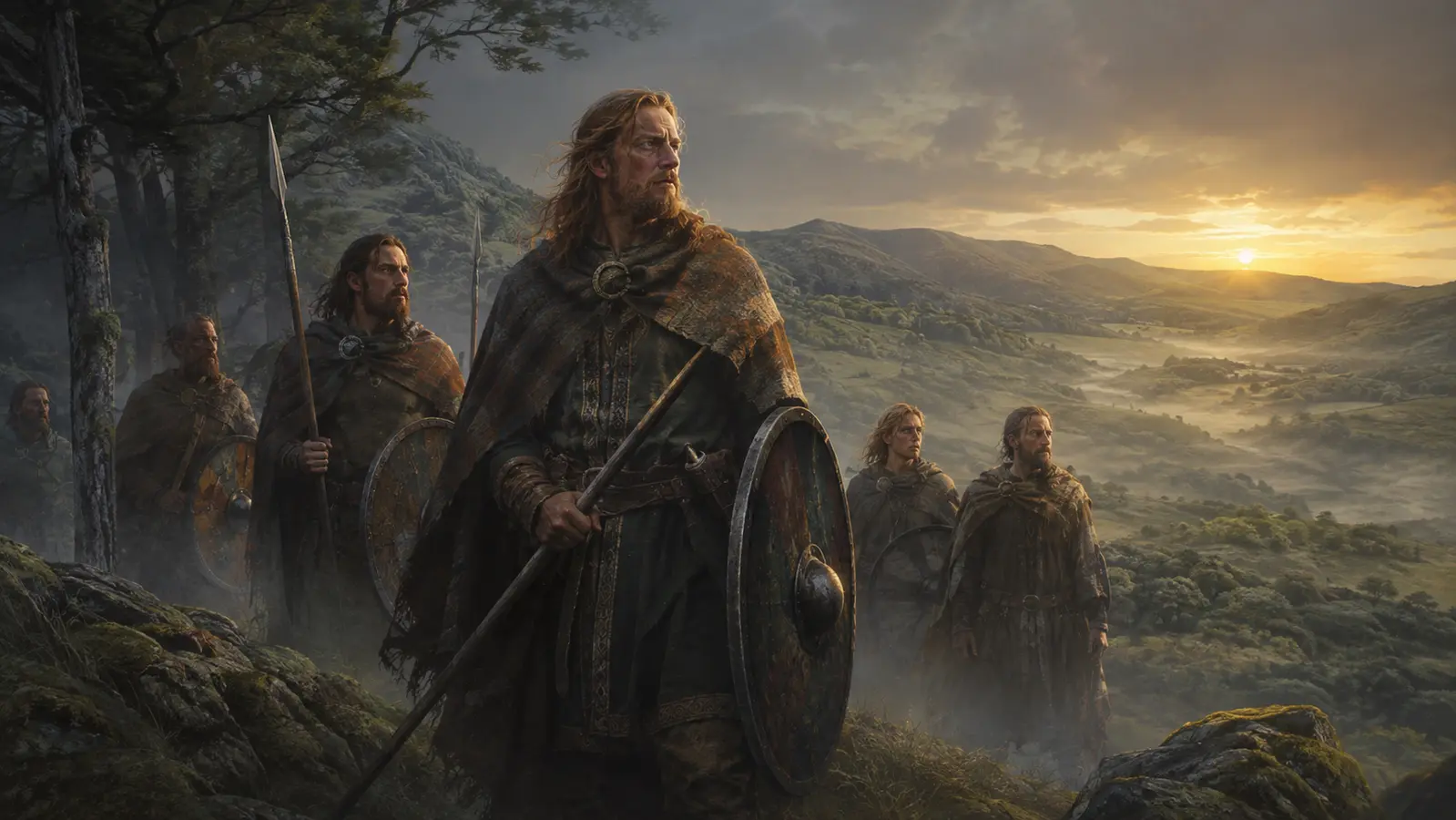
The Jacobite movement sought to restore the Stuart monarchy to the British throne. Supporters rallied behind Charles Edward Stuart, often called Bonnie Prince Charlie.
In 1745, he landed in Scotland and quickly gained support among Highland clans. His early victories, including Prestonpans, created real momentum. Yet, strategic disagreements soon emerged.
The Jacobite army marched as far south as Derby in England. However, fearing isolation and lacking sufficient support, they retreated to Scotland. This retreat proved fatal to their cause.
Culloden would be their final stand.
Culloden Moor: Geography and Battlefield Realities

It lies near Inverness in the Scottish Highlands. The terrain appears open and flat at first glance. Yet, it posed serious challenges.
The ground was boggy and uneven. It limited mobility. It also reduced the effectiveness of the Highland charge, a tactic that relied on speed and shock.
Prince Charles chose this ground despite objections. His army was exhausted, hungry, and poorly positioned. Meanwhile, government forces under the Duke of Cumberland stood disciplined and well-supplied.
The Battle: A Brief but Brutal Encounter
The battle lasted less than an hour. Yet, its intensity remains unforgettable.
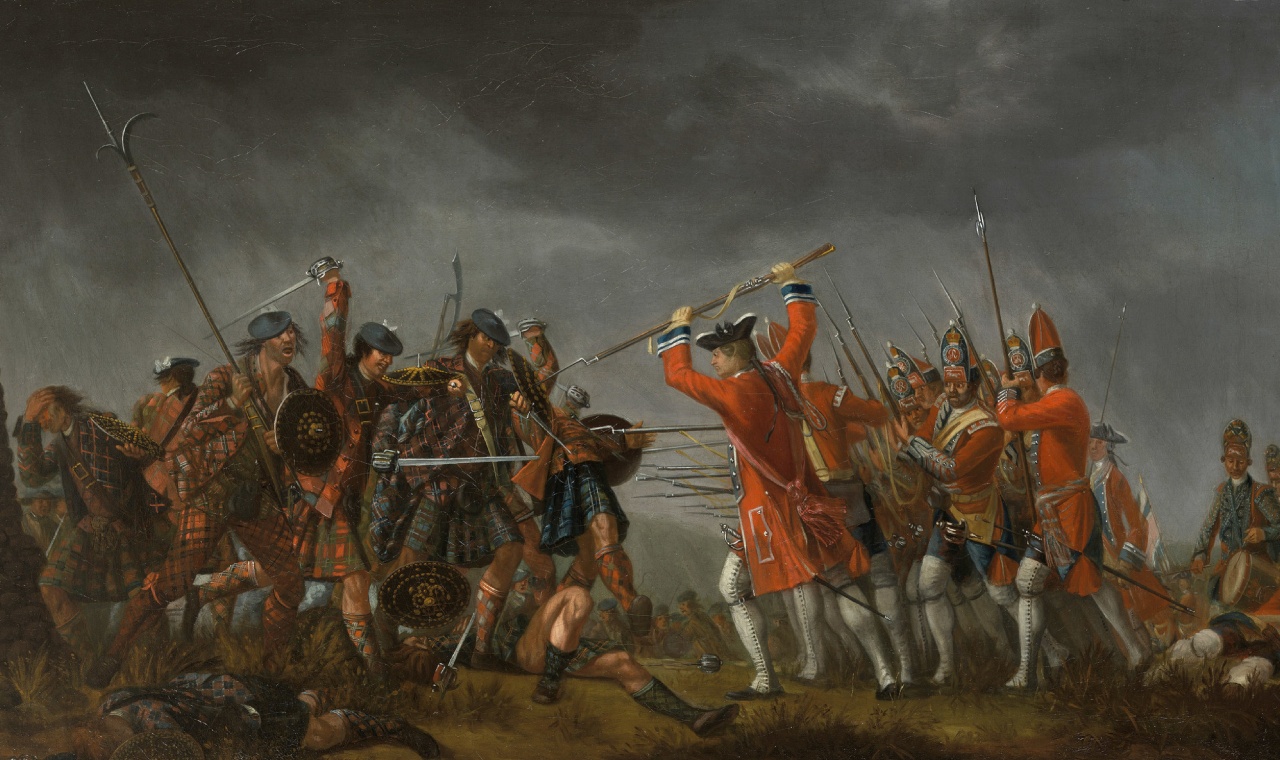
The Jacobite artillery opened fire but lacked efficiency. Government forces responded with disciplined volleys. As casualties mounted, the Highlanders launched their famous charge.
However, the terrain slowed them. British troops adapted their tactics, targeting the man to their right rather than the one directly ahead. This innovation broke the momentum of the charge.
Within minutes, the Jacobite line collapsed. What followed was devastating.

Aftermath: Suppression and Cultural Upheaval
Culloden’s aftermath proved harsher than the battle itself. Government forces pursued fleeing Jacobites with severity. Many wounded soldiers met grim fates.
The British state imposed strict measures to dismantle Highland society. These included:
- The banning of traditional dress such as tartan
- The disarming of clans
- The weakening of clan leadership structures
These actions deeply affected Scottish identity. To understand tartan’s cultural weight, read: https://celtguide.com/what-is-tartan/
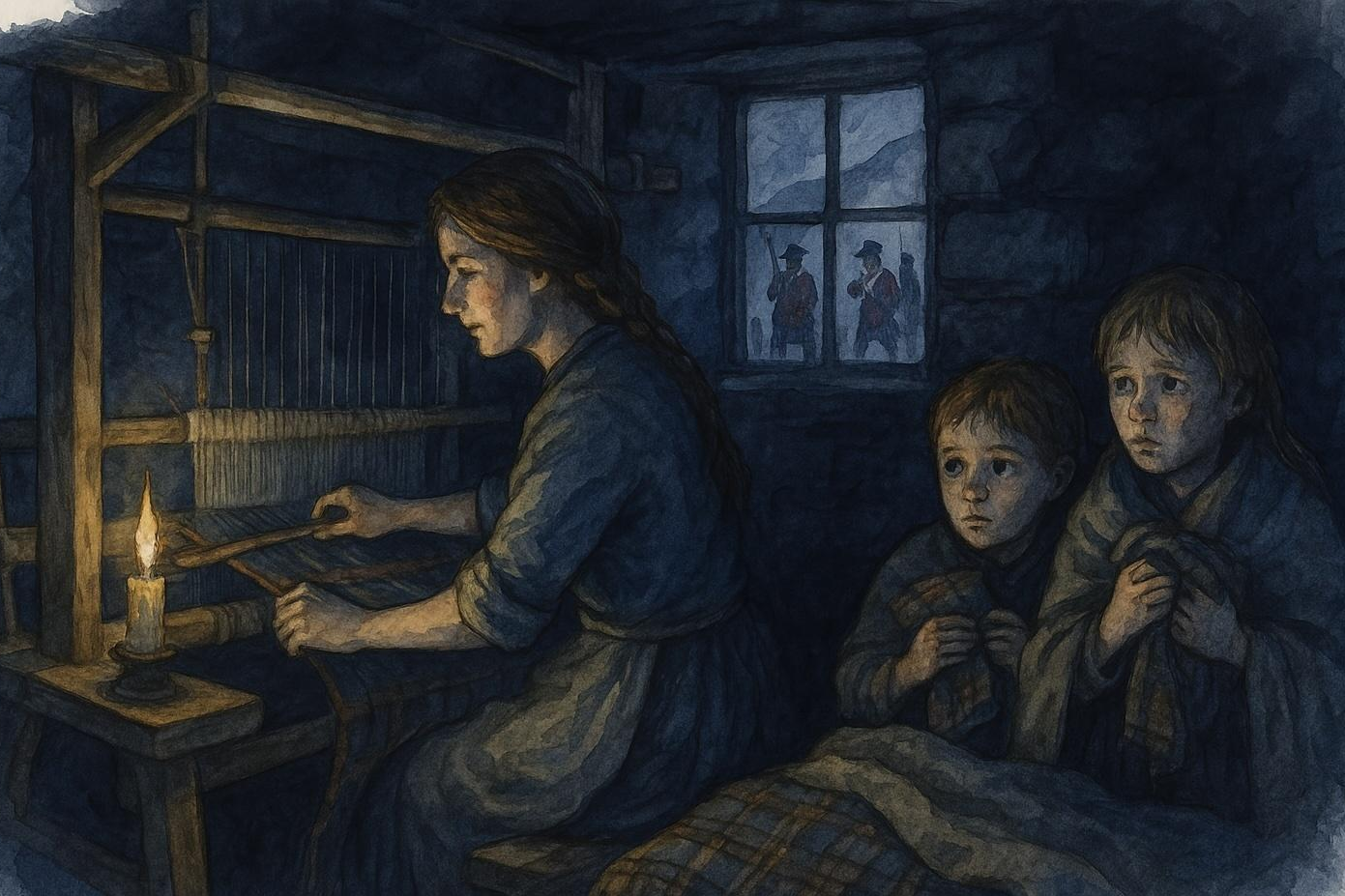
Music and oral traditions also faced disruption. Yet, they endured in subtle forms. Explore Celtic musical heritage here: https://celtguide.com/fiddle-music/
Culloden’s Legacy in Scottish Memory
Culloden remains a powerful symbol in Scottish consciousness. It represents loss, resilience, and identity.
Today, the battlefield stands preserved. Visitors walk among memorial stones bearing clan names. Each stone tells a story of loyalty and sacrifice.
The battle also shaped global perceptions of Highland culture. Romanticized images emerged in literature and art. Yet, beneath them lies a more complex truth, one of displacement and adaptation.
Culloden reminds us that history is not only about victory. It is also about memory and meaning.
Conclusion: Why Culloden Still Matters
The Battle of Culloden ended the Jacobite dream. It also marked the beginning of a profound cultural shift in Scotland.
Understanding Culloden allows us to see beyond myth. It reveals the human cost of political struggle. It highlights how culture survives even under pressure.
For readers interested in deeper exploration of Celtic traditions and history, visit the main blog hub: https://celtguide.com/blog/
Culloden is not just a battlefield. It is a story, one that continues to echo through Scotland’s landscapes and identity.