Celtic Fomorian Giants: Lords of Chaos in Irish Myth

In the deep waters of Celtic mythology dwell the Fomorian giants, figures both terrifying and fascinating. They emerge from storms, seas, and shadowed landscapes. Unlike heroic gods or noble kings, the Fomorians represent raw, untamed power. They challenge order, demand tribute, and test the moral spine of early Irish myth.
To understand Celtic storytelling, one must confront the Fomorians. They sit at the heart of Ireland’s oldest mythic conflicts.
Who Were the Fomorians?
The Fomorians appear as supernatural beings linked to the sea, darkness, and chaos. Early Irish texts describe them as giants, misshapen figures, or monstrous rulers who dominate through fear.
Yet they are not mindless villains. They symbolize imbalance in the natural and social order. Their presence reflects ancient anxieties about invasion, famine, and uncontrollable forces, ideas explored through Ireland’s rich oral culture, as discussed in why Irish people are natural storytellers.
The Fomorians rule before harmony arrives. Their age must end for civilization to thrive.
Balor of the Evil Eye: Fear Given Form
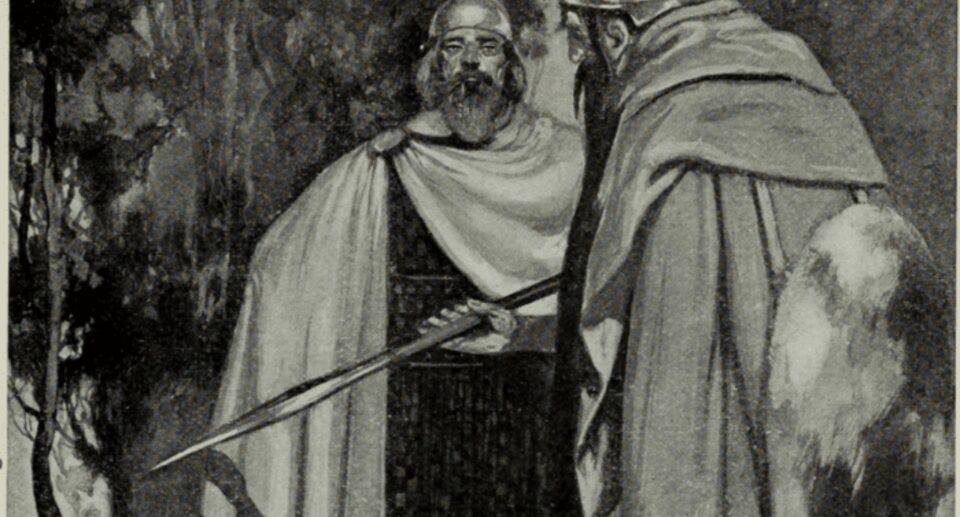
Among the Fomorians, Balor stands supreme. He rules as a tyrant whose single eye destroys all it sees. This eye does not merely kill; it corrupts. Balor embodies unchecked authority and destructive knowledge.
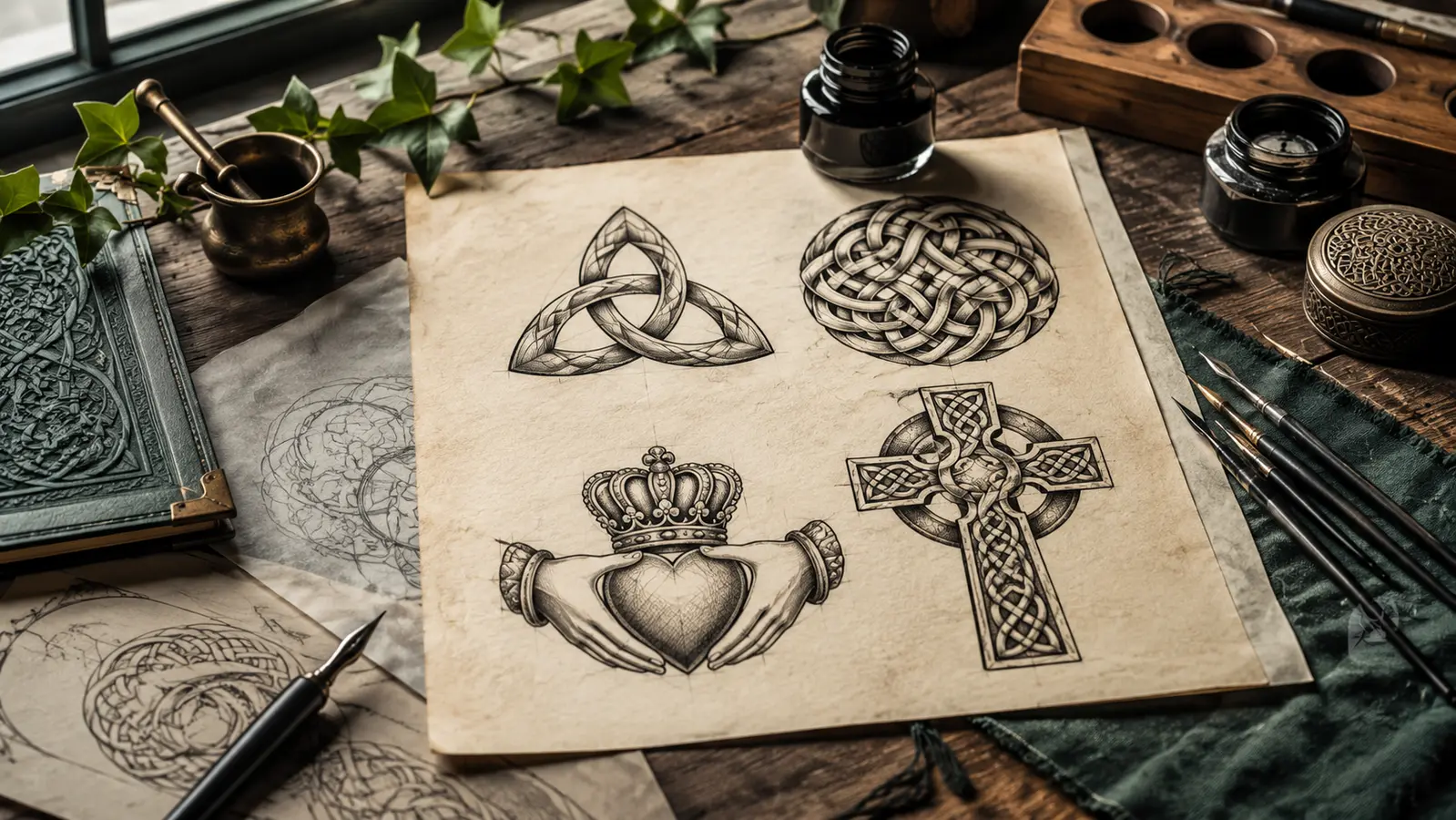
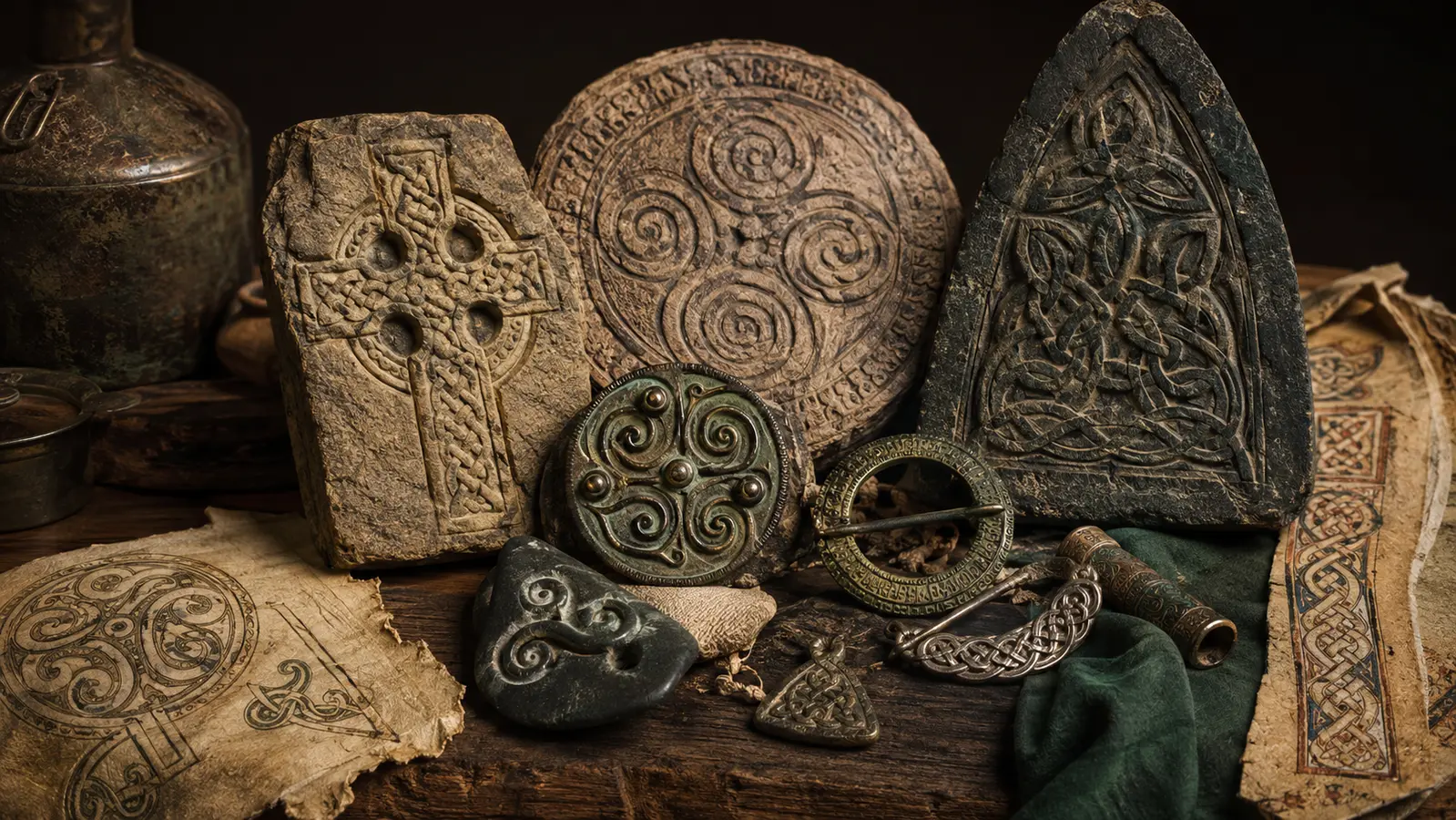
Celtic myth often warns against power without wisdom. This theme mirrors sacred symbolism found in ancient monuments and Celtic stone carvings, where balance defines survival.
Balor’s downfall does not come through brute strength. It comes through intelligence, foresight, and unity.
The Fomorians and the Tuatha Dé Danann
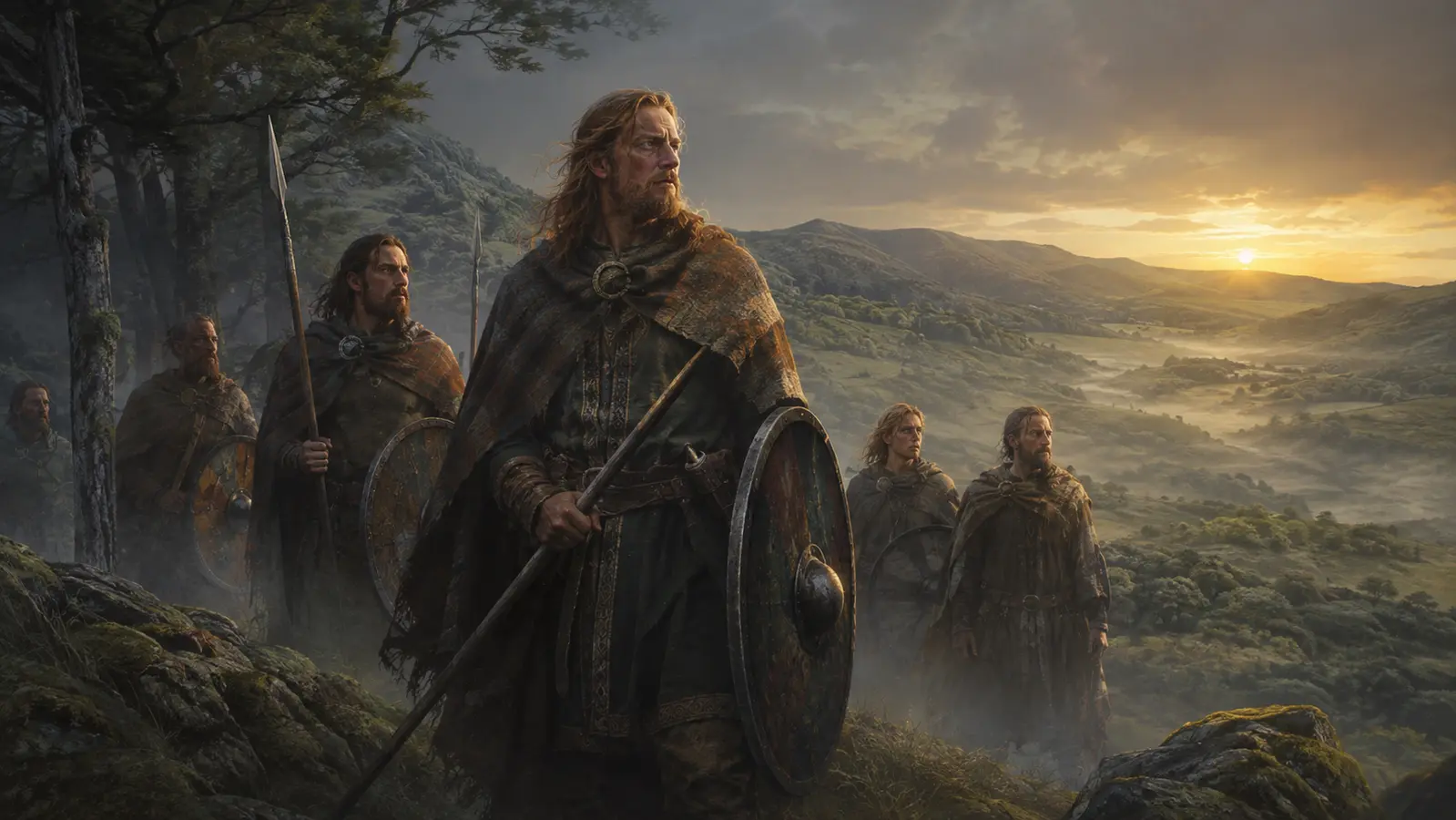
The Fomorians clash most famously with the Tuatha Dé Danann, the divine race of skill and light. While the Tuatha represent craftsmanship, music, healing, and law, the Fomorians rule through fear and tribute.
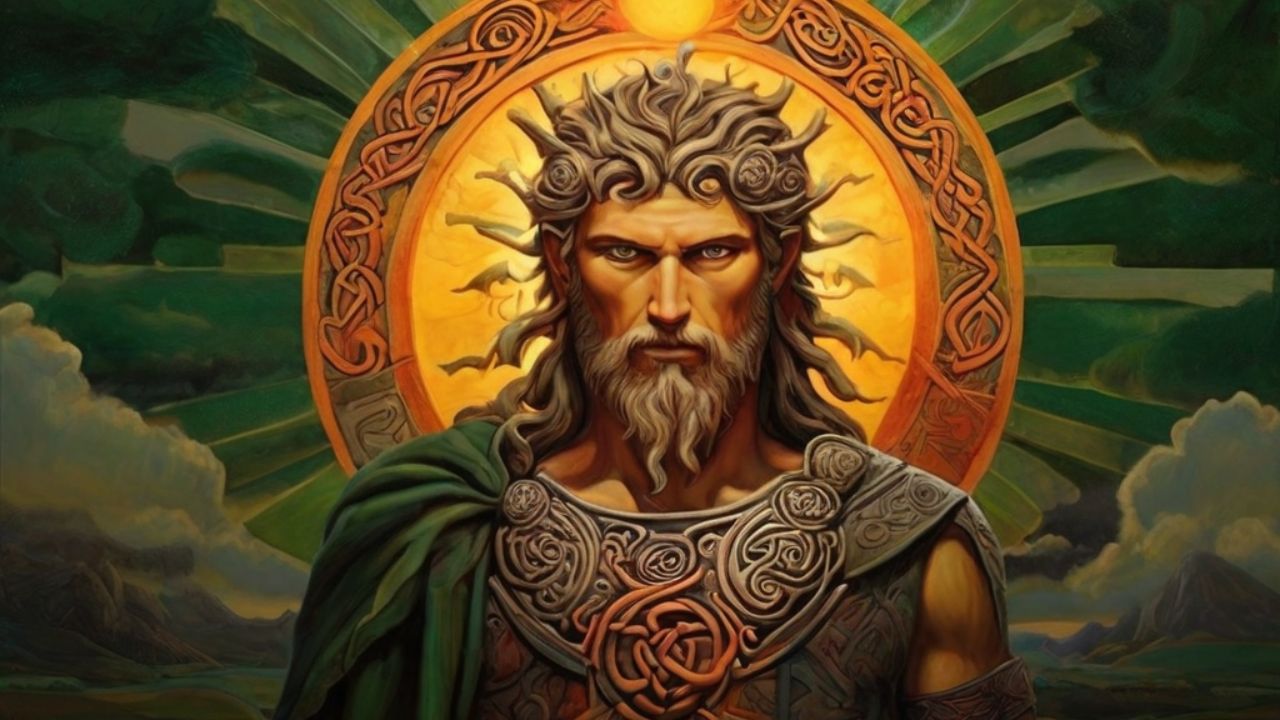
This conflict reaches its peak in the Battle of Mag Tuired, where Lugh, grandson of Balor, defeats his own kin. Lugh’s victory reflects a Celtic belief that mastery of many skills surpasses raw force, a theme expanded in the Celtic sun god Lugh.

Sea, Storms, and the Edge of the World
The Fomorians often emerge from the western sea. In Irish cosmology, the west marks the edge of the known world. It also acts as a gateway to danger and transformation.
This association links the Fomorians to liminal spaces—shorelines, islands, and thresholds. Such spaces remain central to Celtic imagination, whether in places like the Ring of Kerry or mythic realms like Annwn.
They remind us that chaos never vanishes. It waits at the margins.
Monsters or Necessary Forces?
Modern readers often label the Fomorians as villains. Yet Celtic myth works in shades of grey. The Fomorians exist so balance can emerge. Without them, heroism lacks meaning.
Their presence parallels other dark figures in folklore, such as the creatures of the Fairy Glen or the ambiguous beings found in selkie legends.
They are obstacles, not mistakes.
Cultural Legacy of the Fomorian Giants
The Fomorians continue to influence literature, fantasy, and popular culture. Their image appears in modern retellings, artwork, and symbolic storytelling. Even contemporary Celtic music and gatherings echo the same struggle between order and chaos, heard in traditions like fiddle music and céilí culture.
They remain unforgettable because they feel real.

Why the Fomorians Still Matter
The Fomorian giants teach a timeless lesson. Chaos exists in every age. Societies must confront it through wisdom, cooperation, and restraint.
Celtic myth does not erase darkness. It teaches us how to live beside it without surrendering to it.
That insight keeps the Fomorians alive in story, memory, and meaning.