Celtic Death Rites: Beliefs, Rituals, and the Afterlife

Death held deep meaning in the Celtic world. It did not signal an end, but a transition. Ancient Celts viewed life and death as connected states, bound by memory, land, and the unseen world.
From Ireland to Scotland, death rites reflected this worldview. These practices combined ritual, storytelling, music, and symbolism. Together, they shaped how communities mourned, remembered, and honored the dead.
The Celtic View of Death and Continuity
Celts believed the soul survived physical death. Many traditions describe death as a crossing rather than a conclusion. This belief connected closely with concepts of the Otherworld, a realm that existed alongside daily life.
In Irish mythology, this realm appears as Annwn, a place of peace and abundance. You can explore this idea further through discussions of what Annwn is. Such beliefs softened fear and gave structure to mourning.
Death marked movement, not loss alone.
Burial Practices in the Celtic World
Celtic burial practices varied by region and period. Early communities used cairns, barrows, and stone-lined graves. Archaeology shows care in body placement and grave goods.
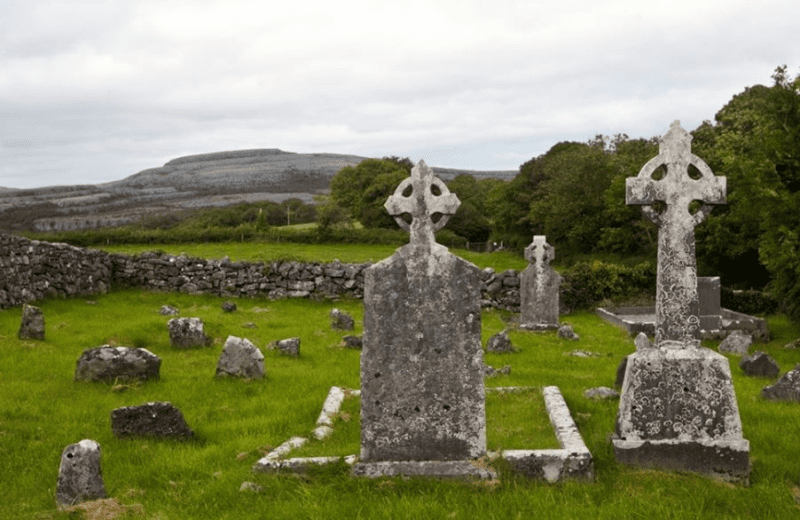
Weapons, jewelry, and tools often accompanied the dead. These items prepared the soul for the next phase of existence. The symbolism mirrors patterns found in Celtic stone carvings, where form carries layered meaning.
Burial sites also served as communal memory spaces.
Rituals of Mourning and the Power of Story
Storytelling played a vital role in Celtic death rites. Oral tradition preserved the identity of the deceased. Stories affirmed lineage and social bonds.
This cultural habit aligns with broader Celtic storytelling traditions, explored in reflections on why Irish people are natural storytellers. During mourning, stories honored life rather than silenced grief.
In Ireland, these practices later evolved into the wake tradition. You can see echoes of ancient beliefs in modern customs discussed in Irish wake traditions.
Music, Sound, and the Farewell
Music guided the emotional rhythm of Celtic funerary rites. Laments, chants, and instrumental pieces shaped communal grief.
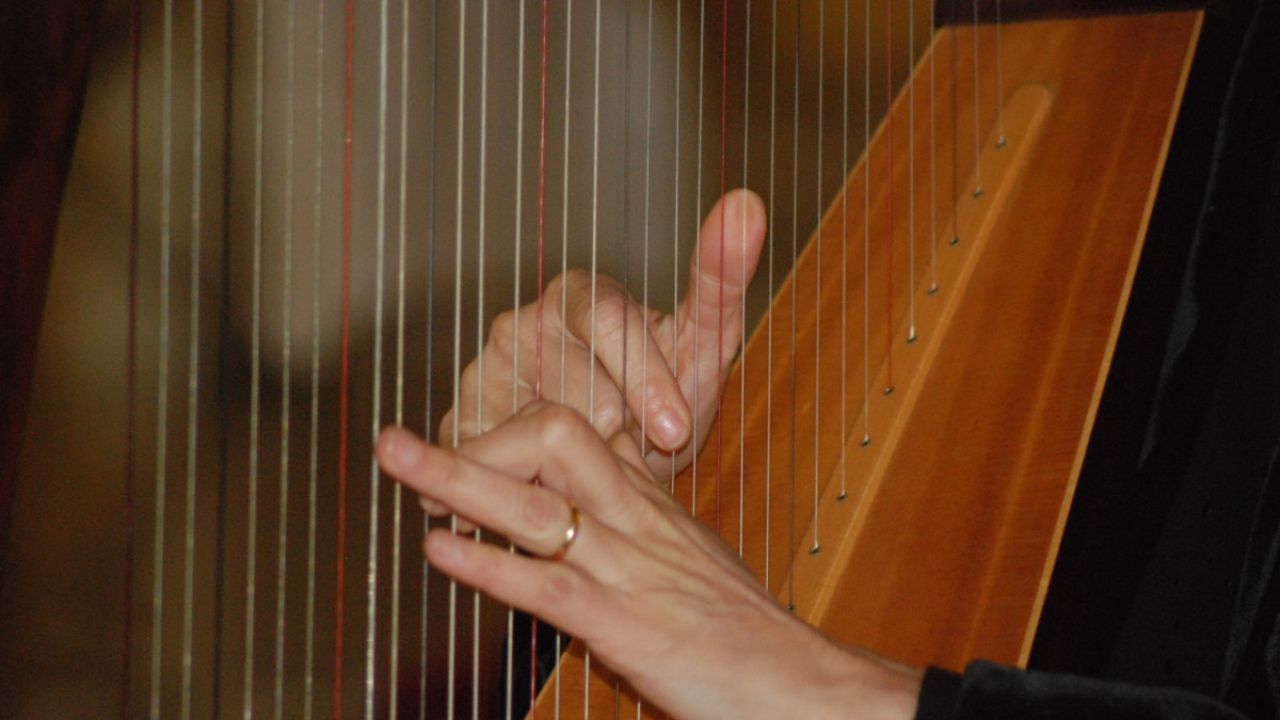
Instruments such as the harp carried spiritual weight. The soft resonance of the clàrsach linked sorrow with beauty, as explored in guides to the Celtic harp. Percussive sounds, including early drum forms related to the bodhrán, structured ritual moments.
Sound created connection between worlds.
Sacred Landscapes and Death Rituals
Celts often buried their dead near sacred landscapes. Hills, rivers, and ancient sites held spiritual power. Locations such as the Hill of Tara served as political, ritual, and symbolic centers.
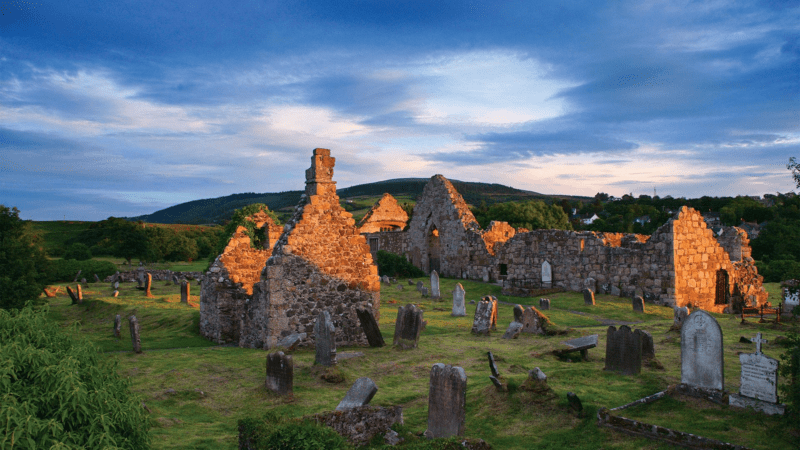
Water also played a role. Holy wells became places of remembrance and prayer, linking death with renewal, a theme explored in studies of Irish holy wells.
The land itself became part of the ritual.
Transition into Christian Influence
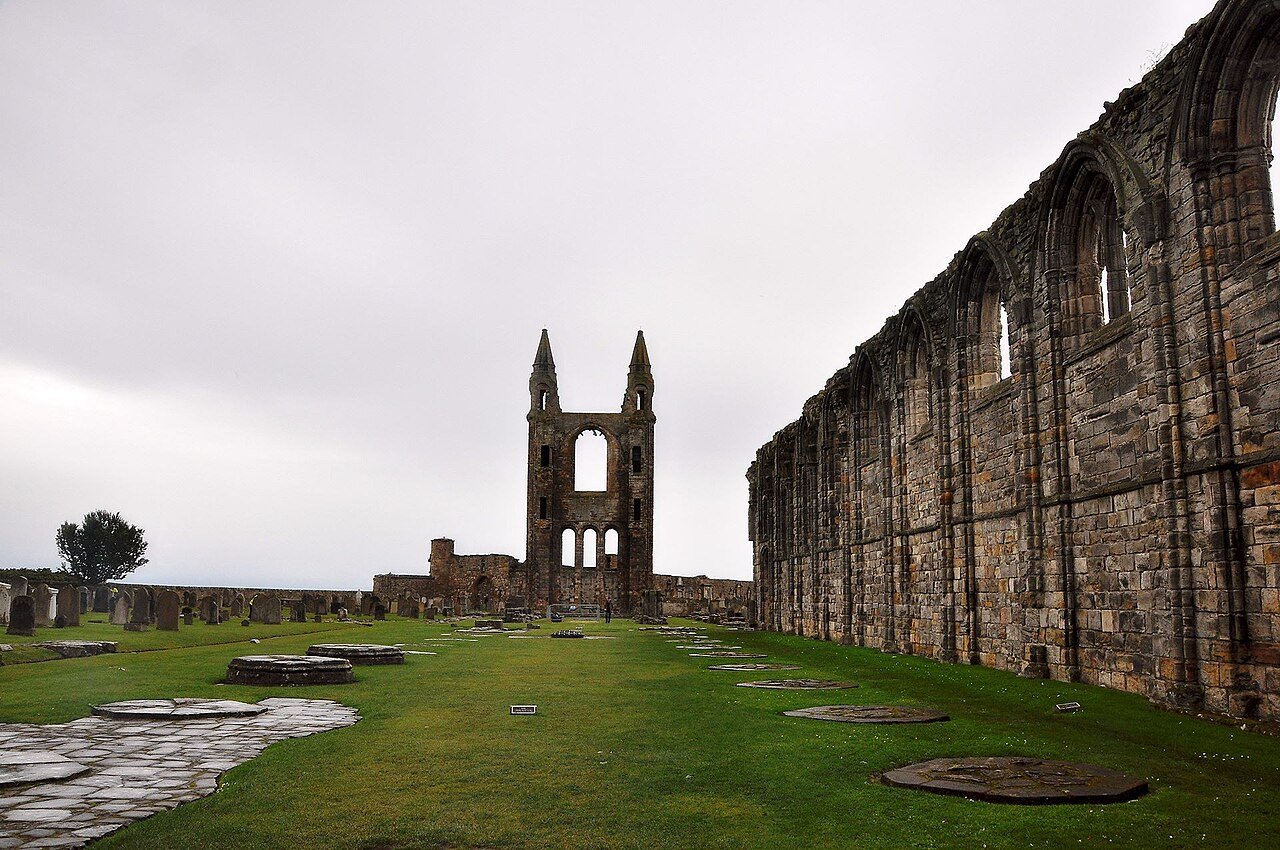
With the arrival of Christianity, Celtic death rites adapted rather than disappeared. Older beliefs merged with Christian theology. Grave markers gained crosses, while prayers replaced invocations of older gods.
Texts such as early Gaelic scripture reflect this blending, visible in studies of Scottish Gaelic Bible translations. Despite change, continuity remained central.
Respect for the dead endured.
Why Celtic Death Rites Still Matter
Celtic death rites remind us that mourning can unite community, memory, and belief. These practices shaped later traditions across Ireland and Scotland. They also influence modern approaches to remembrance.
Understanding these rites helps us understand Celtic culture itself. Death, for the Celts, never stood alone. It walked beside life.