The Irish Clan System and Heritage: A Living Legacy of Ireland

The Irish clan system holds a special place in Ireland’s collective memory. It shaped identity, culture, politics, and kinship for more than a thousand years. Even today, many Irish families trace their names, stories, and traditions back to ancient clan networks. In this blog, we explore how clans formed, how they operated, and why they continue to inspire a deep sense of belonging.
What Is an Irish Clan?
In Gaelic Ireland, a clan; clann in Irish meant children, but it referred to more than immediate family. A clan included extended relatives, foster families, allies, and those who lived on the clan’s land. It functioned as a social, political, and cultural community, shaped by loyalty and shared ancestry.
Clan Territories and Their Structure
Every clan controlled a territory called a túath, which worked like a small, self-governing unit. Each túath had its own laws, leaders, poets, historians, and craftspeople. This structure operated long before modern political systems existed.
If you enjoy learning about ancient Celtic structures and symbols, you might also enjoy our piece on Celtic Stone Carvings which reveals how ancestors captured memory in stone:
➡️ https://celtguide.com/celtic-stone-carvings/
The Role of the Chieftain (Tánaiste and Taoiseach)
A clan’s stability rested on its leadership. The chieftain, often called the Taoiseach (yes, the root of Ireland’s modern prime minister title), managed diplomacy, land distribution, and protection.
Leadership did not always pass directly from father to son. Instead, clans used a system called tanistry, where a successor, the Tánaiste, was chosen from among eligible male relatives. This kept leadership strong and avoided weak succession lines.
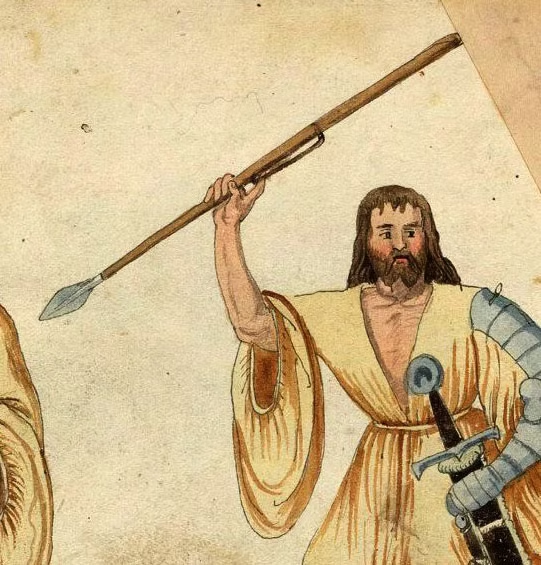
Law, Customs, and Brehon Traditions
Irish clans followed Brehon Law, one of Europe’s oldest legal systems. It guided marriage, inheritance, land use, and compensation. The Brehons, legal scholars, memorized vast law texts and mediated disputes.
If you appreciate the cultural depth of Ireland, you may also enjoy our article on Irish Holy Wells, another window into older belief systems:
➡️ https://celtguide.com/irish-holy-wells-portals-to-the-past-pathways-to-the-divine/
Clan Names and Identity
Many Irish surnames today reflect clan origins, including:
- O’Neill (Uí Néill)
- O’Brien (Uí Bhriain)
- McCarthy (Mac Cárthaigh)
- O’Connor (Uí Chonchobhair)
The prefixes Mac (son of) and O’ (descendant of) point directly to family lineage.
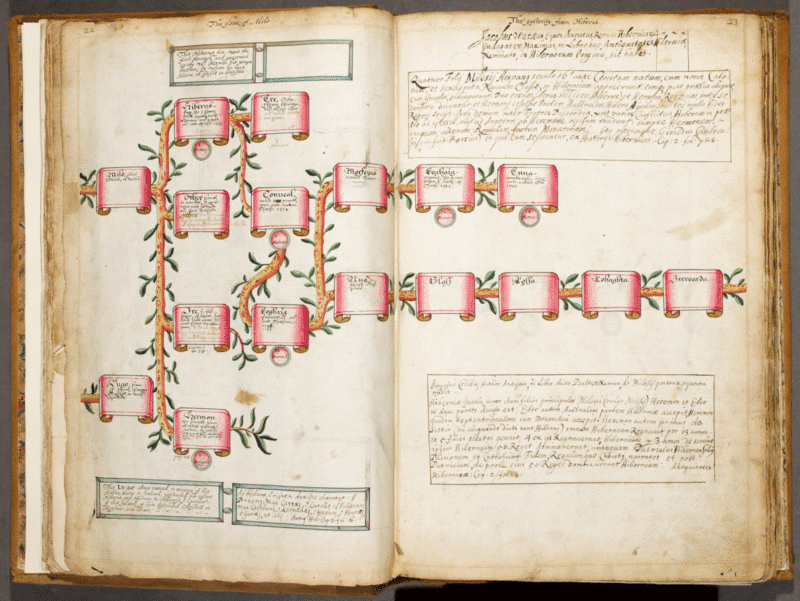
For a deeper understanding of Irish names, explore Famous Irish Names and Their Meanings:
➡️ https://celtguide.com/famous-irish-names-and-their-meanings/
Culture, Music, and Storytelling Within Clans
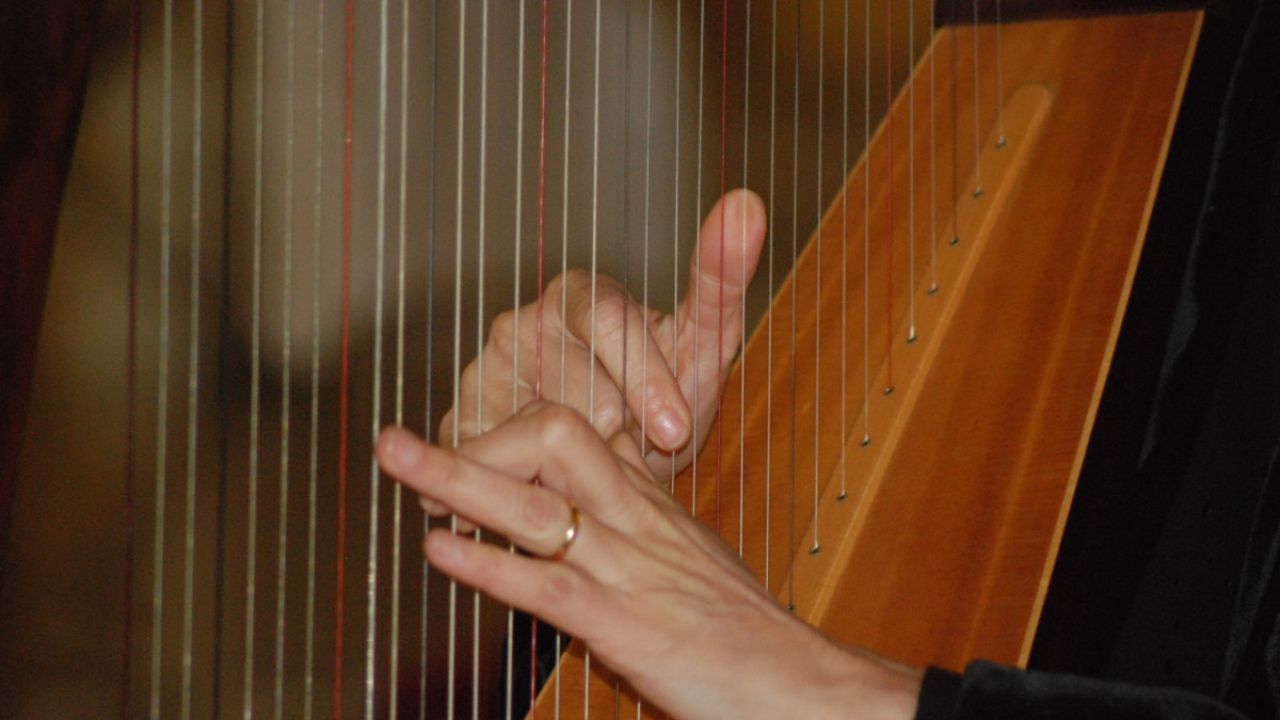
Music, poetry, and oral storytelling thrived under clan patronage. Bards and harpers played central cultural roles. The cláirseach, or Celtic harp, carried the emotional weight of clan victories, laments, and lineage tales.
You can learn more about this iconic instrument here:
➡️ https://celtguide.com/what-is-a-clarsach-a-comprehensive-guide-to-the-celtic-harp/
Storytelling also shaped clan heritage deeply. See how this tradition survives today:
➡️ https://celtguide.com/why-are-irish-people-natural-storytellers/
The Decline of the Clan System
The Irish clan system declined after Norman invasions, the Tudor conquest, and the Flight of the Earls in 1607. English common law replaced Brehon principles, and clan lands came under Crown control. Despite these changes, clan memory lived on through names, folklore, and local identity.
Clans in Ireland Today
Modern clan groups focus on celebrating heritage rather than governing land. Many organize gatherings, genealogy projects, and cultural events. Irish diaspora communities—especially in the U.S., Canada, and Australia—play a strong role in keeping these traditions alive.
If you want to explore related heritage topics, you might like our article on the Hill of Tara, once the seat of Ireland’s High Kings:
➡️ https://celtguide.com/hill-of-tara/
Why the Clan System Still Matters
The Irish clan system offers more than ancestry. It reflects:
- A sense of shared identity
- A deep connection to land
- Respect for law, culture, and storytelling
- The resilience of Gaelic traditions
These values remain central to Irish heritage and continue to shape Irish communities worldwide.
Final Thoughts
The Irish clan system is not just a chapter in history; it is a living tradition. It shaped Ireland’s political structure, family relationships, and cultural memory. Even centuries after its decline, the echoes of clan loyalty and regional identity remain strong. When we explore clan heritage, we step into a world that blends myth, history, and family, keeping Ireland’s past alive for future generations.