Gaelic Shanties (Work Songs): Voices of Labour and Tradition

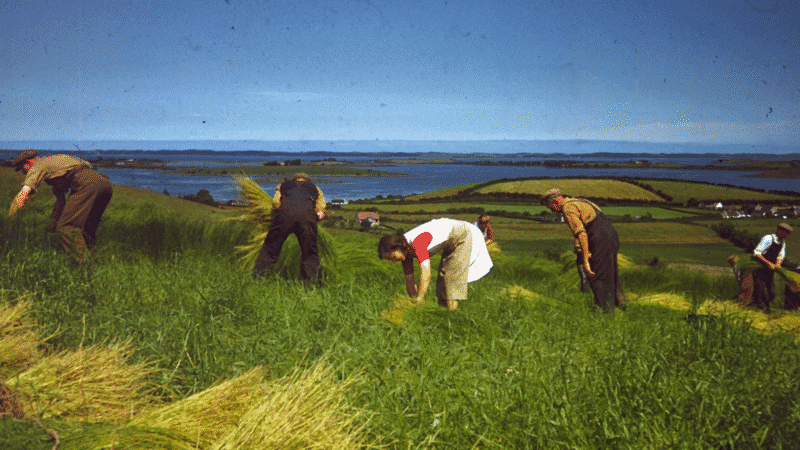
Gaelic shanties, also known as work songs, are more than melodic expressions—they are a living testament to the rhythms of labor, community, and cultural continuity. Originating in the Scottish Highlands and rural Ireland, these songs were historically sung during communal work, such as rowing, hauling, or farming. Through their simple yet powerful melodies, shanties helped synchronize labor, uplift spirits, and preserve oral traditions across generations.
Origins of Gaelic Shanties
The roots of Gaelic shanties trace back centuries. In both Ireland and Scotland, communities relied on shared work to survive. Singing during labor helped coordinate movements, particularly in activities requiring rhythm, like rowing boats or turning millstones.
Shanties also carried stories, warnings, and wisdom. Through repetitive verses and choruses, they became a practical tool for teaching skills while simultaneously embedding cultural knowledge. Unlike contemporary music, shanties were participatory. Everyone in the workgroup joined in, blending voices and effort into a collective experience.
For insights into broader Celtic storytelling traditions, see Why Are Irish People Natural Storytellers?.
Themes and Cultural Significance
Gaelic shanties were not purely functional—they reflected the values, humor, and struggles of their communities. Common themes included:
- Labor and endurance: Songs helped sustain energy and maintain rhythm in repetitive tasks.
- Nature and the land: Many shanties referenced rivers, hills, or the sea, grounding the music in local geography.
- Folklore and moral lessons: Verses often contained proverbs, cautionary tales, or references to Celtic mythology.
The communal nature of shanties fostered a sense of identity and belonging. Singing together strengthened social cohesion, preserved oral history, and allowed cultural expressions to pass from one generation to the next.
To explore Celtic musical instruments that accompanied these traditions, see What is a Clarsach?.
Musical Characteristics
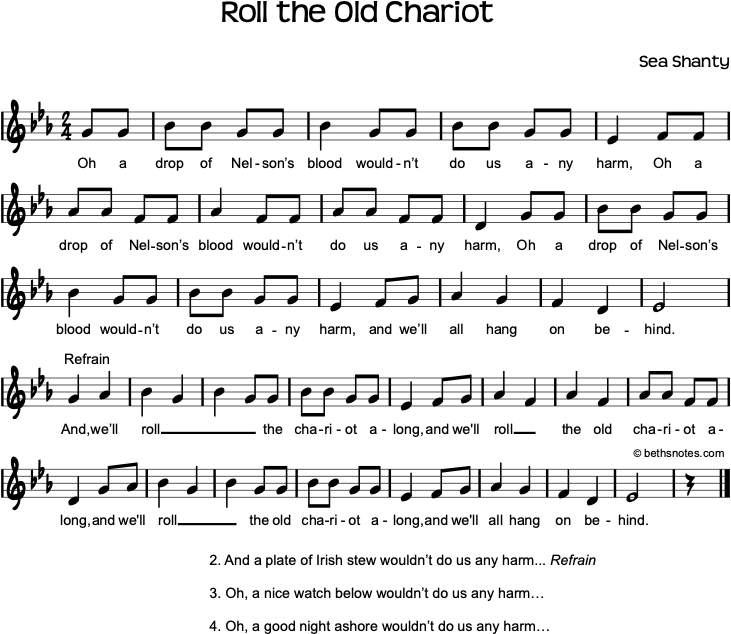
Gaelic shanties are distinctive for their call-and-response structure. A leader would sing a line, and the group would respond, creating a rhythmic pattern that facilitated coordinated labor. Melodies were simple, often in pentatonic scales, making them easy to remember and perform collectively.
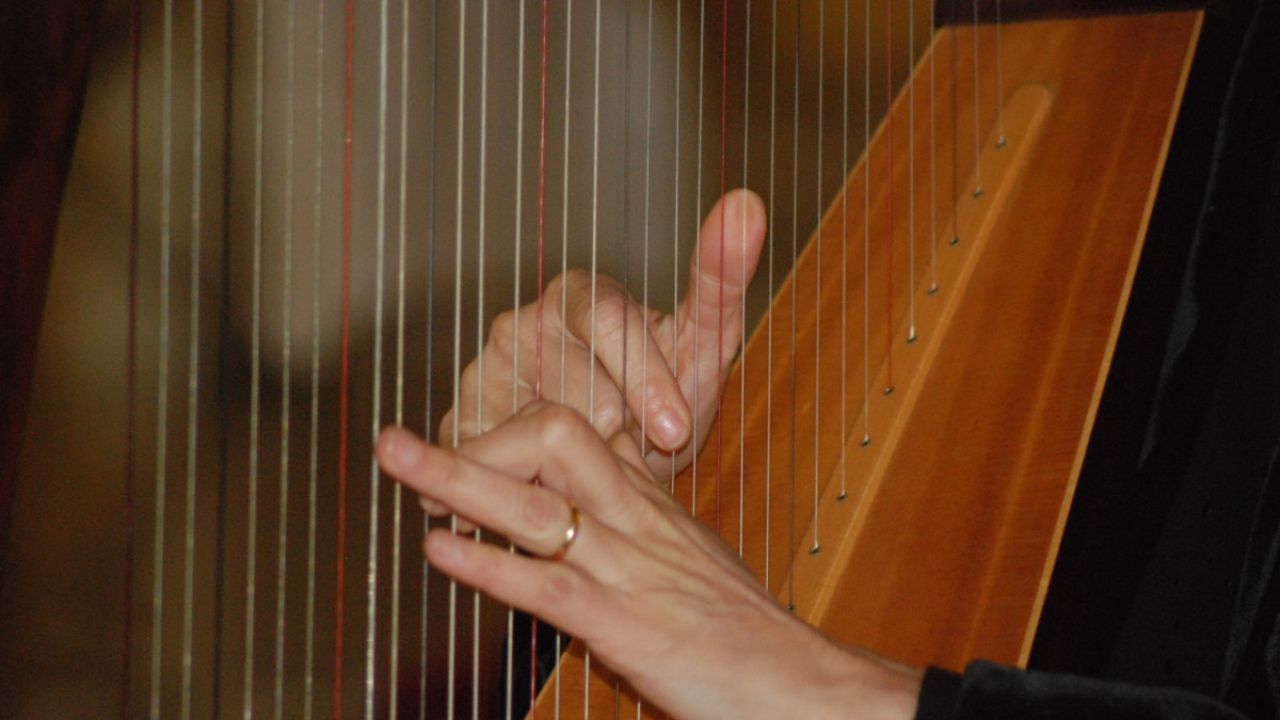
Instruments, when used, were minimal. Sometimes a harp or fiddle would accompany the singers, but the voice itself remained the primary instrument, reinforcing the communal and practical function of the song.
Shanties in Modern Context
Though work practices have evolved, Gaelic shanties remain culturally significant. Today, they are performed at folk festivals, heritage events, and Highland games, allowing audiences to experience the music and history firsthand.
Performers often combine historical authenticity with modern arrangements, keeping the songs vibrant and relevant. Singing Gaelic shanties today celebrates not only Scottish and Irish heritage but also the enduring human spirit that thrives through music and community.
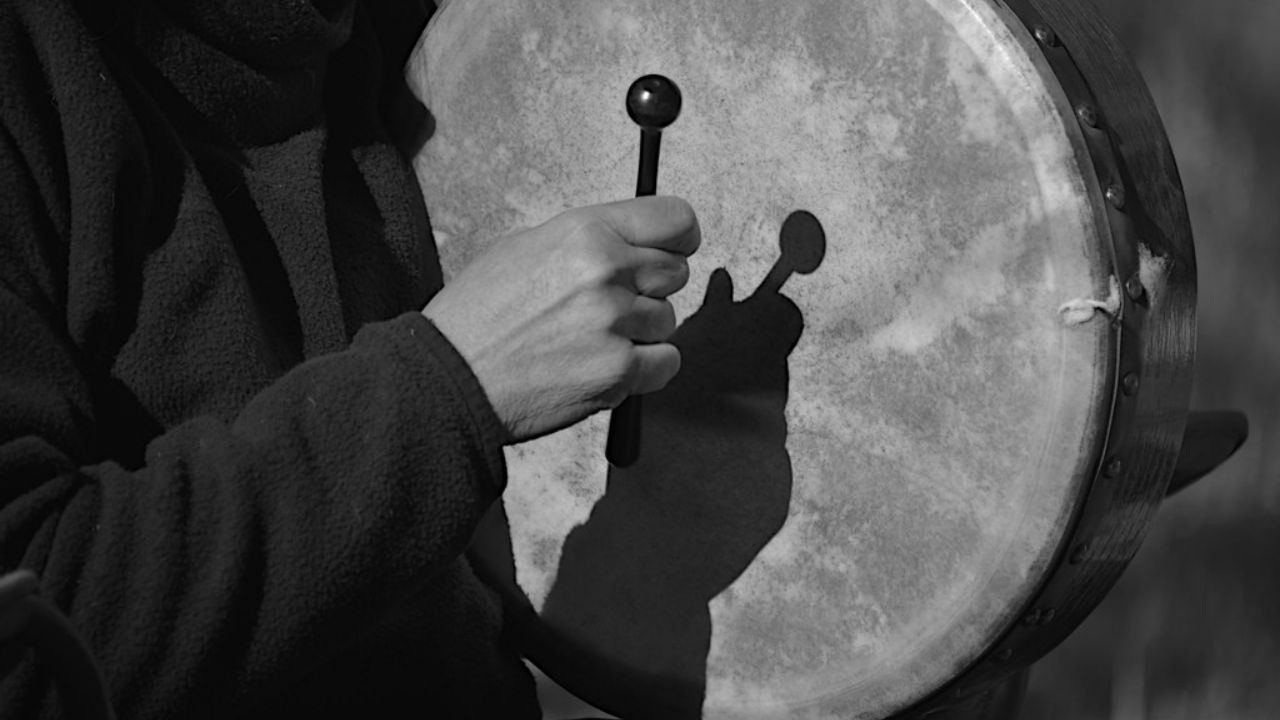
For related Celtic music traditions, see The Bodhran Drum and Fiddle Music.
Preserving Gaelic Work Songs
Preserving these songs requires both performance and documentation. Folklorists, musicians, and educators have recorded countless shanties, ensuring they remain accessible for study and enjoyment. Learning and performing shanties offers an immersive connection to Celtic culture and its historical working life.

For further cultural context, explore Selkies in Folklore and Legend of the Fairy Glen.
Conclusion
Gaelic shanties are more than work songs—they are a vibrant expression of heritage, labor, and community. Their melodies have echoed across fields, rivers, and seafaring journeys, shaping social cohesion and cultural memory. By performing, preserving, and studying these songs, we honor the resilience, creativity, and storytelling spirit of Scotland and Ireland.
For broader insights into Celtic music and traditions, see Celtic Oak Tree and Gaelic Irish Proverbs.