Tír na nÓg: The Irish Gaelic Tale of Eternal Youth
Irish mythology often moves with quiet confidence. It does not rush to impress. Instead, it invites reflection. The tale of Tír na nÓg, the Land of Eternal Youth, captures this approach perfectly.
This otherworld exists just beyond human reach. It is a place where time pauses, beauty endures, and sorrow fades. Yet, like many Gaelic stories, it carries a deeper tension beneath its calm surface.
If you have explored Ireland’s storytelling tradition, you will recognize this layered style. It reflects a culture shaped by memory, rhythm, and meaning (read more: https://celtguide.com/why-are-irish-people-natural-storytellers/).
The Journey of Oisín and Niamh
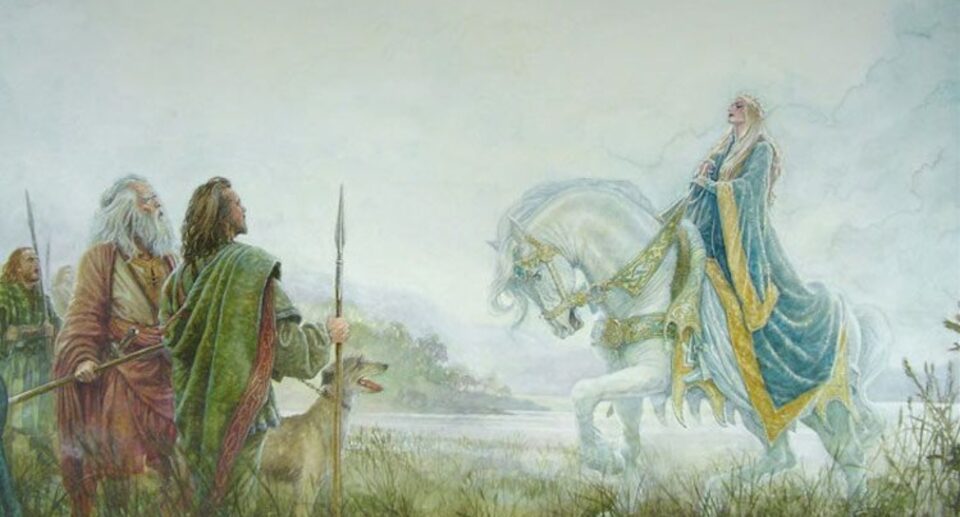
The story centers on Oisín, a poet and warrior of the Fianna. One day, Niamh; radiant and otherworldly, arrives from Tír na nÓg. She invites him to leave Ireland and join her in a land untouched by time.
Oisín accepts without hesitation.
They cross the sea on a white horse. The journey feels effortless, almost dreamlike. In Tír na nÓg, Oisín finds endless youth, music, and joy. Nothing fades. Nothing ages.
Years pass, or so it seems.
Yet Oisín begins to feel a quiet longing. He misses Ireland; its people, its land, its familiar rhythm. Niamh warns him before he leaves: he must not touch Irish soil. If he does, time will return all at once.
When Oisín arrives, he finds a different Ireland. Centuries have passed. The Fianna no longer exist. His world has vanished.
He leans down to help a group of men. He falls. The moment he touches the ground, age overtakes him. Youth disappears in an instant.

What the Tale Reveals
Tír na nÓg offers more than a story. It presents a set of ideas that remain relevant.
Time Is Not Equal
The tale challenges the idea of fixed time. In the otherworld, time stretches. In the human world, it moves forward without pause.
Escape Has a Cost
Oisín gains eternal youth but loses his connection to home. The story suggests that even perfect worlds demand sacrifice.
Belonging Shapes Identity
Oisín’s return shows how deeply identity ties to place. Without his people, even immortality feels hollow.
You can see similar reflections on the otherworld in Celtic belief systems (explore: https://celtguide.com/what-is-annwn/).
Roots in Gaelic Tradition
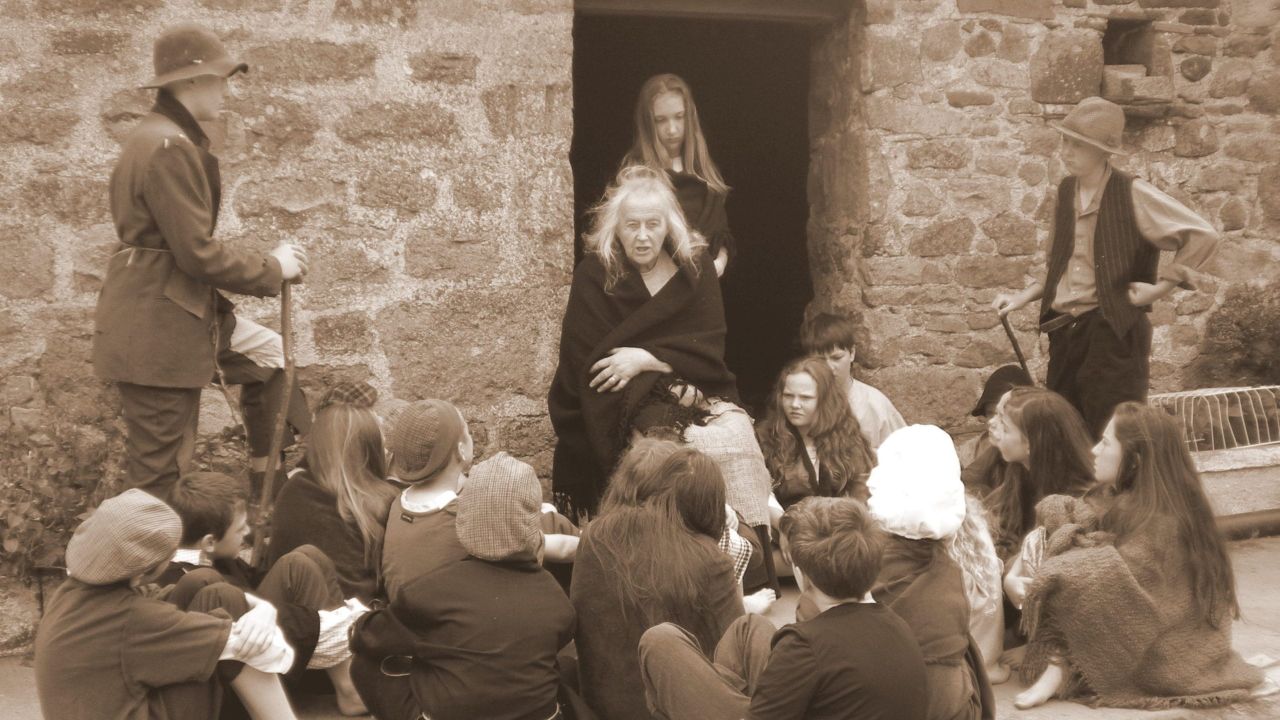
This tale survived through oral storytelling. Each generation shaped it while preserving its core meaning. That tradition continues in Irish proverbs and cultural expressions (see: https://celtguide.com/gaelic-irish-proverbs/).
Music also played a role. The clàrsach, or Celtic harp, often accompanied such stories. Its sound carried emotion as much as narrative (learn more: https://celtguide.com/what-is-a-clarsach-a-comprehensive-guide-to-the-celtic-harp/).
These elements: story, music, memory, worked together to keep myths like Tír na nÓg alive.

Landscape and the Otherworld
Irish mythology rarely separates story from place. Tír na nÓg feels distant, yet it echoes in real landscapes.
Ancient sites such as the Hill of Tara hold similar symbolic weight. They connect history, myth, and identity (explore: https://celtguide.com/hill-of-tara/).
Celtic stone carvings also reflect this connection. They mark spaces where the physical and spiritual meet (read more: https://celtguide.com/celtic-stone-carvings/).

In this worldview, the boundary between worlds remains thin.
Why Tír na nÓg Still Matters
Modern readers still connect with this tale. Its themes feel familiar:
- The desire to escape time
- The pull of home
- The tension between permanence and meaning
Tír na nÓg offers a simple but powerful insight. Endless youth does not guarantee fulfillment. Connection does.
Conclusion: A Quiet, Lasting Myth
The story of Tír na nÓg does not rely on dramatic endings. It leaves a quiet impression instead. It asks readers to reflect on time, memory, and belonging.
That restraint defines Irish mythology. It does not overwhelm. It stays with you.