
Scottish Flagstones: A Timeless Foundation of Heritage

Scottish flagstones carry more than structural weight. They hold centuries of history, craftsmanship, and cultural identity. Walk through any historic village in Scotland and you will notice these stones beneath your feet. They shape paths, courtyards, and homes with quiet authority.
This article explores their origins, cultural meaning, and modern relevance. It also connects their story with broader Celtic traditions.
What Are Scottish Flagstones?
Scottish flagstones are flat sedimentary stones, usually sandstone or limestone. Craftsmen split them into thin layers. This natural layering makes them ideal for paving.
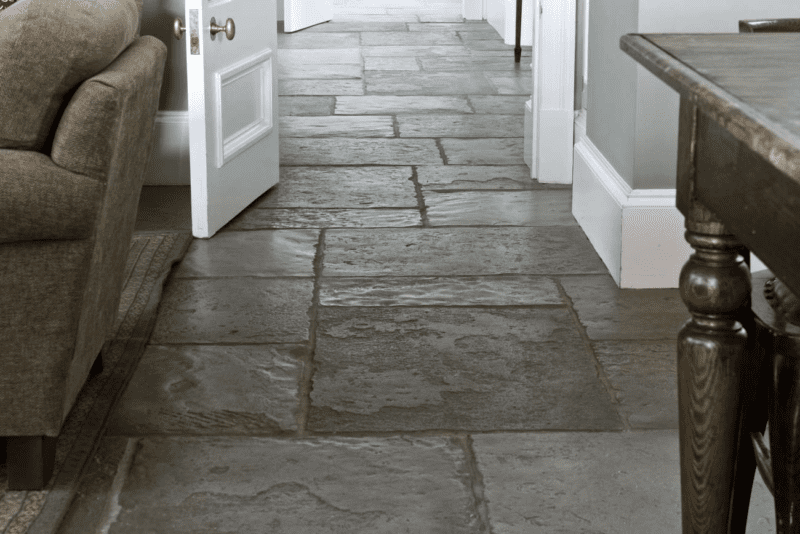
Their surface feels slightly rough. Their colors range from grey and blue to warm brown. Each slab looks unique. This variation adds character to any space.
Unlike modern materials, flagstones age gracefully. Over time, they develop a patina that enhances their beauty rather than diminishing it.
Historical Origins and Cultural Context
Flagstones have shaped Scottish landscapes for centuries. Builders used them in cottages, farmhouses, and public spaces. Their durability made them essential in harsh weather.
In rural communities, people sourced these stones locally. This practice connected architecture with the land itself. The stone beneath your feet often came from nearby quarries.
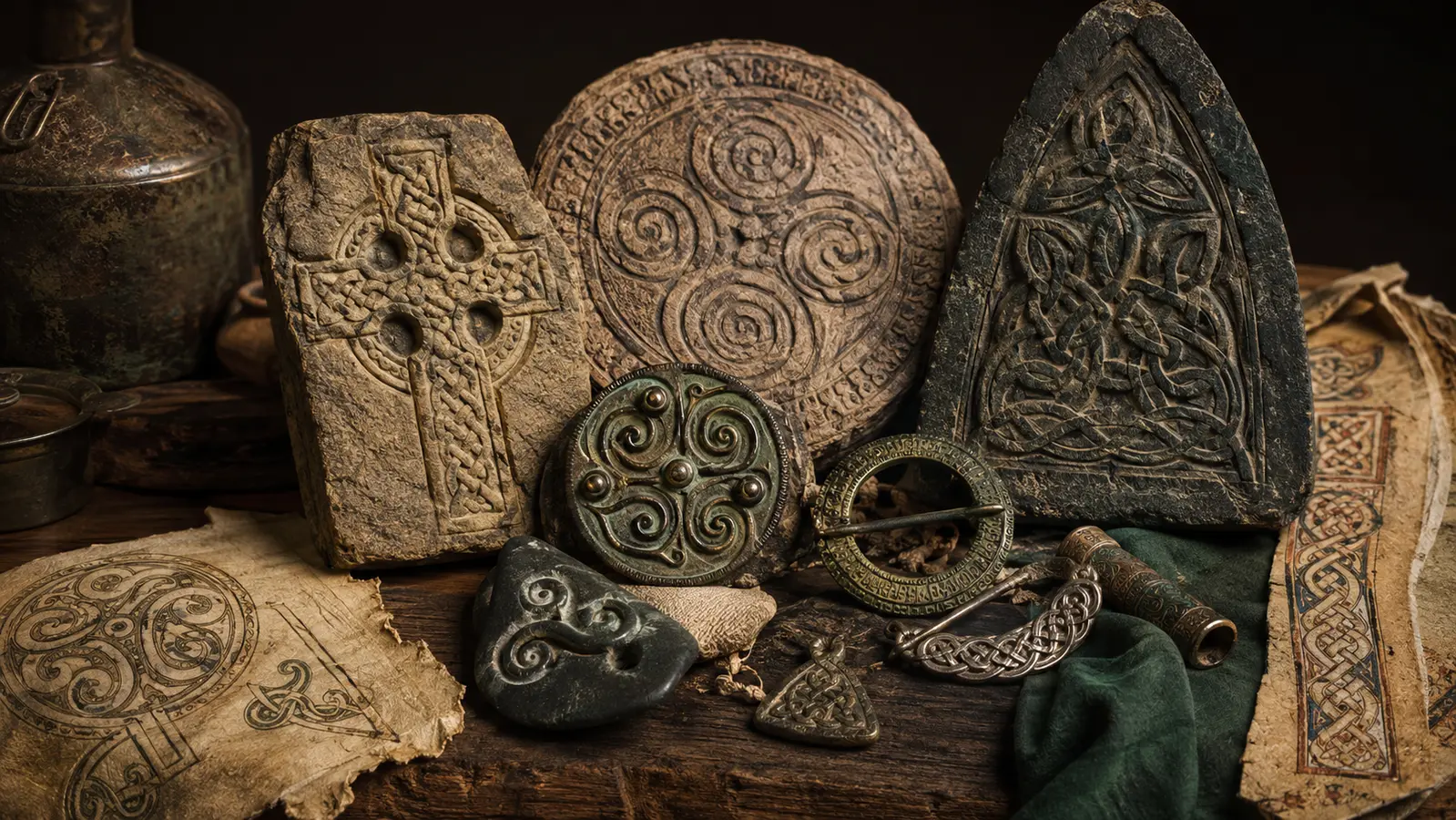
To understand this connection further, explore how stone shaped Celtic identity in https://celtguide.com/celtic-stone-carvings/. The same respect for natural material appears in both carving and construction.
Flagstones in Traditional Scottish Architecture
Scottish architecture relies on simplicity and resilience. Flagstones reflect both qualities.
Key Uses
- Flooring in cottages and castles
- Garden pathways and courtyards
- Steps and thresholds
- Hearths and fireplaces
Builders valued these stones for their strength. They resisted moisture and temperature shifts. This made them perfect for Scotland’s unpredictable climate.
You can also see how landscape influences architecture in https://celtguide.com/is-loch-lomond-in-the-highlands/, where terrain shapes both design and material choice.
Craftsmanship and Quarrying Techniques
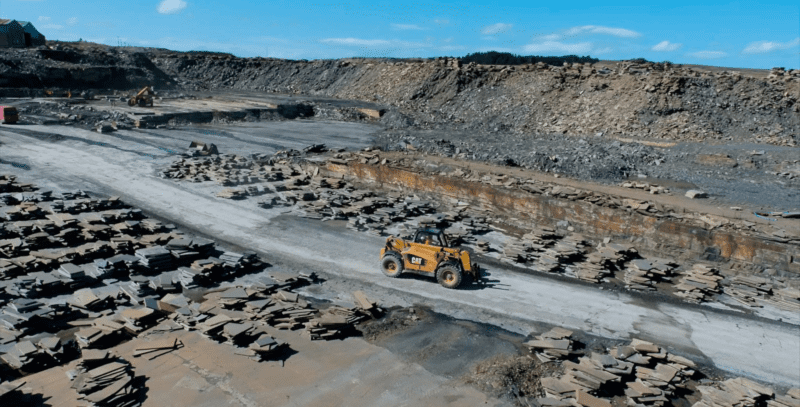
Quarrying flagstones required skill and patience. Workers split stone along natural bedding planes. They used simple tools but relied on deep knowledge of the material.
This process minimized waste. It also preserved the stone’s natural integrity.
Craftsmanship did not end at extraction. Masons carefully placed each slab. They aligned edges and balanced weight distribution. The result feels organic, not mechanical.
Aesthetic Value: Why Flagstones Still Matter
Scottish flagstones offer a distinct visual appeal. Their irregular edges create a natural pattern. Their muted tones blend with surrounding landscapes.
Modern designers often seek this authenticity. They prefer materials that feel grounded and timeless.
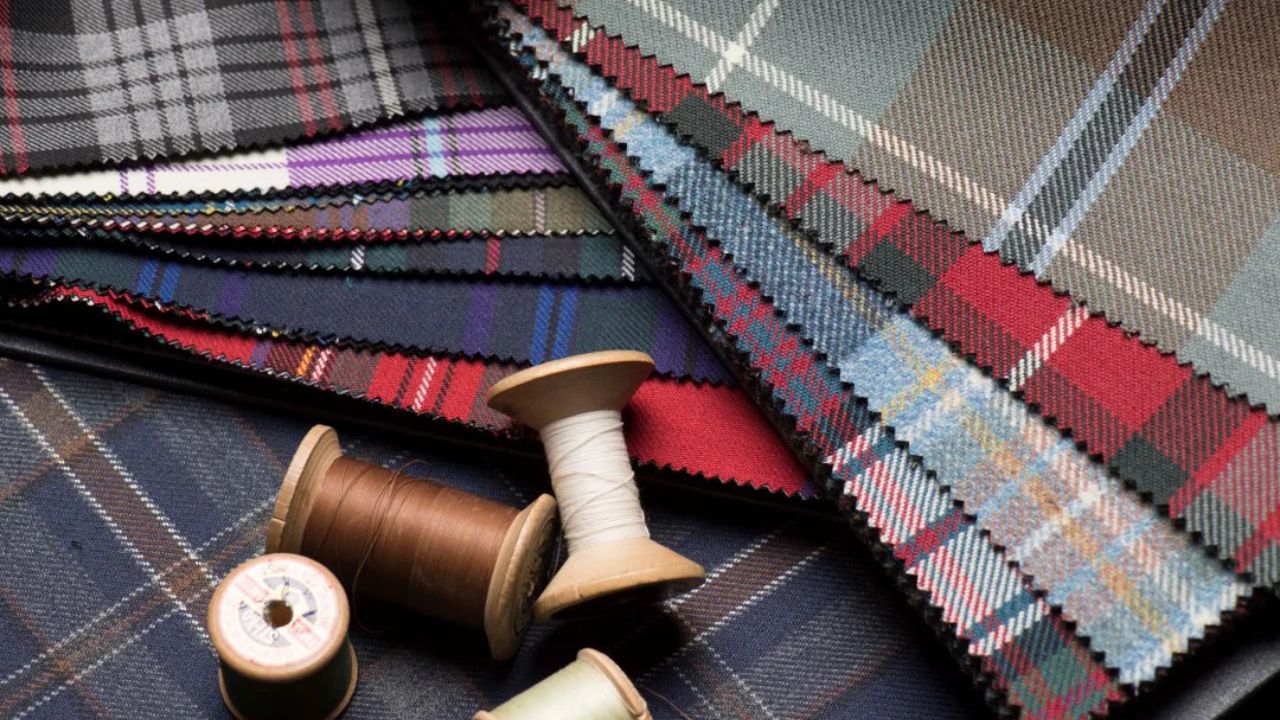
Flagstones also pair well with other traditional elements. For example, textiles like tartan reflect similar cultural continuity. Learn more about this in https://celtguide.com/what-is-tartan/.
Modern Applications of Scottish Flagstones
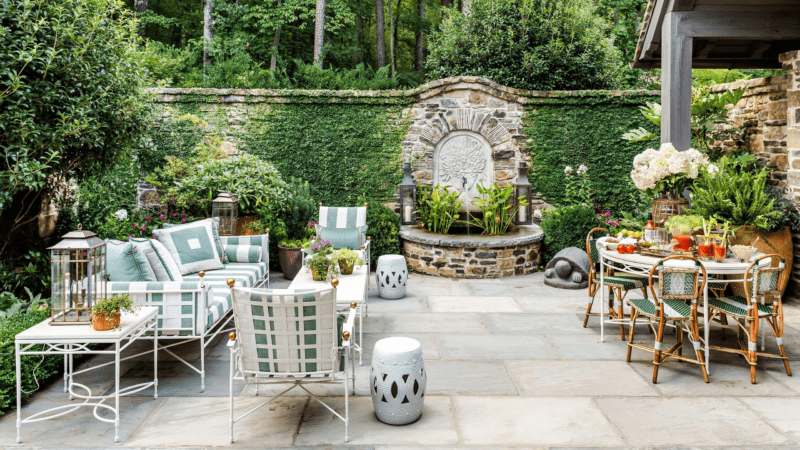
Today, flagstones remain popular in both rural and urban settings. Homeowners and architects use them for:
- Patio designs
- Interior flooring
- Landscape architecture
- Heritage restoration projects
Their sustainability adds to their appeal. Natural stone requires minimal processing. It lasts for decades with little maintenance.
In an era of fast construction, flagstones offer something rare: permanence.
Symbolism and Cultural Continuity
Scottish flagstones symbolize endurance. They connect present spaces with past lives. Every worn surface tells a story.
This idea aligns with broader Celtic traditions. Culture survives through continuity. Whether in music, language, or material, the past informs the present.
For example, storytelling traditions explored in https://celtguide.com/why-are-irish-people-natural-storytellers/ echo the same principle. Both stories and stones preserve memory.
Preservation and Restoration
Preserving flagstone structures requires careful attention. Experts avoid modern replacements when possible. They prefer original materials or close matches.
Cleaning methods remain gentle. Harsh chemicals can damage the stone. Instead, restoration focuses on maintaining integrity rather than altering appearance.
This approach respects both history and craftsmanship.
Conclusion: More Than Just Stone
Scottish flagstones are not ordinary building materials. They represent a relationship between people and place. They reflect centuries of adaptation, resilience, and artistry.
Their presence continues to shape modern design. Yet, they remain deeply rooted in tradition.
If you explore Celtic heritage further, start with the broader collection at https://celtguide.com/blog/. You will find that every element, from stone to story, contributes to a shared cultural landscape.