Ancient Kings of Munster: Power, Myth, and Legacy
The story of Munster’s ancient kings sits at the crossroads of history and myth. It is a world where lineage shaped authority, poetry preserved truth, and power depended as much on ritual as on warfare. To understand these kings is to understand how early Irish society imagined leadership itself.
Munster, in the south of Ireland, was never a single, unified kingdom in the modern sense. Instead, it functioned as a layered political landscape, shaped by rival dynasties and shifting alliances. Yet, through this complexity, certain royal lines rose to prominence and left a lasting imprint on Irish tradition.
The Political Landscape of Early Munster
Early Munster divided into two main regions: Desmond (South Munster) and Thomond (North Munster). These territories often competed for dominance. Kingship here was not strictly hereditary in the modern sense. Instead, it followed a system known as tanistry, where eligible members of a ruling family competed for succession.
This structure created both resilience and instability. It allowed capable leaders to emerge, but it also encouraged rivalry. As a result, Munster’s history reflects cycles of consolidation and fragmentation.
For broader context on Irish political symbolism, you can explore the significance of royal centers like
👉 https://celtguide.com/hill-of-tara/
The Rise of the Eóganachta Dynasty
No discussion of Munster is complete without the Eóganachta dynasty. From roughly the 5th to the 10th century, they dominated the region and shaped its identity.
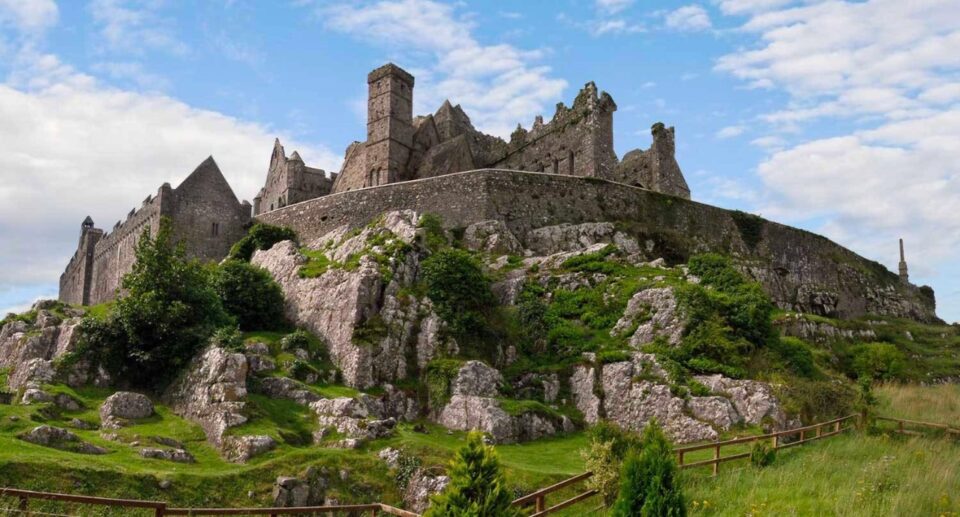
Their power centered on Cashel, a site that combined political authority with spiritual significance. Cashel was not just a royal seat. It was a ceremonial space where kingship connected with divine sanction.
The Eóganachta traced their lineage to Eógan Mór, a semi-legendary figure. Whether historical or not, this ancestry reinforced their legitimacy. In early Irish society, genealogy functioned as political capital.
Kingship and Sacred Authority
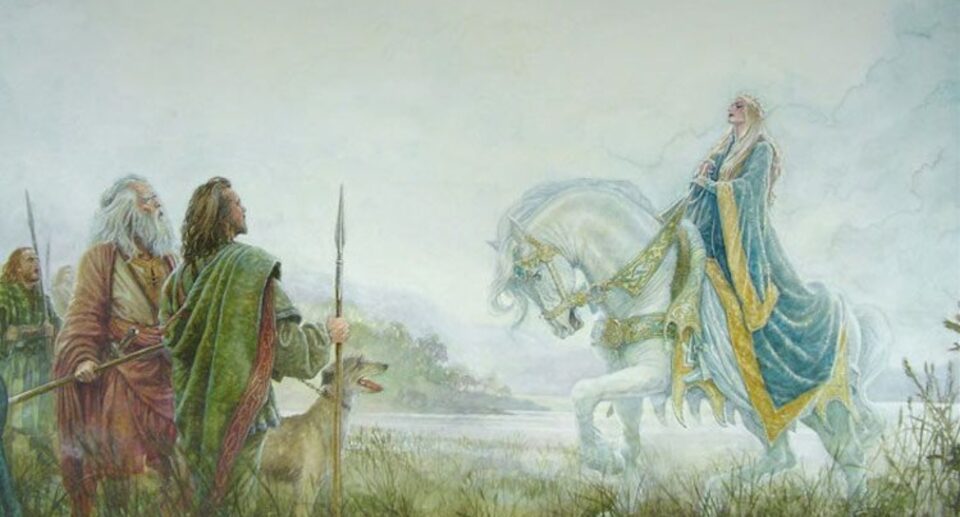
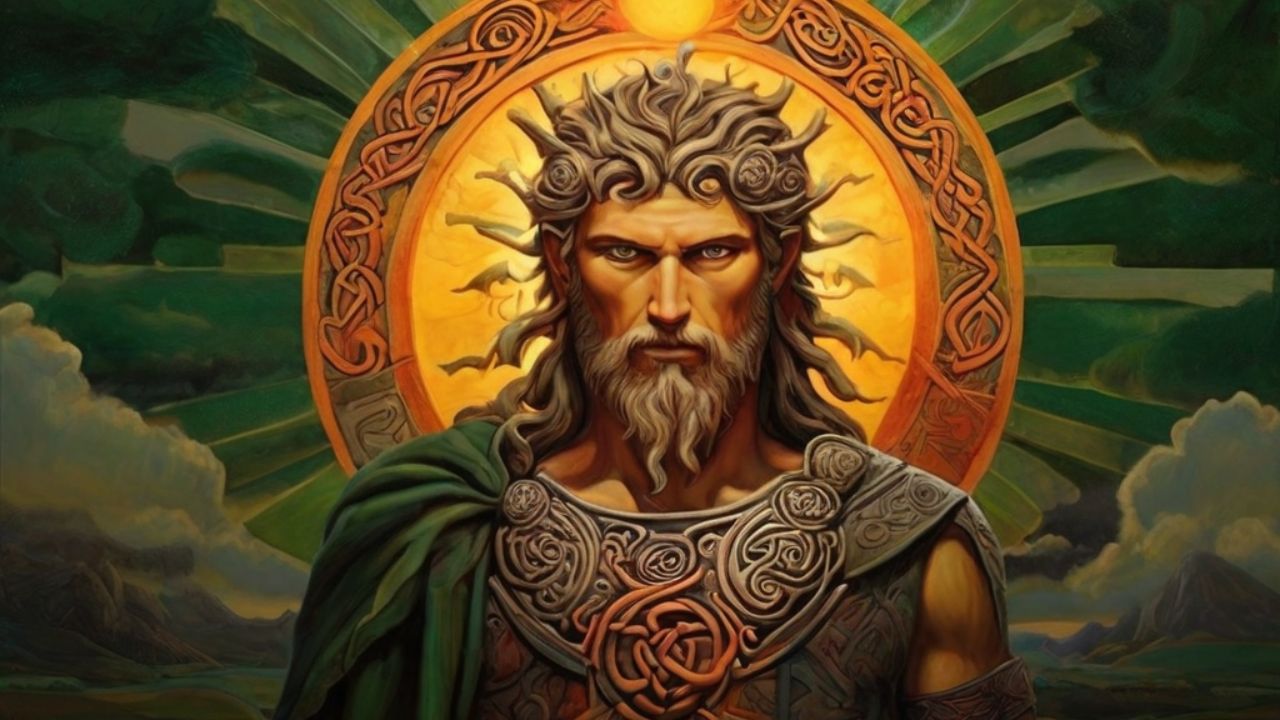
Kings in Munster were not merely rulers. They acted as mediators between the human and the divine. Their legitimacy depended on maintaining harmony between land, people, and the supernatural.
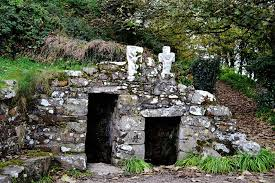
This belief echoes across Celtic traditions. Sacred landscapes, such as holy wells, played a role in reinforcing royal authority. You can explore this connection further here:
👉 https://celtguide.com/irish-holy-wells-portals-to-the-past-pathways-to-the-divine/
A king who failed in his duties risked more than rebellion. He risked cosmic disorder. Crop failure, famine, or social unrest could all signal that a ruler had lost divine favor.
Legendary Figures and Narrative Memory
The kings of Munster survive not only in annals but also in storytelling traditions. These narratives blur the line between history and myth.
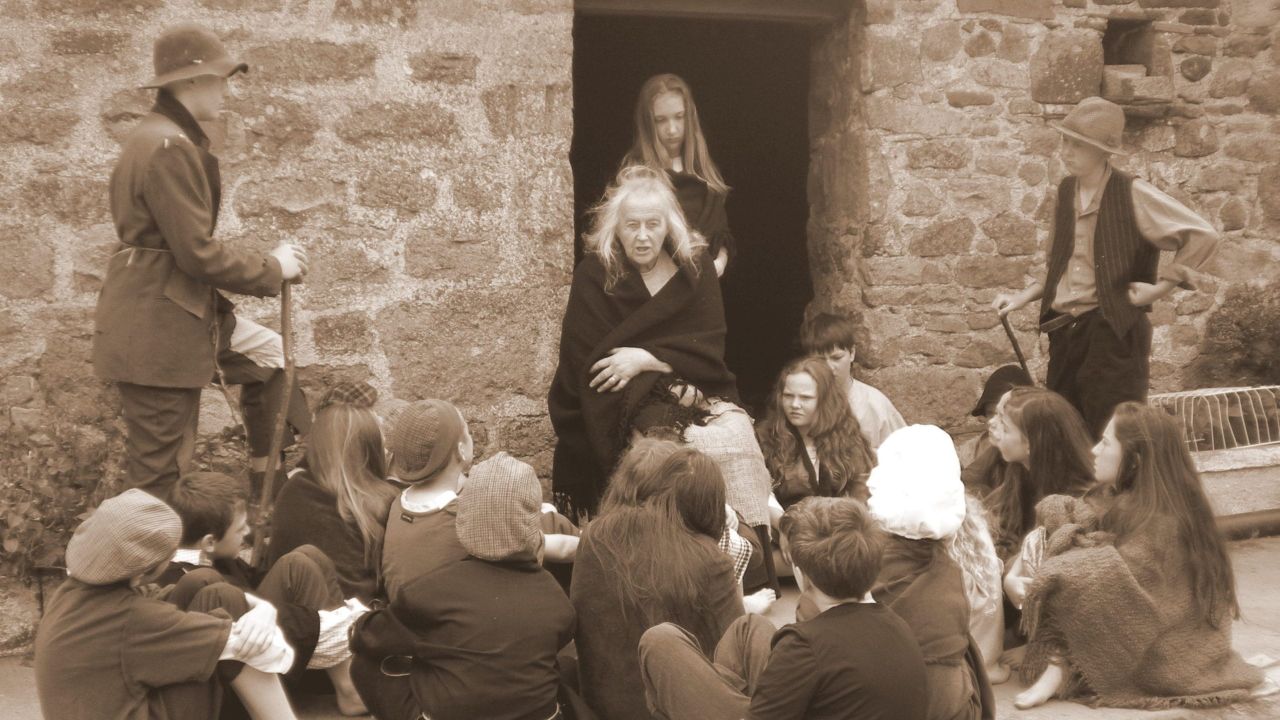
Irish culture has long preserved its past through oral storytelling. That tradition explains why figures like the Munster kings appear both as political leaders and as literary characters. Their stories carry moral lessons, genealogies, and cultural values.
For insight into this narrative tradition, see:
👉 https://celtguide.com/why-are-irish-people-natural-storytellers/
In these tales, kings often embody ideals: bravery, generosity, and wisdom, but also human flaws. This duality makes them enduring figures in Irish memory.
Conflict and Transformation
By the 10th century, the dominance of the Eóganachta began to decline. New powers emerged, most notably the Dál gCais, whose most famous figure would later be Brian Boru.
This shift marked a transformation in Munster’s political structure. Authority became more centralized and militarized. The older ritual-based kingship gave way to a model focused on territorial control and expansion.
Yet, even as political realities changed, the symbolic framework of kingship endured. Ritual, poetry, and genealogy continued to define legitimacy.
Cultural Legacy of Munster’s Kings
The legacy of Munster’s kings extends beyond political history. It lives in Irish language, folklore, and cultural identity.
Their world resonates in Gaelic proverbs, which often reflect themes of leadership, wisdom, and fate. You can explore this tradition here:
👉 https://celtguide.com/gaelic-irish-proverbs/
It also appears in music, storytelling, and landscape. From ancient stone sites to regional traditions, traces of these kings remain embedded in Ireland’s cultural fabric.
Conclusion: Between Myth and History
The ancient kings of Munster occupy a space between fact and imagination. They were real rulers navigating complex political systems. At the same time, they became symbols shaped by centuries of storytelling.
This dual identity is not a weakness in the historical record. It is its strength. It shows how societies remember power—not just as governance, but as meaning.
To study Munster’s kings is to see how leadership, belief, and narrative intertwine. Their legacy endures, not only in chronicles but in the living traditions of Ireland itself.