
The Irish Shebeen Tradition: Hidden Pubs of Culture and Resistance

Introduction: Where Whiskey Met Whispered Stories
Imagine a place where laughter spilled louder than the ale, fiddles played long into the night, and politics were whispered in the shadows. That was the Irish shebeen; an unlicensed, often hidden drinking house that became more than a pub. It was culture, rebellion, and community bottled into one.
What Exactly Is a Shebeen?
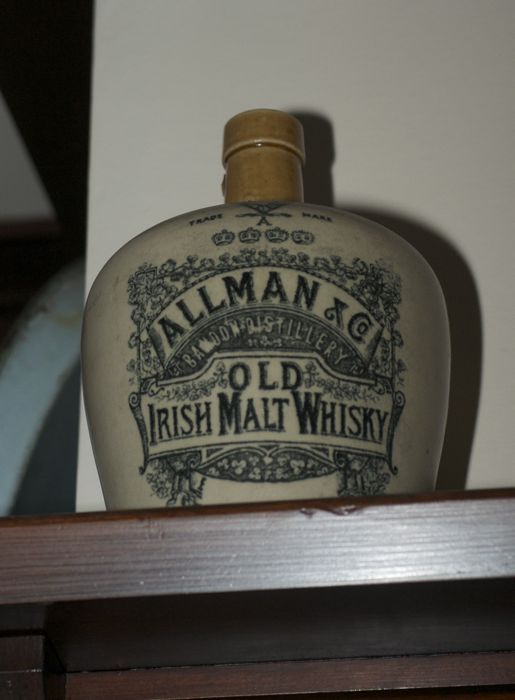
The word shebeen comes from the Irish síbin, meaning “illicit whiskey.” At its heart, a shebeen was an underground pub, serving spirits outside government control. Born in times of strict alcohol regulation, they became sanctuaries of defiance.
Just as Irish people are famed as natural storytellers, shebeens gave those stories a home—told between shared glasses and music.
The Historical Roots of Shebeens
Shebeens rose to prominence during periods when the British Crown imposed taxes and licensing laws on alcohol. In rural Ireland, where poverty was widespread (especially in the wake of the Irish Potato Famine), the shebeen became both survival and subversion.
They weren’t merely places to drink, they were hubs of social resistance, community bonding, and political conversation.
Music, Culture, and the Shebeen Spirit
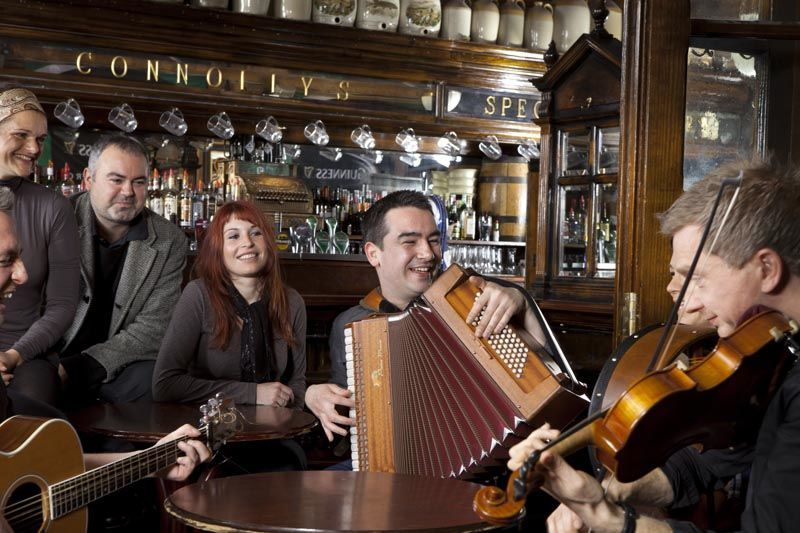
Inside a shebeen, the air was thick with Irish fiddle tunes (see our piece on fiddle music), the beat of the bodhrán drum (explore more here), and voices raised in Gaelic song.
This blending of music and drink transformed the shebeen into more than a tavern. It became a cultural hearth, not unlike the gatherings around céilí bands.
Why Shebeens Mattered
The shebeen was more than alcohol; it was a statement.
- A space of freedom: People could speak freely without surveillance.
- A keeper of culture: Gaelic songs, Irish proverbs, and local folklore flourished.
- A place of resilience: Even in times of hardship, the shebeen offered community joy.
Shebeens in Folklore and Memory
While not as romanticized as castles or holy wells (learn about Irish holy wells), shebeens live in memory as symbols of grassroots Irish resilience. They reflect the same determination seen in Irish wake traditions: the ability to blend sorrow with song, struggle with celebration.
Modern Echoes of the Shebeen
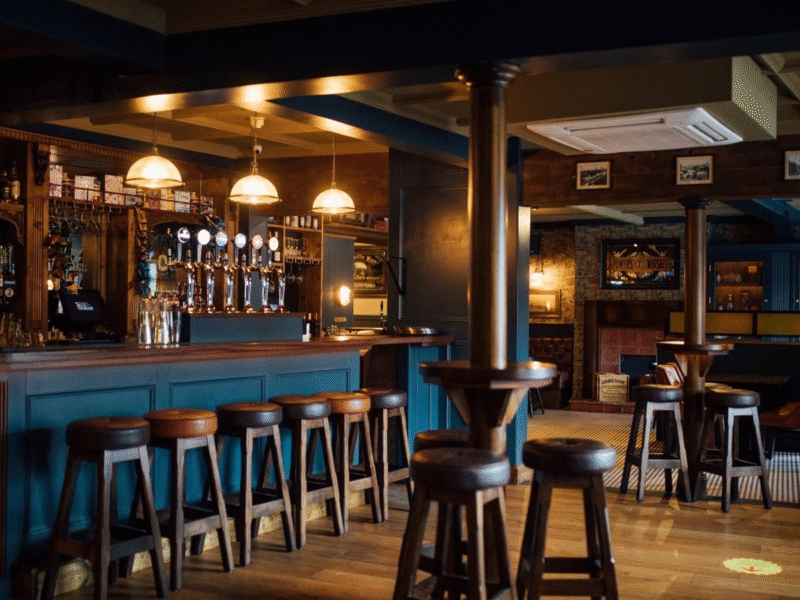
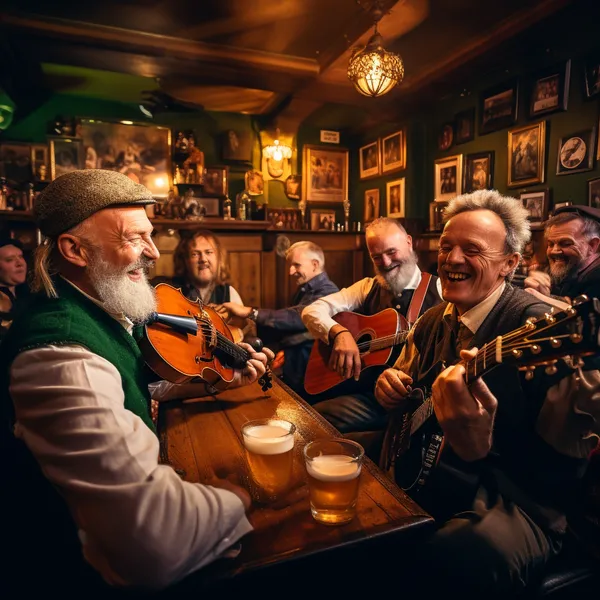
Today, shebeens are no longer outlaw spaces, yet their legacy lingers. Many pubs across Ireland nod to the shebeen tradition, evoking the rustic intimacy and storytelling spirit that defined them.
Visiting a shebeen-style pub today is less rebellion and more revival, a way of connecting with Ireland’s layered past.
Conclusion: The Spirit Lives On
The Irish shebeen tradition is more than history. It’s a reminder of community, culture, and the Irish gift for finding joy even under constraint. Next time you raise a glass in Ireland, imagine the whispers of those old shebeens, where laughter, music, and rebellion flowed as freely as the whiskey.
For more cultural insights, explore our Celtguide blog.