

Irish Salt Harvesting: Tradition from Sea to Table
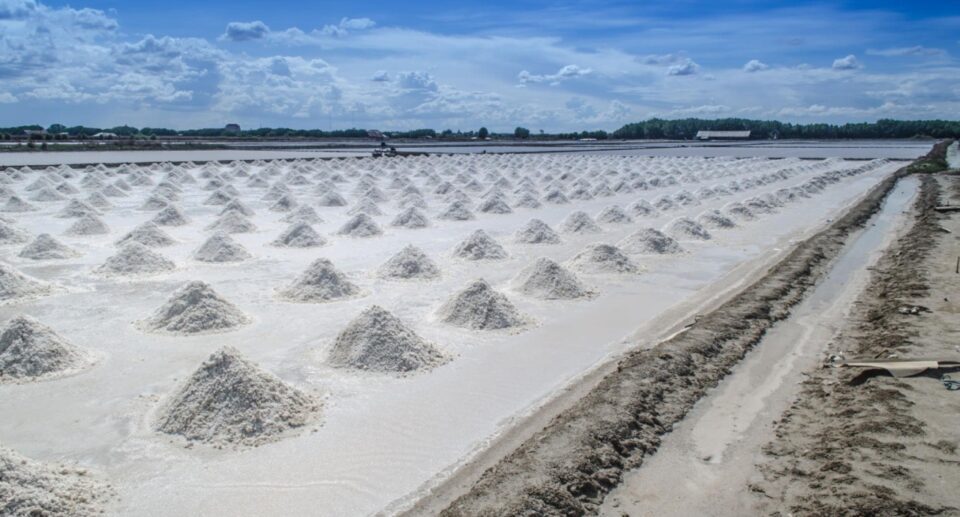
Irish salt harvesting stands at the quiet intersection of nature, craft, and memory. Along the rugged Atlantic coast, salt makers draw from ancient rhythms. They rely on wind, tide, and patience rather than industrial haste. This practice does more than produce seasoning. It preserves a way of life shaped by the sea.
While Ireland does not hold vast salt flats like southern Europe, it offers something subtler. Its cold, mineral-rich waters produce sea salt with a distinctive clarity and taste. This blog explores how Irish salt harvesting evolved, how it works today, and why it matters within Celtic heritage.
Historical Roots of Salt in Ireland
Salt held immense value in early Irish society. People used it to preserve fish, cure meat, and sustain communities through harsh winters. Coastal settlements depended on salt as much as they relied on fertile land.
Archaeological evidence suggests early salt-making activity along Ireland’s shores. However, unlike large-scale Roman salt industries, Irish production remained small and localized. Families and communities managed it. This gave the craft a personal and cultural dimension.
To understand how such traditions survive, one can explore broader Irish resilience through events like the Great Irish Potato Famine, discussed in detail here:
https://celtguide.com/the-influence-of-the-irish-potato-famine/
Salt, like storytelling, became part of cultural continuity. It passed quietly through generations, much like the oral traditions explored in:
https://celtguide.com/why-are-irish-people-natural-storytellers/
The Coastal Landscape and Its Influence
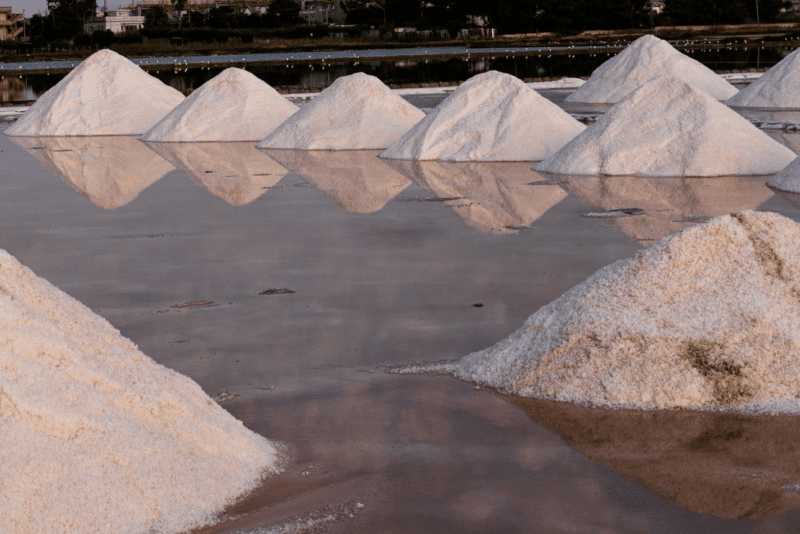
Ireland’s coastline shapes its salt. The Atlantic Ocean brings clean, oxygen-rich water. Constant winds encourage natural evaporation. Rocky shores filter impurities.
Regions such as the Ring of Kerry provide ideal conditions. Strong tides circulate nutrients, while low industrial pollution ensures purity.
This environment creates salt with a crisp texture and balanced mineral profile. It reflects place, much like terroir in wine. The landscape does not simply host the process. It defines it.
Traditional Irish Salt Harvesting Methods
Irish salt harvesting relies on simplicity and precision. Artisans follow a process rooted in observation rather than automation:
1. Seawater Collection
Salt makers gather seawater directly from clean coastal areas. Timing matters. They often collect during specific tides to ensure optimal salinity.
2. Filtration
They filter the water to remove sand and organic particles. This step protects the final texture.
3. Evaporation
They heat the water gently or allow natural evaporation. Unlike industrial methods, they avoid rapid boiling. Slow evaporation encourages delicate crystal formation.
4. Crystallization
Salt crystals begin to form on the surface. Makers skim them carefully by hand. This produces soft, flaky sea salt.
5. Drying
They dry the crystals at low temperatures. This preserves minerals and enhances flavor.
This method values control and patience. Each batch differs slightly. That variation reflects the living nature of the sea.
Cultural Significance in Celtic Life
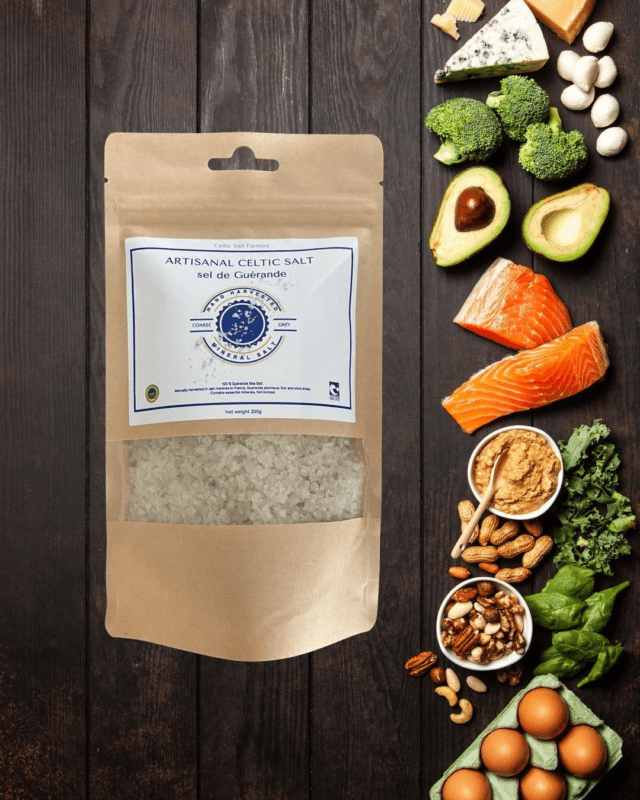
Salt carries symbolic and practical meaning in Irish culture. It represents preservation, purity, and sustenance. In many ways, it parallels other enduring traditions.
For instance, just as handcrafted salt reflects identity, so do objects like the Claddagh Ring, explored here:
https://celtguide.com/claddagh-ring-meaning-history-and-symbolism/
Salt also connects to ritual and hospitality. Sharing food seasoned with local salt expresses belonging. It reinforces community ties, much like gatherings described in Irish wake traditions:
https://celtguide.com/heartbeat-of-farewell-irish-wake-traditions-through-a-celtic-lens/
Modern Revival of Irish Sea Salt
In recent decades, Irish sea salt has experienced a revival. Small producers now lead the movement. They focus on sustainability, quality, and traceability.
Modern artisans combine traditional knowledge with careful innovation. They maintain low-impact methods while meeting global demand. This approach aligns with broader Celtic respect for land and sea.
Consumers today seek authenticity. Irish sea salt offers that. It carries a story, a place, and a process.
Why Irish Salt Stands Out
Irish salt differs from mass-produced alternatives in several ways:
- Purity: Clean Atlantic waters reduce contamination
- Mineral Content: Balanced minerals enhance taste
- Texture: Hand-harvested flakes remain soft and crisp
- Sustainability: Small-scale production minimizes environmental harm
These qualities make Irish salt a premium product. More importantly, they make it meaningful.
Conclusion
Irish salt harvesting embodies quiet expertise. It shows how tradition adapts without losing its essence. Each grain reflects the Atlantic’s force and the artisan’s restraint.
In a fast-moving world, this craft invites us to slow down. It reminds us that value often lies in process, not speed. Irish salt does not just season food. It preserves heritage.
For more insights into Celtic traditions and landscapes, visit:
https://celtguide.com/blog/