
Irish Wickerwork Baskets: Craft, History & Culture
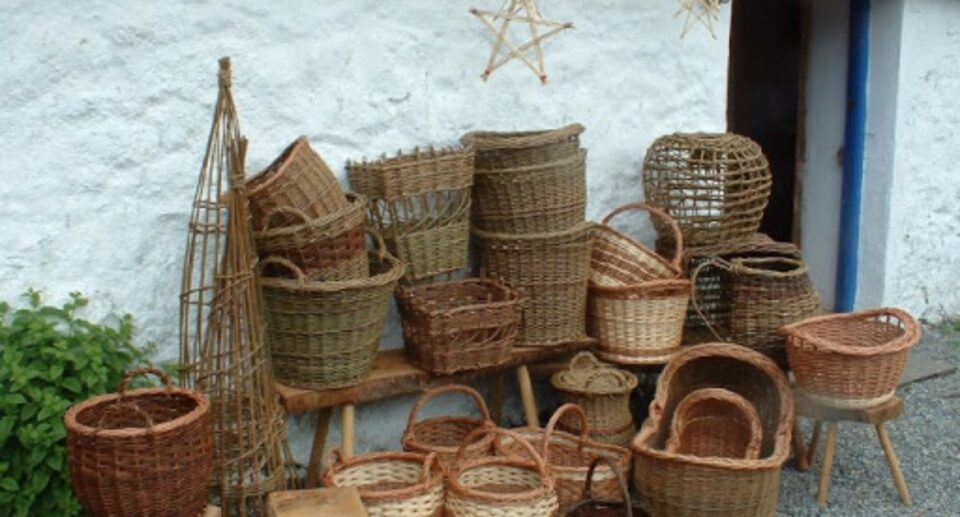
Irish wickerwork baskets embody a quiet continuity that runs through Celtic history. They are not merely objects of utility; they are expressions of landscape, labor, and memory. To understand them is to glimpse how Irish communities shaped everyday life with skill and intention.
This craft stands alongside other enduring traditions explored in our CeltGuide blog, where material culture reveals deeper cultural meanings.
The Origins of Irish Wickerwork
Wickerwork in Ireland dates back to prehistoric times. Early communities relied on locally sourced materials, primarily willow, to create containers for farming, fishing, and domestic use. The abundance of wetlands across Ireland made willow both accessible and sustainable.
Archaeological findings suggest that wicker techniques developed alongside other Celtic crafts, such as Celtic stone carvings. Both reflect a society deeply connected to natural forms and rhythms.
Unlike monumental art, wickerwork was intimate. It belonged to homes, fields, and daily routines.
Materials and Craftsmanship
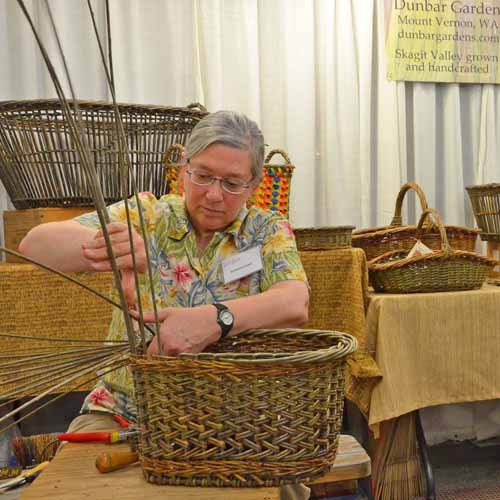
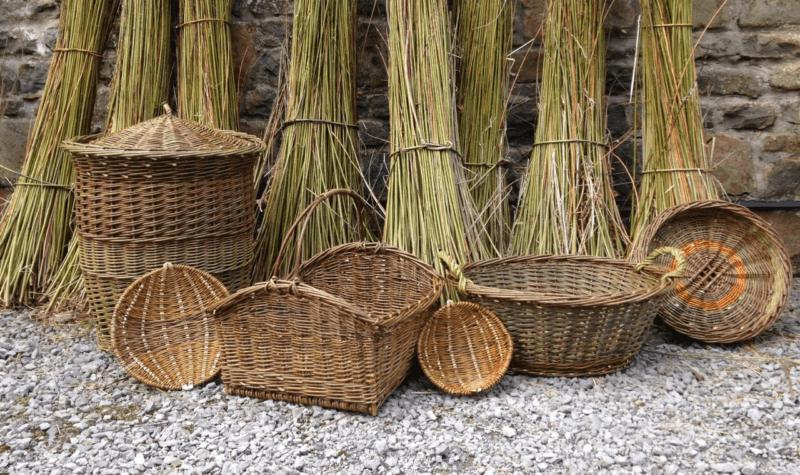
At the heart of Irish wickerwork lies willow. Craftsmen harvest it during winter, when sap levels are low. They then soak and prepare the rods for weaving.
The process demands patience. Each basket begins with a base structure, followed by the gradual building of sides through interwoven rods. The rhythm of weaving resembles storytelling; layer by layer, meaning emerges.
This connection between craft and narrative echoes Ireland’s oral traditions, discussed in Why Are Irish People Natural Storytellers?.
Key Characteristics of Irish Wicker Baskets:
- Strong yet flexible construction
- Lightweight and breathable design
- Organic shapes influenced by function
- Long-lasting durability
Craftsmanship here is not rushed. It reflects a philosophy of making that values endurance over speed.
Functional Roles in Irish Life
Historically, wicker baskets served essential roles in rural Ireland. Farmers used them to carry turf, crops, and tools. Fishermen relied on them for catches. Households used them for storage and transport.
These baskets were not decorative luxuries; they were necessities. Their design evolved directly from use.
Even today, traditional Irish baskets maintain this functional integrity. While modern materials have replaced many older tools, wicker baskets persist because they fulfill a practical need with elegance.
Cultural Symbolism and Meaning
Irish wickerwork baskets carry subtle symbolic weight. They represent self-sufficiency, resilience, and harmony with nature. In many ways, they mirror broader Celtic values.
This symbolic dimension aligns with other cultural artifacts, such as the Claddagh ring, where everyday objects convey deeper meanings of loyalty and connection.
Similarly, baskets evoke ideas of gathering and holding, both physically and metaphorically. They hold harvests, but they also hold traditions.
Regional Variations Across Ireland
Different regions in Ireland developed distinct basket styles based on local needs.
- Western Ireland: Strong, deep baskets for turf and fishing
- Midlands: Wide, shallow baskets for agricultural produce
- Coastal areas: Lightweight designs for easy transport
These variations reflect the diversity of Irish landscapes, much like those described in The Ring of Kerry.
Each basket tells a regional story. Its form follows the demands of environment and livelihood.
Decline and Revival
Like many traditional crafts, Irish wickerwork faced decline during industrialization. Mass-produced goods replaced handmade items, and fewer artisans continued the practice.
However, recent decades have seen a revival. There is renewed interest in sustainable living and heritage crafts. Workshops and artisan markets now celebrate wickerwork as both art and utility.
This revival mirrors broader efforts to preserve Celtic traditions, similar to those seen in music, language, and ritual practices like Irish wake traditions.
Wickerwork in Contemporary Ireland
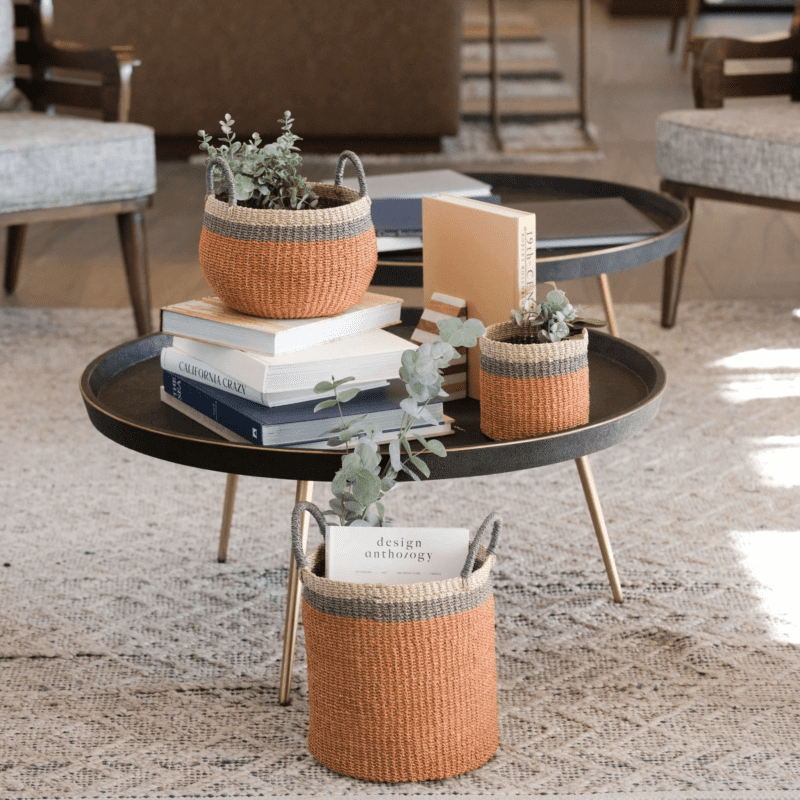
Today, Irish wicker baskets occupy a unique space. They bridge past and present. Designers incorporate traditional weaving into modern interiors, while artisans maintain historical techniques.
Tourists often seek these baskets as authentic souvenirs. Yet their value extends beyond aesthetics. They represent a living tradition, one that continues to adapt without losing its essence.
Why Irish Wickerwork Still Matters
In an era dominated by synthetic materials, wickerwork offers an alternative grounded in sustainability and craftsmanship. It reminds us that utility need not exclude beauty.
More importantly, it reconnects us with a slower, more deliberate way of making. Each basket carries the imprint of human hands and local landscapes.
As with many Celtic traditions, its significance lies not only in its form but in its continuity.
Final Reflection
Irish wickerwork baskets endure because they remain useful, meaningful, and deeply rooted in place. They do not demand attention, yet they reward it.
To study them is to understand how tradition survives, not through preservation alone, but through continued use.