Gaelic Chanting for Rowing: Rhythm, Memory, and Motion
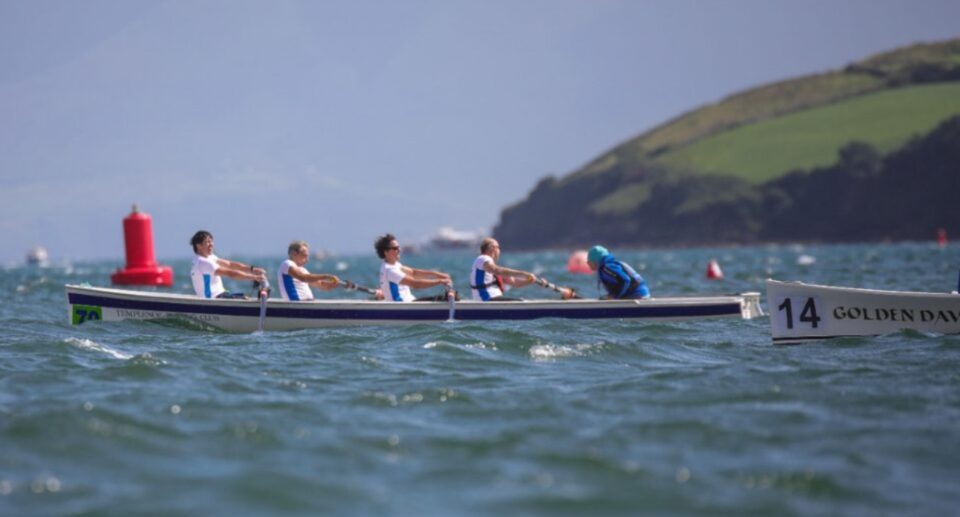
Gaelic chanting for rowing stands at the meeting point of language, labor, and landscape. It is not merely music. It is a functional rhythm that guided collective effort across water. When oars struck the sea in unison, voices rose to anchor timing and spirit.
This tradition reflects the wider richness of Celtic oral culture. If you have explored Gaelic Irish Proverbs or read about Why Irish People Are Natural Storytellers, you already understand how deeply voice shapes identity. Rowing chants extend that same instinct into motion.
What Is Gaelic Chanting in Rowing?
Gaelic rowing chants are rhythmic vocal patterns used to coordinate oarsmen. Each line aligns with a stroke. The chant leader sets the pace, while the crew responds or follows.
Unlike formal songs, these chants remain simple. They rely on repetition, strong beats, and clear vocal cues. This design ensures that every rower stays in sync, even in rough waters.
You can compare this to the role of rhythm in The Bodhrán Drum. Both guide movement. Both create unity through sound.
Historical Roots in Coastal Communities
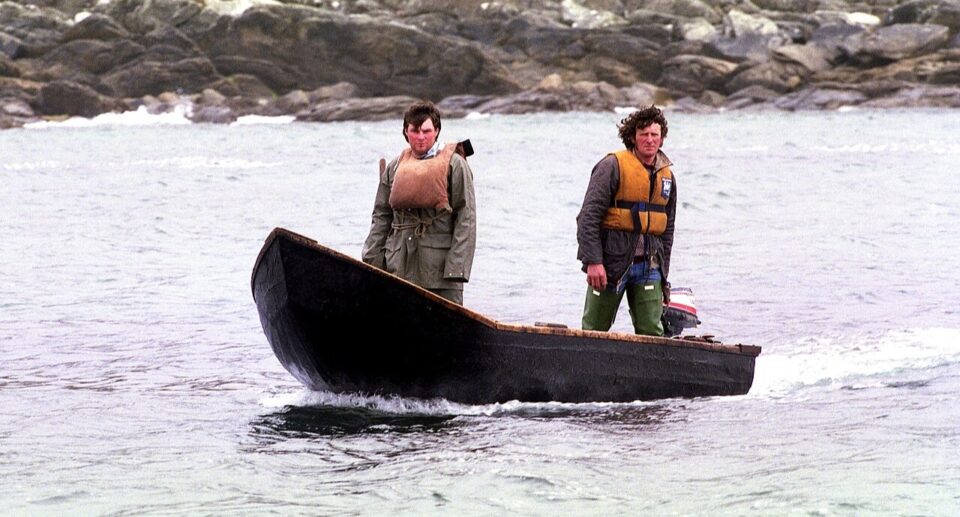
Gaelic chanting for rowing emerged in coastal regions of Ireland and Scotland. Fishing boats, currachs, and long vessels required teamwork. A mistimed stroke could slow the journey or disrupt balance.
Communities developed chants that matched local dialects and environments. In the Hebrides, you would hear Scottish Gaelic phrases. Along Ireland’s western coast, Irish Gaelic dominated.

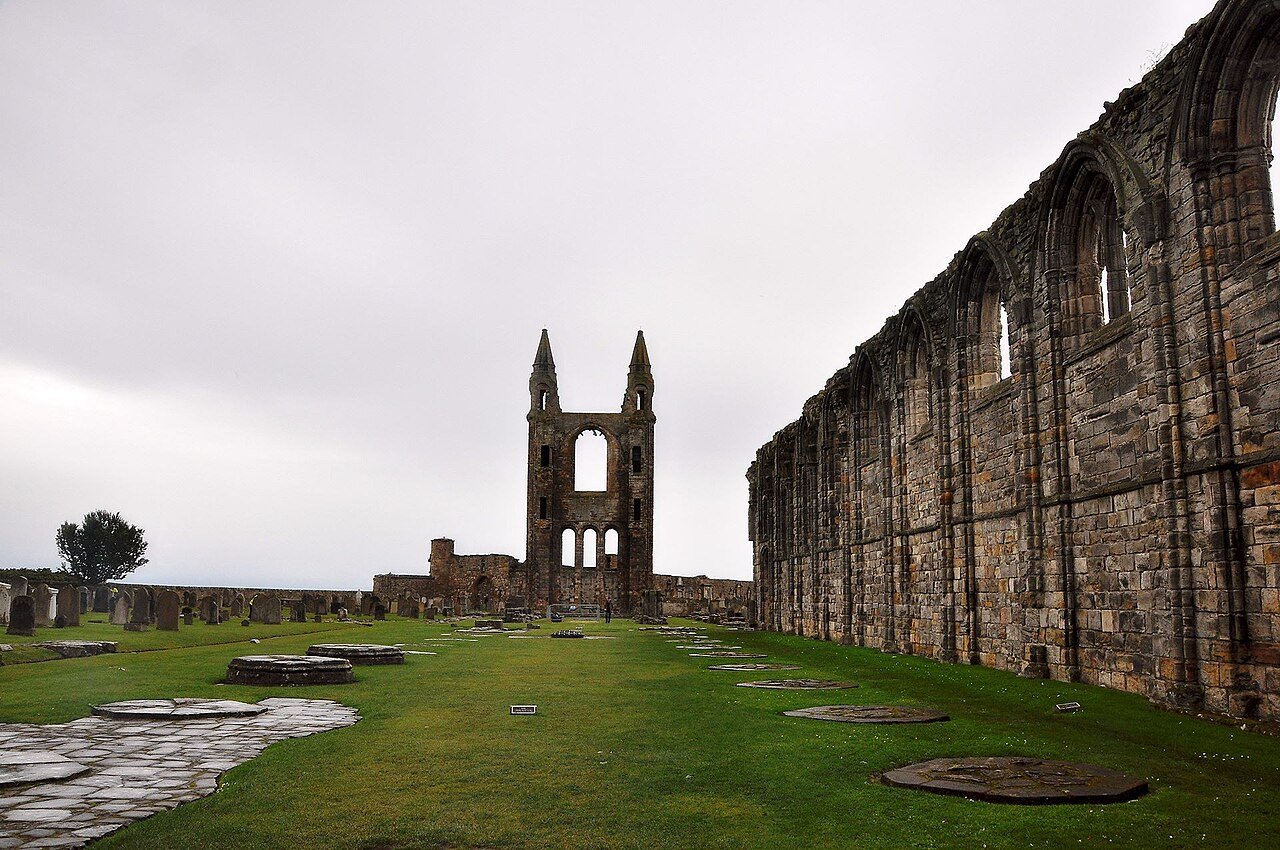
This maritime culture connects closely with landscapes like the Isle of Mull and routes near the Ring of Kerry. These areas shaped both the rhythm of rowing and the language of chants.
Structure and Style of Rowing Chants
Gaelic rowing chants follow a clear structure:
- Call and response – A leader begins, and the crew answers
- Short phrases – Easy to repeat during physical effort
- Strong cadence – Each beat aligns with an oar stroke
Many chants also include improvised lines. A leader might adapt words based on weather, distance, or crew morale. This flexibility keeps the chant alive and relevant.
The style shares qualities with Gaelic Children’s Lullabies. Both rely on rhythm, repetition, and emotional tone, though their purposes differ greatly.
The Role of Chanting in Team Coordination
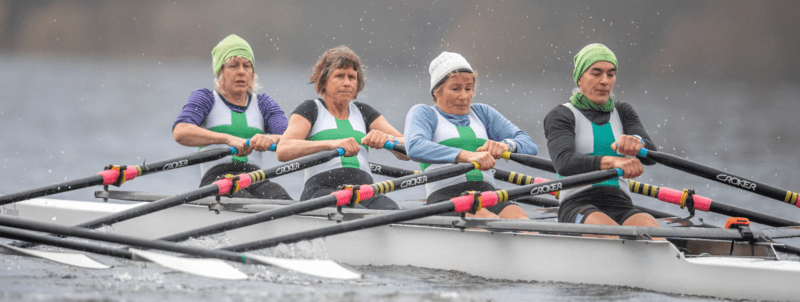
Rowing demands precision. Even a slight mismatch in timing reduces efficiency. Gaelic chants solve this problem through auditory synchronization.
When rowers hear a unified rhythm, their bodies follow it naturally. This reduces fatigue and improves endurance. It also strengthens group cohesion.
In many ways, chanting transforms labor into a shared experience. It replaces silence with connection. It turns effort into expression.
Cultural Meaning Beyond Function
Gaelic chanting carries cultural memory. Each phrase reflects language preservation, local identity, and ancestral knowledge.
In some chants, you may find references to nature, folklore, or daily life. This echoes themes seen in stories like the Legend of the Fairy Glen or beliefs surrounding Selkies in Folklore.
Even during physical work, storytelling remains present. The chant becomes a moving narrative across water.
Connections to Broader Celtic Music Traditions
Although rowing chants are functional, they relate closely to Celtic musical traditions. Their rhythm mirrors dance tunes and work songs.
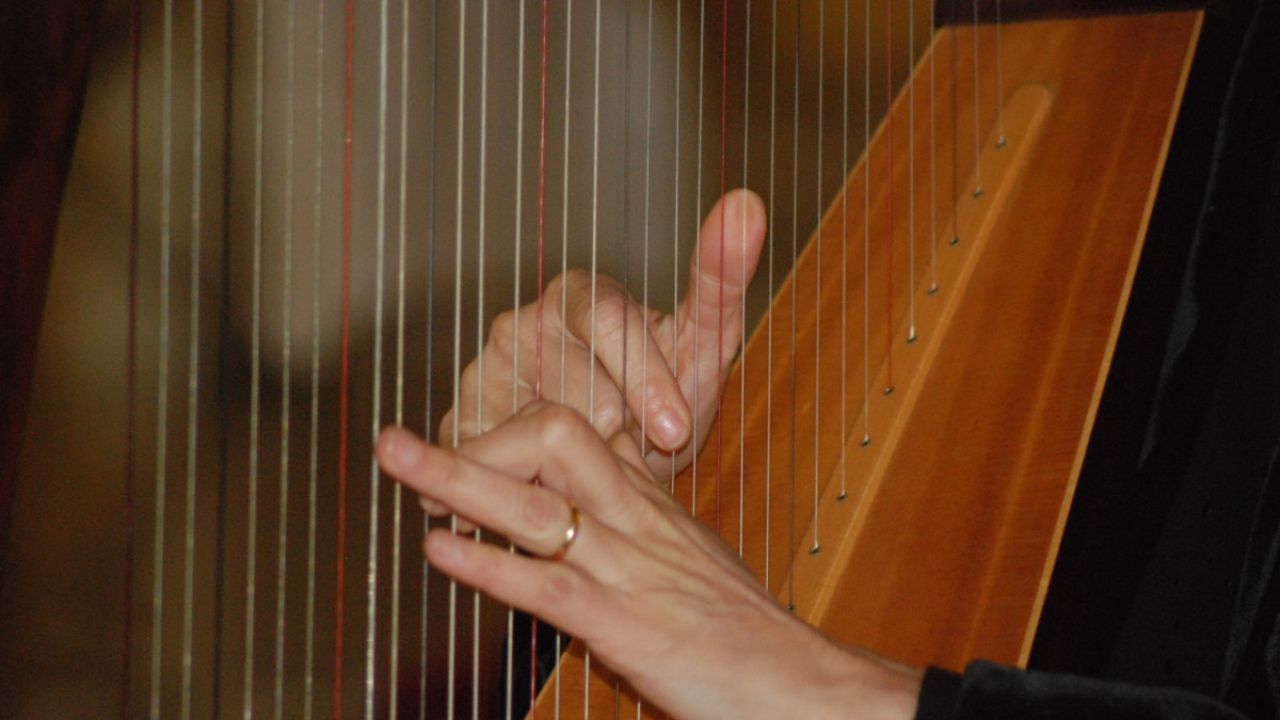
You can see this connection in gatherings with Ceili Bands or in instrumental traditions like Fiddle Music. The same sense of timing and communal participation appears across these forms.
The difference lies in purpose. While music invites celebration, chanting ensures survival and efficiency at sea.
Modern Revival and Cultural Interest
Today, Gaelic rowing chants have gained renewed attention. Cultural festivals, heritage projects, and maritime reenactments showcase these traditions.
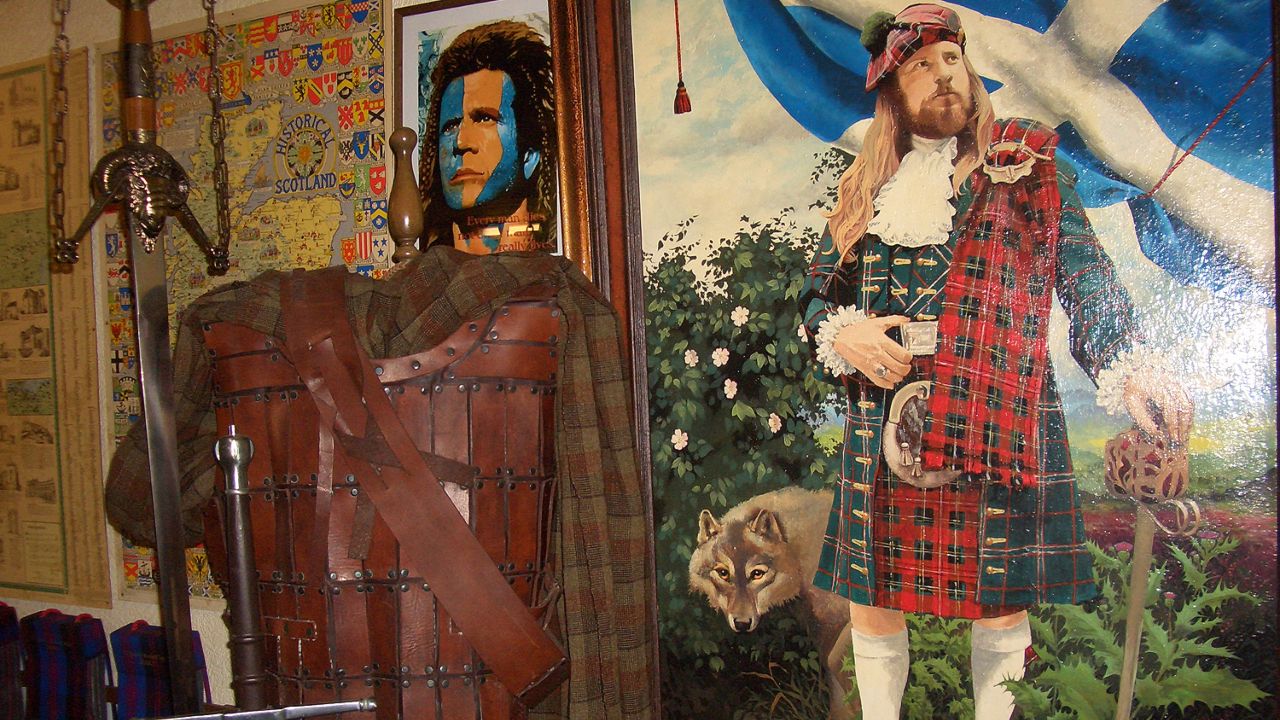
Events such as the Highland Games 2025 often highlight Celtic heritage. While rowing chants may not always take center stage, they remain part of the broader narrative.
Scholars and enthusiasts now record and preserve these chants. This effort ensures that the rhythm of the past continues into the future.
Why Gaelic Chanting Still Matters
Gaelic chanting for rowing teaches us that language is not static. It moves with people and adapts to need. It survives through use.
In a world driven by technology, this tradition reminds us of something essential. Human voices once powered movement across vast waters. Rhythm replaced machinery. Community replaced isolation.
That legacy still resonates today.

Conclusion
Gaelic chanting for rowing is more than a maritime tool. It is a cultural expression shaped by necessity and creativity. It blends language, rhythm, and teamwork into a living tradition.
As you explore Celtic heritage, do not overlook these chants. They may seem simple, yet they carry the weight of history, identity, and human connection.