

The Gaelic Flute in Traditional Music

The Gaelic flute holds a special place in Celtic musical tradition. Its tone carries a warmth that feels earthy and honest like a voice shaped by hills, wind, and memory. When musicians pick up the flute in a session, something familiar stirs. You hear old landscapes, old rhythms, and the stories that communities passed down for generations.
If you enjoy exploring the roots of Celtic sound, you might also like our guides on fiddle music and the bodhrán drum. Together, these instruments form the heartbeat of Gaelic musical culture.
What Is the Gaelic Flute?
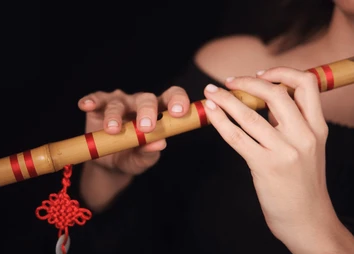
The Gaelic flute usually appears as a simple-system wooden flute with six main finger holes. Scottish and Irish flutes share many traits, but each region shapes its own style of playing. The wood often African blackwood, cocuswood, or boxwood gives the instrument a mellow and resonant sound.
Unlike modern concert flutes, Gaelic flutes rely on breath technique and subtle finger control to create expressive ornamentation. That expressiveness is one reason the flute remains central to Gaelic music sessions, from the Highlands to rural Ireland.
A Cultural Instrument Rooted in Storytelling
Gaelic music values storytelling as much as melody. The flute carries that tradition beautifully. Each phrase can sound like a spoken line—short, long, whispered, or bright. This deep connection between sound and story echoes themes explored in our article Why Are Irish People Natural Storytellers?.
Historically, flute playing thrived in rural gatherings, weddings, and communal celebrations. Musicians used the flute to lead dances, accompany singers, or support the rhythm of other instruments. Even today, many flautists learn tunes by ear, keeping the oral tradition alive.

How the Gaelic Flute Entered Traditional Music
The flute arrived in Gaelic regions during the 18th and 19th centuries, when wooden simple-system flutes became widely available. Irish players quickly adapted them to dance tunes, while Scottish musicians blended them with pipe-inspired ornamentation.
The flute fit naturally into a sound world shaped by pipes, fiddles, and rhythmic instruments. If you’ve studied the evolution of Scottish soundscapes such as the cultural shifts around Scottish clans and Highland gatherings—you’ll recognise how quickly new instruments became part of living tradition.

The Sound of the Gaelic Flute
The flute’s tone blends breath, wood, and resonance. It produces:
- Warm, rich lower notes
- Clear, singing upper notes
- Strong rhythmic pulse for dance tunes
- Soft expressive lines for airs and laments
Players use cuts, rolls, taps, crans, and slides to create the signature Gaelic sound. These ornaments imitate the pipes and give the flute its distinctive energy.
If ornamentation fascinates you, you might enjoy our cultural explorations like Gaelic children’s lullabies, where phrasing and cadence also play key roles in tradition.
The Gaelic Flute in Scottish and Irish Styles
While the Gaelic flute unites Scotland and Ireland, each region shapes it differently:
- Irish Style: Fast-paced reels, strong rhythmic drive, and heavy ornamentation
- Scottish Style: A smoother flow, pipe-inspired phrasing, and emphasis on marches and strathspeys
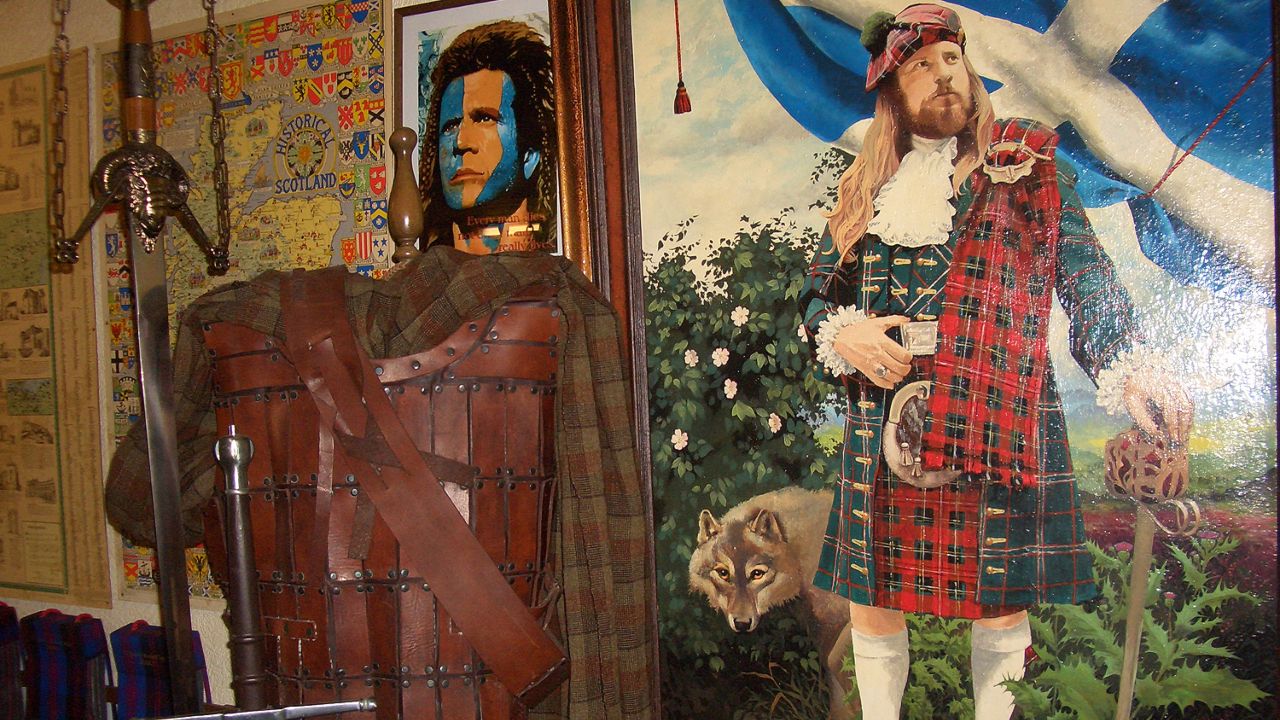
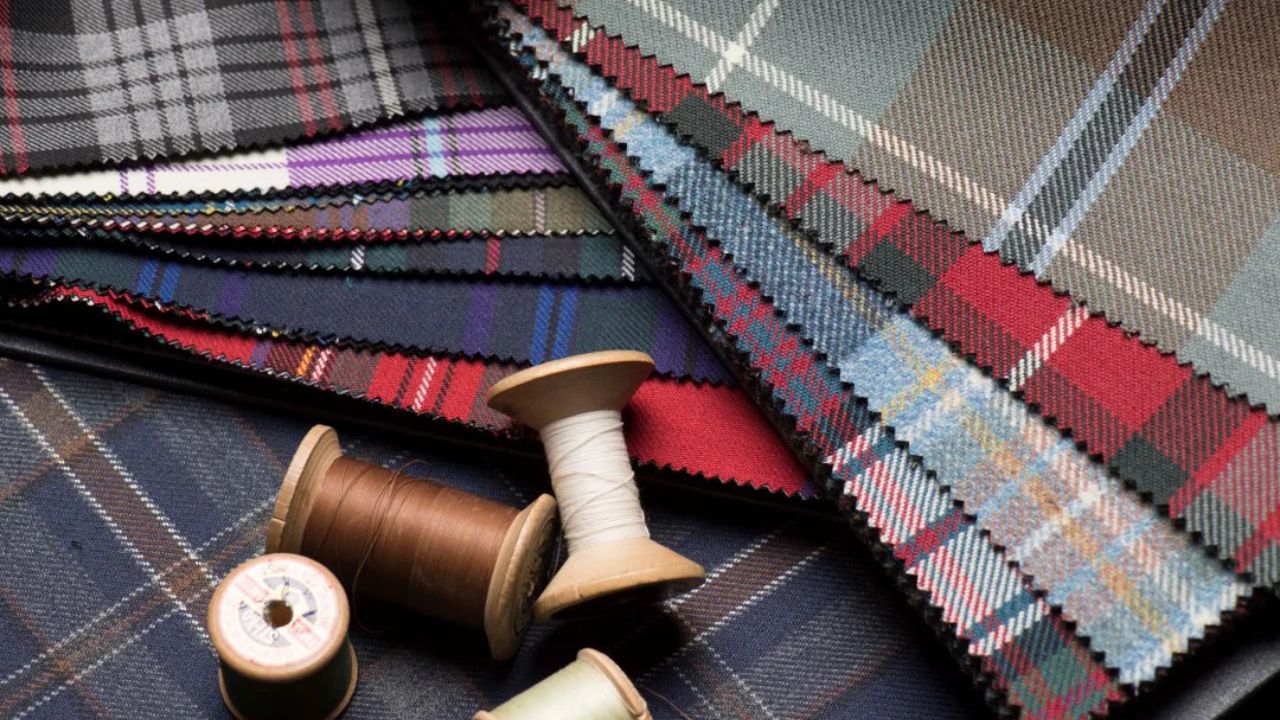
Scottish flute playing often reflects the same stylistic influences seen in Highland textiles and art, such as those we explore in Celtic Stone Carvings and Tartan history.

Why the Gaelic Flute Still Matters Today
The Gaelic flute survives because communities value tradition, memory, and expressive depth. The instrument thrives in céilí bands, festivals, pub sessions, and music schools. Many players also rediscover older tunes preserved through oral history, similar to the revival of heritage explored in Irish Holy Wells and Celtic bells.
The flute remains more than a musical tool. It carries cultural identity, regional pride, and the emotional core of Gaelic tradition.
Final Thoughts
The Gaelic flute stands as one of the most soulful instruments in Celtic music. Its voice feels timeless—capable of carrying the energy of dance or the calm of an ancient air. When people gather to play, the flute connects past and present with a single breath.
For more Celtic music history, cultural insight, and heritage exploration, visit the CeltGuide Blog.