
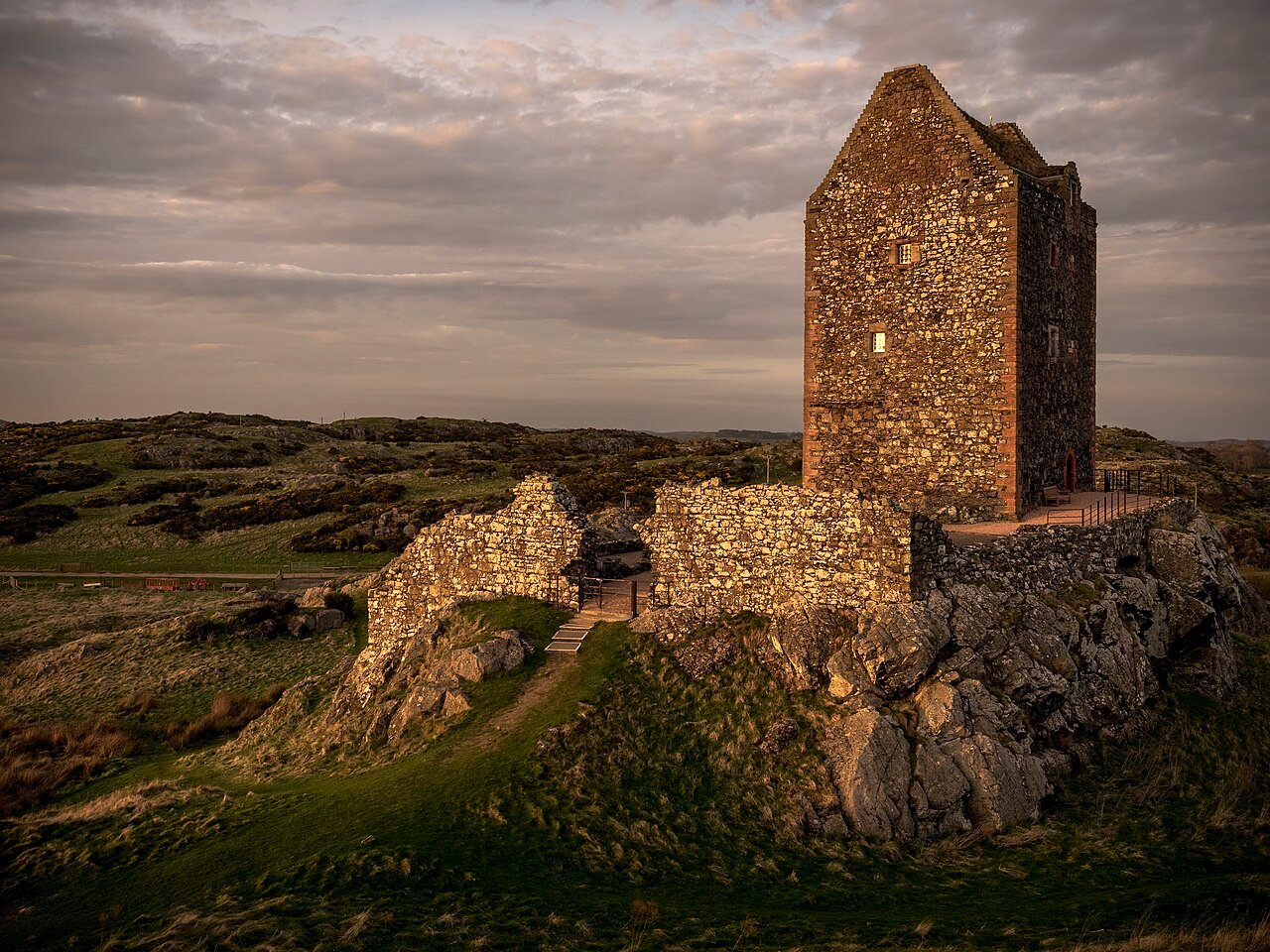
Scottish Cowhide Belts: A Blend of Heritage, Craft, and Modern Style

Scottish cowhide belts hold a special place in Highland fashion. They combine rugged practicality with a sense of cultural continuity that stretches back centuries. When I study these belts as a historian of material culture, I see far more than an everyday accessory. I see a story about land, livestock, craftsmanship, and identity, one that still feels alive today.
If you already enjoy reading about Celtic heritage, you might also appreciate our broader cultural discussions on Celtic stone carvings and the historical journeys of Scottish clans. Each of these threads ties into the same tapestry of craftsmanship and cultural expression that shapes something as simple as a belt.
What Makes Scottish Cowhide Belts Distinct?
Cowhide belts in Scotland stand out because makers value both durability and authenticity. They often keep the natural grain of the hide visible, which gives each belt a character of its own. The Highland environment shaped this tradition. Farmers and crofters needed strong, long-lasting leather goods; fashion came later, but function led the way.
Cowhide also develops a richer patina over time. This is why many collectors value older belts, they carry their own quiet history.
A Craft Rooted in Scottish Tradition
Scottish leatherwork developed alongside other heritage crafts, such as the carving styles explored in Celtic Stone Carvings and the famous textile traditions discussed in What Is Tartan?.
Makers typically use hand-cut straps, burnished edges, and solid metal buckles, sometimes even Celtic-engraved ones. The tools may be modern now, but the technique remains rooted in the past. Every belt reflects a commitment to precise workmanship, shaped by knowledge passed down across generations.

This commitment mirrors what we see in other Highland crafts, such as the attention to detail celebrated in our article on How Long Has the Tartan Print Been Around?.
Different Styles of Scottish Cowhide Belts
Cowhide belts come in several styles, each serving a different purpose:
- Everyday belts: Simple, strong, and designed for daily wear.
- Dress belts: Often paired with kilts or Highland outfits.
- Heavy utility belts: Used for fieldwork or outdoor wear.
- Patterned belts: Some include embossing or Celtic knotwork designs.
These options make cowhide belts flexible accessories. Whether someone heads to the Highland Games (explored in Events to Watch in Highland Games 2025) or simply dresses for work, the belt matches the need.
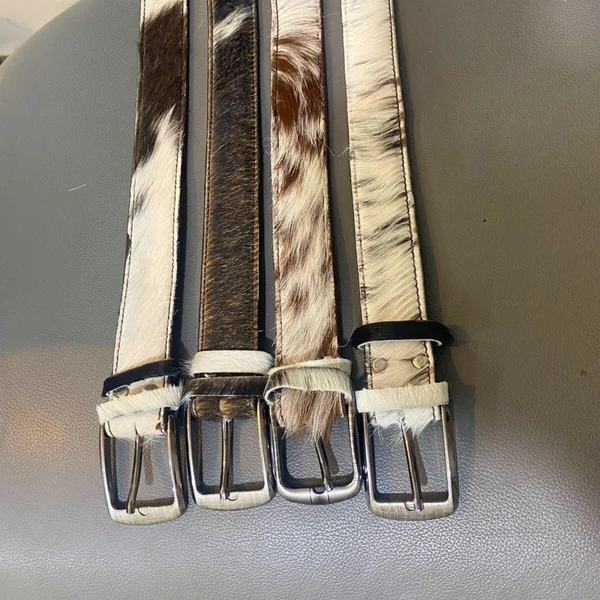
Cowhide Belts and Highland Dress
While the traditional kilt belt is usually made from thick black leather, cowhide belts have increasingly become part of casual Highland dress. Their rustic texture pairs well with plaids and earthy tones. When someone chooses a belt for kilt wear, they often refer to guides like How to Measure for a Kilt to complete the full outfit correctly.
Cowhide brings a natural, grounded look, something that feels honest to Scottish landscapes and rural heritage.
How to Choose a Quality Scottish Cowhide Belt
When I advise people on Highland fashion, I encourage them to look for:
- Full-grain cowhide rather than corrected grain.
- Sturdy stitching—preferably hand-finished.
- Classic metal buckles or Celtic designs.
- Comfortable thickness suitable for the wearer’s style.
- A natural finish that ages well with use.
A good cowhide belt should not feel flimsy or overly processed. It should feel like something that could last decades because the best ones truly do.
Why Scottish Cowhide Belts Remain Popular Today
Cowhide belts bridge old and new Scotland. They nod to the livestock economy that shaped rural communities, yet they also fit comfortably into modern fashion. In an age of fast accessories and disposable trends, a well-made Scottish cowhide belt offers stability, authenticity, and a sense of belonging to something older than yourself.
If you enjoy exploring how modern fashion connects to Celtic heritage, you may also find inspiration in our articles on Scottish Tartan Shawls or Tam O’Shanter Hats.
Final Thoughts
Scottish cowhide belts are more than accessories. They are the product of lived tradition—shaped by craft, history, and cultural identity. Their strength comes from the land. Their style comes from the people. And their value comes from the stories they quietly carry.
For more explorations of Celtic style and tradition, visit our CeltGuide blog.