Scottish King Arthur Tales: Legends, Places & History

King Arthur’s story often feels firmly tied to England and Wales, but many scholars and quite a few ancient sources, place Arthur’s origins much farther north. As a researcher at the University of Edinburgh, I frequently encounter compelling evidence that Arthur’s earliest stories sit deeply within Scottish landscapes, Celtic oral traditions, and early medieval power struggles.
This guide explores the Scottish dimension of King Arthur: the tales, folklore, battle sites, storytellers, and the cultural frameworks that shaped the legendary king we know today.
For readers who enjoy Celtic storytelling at large, you may also enjoy our piece on Why Are Irish People Natural Storytellers?.
Was King Arthur Scottish? A Question with Ancient Roots
The question may sound bold, but early medieval texts leave plenty of room for debate. Arthur appears in some of the oldest Brittonic traditions. Traditions that once stretched across what is now southern Scotland.
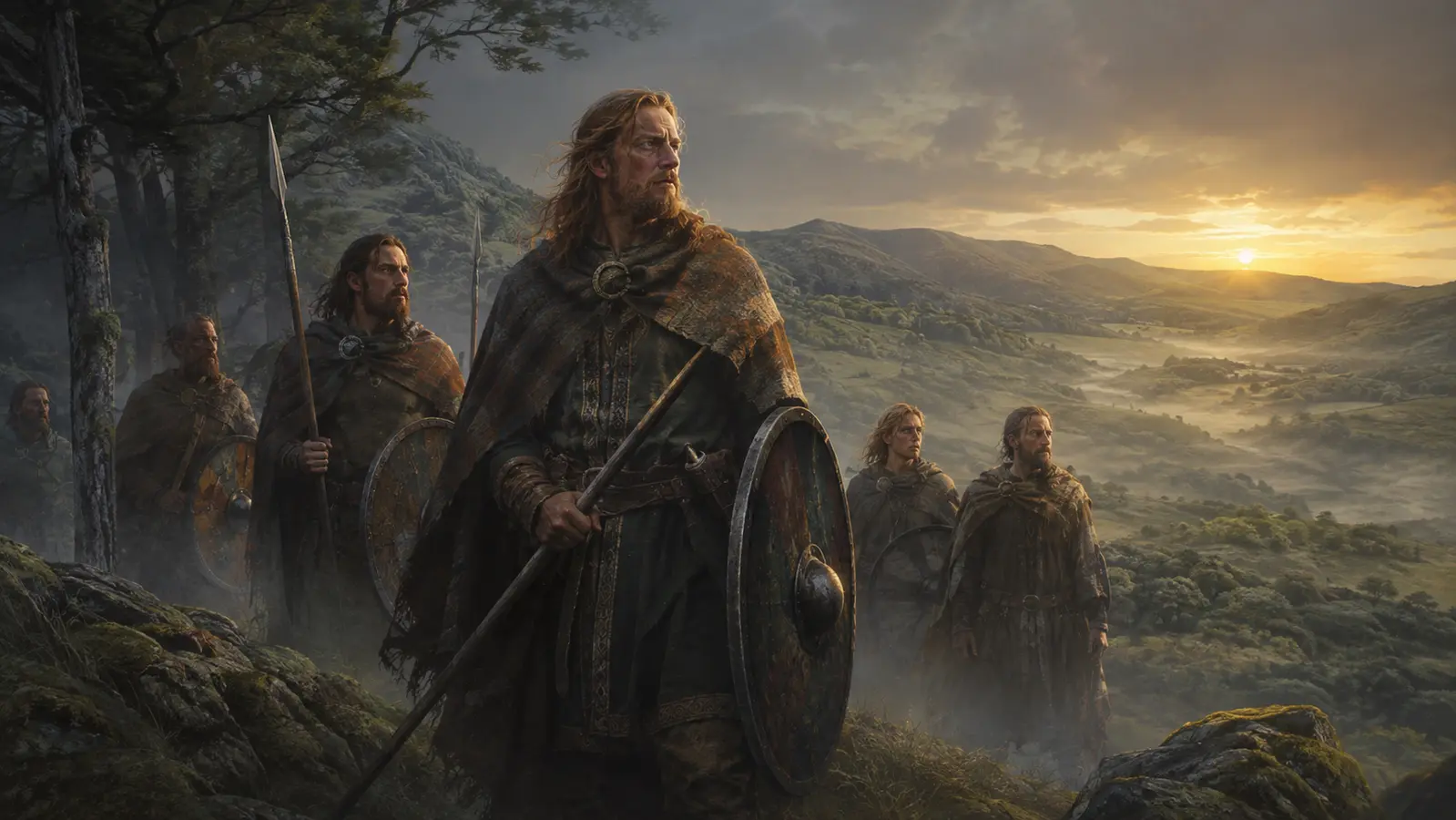
Many scholars point toward the Hen Ogledd, the Old North, where Brittonic-speaking kingdoms like Strathclyde, Gododdin, and Rheged flourished. These regions produced warriors, poets, and kings who resemble the Arthur found in early sources.
This environment created the perfect stage for an iconic war leader.
Arthur in the Old North: The Scottish-Brittonic Connection
Scottish Arthurian traditions often connect the king with:
1. The Gododdin Kingdom (Modern Lothian)
The heroic poem Y Gododdin describes warriors from this region. While Arthur isn’t directly mentioned, the culture of heroic warfare mirrors Arthur’s world.
2. The Kingdom of Strathclyde
Archaeological and mythological evidence here often overlaps with early Arthur references. The region’s river valleys and hillforts shaped its warrior culture.
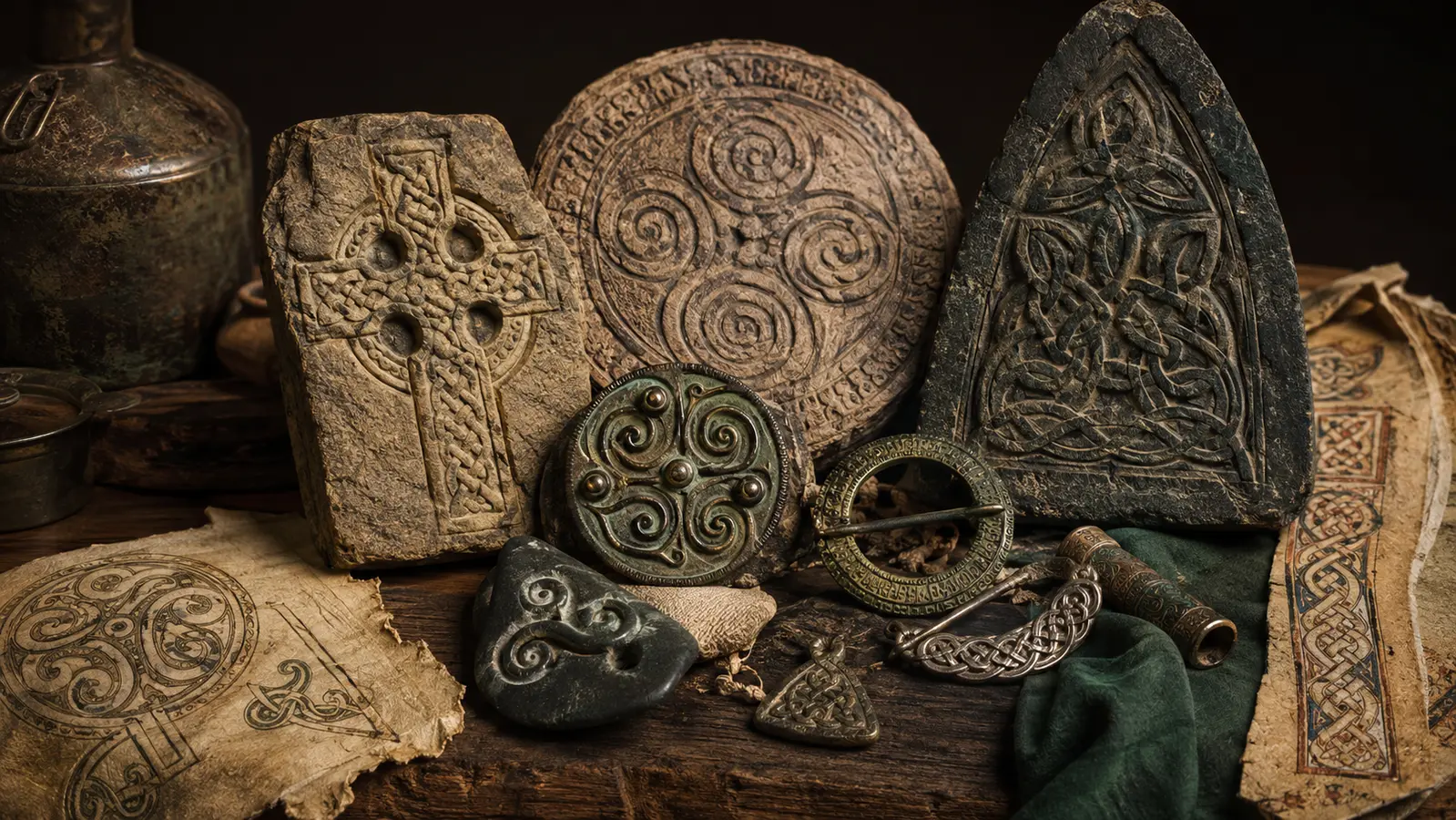
For a deeper understanding of early Celtic symbols carved into Scotland’s stones, explore Celtic Stone Carvings.
Legendary Scottish Battle Sites Linked with Arthur
Some traditions place Arthur’s battles firmly within Scotland. While historians debate their locations, these sites remain central to Scottish Arthurian storytelling.
• The Battle of Camlan
Some Scottish theories place Camlan in the southern Scottish Borders. Others suggest a site near Hadrian’s Wall.
• Mount Badon
Occasionally associated with Scottish hills, though scholars propose many possible locations.
• Dumbarton Rock
A natural fortress tied to Brittonic kings, often seen as a model for Arthur’s own strongholds.
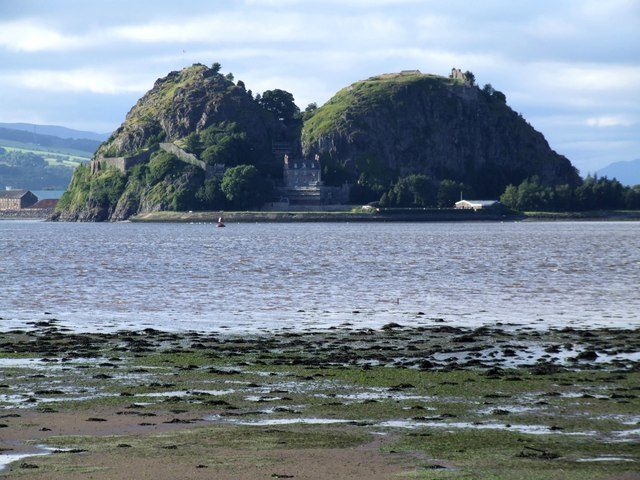
These sites blend archaeology with folklore, creating a narrative that feels rooted in Scottish soil.
Merlin in Scotland: Another Clue in the Puzzle
Arthur’s companion, Merlin, has an even stronger Scottish presence. The historical figure often linked with Merlin, Lailoken, supposedly lived in the Scottish Lowlands and roamed the woods near the River Tweed.
His wild-man-of-the-woods persona echoes the natural mysticism explored in our article on The Celtic Oak Tree.
If Merlin has Scottish origins, it becomes easier to imagine Arthur emerging from the same northern world.
Scottish Folklore and the Arthurian Imagination
Scottish storytellers preserved Arthur through oral tales, folktales, and medieval chronicles. These stories changed from region to region, reflecting local identity.
Some tales emphasize:
- Arthur as a warrior-king of the Britons
- Arthur as a supernatural hero
- Arthur as a guardian of hidden treasures
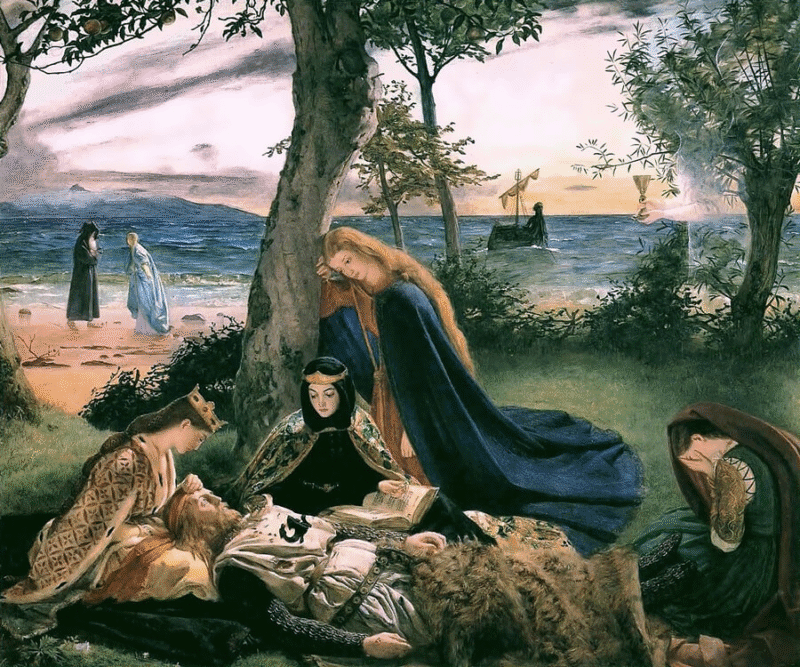
- Arthur as a sleeping king beneath Scottish hills
This last version aligns beautifully with Celtic myth cycles, including religious traditions linked with the Otherworld, explored more deeply in What Is Annwn?.
Landscape and Legend: Why Scotland Shaped Arthurian Memory
Scotland’s landscapes preserve memory well—its valleys, rivers, and standing stones speak through silence. Tales of Arthur naturally sank into these spaces, becoming part of local identity.
Travelers who explore mythic Scottish places often include sites such as:
While not directly Arthurian, these landscapes help readers understand how myth and geography work together.
Arthur in Scottish Culture Today
Modern Scotland continues to embrace Arthur through festivals, reenactments, literature, and folk storytelling. Writers reference Arthurian themes in discussions of identity, sovereignty, and Celtic heritage.
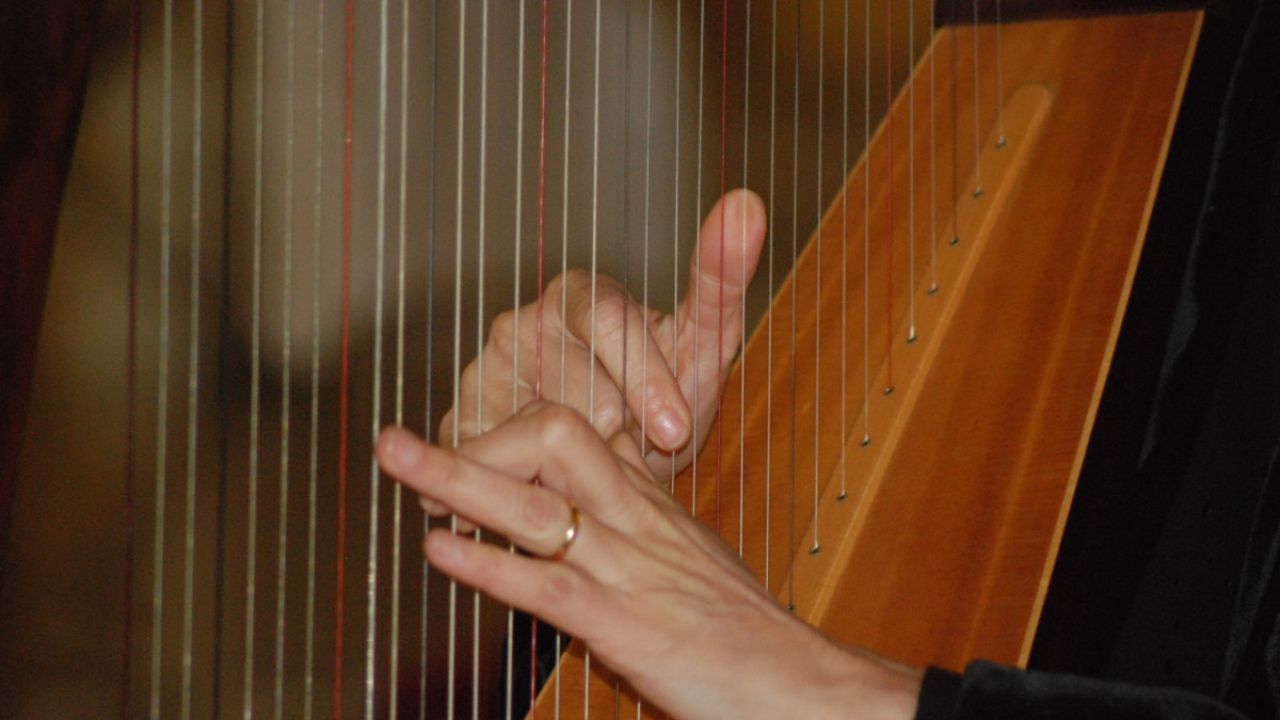
Music also plays a role. Celtic instruments like the Clarsach (Celtic Harp) appear in performances inspired by Arthurian legends. Traditional musicians draw on ancient themes to keep these stories alive.
Why Scottish King Arthur Tales Matter
Arthur is more than a single man or a single country’s hero. His legend reflects centuries of cultural exchange, political memory, and Celtic storytelling. Scotland’s role in shaping his image deserves recognition, not as a fringe theory but as an essential part of the myth’s evolution.
If you love exploring these interwoven traditions, browse our Blog Archive for more Celtic history and folklore.
Conclusion
Scottish King Arthur tales give us a fresh lens on a familiar figure. They show Arthur not as England’s or Wales’s king alone, but as a shared hero of the Celtic world—one shaped by the wild landscapes, oral traditions, and warrior kings of early medieval Scotland.
Through these stories, we see how myth and history blend, how memory survives across centuries, and how legends rise from the land itself.